Español
 English
 Français
 Deutsch
 Italiano
 Nederlands
 Português
 日本語
 中文
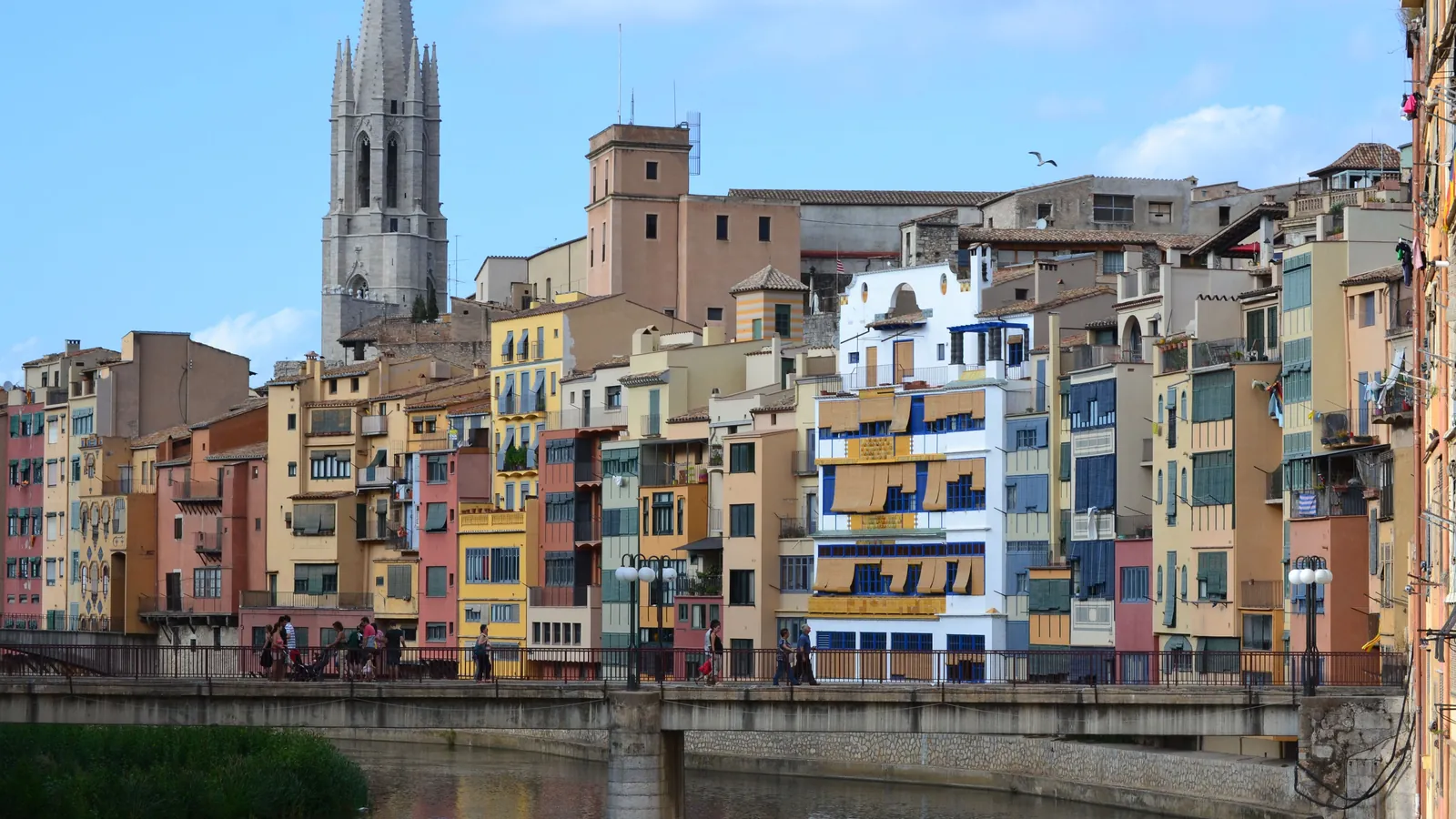
Girona looks out over the Onyar, lined with colourful houses, while the bell tower of Sant Feliu and the Cathedral rise above them, atop their grand staircase. Beyond lie the Call, one of Europe’s best-preserved medieval Jewish quarters, and the city walls, which you can explore on foot.
You can see the city in two or three days, and it makes a good base for the Costa Brava and the Empordà. For this guide, we’ve picked six places to stay that we hand-picked: three in the old town and three in the nearby countryside.
How to choose an area
The Onyar divides the city in two, and the best area depends on how you arrive:
- Barri Vell: the old town on the east bank, home to the Cathedral, the Call and the museums. Expect cobbled streets, stairs and almost no traffic.
- Mercadal and Eixample: on the other side of the river, the flat, commercial part of the city, with the train and bus stations a short walk away.
- The outskirts: Sant Julià de Ramis, the area around Montnegre and the Llémena valley, with country houses and hotels with pools and parking.
If you’re arriving by train or visiting for a weekend, stay in Barri Vell or Mercadal. If you’re exploring the province by car, the outskirts are a better choice. On our Girona page, you’ll find all the places we’ve selected in the city.
If you’re arriving by car
The low-emission zone has been in operation since September 2025 and covers almost two square kilometres, including Barri Vell. It applies Monday to Friday, from 7:00 to 20:00, and cars from outside the area without an environmental sticker can enter 24 days a year without a permit.
Where to stay in Girona
Here are our six recommendations: first the ones in the old town, followed by those in the countryside.
Pensió Bellmirall
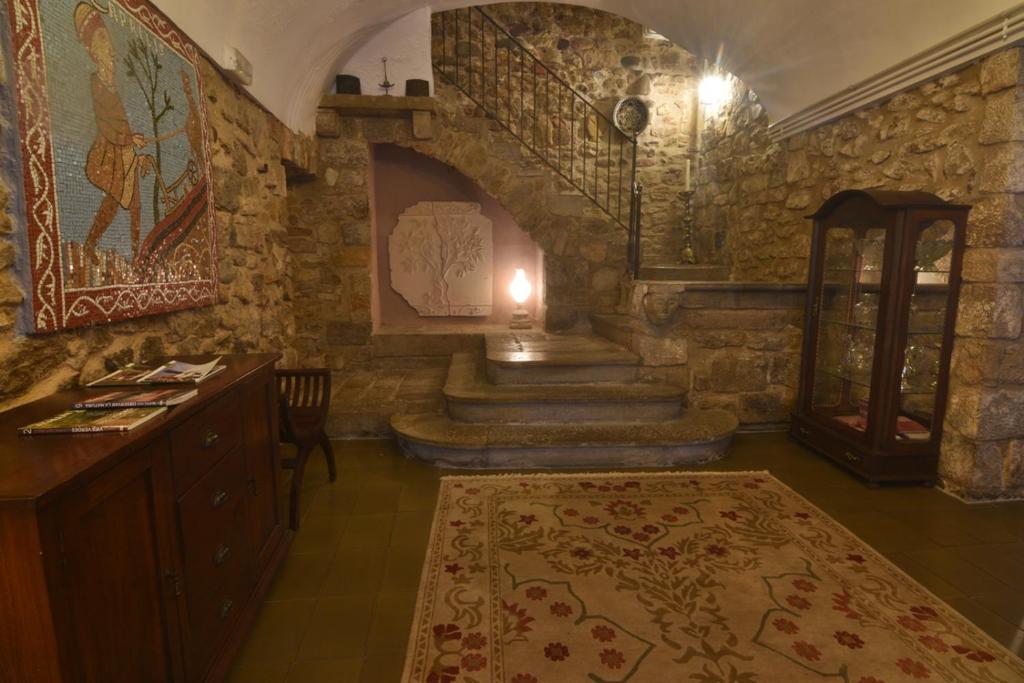
A stone guesthouse in the heart of Barri Vell, 130 metres from the Cathedral and 50 metres from the Art Museum, with old-world rooms and a garden. There are single and double rooms, with en-suite, external or shared bathrooms, so check carefully when you book your stay. There’s no parking, and the upper floors are only accessible by stairs.
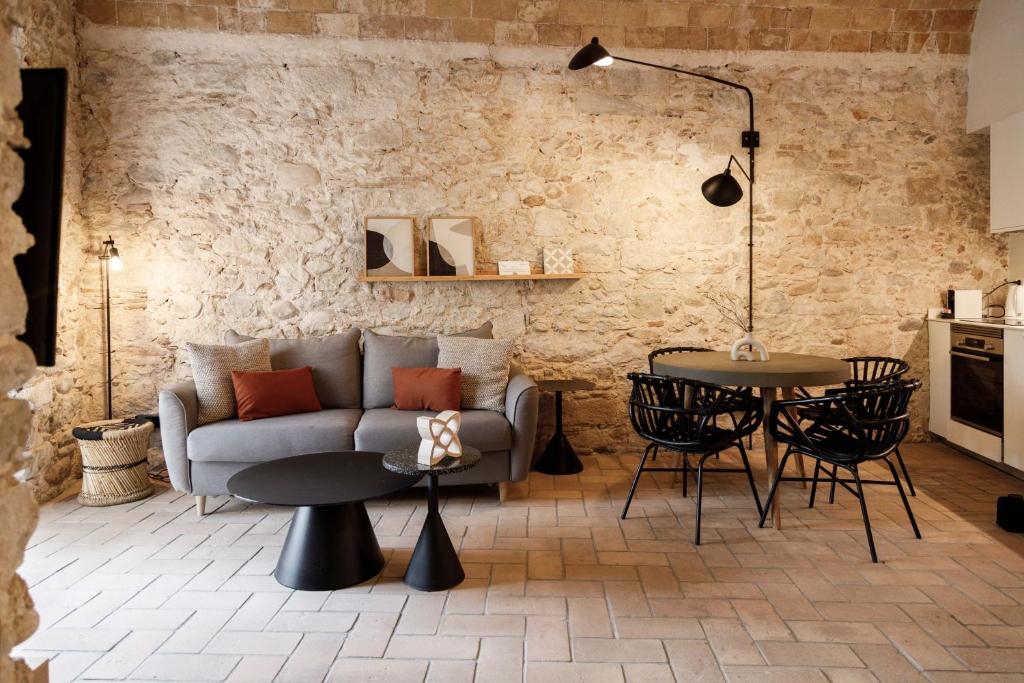
La Comuna by Bon Dia Residences
Apartments with a kitchen and dishwasher, 100 metres from the Arab Baths, plus a terrace, restaurant and breakfast with vegan and gluten-free options. The three-bedroom penthouse sleeps up to eight, which is unusual so close to the Cathedral. Nearby parking costs extra and must be reserved 48 hours in advance.
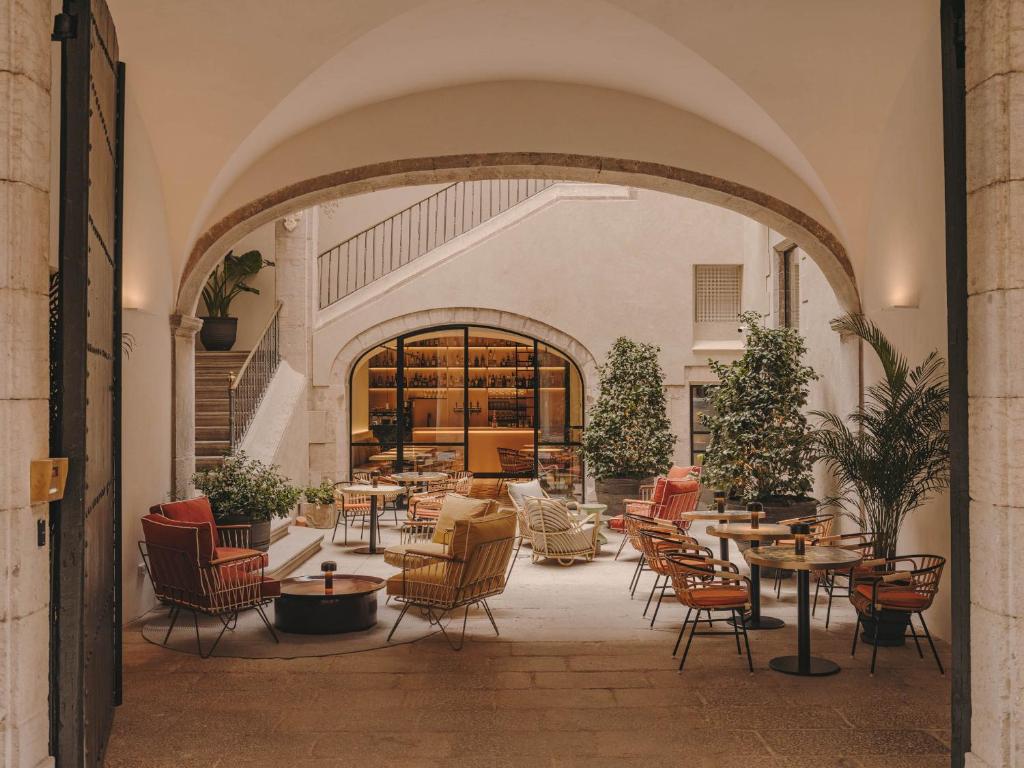
Hotel Palau Fugit
A four-star hotel in Barri Vell with something unusual for the old town: a seasonal outdoor pool, garden and spa. The restaurant serves Catalan cuisine, and many rooms have a balcony or terrace. Breakfast costs extra, and the nearest car park is public, paid and requires advance reservation.
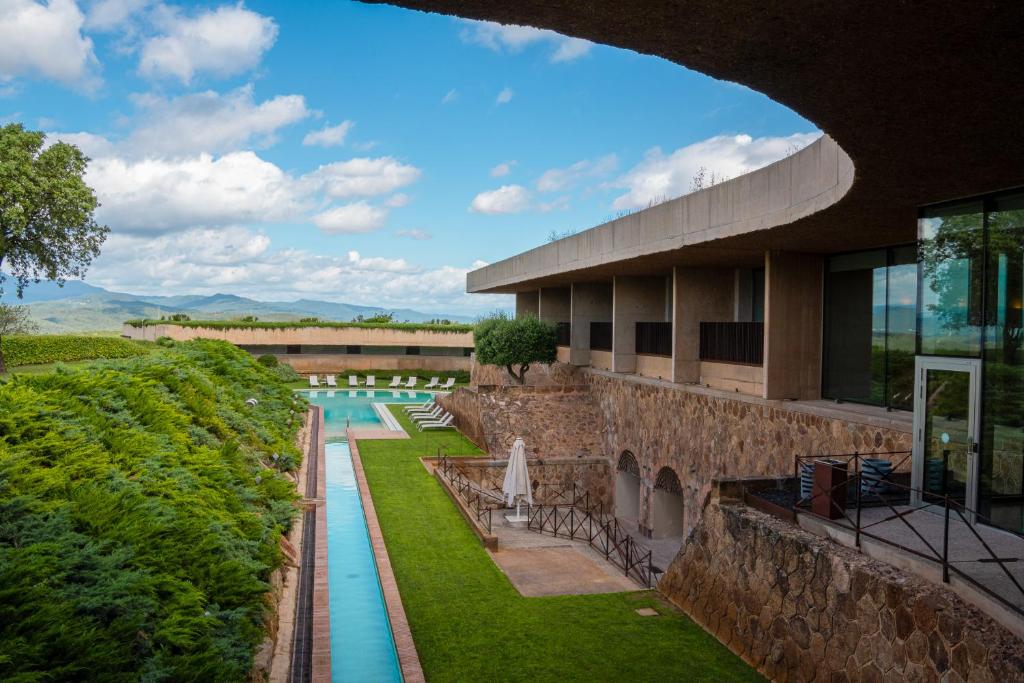
Hotel Esperit Roca
A four-star hotel in Sant Julià de Ramis, 90 metres from the castle, with a seasonal pool, gym, sauna and hot tub. All rooms sleep two and have a balcony overlooking the garden or mountains. Parking is free and doesn’t need to be reserved, but the station is nine kilometres away: you’ll need a car to stay here.
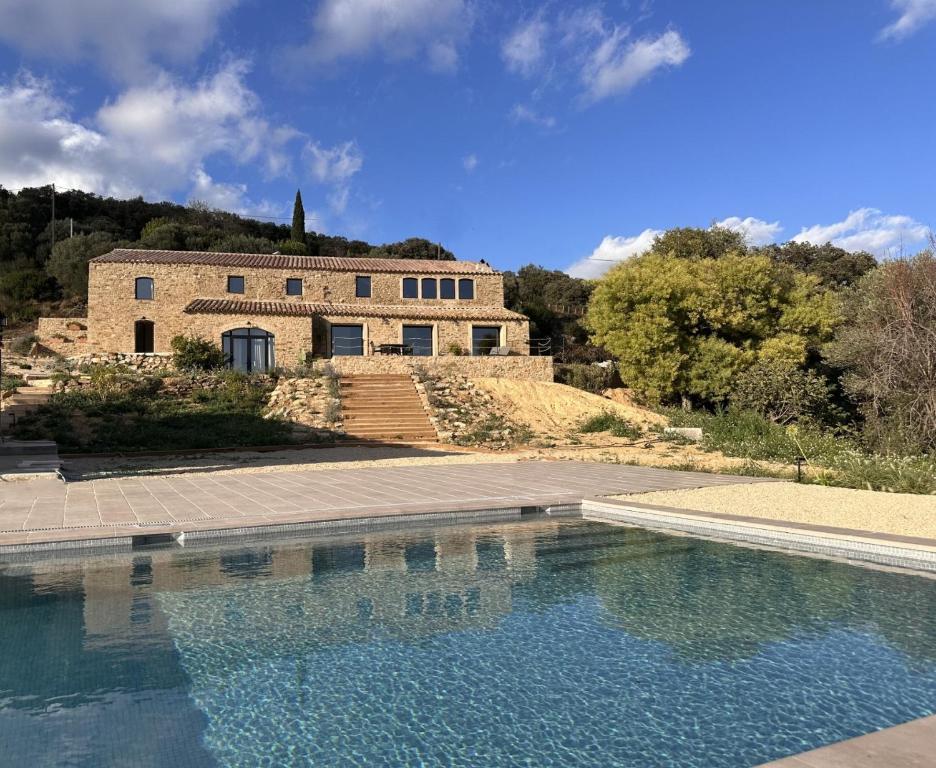
Mimosa Lodge
An adults-only bed and breakfast in the countryside near Montnegre, with a garden, barbecue and seasonal pool. The rooms have private bathrooms, air conditioning and separate entrances, and sleep a maximum of two people. Parking is free and doesn’t need to be reserved; pets aren’t allowed.
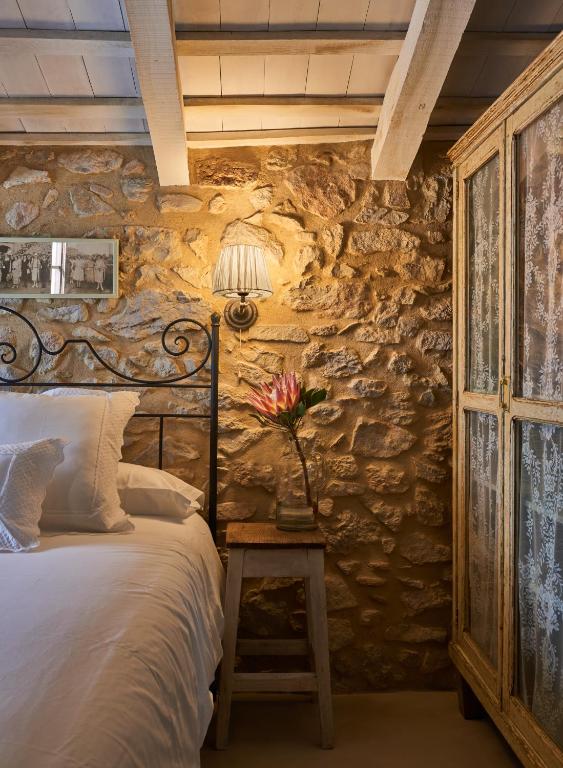
Els Masos de Caula
One- to three-bedroom houses near Sant Martí de Llémena, with a kitchen, washing machine, garden and pool. It’s a good base for hikers and cyclists travelling by car, with free parking, and pets are welcome. Adults only; check-in closes at 21:00, and a security deposit is required on arrival.
What to see in Girona and the surrounding area
Start at the Cathedral staircase, whose Gothic nave is the widest in the world. Then head down to the Call and its Museum of Jewish History, and continue to the Arab Baths and Sant Pere de Galligants. The city walls walk runs above and around the old town, with views over the rooftops.
Cross the Onyar via the iron bridge of les Peixateries Velles to see the riverside houses from the opposite bank, and set aside an afternoon for the Devesa, a vast park filled with plane trees.
Nearby, you’ll find Besalú, Lake Banyoles, the Dalí Theatre-Museum in Figueres and the Costa Brava, from Tossa de Mar to Begur. The Carrilet greenway leaves the city for Olot and Sant Feliu de Guíxols.
When to visit Girona
Spring and autumn are the best seasons for walking. Every May, Temps de Flors, now in its seventies, fills more than a hundred spaces across the city with flowers, from streets and monuments to courtyards. The city gets packed that week, so plan ahead.
The Fires de Sant Narcís arrive in late October: ten days of concerts, castells and correfocs around the 29th, the local holiday. And from 17 to 19 September 2027, Sea Otter Europe returns—the cycling festival that drew more than 80,000 visitors at its last edition.
Getting there and getting around
Girona has a high-speed rail station: you can reach it from Barcelona in under an hour, and continue towards Figueres and France on the same line. Girona-Costa Brava Airport is about twelve kilometres to the south, with a bus service to the bus station.
By car, take the AP-7. Once you’re here, you can explore the centre on foot: it’s about a fifteen-minute walk from the train station to the old town.
Girona is one of the stops in our guide to where to stay in Catalonia. If you’re heading to the coast, also see where to stay in Tossa de Mar, where to stay in Lloret de Mar and where to stay in Roses.
Frequently asked questions
Here are the questions people ask most when planning a few days in Girona.
What’s the best area to stay in Girona?
For a first visit, choose Barri Vell: the Cathedral, the Call, the museums and the city walls are all a short walk away, and you won’t need a car. That said, there are hills and stairs, and little parking. Mercadal and Eixample, on the other side of the Onyar, are flat and close to the station. If you’re travelling by car and want a pool, places to stay on the outskirts offer gardens and free parking.
Can you drive into the centre of Girona?
Yes, but there are some conditions. A low-emission zone that includes Barri Vell has been in operation since September 2025. It applies Monday to Friday, from 7:00 to 20:00, and cameras read vehicle registration plates. Cars from outside the area without an environmental sticker can enter 24 days a year without a permit, and there are no restrictions at weekends or on public holidays. Even so, most of the old town is pedestrianised, so it’s easiest to leave the car behind.
How do you get to Girona without a car?
Take the high-speed train from Barcelona; the journey takes less than an hour, and the line continues towards Figueres and France. If you’re flying, Girona-Costa Brava Airport is about twelve kilometres to the south and has a bus service to the city’s bus station. You won’t need a car once you’re in the city: the old town is about a fifteen-minute walk from there.
When is the best time to visit Girona?
Spring and autumn are the most pleasant seasons for exploring the old town. Temps de Flors takes place in May, filling more than a hundred spaces with flowers, while the Fires de Sant Narcís arrive in late October, with ten days of concerts and festivities. It’s best to plan ahead for both. From 17 to 19 September 2027, the city hosts Sea Otter Europe, a major cycling festival.
Is Girona a good base for exploring the Costa Brava?
Yes, especially if you’re travelling by car. From Girona, it’s a short drive to Tossa de Mar, Lloret, Begur and Pals, as well as Figueres, Besalú and Lake Banyoles. In the evening, you can return to a city that’s lively all year round. If you’d rather stay by the sea, our guides to Tossa de Mar, Lloret de Mar and Roses feature places we’ve hand-picked.