Español
 English
 Français
 Deutsch
 Italiano
 Nederlands
 Português
 日本語
 中文
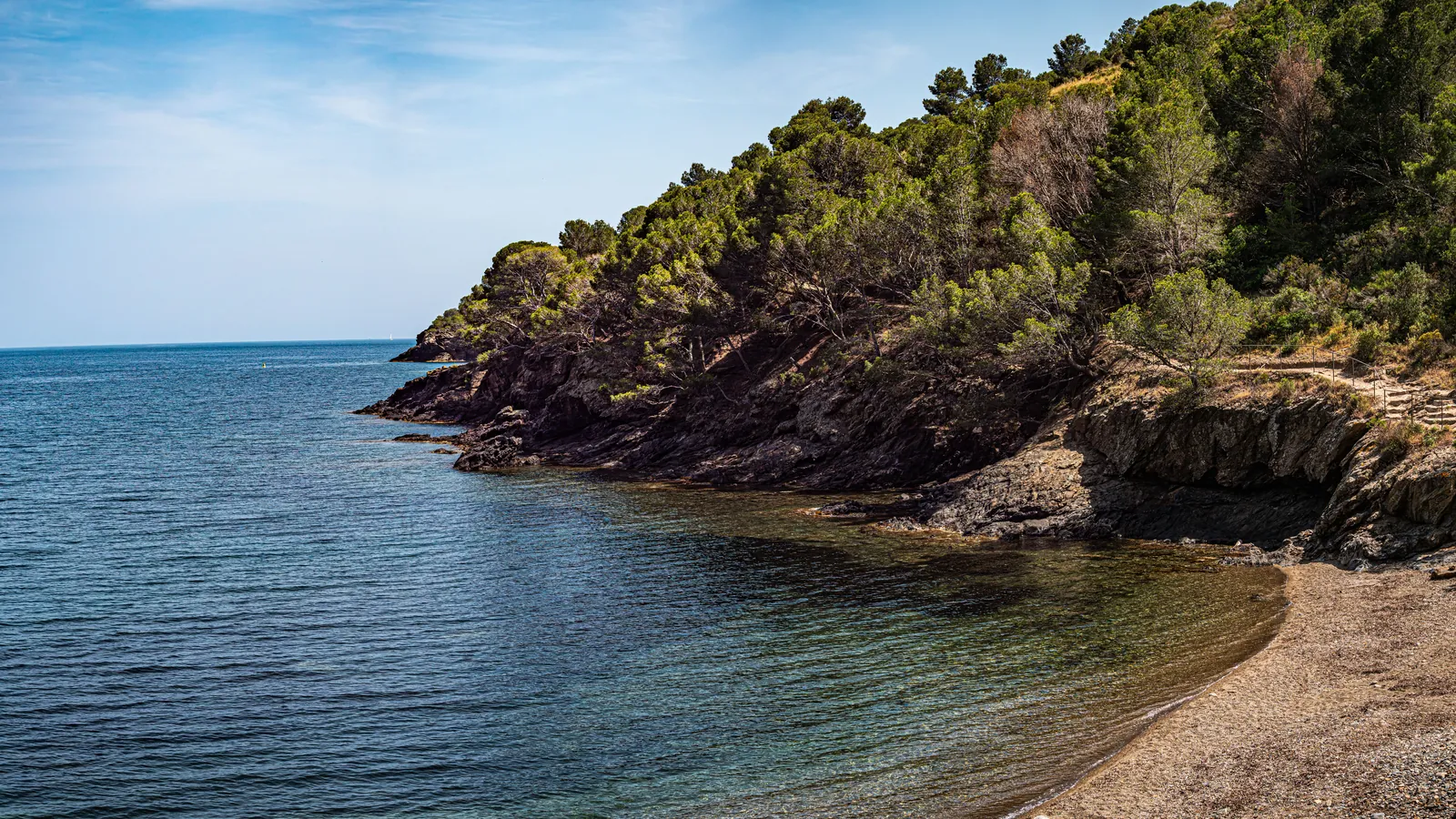
Roses sits at the northern end of the bay that shares its name, in Alt Empordà, where the Aiguamolls plain meets the first ranges of Cap de Creus. It has a fishing port, a long seafront promenade and rocky coves just minutes from the centre.
Its history begins with the Greek colony of Rhode, whose remains are preserved within the Ciutadella. Here, we explain which area is right for you and which places to stay we hand-pick one by one.
How to choose an area
Roses stretches for several kilometres along the bay, so choosing the right area matters:
- The centre and seafront promenade: sandy urban beach, the port, the Ciutadella, the bus station and most of the bars and restaurants.
- Santa Margarida: to the west, a flat residential area with navigable canals and a long, open beach. Quiet and convenient for families and cycling.
- Canyelles, Almadrava and the eastern coves: hillside residential areas above clear-water coves, on the way to the lighthouse and Cap de Creus. Quieter, with views, but the slopes and distances make a car useful.
If you arrive without a car, the centre is the obvious choice. If you’re looking for a house with a pool for a week, look towards the eastern hills, where most of the villas are.
Where to stay in Roses: our hand-picked places
We’ve selected six very different places to stay: two hotels by the water, one for adults only, a small bed & breakfast and two self-catering options for groups.
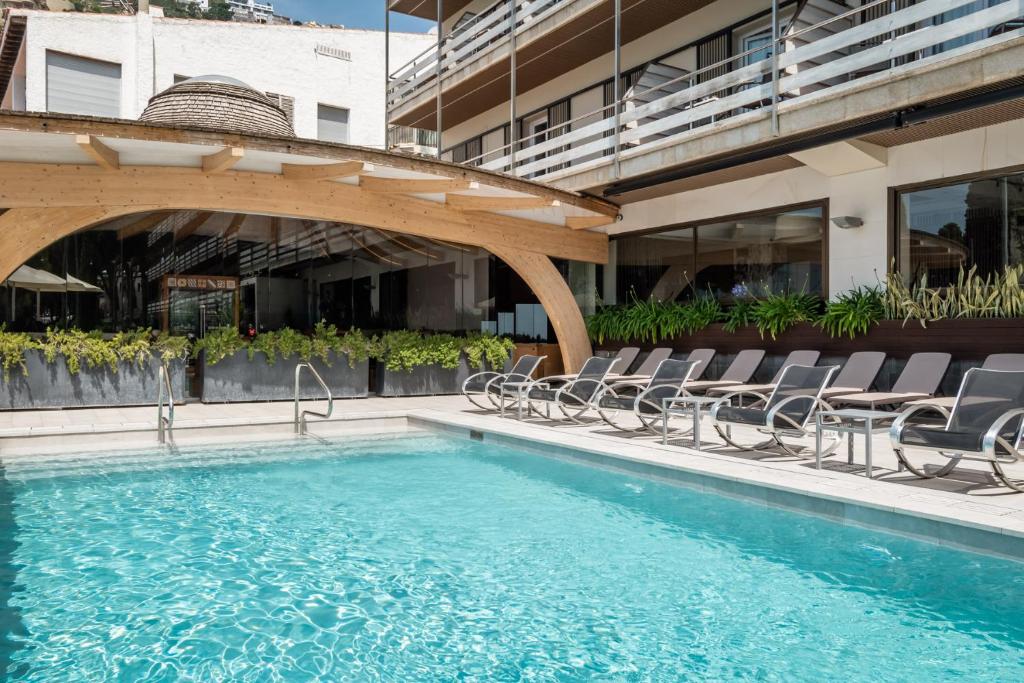
Canyelles Platja
A four-star hotel right on the sand at Canyelles Petites, one of the bay’s most sheltered coves. It has a pool, gym, beach bar and rooms with terraces overlooking the Mediterranean; triple rooms are available for two adults and one child. Parking and breakfast cost extra.
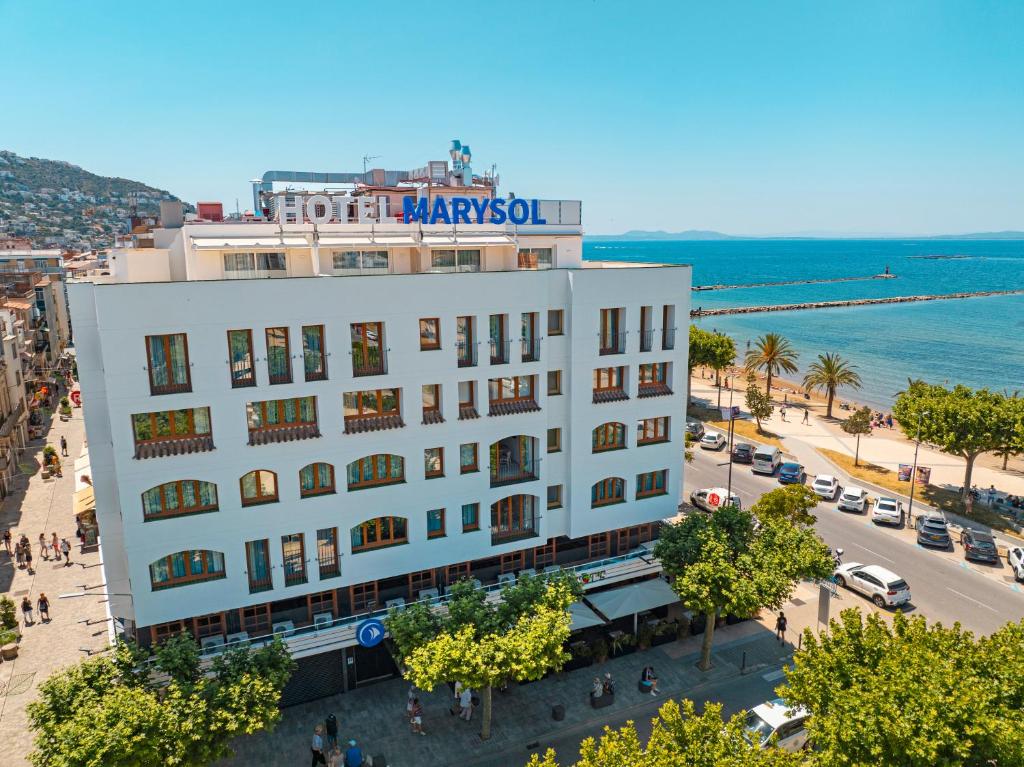
Prestige Mar y Sol
Right on the seafront promenade, 40 m from La Nova beach and close to the Ciutadella: ideal if you want to get around on foot. It has family rooms with sofa beds and a breakfast buffet with vegan and gluten-free options. One dog weighing up to 15 kg is allowed, though not in the restaurant, and nearby parking is paid.
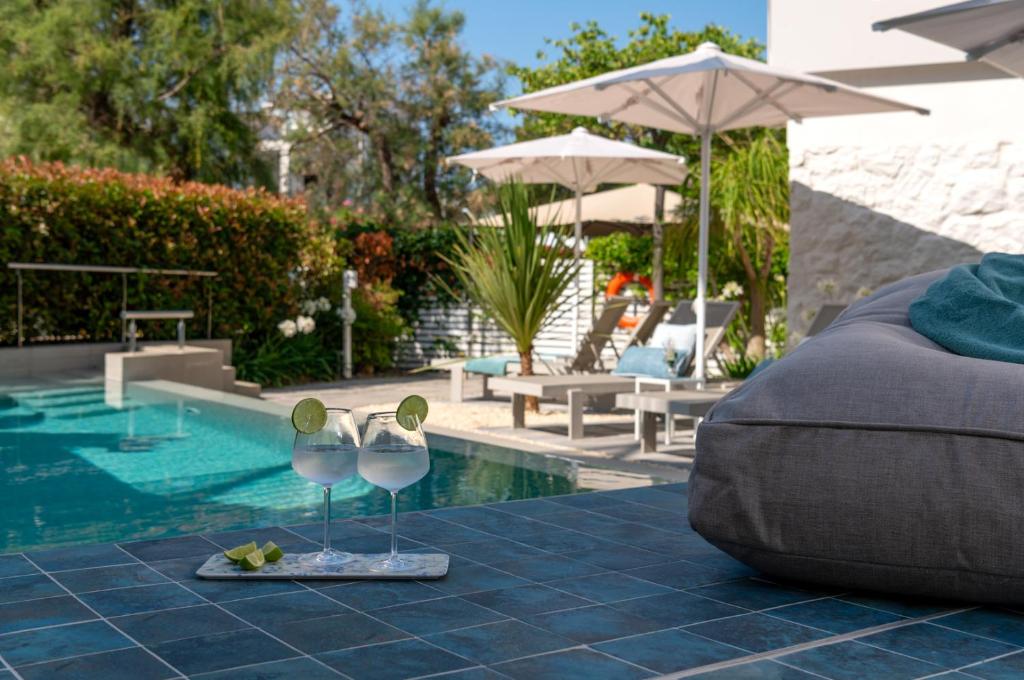
1935 Hotel Boutique & Apartments - Adults Only
For adults only and 250 m from Santa Margarida beach, this place is designed for couples seeking peace and quiet. The outdoor pool is heated, and you can choose a room or apartment, both with a private terrace; bicycles are available. Paid parking is available by reservation.
If you’d prefer somewhere smaller or are travelling as a group, these three options offer independence and, in two cases, free parking.
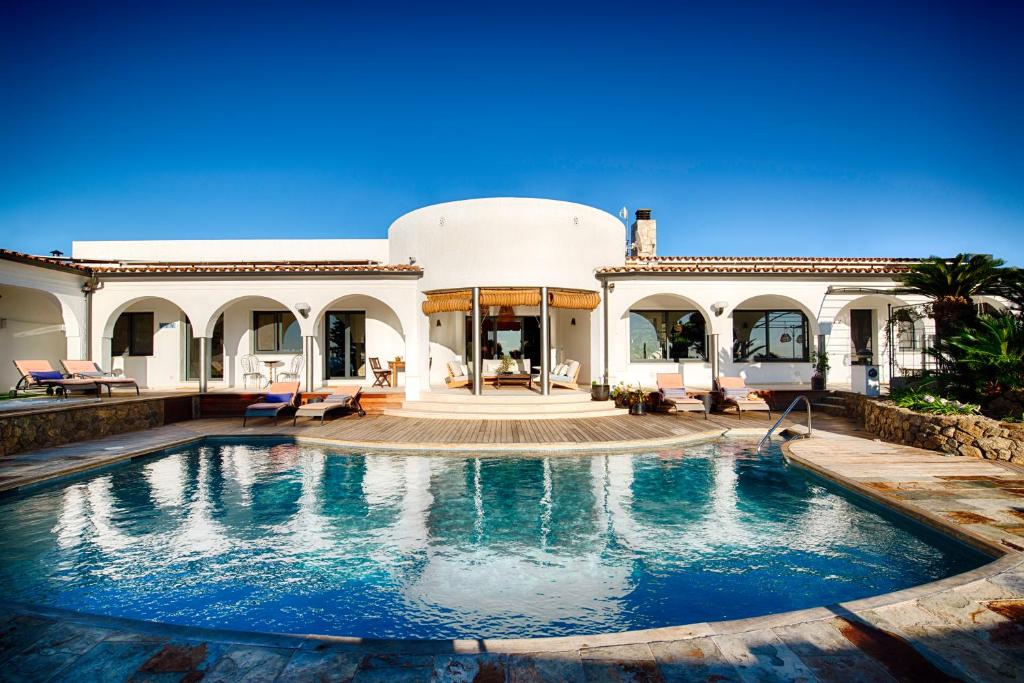
Casa de l’Albada
A bed & breakfast with a garden, hot tub and seasonal pool, as well as rooms with balconies. Convenient if you’re arriving by car: parking is free and no reservation is needed. The trade-off is the distance from the sea, around a 19-minute walk from Punta beach.
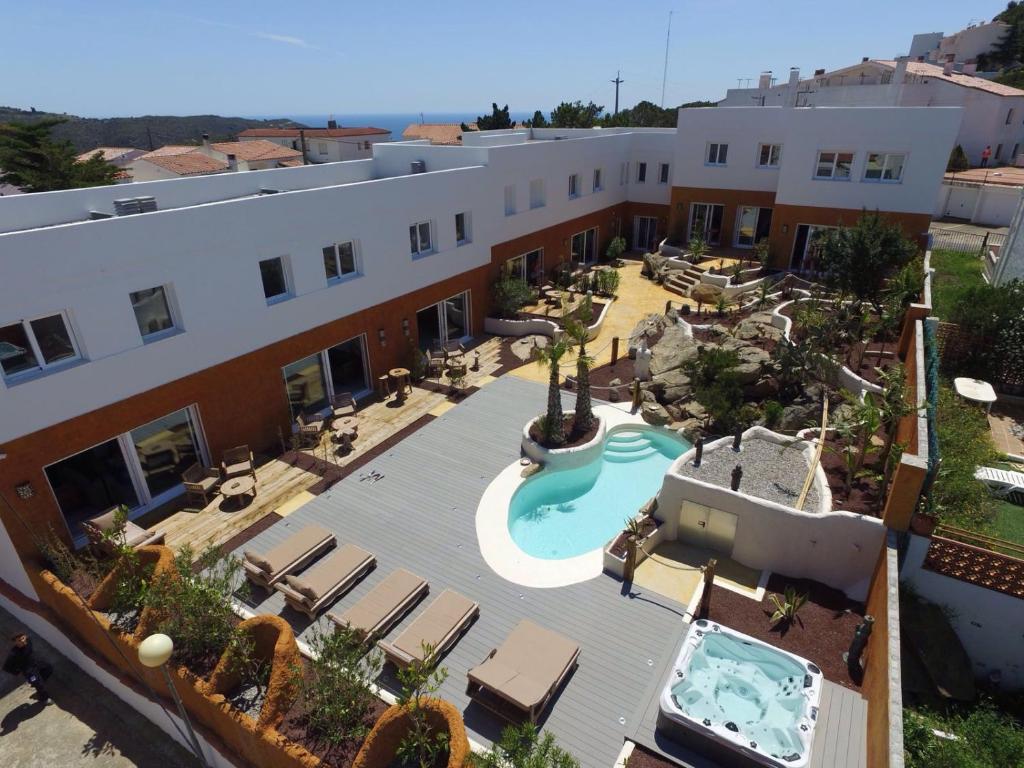
Vista Roses Mar - Villas Batik
Three-bedroom villas for up to six people, with a shared seasonal pool and hot tub, 740 m from Canyelles Petites. Dogs stay at no extra charge. You’ll need a car, as there’s no public transport, and quiet hours are from midnight to eight in the morning.
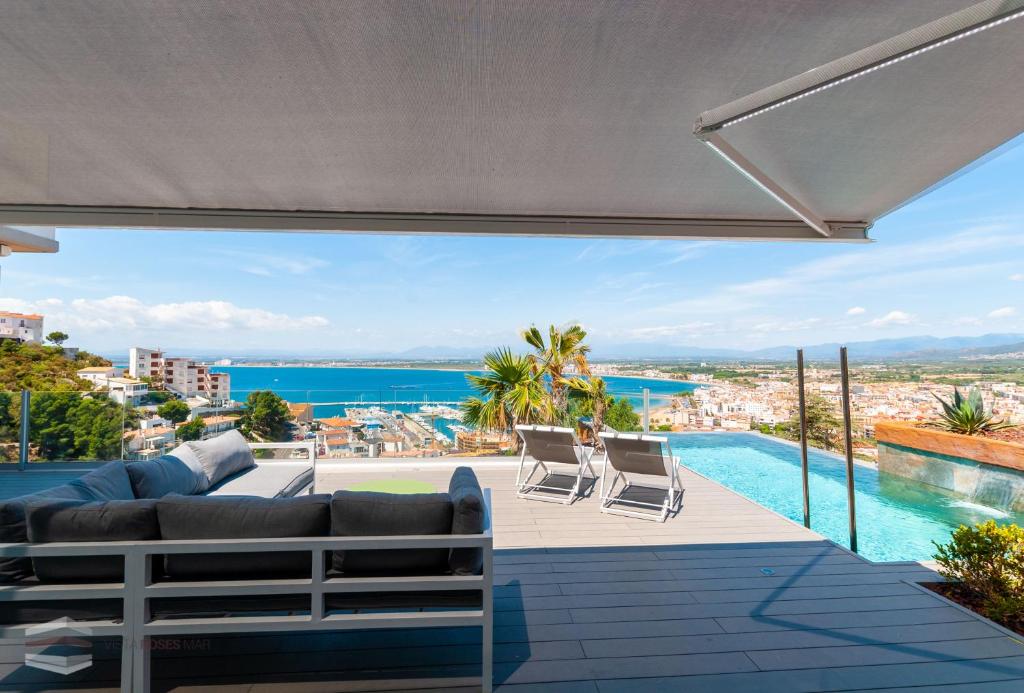
Vista Roses Mar - Cap Ponent
Two entire houses with sea views, a garden, terrace and seasonal pool, plus a fully equipped kitchen, dishwasher and washing machine. A good base for families who want to cook and keep the car close by, with free parking. A minimum stay of two nights is required.
What to see in Roses and the surrounding area
Start with the Ciutadella, the large walled enclosure beside the centre, designated a historic-artistic site in 1961. Inside, you’ll find the remains of Greek Rhode, the ruins of the Romanesque monastery of Santa Maria and a small museum. Perched on Punta de la Poncella, Trinitat Castle, built between 1544 and 1551 on the orders of Charles I, commands the entrance to the bay.
Roses also has an important megalithic complex. The route starting from the Montjoi road links dolmens and menhirs; the best-preserved, the Dolmen of Creu d’en Cobertella, dates from between 3500 and 3000 BC. Walking the entire route takes four to five hours.
The same road leads to Cala Montjoi, where the former elBulli restaurant now operates as elBulli1846, a museum of gastronomic creativity that opens for around six months a year; the visit lasts over two hours. Beyond it begins Cap de Creus Natural Park, and Cadaqués is about half an hour away across the hills.
When to visit Roses
From June to September, the sea is warm and the town is busy. May and September are ideal for combining beach time, hiking and kayaking. When the tramontane wind blows, head for sheltered coves.
In February, the Roses Carnival, one of Catalonia’s major carnivals, fills Rhode Avenue with floats and carnival groups for five days. The local festival takes place in mid-August, with evening concerts at Les Barraques and activities for the whole family.
Getting there and getting around
By car, Roses is about two hours from Barcelona via the AP-7 and around 20 km from Figueres. The nearest high-speed rail station is Figueres-Vilafant, and Girona Airport is just under an hour away. Sarfa runs direct buses from Barcelona and Figueres; the journey from Barcelona takes around two and a half hours.
In the centre and Santa Margarida, you can get around on foot or by bike along the promenade. For the eastern coves, the megalithic route or Cap de Creus, a car is almost essential. Find all our places to stay on our hotels in Roses page.
Roses is part of our guide to where to stay in Catalonia. If you’re continuing along the Costa Brava, to the north you’ll find where to stay in Cadaqués, and further south where to stay in Tossa de Mar and where to stay in Lloret de Mar.
Frequently asked questions
Answers to the questions we hear most often from people planning a stay in Roses.
What is the best area to stay in Roses?
It depends on how you want to get around. The centre and seafront promenade are the most convenient without a car: the urban beach, restaurants, the Ciutadella and the bus station are all within walking distance. Santa Margarida, to the west, is flat and peaceful, with a long beach that’s convenient for families and cyclists. Canyelles and Almadrava to the east offer sheltered coves and views, but you’ll need a car.
Can you visit Roses without a car?
Yes, if you stay in the centre or Santa Margarida. Sarfa runs direct buses from Barcelona, taking around two and a half hours, and from Figueres, where high-speed trains stop at Figueres-Vilafant station. Once there, the seafront promenade connects the urban beaches, port and Ciutadella on foot or by bike. A car gives you more freedom to visit the eastern coves and Cap de Creus.
What beaches and coves are there in Roses?
The town centre has sandy beaches along the promenade, such as La Nova and Punta beach, while the long beach of Santa Margarida is to the west. To the east, the coast becomes rocky: Canyelles Petites and l’Almadrava are broad, sheltered coves, and further on, along the Montjoi road, you’ll find Montjoi, Murtra and Jóncols, in the Cap de Creus area. These are wilder and have fewer facilities.
Are there places to stay with a pool that are suitable for groups in Roses?
Yes. The residential areas to the east have villas and entire houses with pools, suited to week-long stays. In this guide, Vista Roses Mar - Villas Batik offers three-bedroom houses for six people, while Cap Ponent has two entire homes with sea views and a two-night minimum stay. Both allow dogs and have free parking. The pool is seasonal at both.
When is the best time to visit Roses?
From June to September, the sea is warmest and the town has a holiday atmosphere, with July and August being the busiest months. May and September are perfect for mixing beach time, kayaking and hiking in mild temperatures. February brings the Carnival, one of Catalonia’s major carnivals, and the local festival takes place in mid-August. Some beach hotels close in winter, so check the dates before you make plans.