Español
 English
 Français
 Deutsch
 Italiano
 Nederlands
 Português
 日本語
 中文
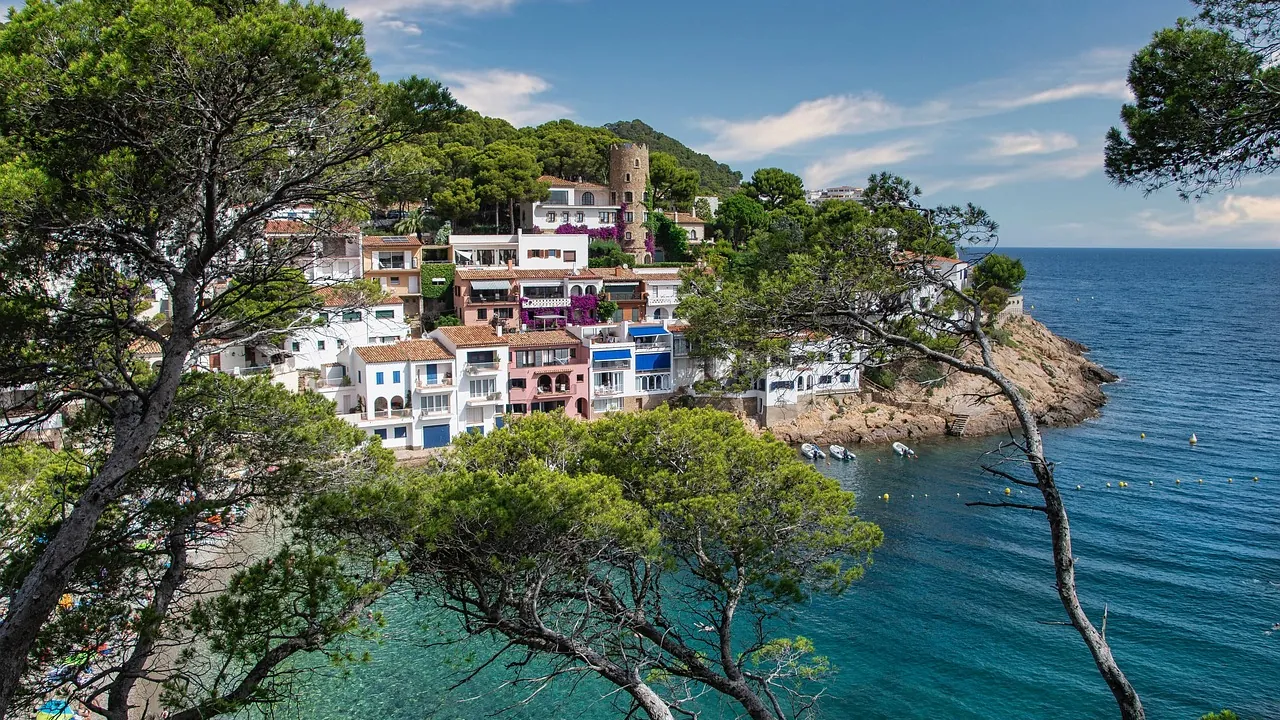
Catalonia may be small on the map, but it brings together very different landscapes: a Roman, Gothic and Modernist capital, around 580 km of coastline and the Pyrenees just a few hours’ drive away. Each area calls for a different kind of trip.
That’s why deciding where to stay in Catalonia starts with choosing an area and ends with finding the right place to stay. We’ve looked at the places to stay in Catalonia listed on our site and picked 14, which we select one by one with the people staying there in mind.
How to choose an area
Distances are short, but changing bases every night can be tiring. Here are the main options:
- Barcelona: museums, Modernist architecture, an urban beach and the best public transport. The upper part of the city offers peace and quiet just 20 minutes from the centre.
- Southern Costa Brava: Lloret de Mar and Tossa de Mar, with large beaches, coastal paths and plenty of places to stay.
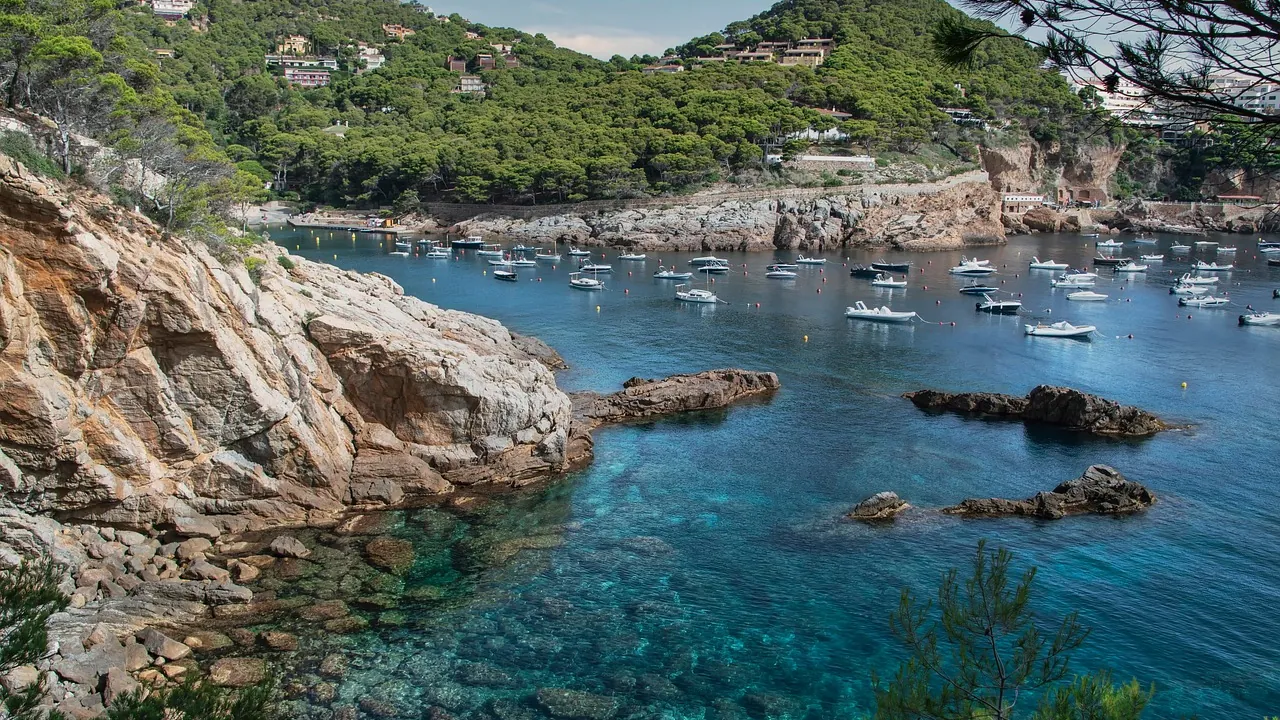
- Baix Empordà: Begur, Pals and L'Escala, with pine-fringed coves and stone villages.
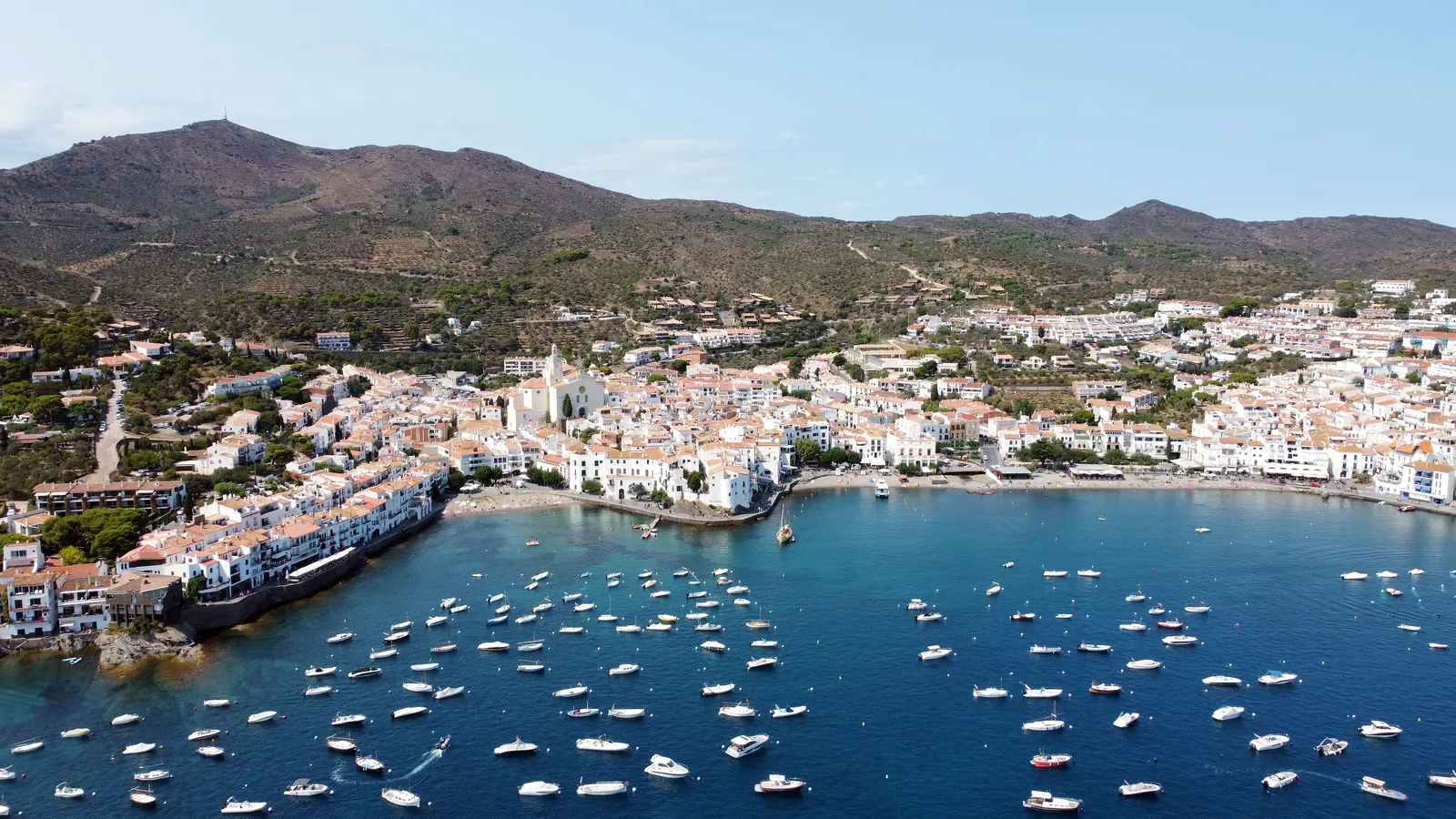
- Alt Empordà: Roses, Cadaqués and Cap de Creus, where the coast gives way to rocks and the tramuntana wind.
- Terres de l'Ebre: Deltebre and the delta, flat, green and free of high-rise buildings.
- Costa Daurada, Girona and the Pyrenees: fine sand, a medieval city and mountain valleys.
For a first trip, combine Barcelona with a few days on the Costa Brava. With children and a car, the Costa Daurada or the delta offer more space; for couples, Begur and Cadaqués have the most refined feel.
Barcelona
In Barcelona, Ciutat Vella and the Eixample are home to the cathedral, El Born, Passeig de Gràcia and the Sagrada Família, whose 172.5 m Tower of Jesus Christ was crowned with its cross in February 2026. We cover the city neighbourhood by neighbourhood in our guide to where to stay in Barcelona; see all the places to stay in Barcelona.
Check the calendar before booking: MWC fills the city from 1 to 4 March 2027, and Primavera Sound from 3 to 5 June. In the heart of the old town, this is our pick:
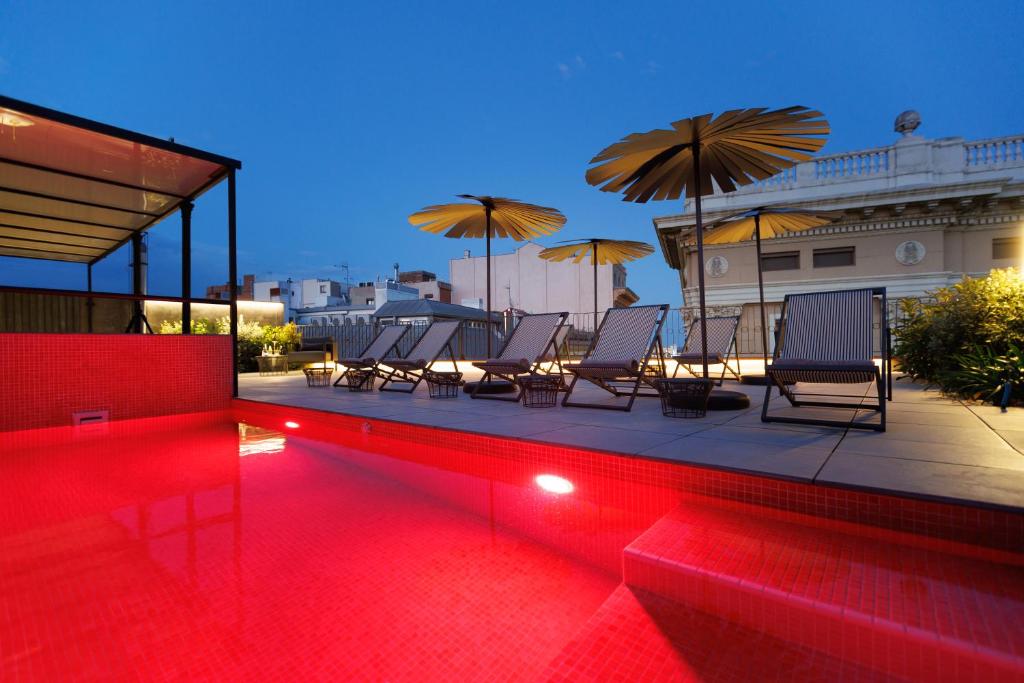
Hotel Boutique La Pau
Las Ramblas is two minutes away and Plaça Reial around 350 m: a convenient place to return to and rest between outings. Rooms and suites have balconies or terraces, with family options and a 24-hour reception, plus luggage storage for your last day. Breakfast costs extra and there’s no parking.
In the upper part of the city, between Sarrià and Pedralbes, gardens replace the noise and the metro gives way to the Ferrocarrils de la Generalitat. It’s a good fit for families, work trips and anyone who already knows the city centre:
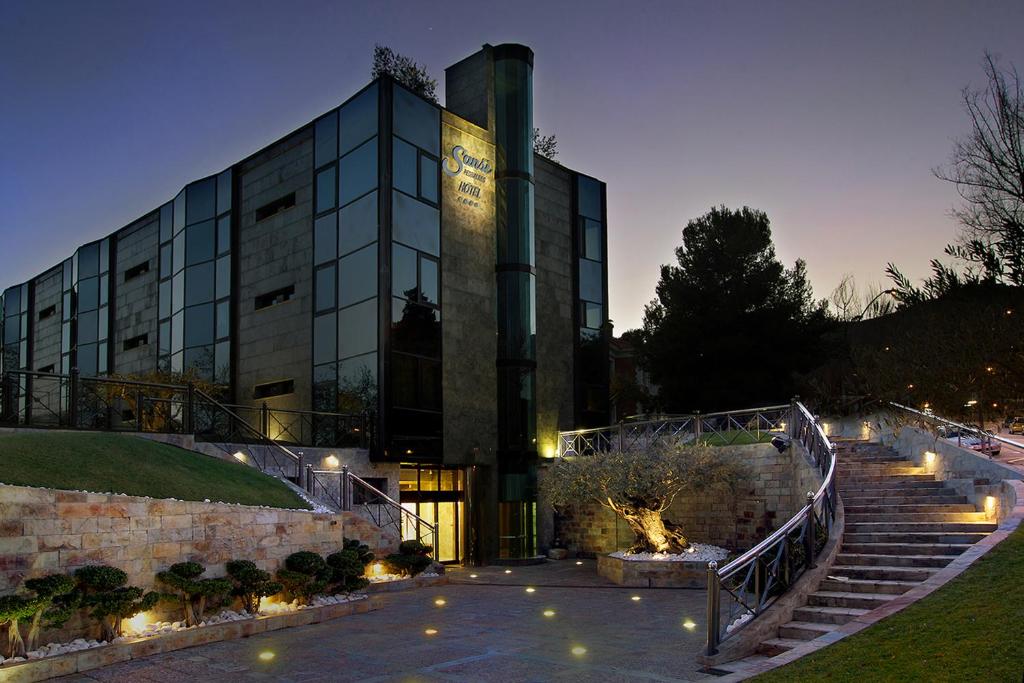
Sansi Pedralbes
A peaceful four-star hotel 200 m from Pedralbes Monastery and ESADE, handy if you’re visiting for studies or a conference. The spa with indoor pool is available for a fee and is for guests over 18 only. Take the bus or FGC into the centre; nearby parking costs extra.
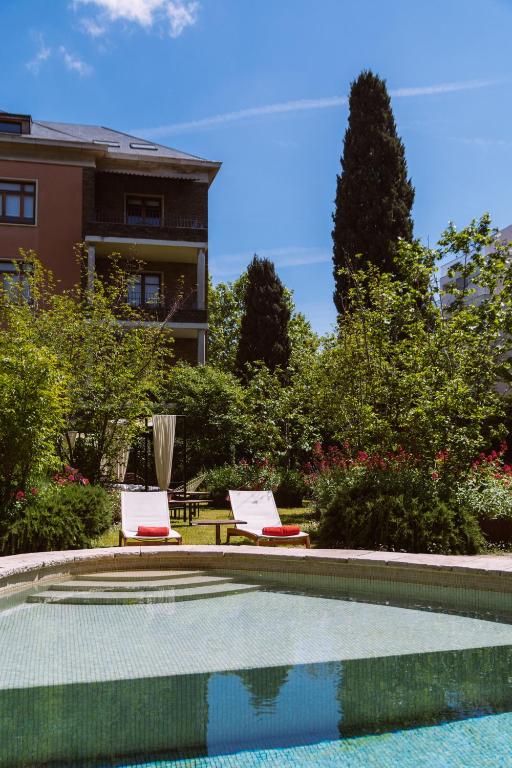
Primero Primera
A five-star hotel in Sarrià, the old village in the upper part of the city, with a garden, outdoor pool and gym; the FGC station is 250 m away. The breakfast buffet and parking, which must be reserved, are not included in the rate, and the beach is around 5 km away.
For city and sea in one trip, Sitges is around 40 minutes south by train.
Lloret de Mar
Lloret de Mar is the first major Costa Brava destination you reach from Barcelona. Beyond the seafront promenade, there’s an old town with the Modernist church of Sant Romà and Indianos’ houses, and five of its beaches were awarded Blue Flags in 2026. Read more in our guide to where to stay in Lloret de Mar and browse the places to stay in Lloret de Mar.
The bus station has direct connections to Girona Airport, making Lloret a good base without a car; farther south, Calella also has commuter trains. Here are three very different options:
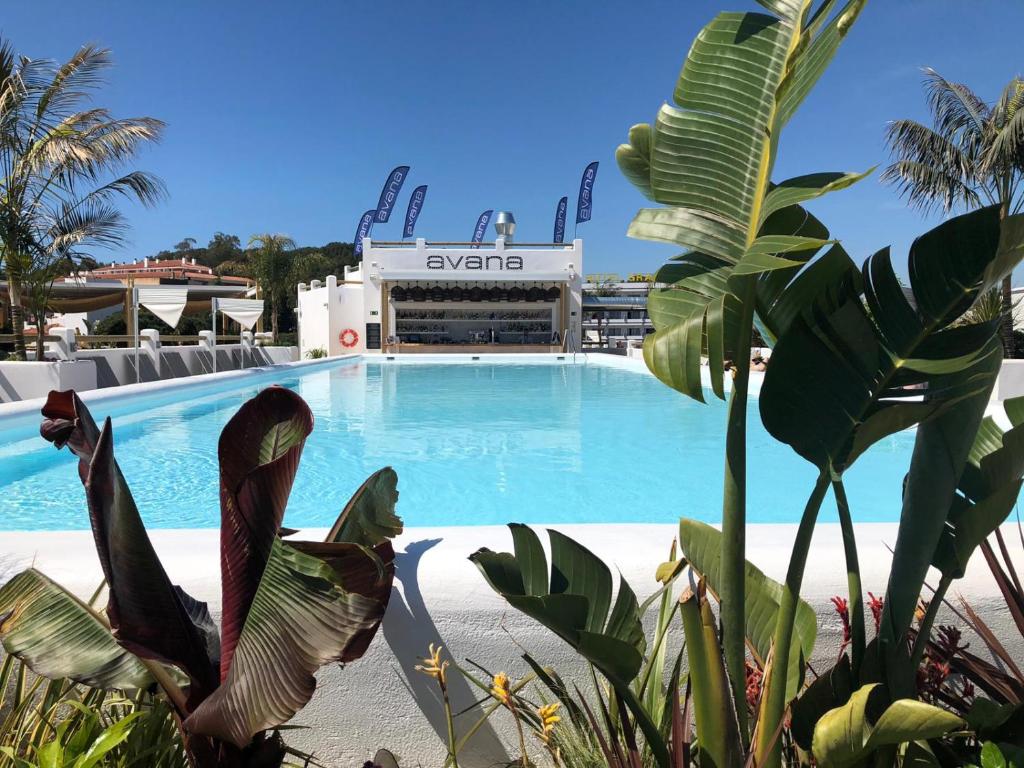
Delamar 4*Sup-Adults only (18+)
Lloret without stag parties, which aren’t allowed here: guests must be over 18. There’s an outdoor pool with a bar, a gym open day and night and Mediterranean cuisine. Sant Romà is 300 m away and the beach is half a kilometre away. There’s no parking.
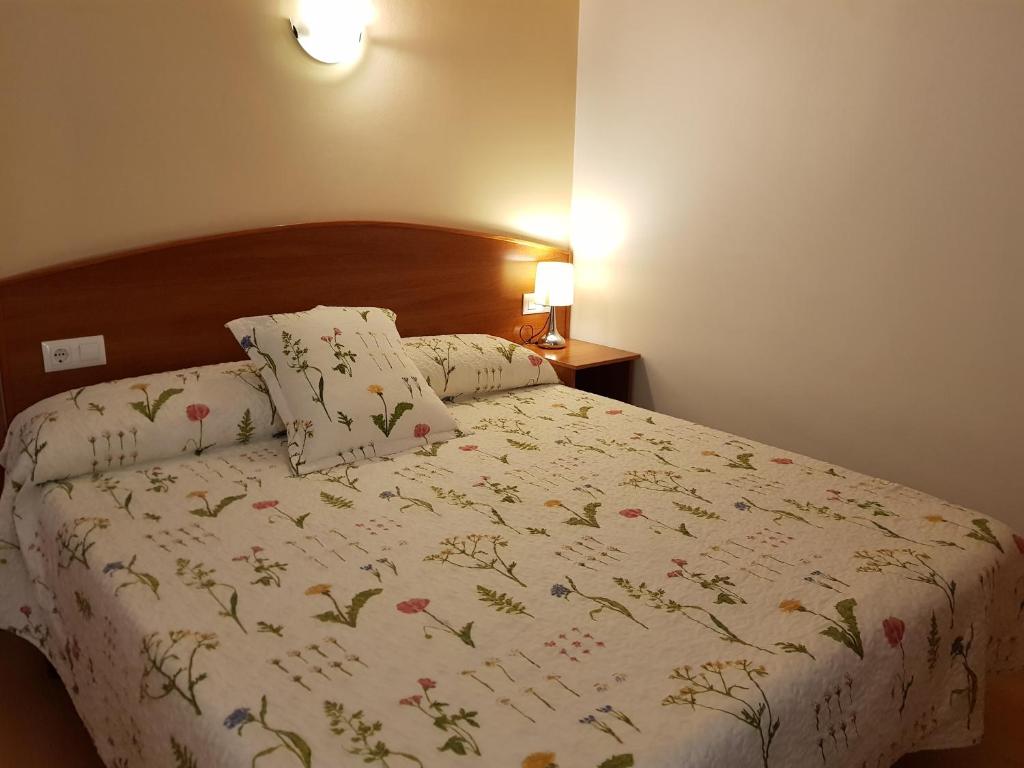
Hostal Mary - ADULTS ONLY 18 AND UP
A simple option if you arrive by bus: the station is 100 m away and the beach 400 m. Adults only, with air-conditioned single, double and triple rooms and free Wi-Fi. There’s no parking or kitchen, just a shared microwave, and the upper floors are only accessible by stairs.
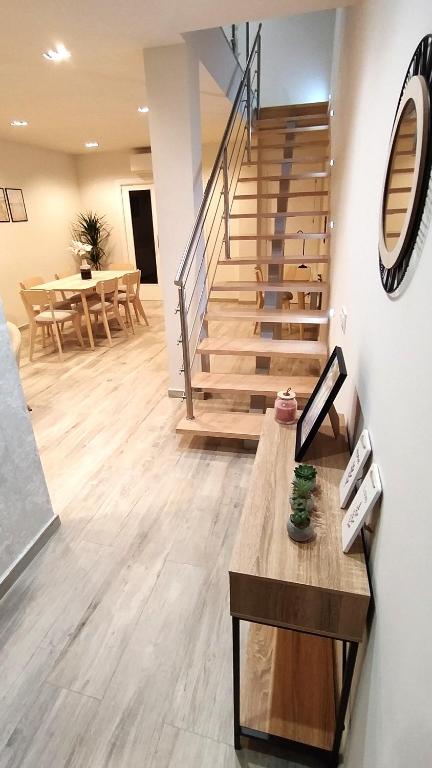
Bella Lucía
A home for six in the centre, 50 m from the beach, with three bedrooms, three bathrooms, a terrace and a well-equipped kitchen, ideal for families or friends who like to set their own pace. There’s no lift; quiet hours are from 23:00 to 08:00, and nearby parking costs extra.
Tossa de Mar
Around 12 km north, Tossa de Mar is on a smaller scale: a little town beneath Vila Vella, the only medieval walled enclosure preserved on the Catalan coast. There’s no train, and the road towards Sant Feliu de Guíxols winds past viewpoints over the coves. Find out more in our guide to where to stay in Tossa de Mar and browse the places to stay in Tossa de Mar.
Platja Gran and Mar Menuda were awarded Blue Flags in 2026, and almost everything is within walking distance. Our two picks are a short stroll from the beach:
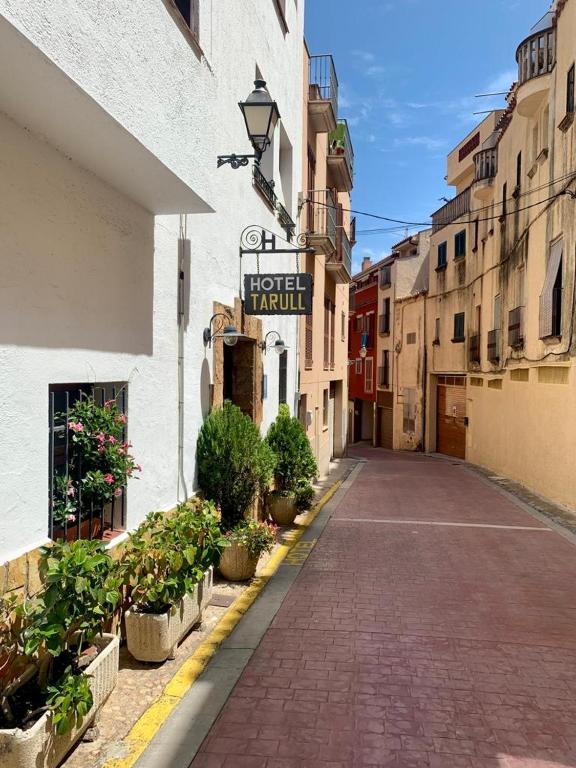
Tarull
An unfussy two-star hotel 250 m from Platja Gran, with a sun terrace overlooking the town. Air-conditioned double and triple rooms, free Wi-Fi and a 24-hour reception. Breakfast isn’t included, private parking costs extra, and groups of more than three will need to split up.
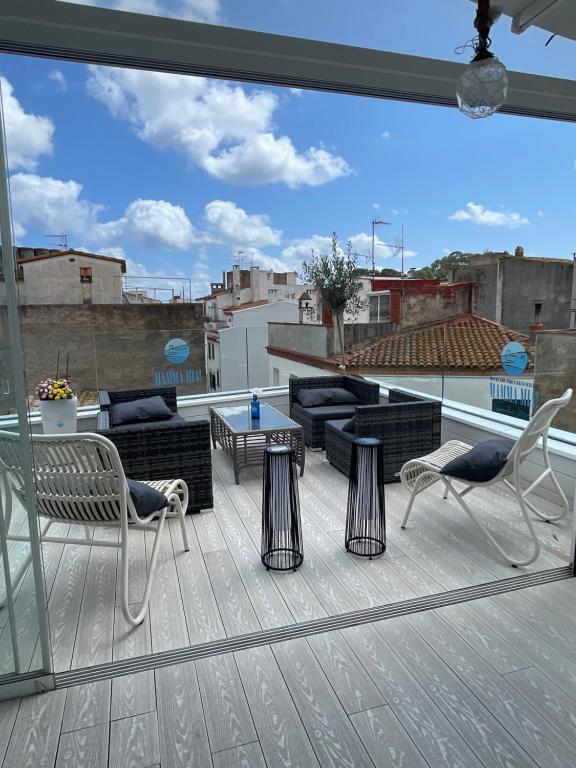
Mamma Mia Hotel Boutique - Only Adults
Adults only and 200 m from Platja Gran, with a rooftop pool for a change from the sea and rooms with balconies. Continental breakfast is served. If you’re driving, nearby parking costs extra and must be reserved.
Begur and the Baix Empordà
Begur looks out to sea from a hill crowned by its castle. The town still has the colonial houses of the Indianos who made their fortunes in Cuba, while Sa Riera, Aiguablava and Fornells open up below, tucked among the pines. Find all the details in our guide to where to stay in Begur and browse the places to stay in Begur.
Staying up in town means you can go out for dinner without taking the car, and in summer a local bus runs down to several coves. Our two picks are small places designed with couples in mind:
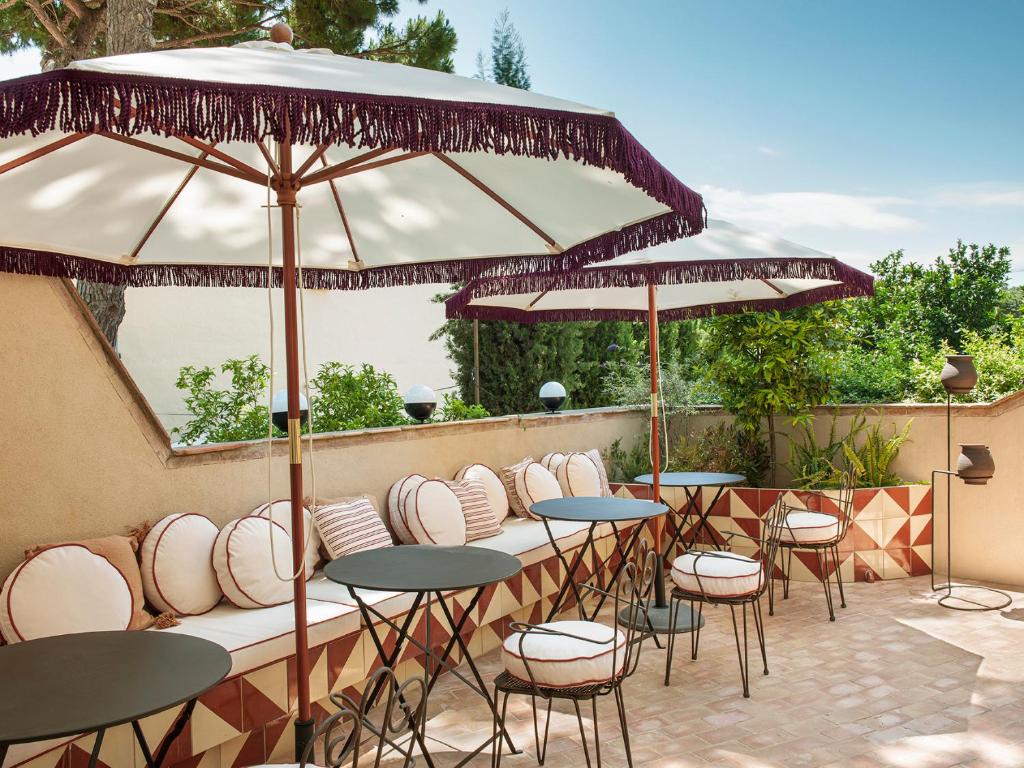
La Bionda Hotel - Adults Only
Adults only, 160 m from the town centre and close to the castle, with a garden, bar and shared lounge; the suites have terraces. Platja Fonda is 1.6 km away, and paid public parking is available.
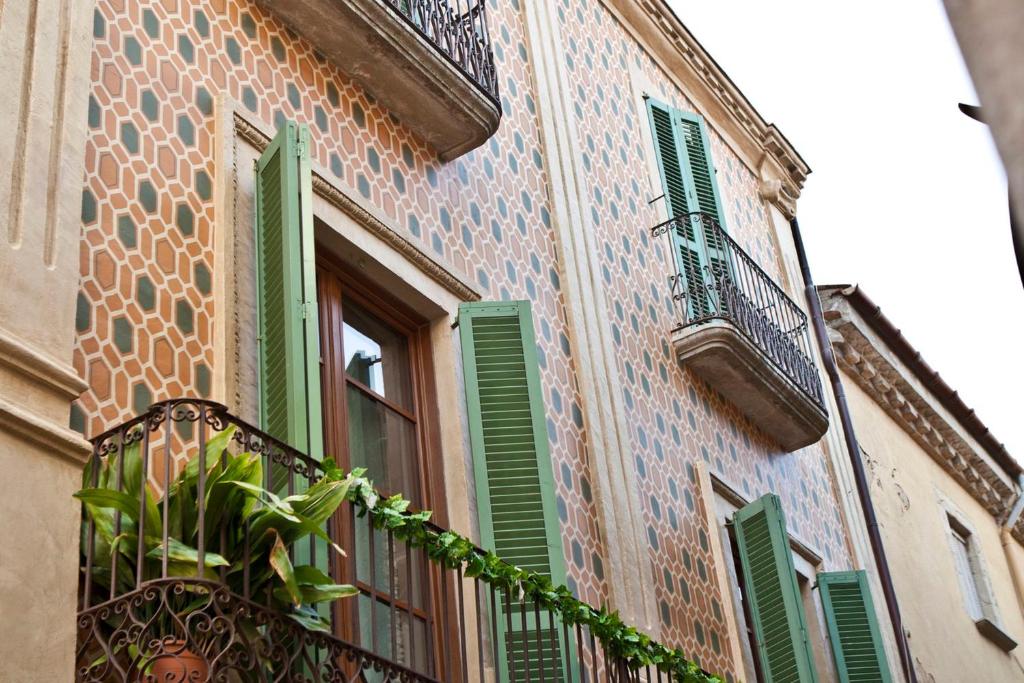
Hostalet dels Indians
A two-star hostal 50 m from the church of Sant Pere i Santa Reparada, with a garden, terrace and varied breakfasts. Its double rooms with balconies work well for anyone splitting their time between the town, coves and walks or bike rides. There’s no night reception, access is by stairs and private parking costs extra.
Nearby, Pals is a medieval village among the rice fields, while L'Escala is known for anchovies and the Greek and Roman ruins of Empúries; L'Estartit looks out towards the Medes Islands.
Roses and Cap de Creus
Roses sits at the northern end of its bay, where the Empordà plain meets the Cap de Creus mountain range. It has a fishing port, a Ciutadella with the remains of the Greek colony of Rhode and, in Cala Montjoi, the former elBulli, now a museum. We cover it in our guide to where to stay in Roses and list the places to stay in Roses.
On the other side of the nature reserve, Cadaqués retains its whitewashed village and Dalí’s house in Portlligat, which can only be visited with a reservation. In Roses, we’ve chosen two different styles:
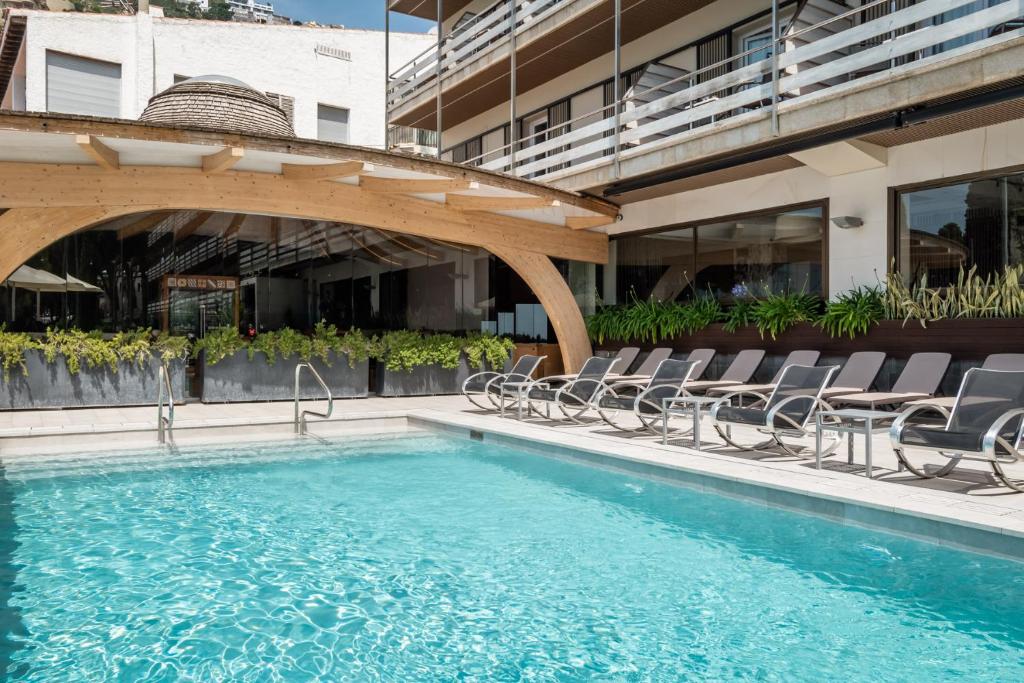
Canyelles Platja
A four-star hotel facing Cala de Canyelles Petites, with direct access to the beach. There’s a pool, gym, beach bar and rooms with terraces overlooking the Mediterranean, plus triple rooms for two adults and a child. Breakfast and parking, which can’t be reserved, cost extra.
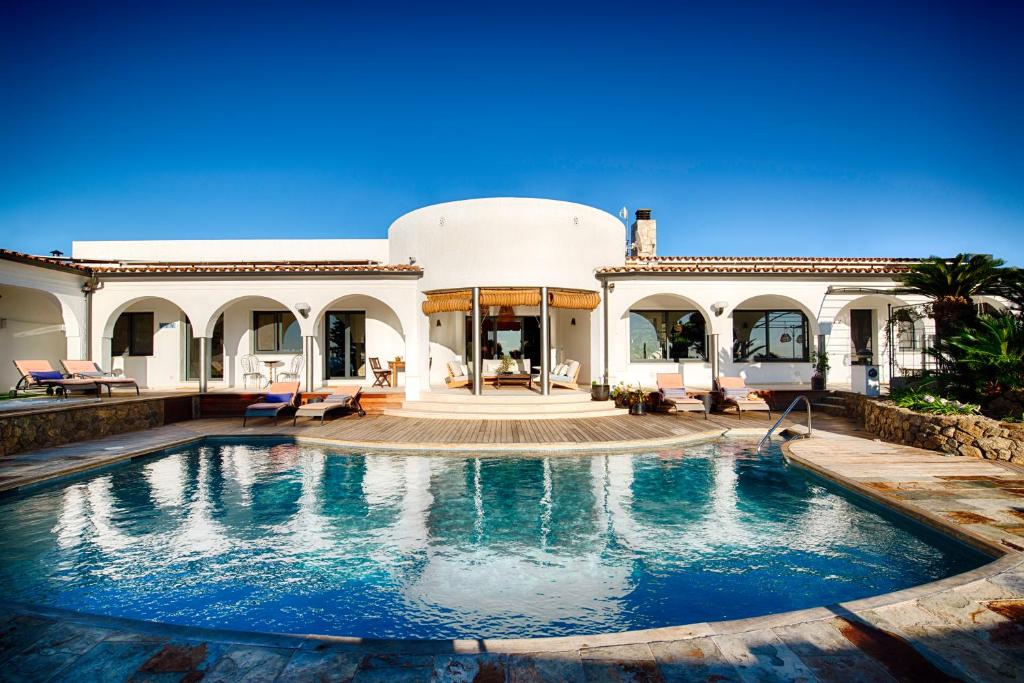
Casa de l’Albada
A bed & breakfast with a garden, hot tub and seasonal pool; the family room sleeps three. Breakfast includes vegan and gluten-free options, and parking is free and doesn’t need to be reserved. It’s around a 19-minute walk to Platja de la Punta, so consider driving.
Deltebre and the Ebro Delta
At the southern end of Catalonia, Deltebre follows the Ebro’s left bank to its mouth, within the Parc Natural del Delta de l'Ebre: rice fields that change colour with the seasons, lagoons with flamingos and dune-backed beaches. Riumar Beach was awarded a Blue Flag in 2026. Read more in our guide to where to stay in Deltebre and browse the places to stay in Deltebre.
Here, you’ll stay in houses and get around by car or bike. Every September, at the height of migration season, the delta hosts a birdwatching festival. For easy access to the sea, look at Riumar or L'Ampolla. Here are two homes we like:
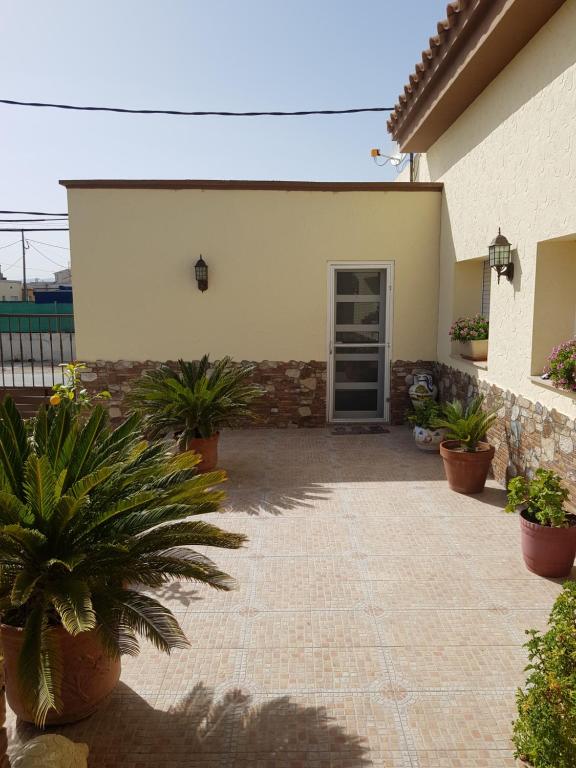
Casa Roseta
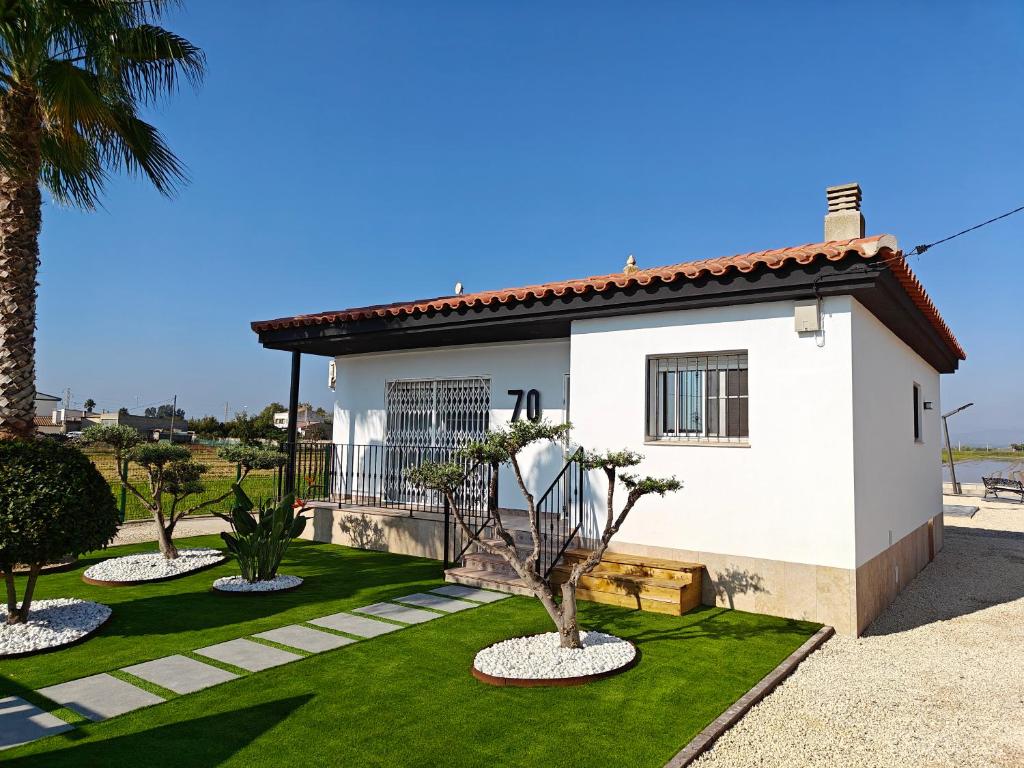
More like a home than a hostal: 50 m² with two bedrooms for four, a kitchen with an oven and dishwasher, and a terrace with a barbecue opening onto the garden. Free Wi-Fi and free public parking just a few steps away. A minimum two-night stay is required, and parties aren’t allowed.
La caseta del canal
A detached home for five with a private pool open in summer, a garden and a fully equipped kitchen. Free private parking and Wi-Fi throughout; the delta’s beaches are 6-8 km away. Check-in is from 15:00 to 21:00, and you need to let the property know your arrival time.
Other bases: Costa Daurada, Girona and the Pyrenees
Between Barcelona and the delta lies the Costa Daurada, with fine sand and shallow waters. Salou is all about PortAventura, Cambrils has a fishing port and is known for its rice dishes, and Tarragona adds a Roman amphitheatre overlooking the sea.
Inland, Girona is less than an hour from Barcelona by high-speed train, with a cathedral, Jewish Quarter and city walls; from 17 to 19 September 2027, it hosts Sea Otter Europe, a major cycling festival. In the Pyrenees, Vielha and Puigcerdà are good bases for skiing and hiking.
When to go
The coast gets busy in summer, with August the peak month; May and September offer the best balance. The cities are enjoyable year-round. On the night of Sant Joan, 23 June, bonfires and firecrackers light up Catalonia.
Getting there and getting around
Barcelona-El Prat Airport closed 2025 with a record 57.5 million passengers; Girona and Reus serve the Costa Brava and Costa Daurada. High-speed trains connect Barcelona with Girona and Figueres, and buses reach almost the entire coast; for Begur, Cap de Creus or the Ebro Delta, a car is your best bet.
Remember the tourist accommodation tax, which is collected by your accommodation: Law 2/2026 raised it on 1 April 2026, it will rise another step outside Barcelona on 1 April 2027, and local councils can add their own surcharge.
This is our general guide to Catalonia. For more specific advice, see our guides to Barcelona and the Costa Brava: Lloret de Mar, Tossa de Mar, Begur, L'Escala, Roses and Cadaqués. Farther south, there are Sitges, Salou, Cambrils and Deltebre; inland, Girona.
Frequently asked questions
Here are the questions we’re most often asked when people are planning a trip around Catalonia.
What is the best area to stay in Catalonia?
It depends on your trip. Barcelona is the most well-rounded base for a first visit, with museums, an urban beach and good transport. For coves, the Costa Brava ranges from the lively feel of Lloret de Mar to the quieter pace of Begur or Cadaqués. With children, Salou and Cambrils have fine sand and shallow waters. If you’re looking for nature and peace and quiet, the Ebro Delta and the Pyrenees are the quietest options.
Where should I stay in Catalonia on my first visit?
In Barcelona, between Ciutat Vella and the Eixample: from there, you can walk to the cathedral, El Born and Passeig de Gràcia, and it’s a short ride to the Sagrada Família. If you’d rather stay somewhere quiet, the upper neighbourhoods of Sarrià and Pedralbes have good FGC connections. If you have a week, add two or three nights on the Costa Brava, in Tossa de Mar or Begur.
Do you need a car to get around Catalonia?
Not in Barcelona: the metro, buses and FGC reach everywhere, and parking is expensive. Lloret and Tossa have frequent buses in summer, while Girona and Figueres are reachable by high-speed train. A car, however, saves a lot of time when exploring the coves around Begur, Cap de Creus or the Ebro Delta. Parking in old town centres is usually paid.
Which part of the Costa Brava is best to stay in?
The south, with Lloret de Mar and Tossa de Mar, is easiest to explore without a car and has the widest choice of places to stay. The Baix Empordà, with Begur, Pals and L'Escala, is quieter, with pine-fringed coves and stone villages. The north, with Roses and Cadaqués, brings together a bay, rocky coastline and the Cap de Creus Natural Park. We usually recommend Begur for couples and Roses or Lloret for families.
When is the best time to visit Catalonia?
May, June and September are the best months for the coast: the sea is warm, there are fewer people and places to stay are open. Barcelona and Girona are enjoyable year-round, and the Pyrenees have two seasons: skiing and hiking. Many places to stay on the Costa Brava and in the delta close in midwinter; book well ahead for August.