Español
 English
 Français
 Deutsch
 Italiano
 Nederlands
 Português
 日本語
 中文
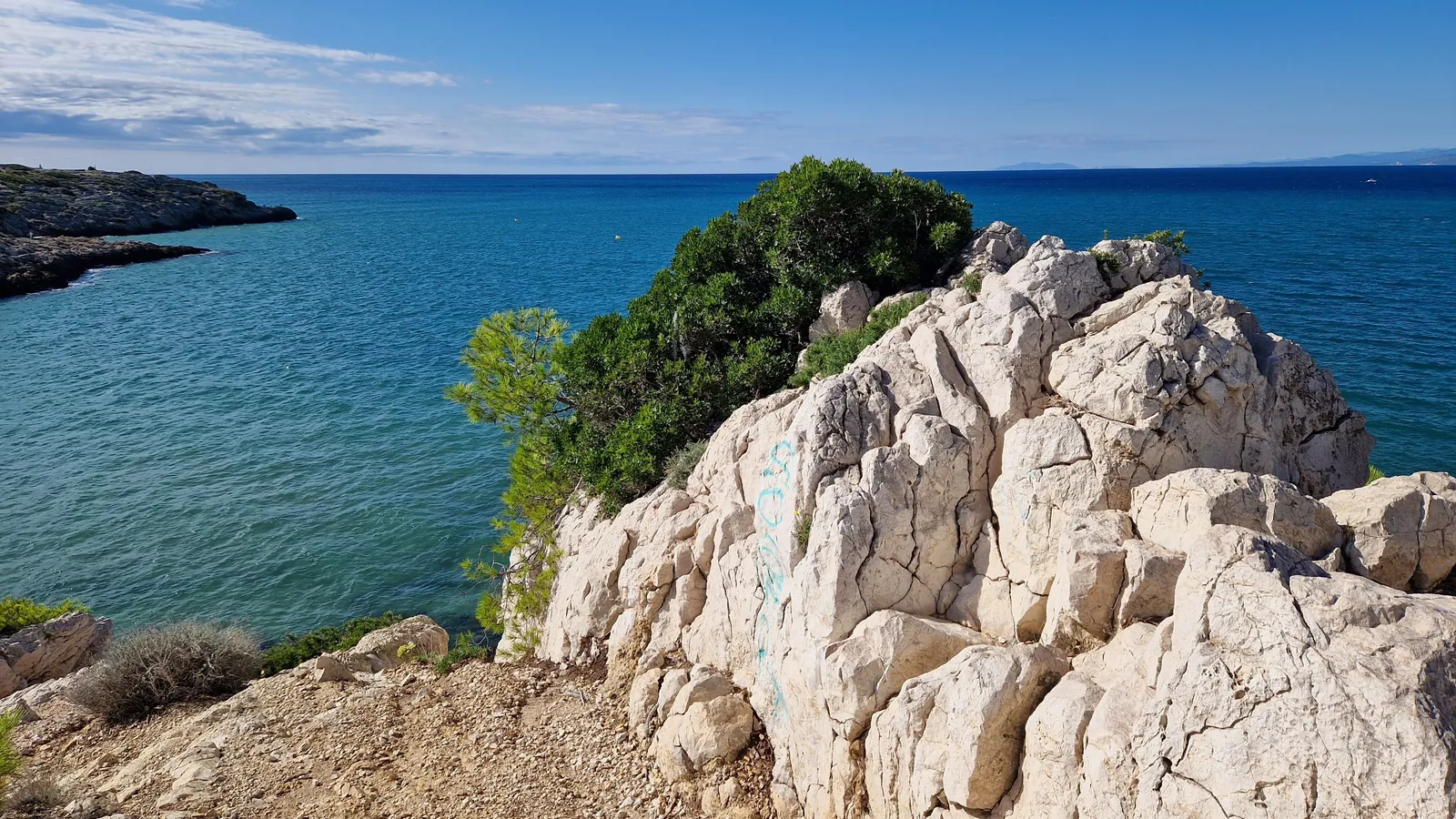
Salou is the Costa Daurada’s holiday capital: a bay of fine sand, a palm-lined promenade and the PortAventura World complex just a stone’s throw away. Beyond its summer-resort image, there’s also a headland of coves and pine trees to explore on foot.
Knowing where to stay in Salou depends above all on who you’re travelling with. Here are the areas and places to stay that we hand-pick one by one, with a strong focus on villas and homes for groups and families.
How to choose an area
Salou is compact, but each part has its own pace. These are the four areas worth knowing:
- Centre and Platja de Llevant: the Jaume I promenade, shops and restaurants. Everything is within walking distance, with the usual summer-night noise.
- Platja de Ponent: west of the marina, a wide, family-friendly beach that’s a little quieter than Llevant.
- Cap de Salou: coves such as Cala Crancs, Platja Llarga and Cala Penya Tallada, plus pine woods and villa neighbourhoods. It’s quieter, but the hills and distances make a car useful.
- Residential area towards PortAventura and the golf course: homes with gardens and pools, ideal if the parks are the main focus of your trip.
If it’s your first visit and you don’t want to rely on a car, the centre and Ponent are safe bets. If you’re travelling in a group or with young children, a villa with a pool in Cap de Salou or the residential area gives you much more space.
Where to stay in Salou: the homes and villas we’ve picked
We’ll start in the centre, so you can stroll to the beach in flip-flops and head out for dinner without a car.
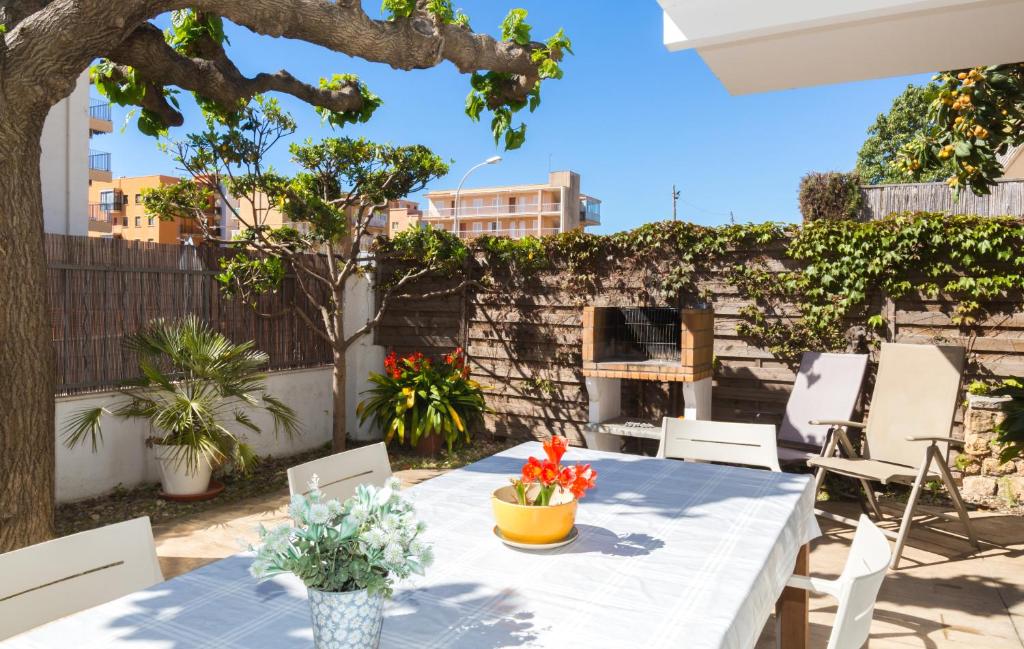
Villa Paula Trinidad
A three-bedroom home for six people right in the centre, with a garden, terrace and kitchen-diner; Platja de Ponent is a two-minute walk away. It’s perfect if you want to leave the car behind—which is just as well, as there’s no private parking. A cash deposit is required on arrival.
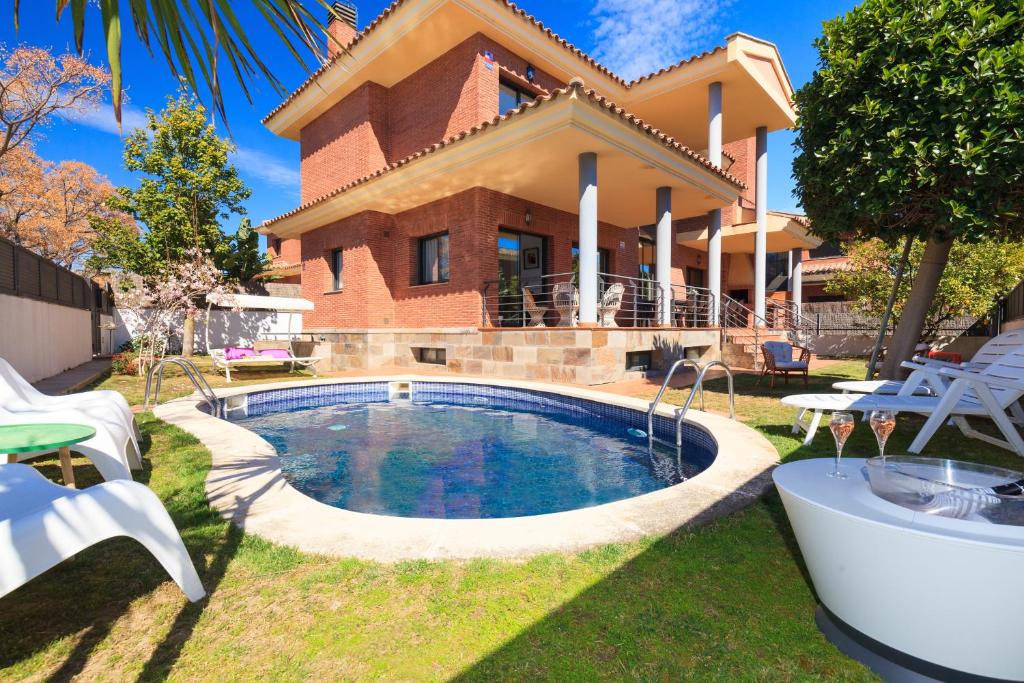
VILLA WINE EXPERIENCE Salou Center - SPA & Wine
Designed for large groups: five bedrooms, space for 18 people and a spa area with a sauna and hot tub beside the seasonal private pool. There’s free parking, and Platja de Ponent is less than a kilometre away. The upper floors are accessible only by stairs, and a damage deposit is required.
If coves and pine woods are more your thing, Cap de Salou is the quieter side of the resort.
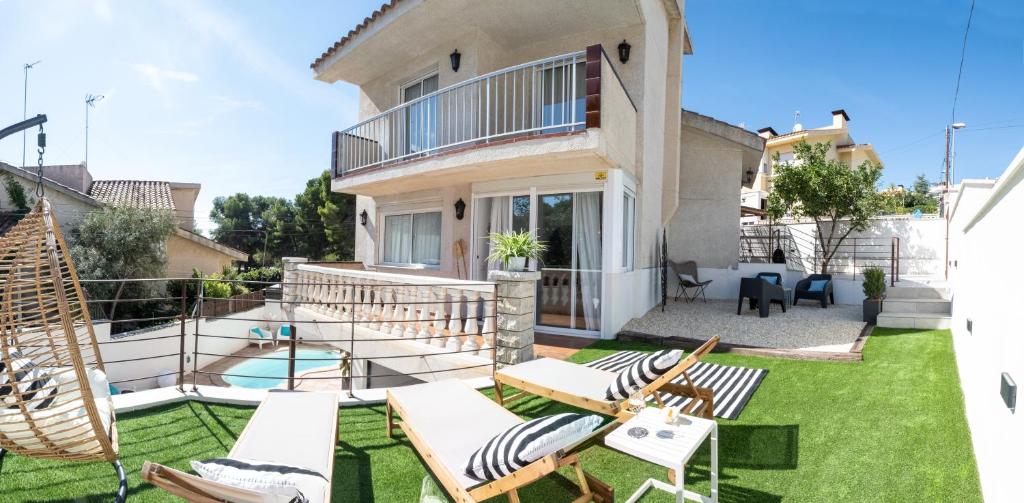
VILLA WINE & BEACH Design and Luxury in Cala Crancs
A designer villa 150 m from Cala Crancs, with a private pool, sea views and four bedrooms with four bathrooms, sleeping up to eleven people. The fully equipped kitchen makes it easy to alternate between meals at home and nights out. Parties are not allowed, and there are quiet hours at night.
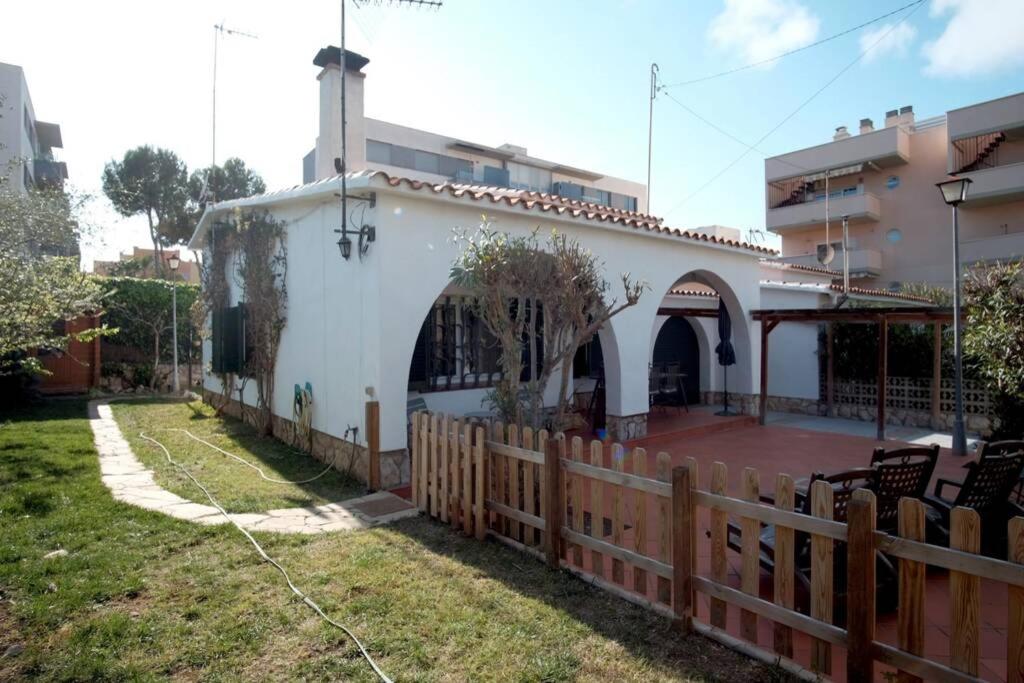
La Casa del Bosc, playa y golf - Salou
A three-bedroom, two-bathroom home with a high chair for little ones, a seasonal pool, garden and terrace. Ideal if you play golf: the Hills Course is 770 m away, and Cala Penya Tallada is just over a kilometre away. Pets are accepted on request, and quiet hours start at 10 pm.
Finally, two villas in the residential area, a short drive from PortAventura.
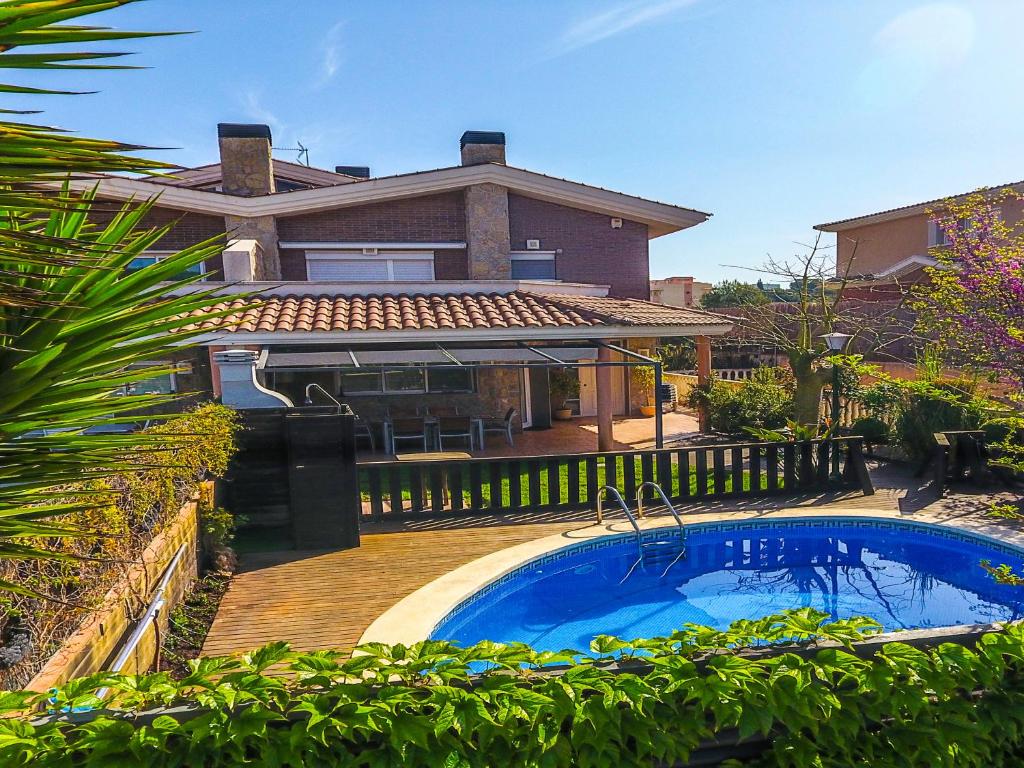
Alojamiento Villa Moles
Five bedrooms for nine people, a seasonal private pool, garden and terrace: a good base for families splitting their time between the beach and the parks, with PortAventura about 3 km away. Pets are allowed, although a surcharge may apply. Public parking is free but cannot be reserved.
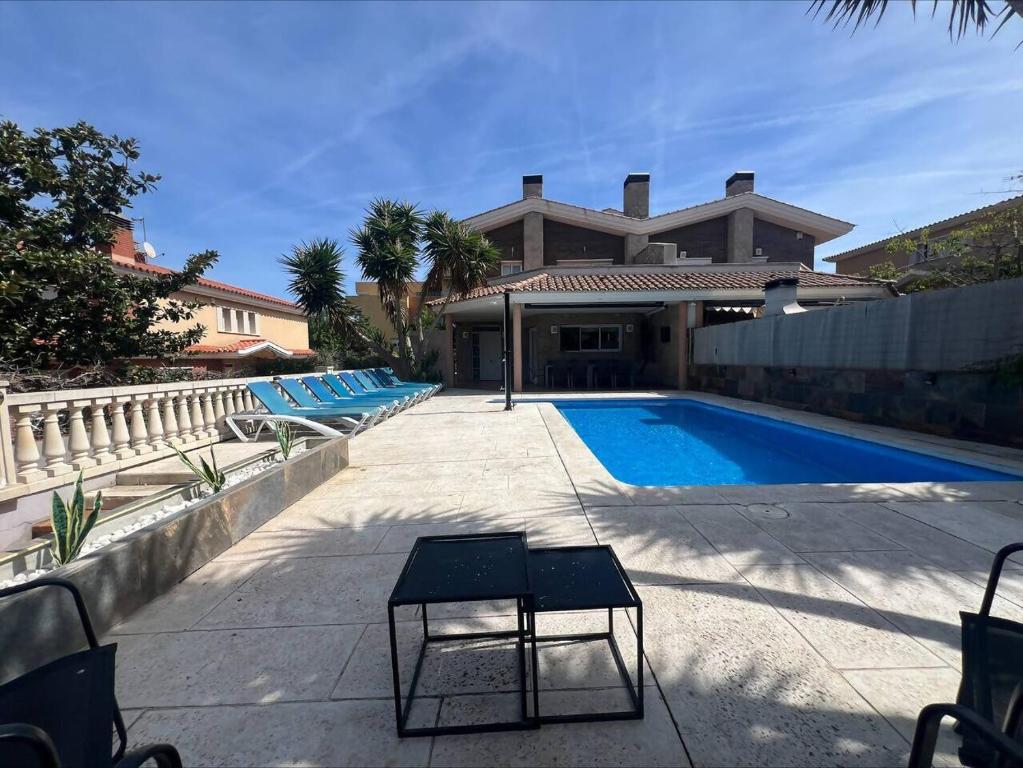
Villa Castelló Salou (cerca Port Aventura)
Almost 300 m² with four bedrooms, three bathrooms, a private pool and garden, just over half a kilometre from the beach. The fully equipped kitchen makes staying in for a meal appealing, and pets are allowed. Bear in mind that there are stairs between floors and parties and hen or stag parties are not permitted.
If you’d rather stay in a hotel, you’ll also find beachside and adults-only options among these places to stay in Salou.
What to see and do in Salou
The city’s main thoroughfare is the Jaume I promenade, a reminder that the king’s fleet set sail from this coast in 1229 to conquer Mallorca. The Font Lluminosa, Masia Catalana and Torre Vella, dating from the 16th century, are on and around the promenade.
To the east, the Camí de Ronda follows the coast around Cap de Salou, passing coves, early 20th-century villas and the lighthouse. Then there are the parks: in summer 2026, PortAventura Park opened Makamanu Jungle, an adventure trail with suspension bridges in Polynesia, while Caribe Aquatic Park added Coral Bay, a 6,000 m² family area. Ferrari Land completes the complex.
When to visit Salou
July and August are peak season: there’s something happening at all hours, the beaches are crowded and prices are higher. June and September bring warm seas and more room to spread out, and lifeguards are on duty at Ponent and Capellans from March to October.
Salou slows down in winter, except for the Cós Blanc, the main event of the Festa Major d'Hivern: floats, music and tonnes of confetti along the Jaume I promenade between late January and early February.
How to get there and get around
Reus Airport is only a few kilometres away, with flights mainly in season, while Barcelona Airport is just over an hour away via the AP-7. By train, you can reach Salou-PortAventura station, beside the complex and some distance from the centre, so you’ll need a bus or taxi for the last stretch.
Work on the TramCamp, a tram linking Cambrils, Salou and Vila-seca, is advancing along the route of the former railway that crossed the city; it is expected to make its first journeys in late 2029. For now, a car is useful for getting to Cap de Salou and the golf course.
Salou is included in our guide to where to stay in Catalonia. To continue along the coast, see where to stay in Cambrils, the neighbouring fishing town, or where to stay in Deltebre, in the Ebro Delta; if you’re combining beach and city, see where to stay in Barcelona.
Frequently asked questions
Common questions before a trip to Salou.
What is the best area to stay in Salou?
It depends on your trip. The centre and Platja de Llevant are ideal if you want to get around on foot, with the Jaume I promenade and restaurants right on your doorstep. Ponent, west of the marina, is more family-friendly and peaceful. Cap de Salou, with its coves and pine woods, suits anyone looking for peace and a villa with a pool, although a car is almost essential there.
Is it worth staying in Salou for PortAventura?
Yes. PortAventura World is between Salou and Vila-seca, about 3 km from the centre, so you can spend the day at the parks and come back for dinner by the sea. If you’re visiting with your family for several days, a villa with a pool gives you somewhere to rest between outings. Since summer 2026, the complex has also included Makamanu Jungle and Coral Bay, two new attractions designed with children in mind.
How do you get to Salou without a car?
Take the train to Salou-PortAventura station, beside the park complex and some distance from the centre; buses and taxis are available from there. Reus Airport is very close, with flights mainly in season, while Barcelona Airport is just over an hour away. The centre, Llevant and Ponent are easy to explore on foot; a car is useful for Cap de Salou or the golf course.
When is the best time to visit Salou?
For many people, June and September are the best months: the sea is warm, there’s more room on the sand and the atmosphere is more relaxed than in July and August. Lifeguards are on duty at Ponent and Capellans from March to October. The city is quiet in winter, except during the Cós Blanc, the big confetti festival, between late January and early February.
Is Salou a good choice for large groups?
Absolutely—it’s one of Salou’s strong points. As well as hotels, there are entire villas with four or five bedrooms, private pools and fully equipped kitchens, some sleeping more than ten people. They’re ideal for family get-togethers or groups of friends. Just check the rules before booking: many require a deposit on arrival, have quiet hours and prohibit parties and hen or stag parties.