Español
 English
 Français
 Deutsch
 Italiano
 Nederlands
 Português
 日本語
 中文
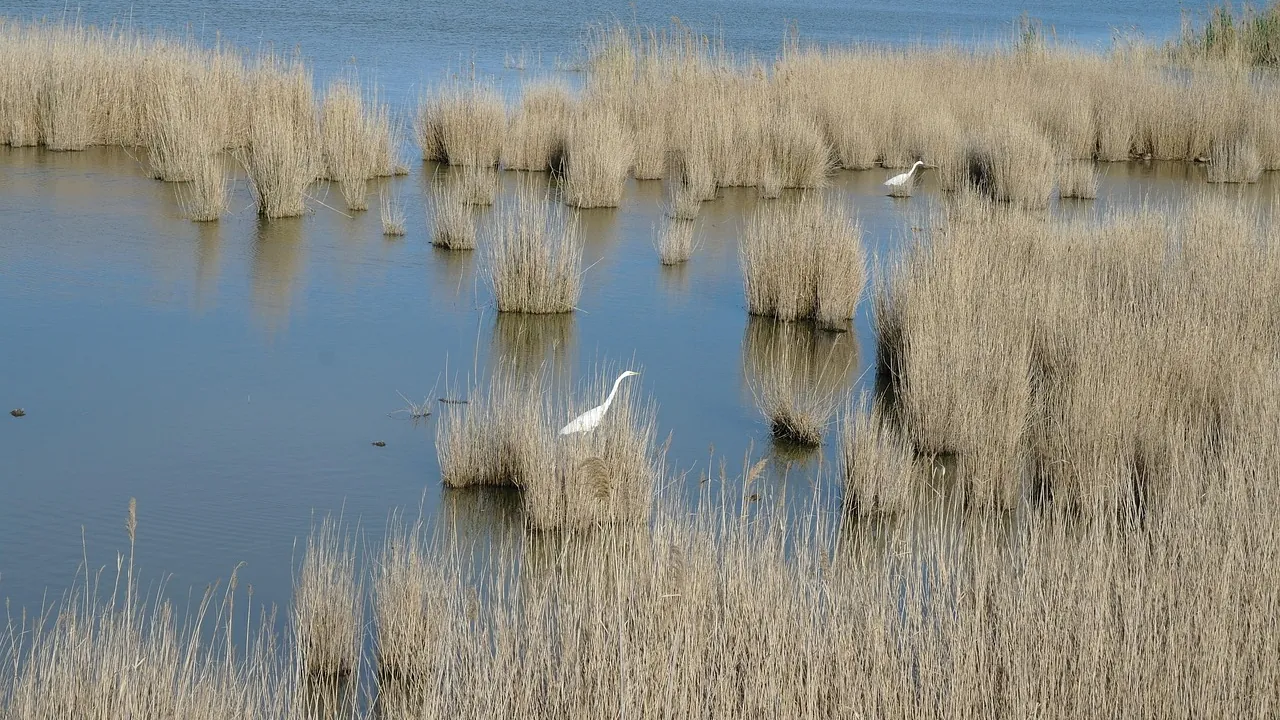
Deltebre is the heart of the Ebro Delta: a flat municipality surrounded by rice fields and canals, stretching along the river’s left bank to its mouth in the Mediterranean. Much of the area lies within the Parc Natural del Delta de l'Ebre, one of the Mediterranean’s major wetlands.
There are no large hotels here, just holiday homes with pools, family-run guesthouses and the occasional farmhouse. Choosing where to stay in Deltebre is mostly a matter of deciding between the village, Riumar beach or the open countryside. We explain the differences and suggest accommodation that we hand-pick one by one.
How to choose an area
The municipality was formed in 1977 by the union of two riverside villages, La Cava and Jesús i Maria, and stretches to the beach along a road that follows the river.
- Deltebre village: La Cava and Jesús i Maria, with shops, rice restaurants, the natural park’s Ecomuseu and a riverside walk along the Ebro.
- Riumar: the resort area at the river mouth, about ten kilometres downstream, with a beach, dunes and boat trips. Lively in summer and almost deserted in winter.
- Among the rice fields: houses and farmhouses tucked between canals, with more peace and open skies. A car or bike is essential.
For a quick decision: choose the village if you want amenities within walking distance, Riumar if you’re travelling with children and want a beach, and the fields if you’re interested in watching birds at sunrise.
Where to stay in Deltebre: our picks
Six homes for couples, families or larger groups, nearly all with a private pool and parking. You’ll find the rest of the options on our accommodation in Deltebre page.
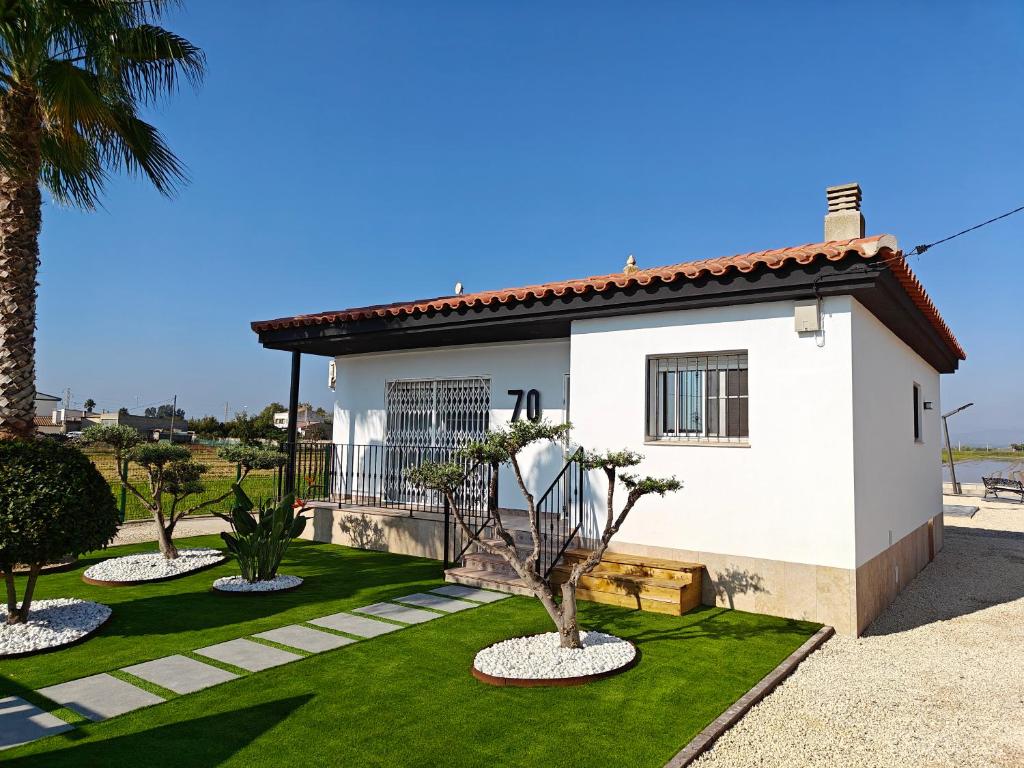
La caseta del canal
A detached house for up to five people, with a garden, terrace and private pool open in summer. The kitchen has an oven, dishwasher and microwave, and you can leave the car in the house’s parking area. Check-in is between 15:00 and 21:00, and parties are not allowed.
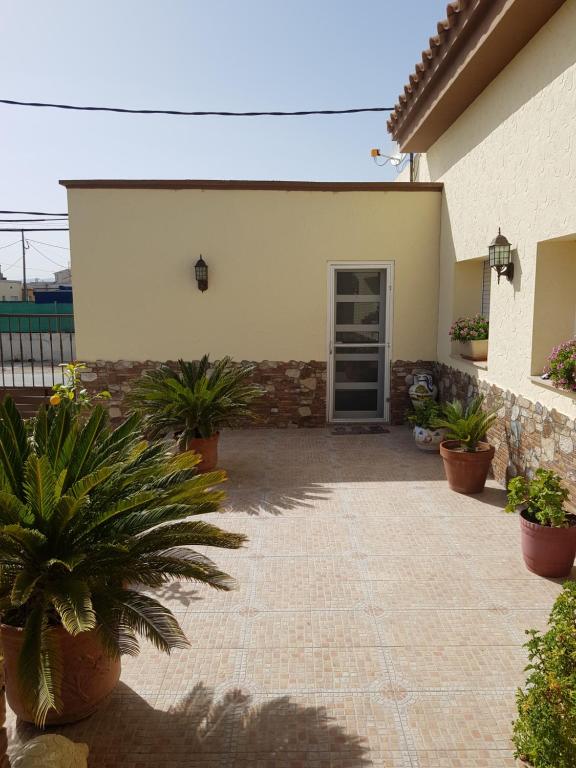
Casa Roseta
This 50 m² home has two bedrooms and is designed for four people who want to cook and dine outdoors on the terrace, which has a barbecue and overlooks the garden. It has air conditioning and Wi-Fi. The minimum stay is two nights, and parking is available on a nearby public street.
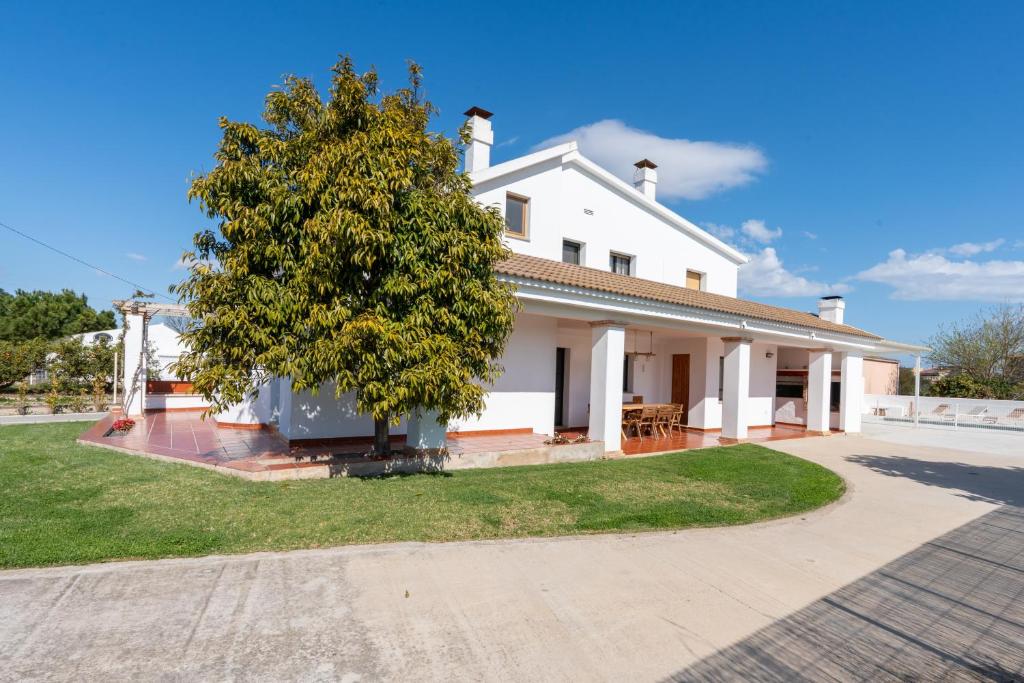
Lo Ribé - Casa gran amb Piscina a la vora del riu Ebre
Right by the Ebro, with river views from the terrace, four bedrooms and two bathrooms for groups of up to nine. The outdoor pool, barbecue and private parking make this a home where you can spend the whole day without going anywhere. The upper floors are only accessible by stairs, and pets are allowed on request.
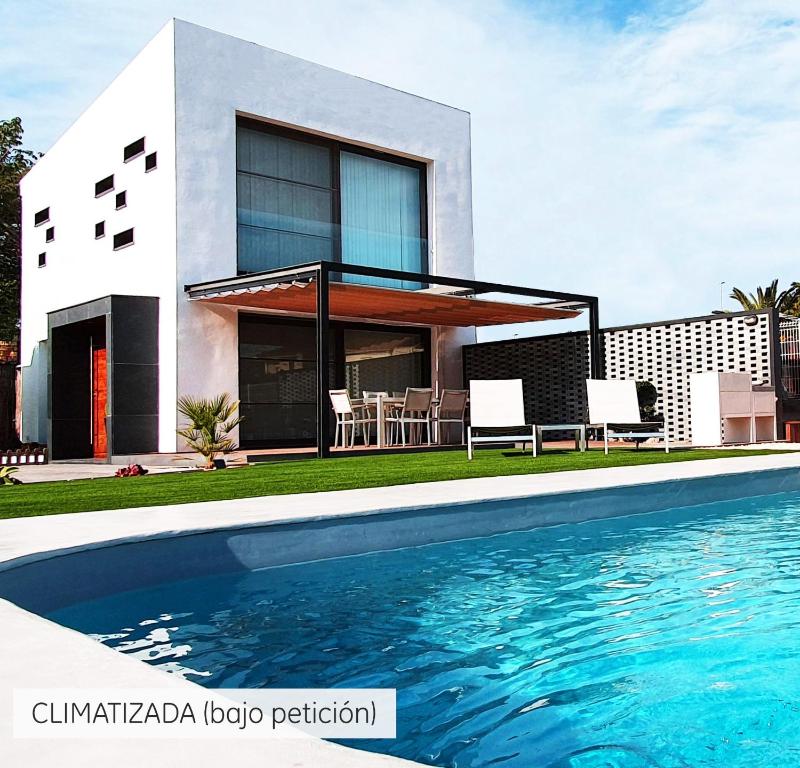
Villa Rufol
Its best feature is the free bikes: the delta is flat and a joy to explore by cycling along the canals. It has a private pool, garden, washing machine and free parking. Pets are allowed on request, possibly for an extra charge, and stairs lead up to the bedrooms.
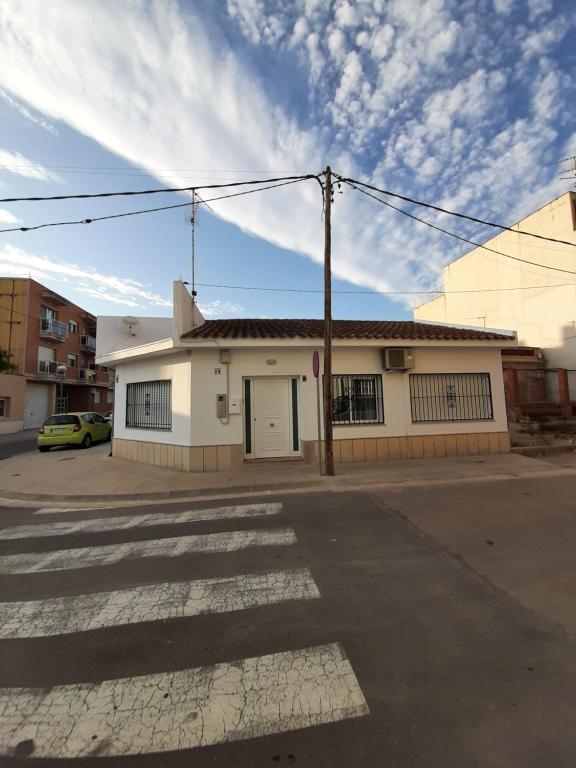
Casa Les Buganvilles
A great choice for families: three bedrooms for five people, a high chair for little ones, a patio, barbecue and seasonal private pool. The kitchen is fully equipped and there’s private parking. Keep an eye on the check-in time, as check-in ends at 18:00.
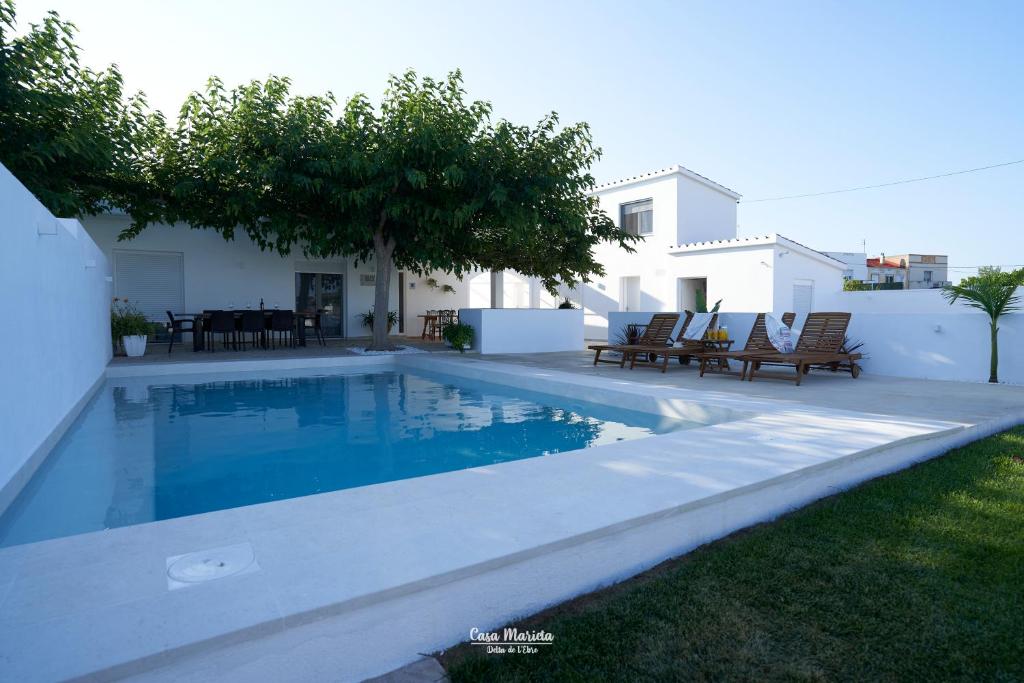
Casa Marieta B - Piscina privada - Ideal para grupos
The largest home in our selection: four bedrooms and three bathrooms for up to eleven people, ideal for family or friend gatherings. It has a seasonal pool, a terrace with outdoor furniture and a barbecue. Hen and stag parties and other parties are not allowed, and check-in is between 16:00 and 22:00.
What to see in Deltebre and the delta
The scenery is the main attraction. The rice fields change colour with the seasons: water mirrors in spring, vivid green in summer and golden hues before the harvest. You can spot flamingos, herons and hundreds of bird species in the lagoons and on the beaches; El Garxal, near Riumar, and the Fangar are good places for birdwatching.
In the village, the natural park’s Ecomuseu explains the delta’s traditional way of life, while the riverside walk leads to Lo Passador bridge, opened in 2010, which connects Deltebre with Sant Jaume d'Enveja. Boats depart from the village and Riumar and travel down to the river mouth, beside Buda Island, the largest island in Catalonia.
Local favourites include rice dishes with protected designation of origin status, mussels from the bays and duck. If you’d prefer a coastal town, L'Ampolla is very close by.
When to visit Deltebre
Spring and autumn are the best seasons for walks and birdwatching in mild temperatures. Every September, the Delta Birding Festival brings together birdwatching enthusiasts for talks, workshops and guided outings. Around the middle of the month, the Festa de la Sega, at the Bombita estate, recreates the rice harvest by hand with a sickle, along with traditional threshing.
Summer is beach season and the liveliest time of year. From June to September, the town’s calendar features more than a hundred activities, including food events celebrating mussels and rice, markets in Riumar and kayaking trips; the main local festivities take place in August. Bring insect repellent: mosquitoes are out on hot evenings.
Getting there and getting around
Deltebre is about two hours by car from Barcelona and Valencia, taking the AP-7 exit at L'Aldea. The nearest train station is L'Aldea-Amposta-Tortosa, and the closest airport is Reus. There are regional buses to Amposta and Tortosa, although services are limited.
Once you’re here, a car is almost essential for reaching the beaches and lagoons, while a bike is the best way to explore the paths through the rice fields, without a single hill.
Deltebre is part of our guide to where to stay in Catalonia. If you’d like to combine the delta with the Costa Daurada, see where to stay in Cambrils and where to stay in Salou; for a few days in the city, read where to stay in Barcelona.
Frequently asked questions
Answers to the questions that come up most often when planning a trip to the Ebro Delta.
Is it better to stay in Deltebre or Riumar?
It depends on your plans. Deltebre village has shops, restaurants and year-round amenities, and its homes with pools are just a few minutes’ drive from the beaches. Riumar, at the mouth of the Ebro, is the choice if you want to walk to the sand and take a boat trip to Buda Island, but outside summer it’s very quiet, with few services open. For families looking for space and a private pool, the village and the rice fields are usually a better fit.
Can you visit the Ebro Delta without a car?
It’s possible, but difficult: the nearest station is L'Aldea-Amposta-Tortosa, and regional buses run infrequently. Once in Deltebre, a bike works well for short trips, as the terrain is completely flat and there are paths through the rice fields. To reach Riumar, the Fangar or the southern lagoons, a car will save you a lot of time and waiting.
What’s the best time to visit the Ebro Delta?
Spring and autumn are ideal for birdwatching and cycling in cooler weather. In September, the rice harvest coincides with the Festa de la Sega at the Bombita estate and the Delta Birding Festival, which offers guided outings and workshops. Summer is beach season, with a packed town calendar from June to September and main local festivities in August. Winter is quieter, but the lagoons attract thousands of overwintering birds.
What beaches are near Deltebre?
The closest are Riumar beach, beside the river mouth, and nearby Bassa d'Arena beach; both are wide, with shallow water. To the north, the Fangar Peninsula has dunes and a very wild beach. Most homes in the village are between six and eight kilometres from the sea, so it’s worth having a car or bike. These are natural beaches, with few facilities outside Riumar.
Are there homes for large groups in Deltebre?
Yes. Casa Marieta B sleeps up to eleven people in four bedrooms with three bathrooms, while Lo Ribé, beside the Ebro, sleeps up to nine. Both have a pool, barbecue and free private parking, making them good options for family or friend gatherings. That said, parties and hen and stag parties are prohibited in almost all the homes we’ve chosen, and it’s best to respect the check-in time.