Español
 English
 Français
 Deutsch
 Italiano
 Nederlands
 Português
 日本語
 中文
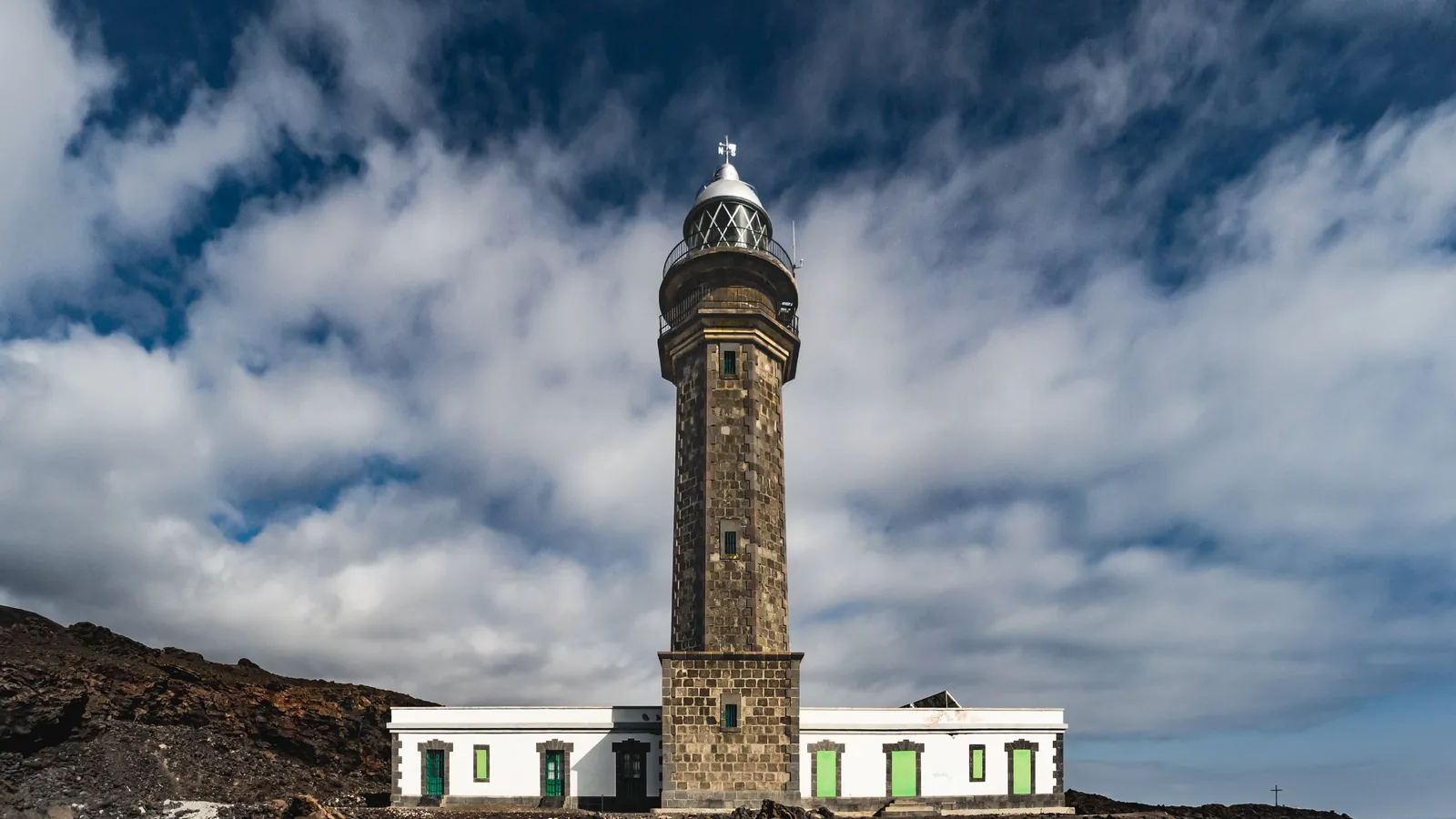
El Hierro is the smallest and westernmost of the seven main Canary Islands, and the one least changed by tourism: villages, rural houses and hotels with just a few rooms. It has been a Biosphere Reserve since 2000 and a UNESCO Global Geopark since 2014.
Deciding where to stay in El Hierro means deciding which coast you want to be near at the end of the day. Here are the two areas that work best, with places to stay that we pick one by one; you can find the rest of the options on our El Hierro page.
How to choose an area in El Hierro
Distances are short, but the roads climb from the coast to the summit and back down, so it’s worth staying near what interests you most:
- El Golfo (La Frontera): the vast valley in the northwest, with Tigaday, Las Puntas and Sabinosa; a mild climate and many of the island’s places to stay.
- El Pinar and La Restinga: the south, between the pine forest and the fishing harbour; the go-to base for divers.
- Valverde and the north: the capital, close to the airport and port; handy for short stays, though cooler.
For a first short trip, El Golfo is the most balanced base; if your plans revolve around diving or the southern sunshine, El Pinar saves you a lot of winding-road driving.
La Frontera and El Golfo
El Golfo is a natural amphitheatre formed by a huge landslide: cliffs more than a thousand metres high tower over a strip of banana plantations, vineyards and villages. The natural pools of La Maceta and Charco Azul are here, while Tigaday, the main centre of La Frontera, has the everyday essentials.
Staying here means sunsets over the sea and pleasant temperatures even in winter, with the Guinea Lizard Centre, where the El Hierro giant lizard is bred, close by. The Los Roquillos tunnel shortens the drive to Valverde. Here are our two recommendations.
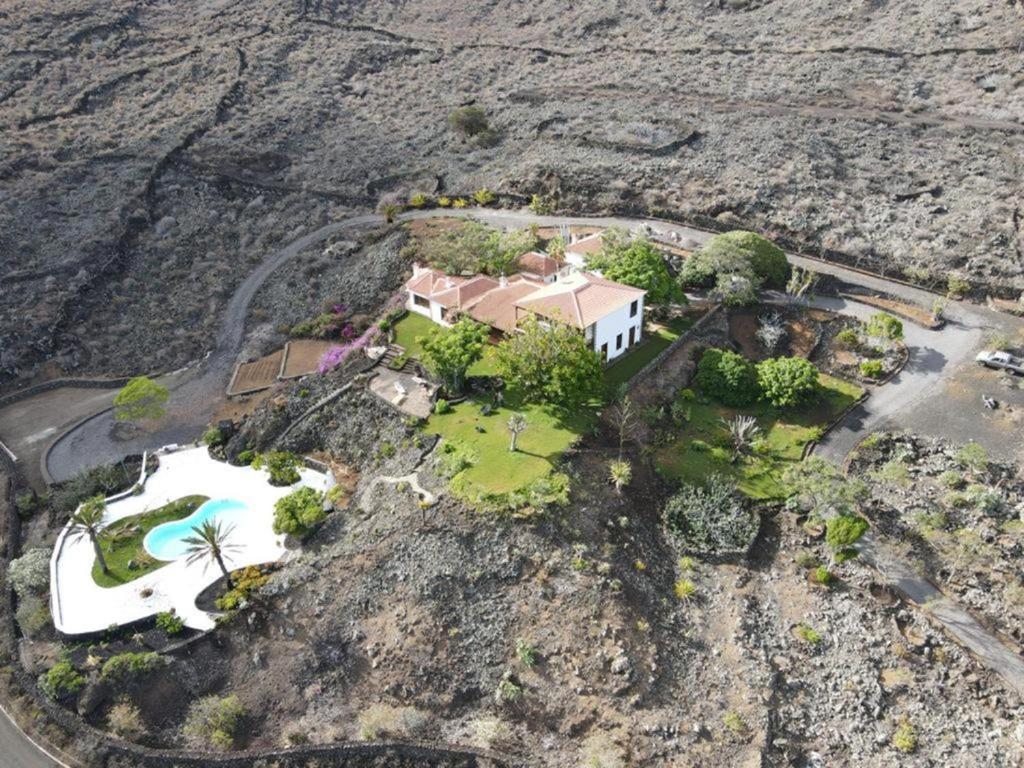
La Rayuela Suites Boutique
Spacious suites with a sea-facing terrace or balcony, a garden and a swimming pool: a place to stay for several days and set out each morning for a walk or snorkelling around El Golfo. Private parking and airport transfers are free, and the suites sleep up to four. Check-in ends at 20:00 and breakfast costs extra.
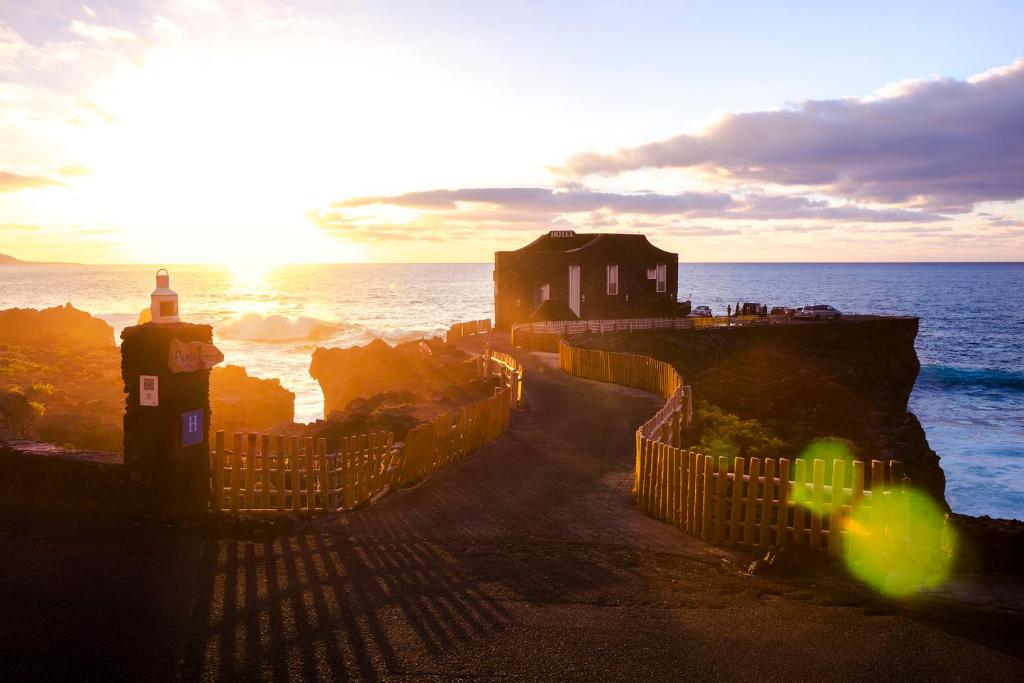
Hotel Puntagrande
A small adults-only hotel perched above the volcanic rocks of Las Puntas, with a naval museum, a panoramic terrace and sea views from every room. With the Roques de Salmor just steps away, it’s a good fit for couples looking to fall asleep to the sound of the waves and enjoy walks or underwater excursions. Parking is public, and only the adjoining apartment has a kitchen.
El Pinar de El Hierro and La Restinga
El Pinar de El Hierro occupies the south of the island: Taibique and Las Casas sit higher up, surrounded by the Canary pine forest that gives the municipality its name, while on the coast lies La Restinga, Spain’s southernmost village and the gateway to the Mar de las Calmas Marine Reserve.
The south is the driest and sunniest part of the island, with a sea sheltered from the trade winds: the obvious base for diving, swimming in Tacorón cove or walking among the pines. The Tagoro submarine volcano erupted off La Restinga in 2011. Here, we suggest a self-catering house and a small hotel.
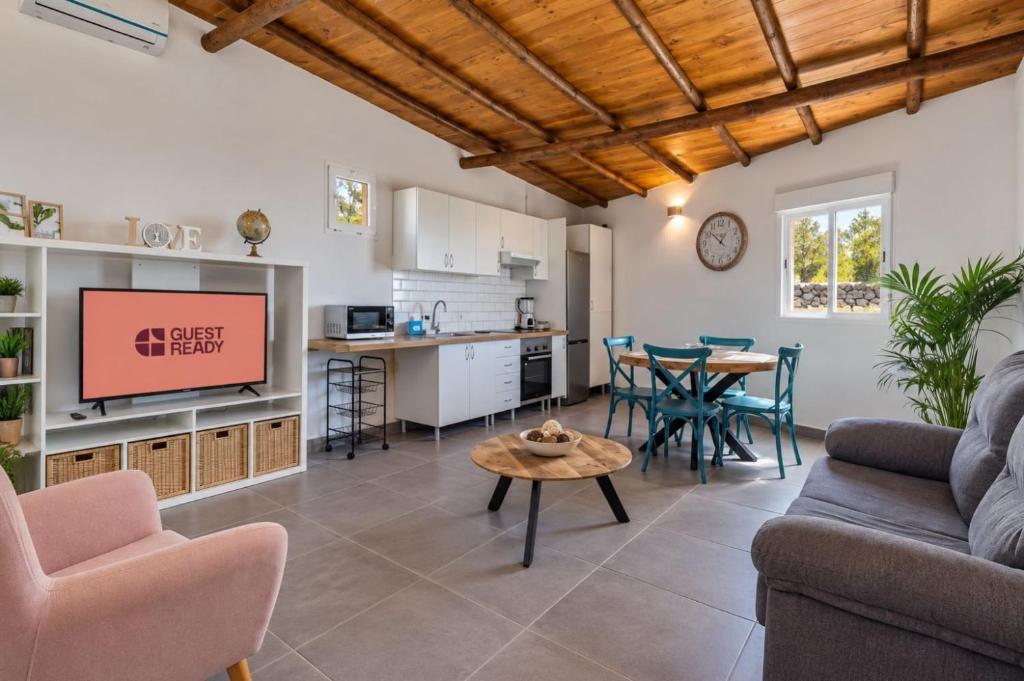
GuestReady - House with Terrace and BBQ
A two-bedroom house for four, with a fully equipped kitchen, terrace and barbecue, ideal for families or friends who prefer to cook and eat outdoors. It has air conditioning, and a traditional market is a short walk away. There’s no private parking, parties are not allowed, and guests are asked to keep noise down between 21:00 and 09:00.
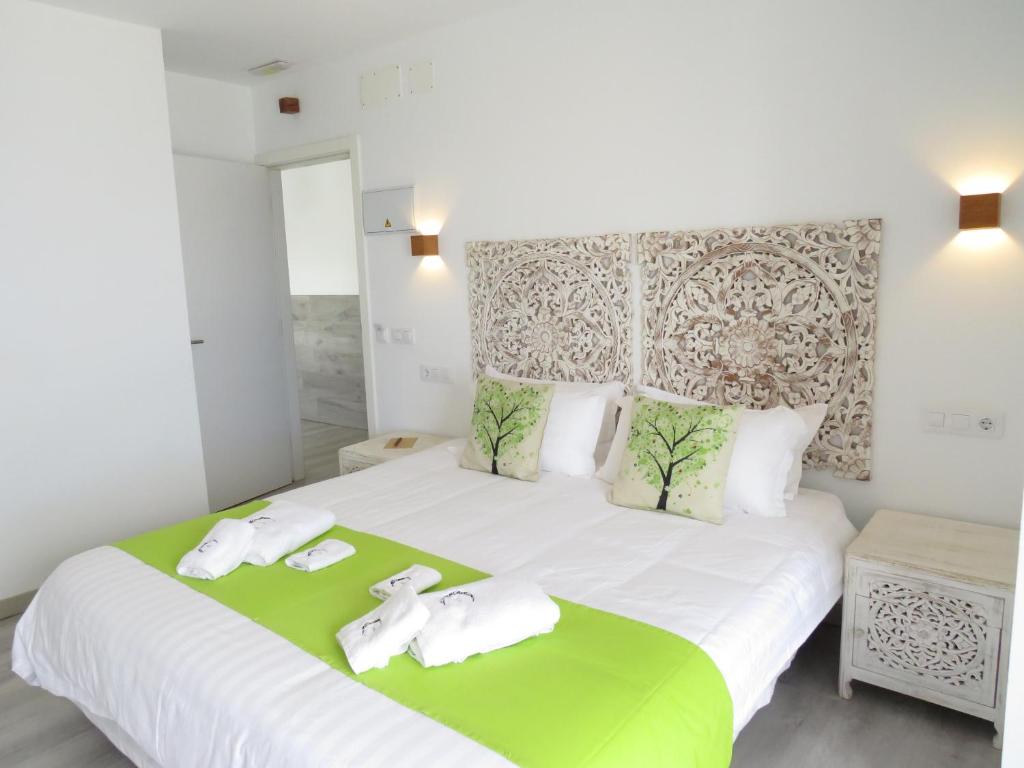
Hotel Lua Boutique Isla de El Hierro
A boutique hotel with a garden, rooms with balconies or terraces and a suite with sea views, making it easy to combine dives in La Restinga with routes through the pine forest. Breakfast costs extra, with several options available. There’s no lift or private parking, and the minimum stay is two nights.
What to see in El Hierro
El Hierro is more about landscapes than monuments. In the west, you’ll find El Sabinar, with juniper trees twisted by the wind, the Hermitage of the Kings and Orchilla Lighthouse, near the former prime meridian. In the north, the Mirador de la Peña, designed by César Manrique, overlooks El Golfo, while the Garoé stands where the Bimbache people’s sacred tree once grew.
For a swim, the natural pools and coves are the main draw, with the reddish sand of Verodal being the best-known beach. The island is a clean-energy laboratory: in 2025, the Gorona del Viento hydro-wind power plant met all electricity demand from renewable sources for 1,049 hours.
When to visit El Hierro
The climate is mild all year round: spring and autumn are ideal for walking, while late summer brings warmer water for diving. The major event is the Bajada de la Virgen de los Reyes, held every four years: the 2025 edition drew more than 40,000 visitors and filled almost all the accommodation in August. The next one will be in 2029.
How to get there and get around
You can fly from Tenerife North or Gran Canaria, or take a boat from Los Cristianos to La Estaca, a route served by Fred. Olsen Express and Armas Trasmediterránea. On the island, a hire car is almost essential: buses are infrequent.
El Hierro is part of our guide to where to stay in the Canary Islands. For help planning flights to the archipelago, see how to get to the Canary Islands; and if you’re stopping on the neighbouring island first, our guides to how to get to Tenerife and where to stay in Tenerife may come in handy.
Frequently asked questions
Here’s what travellers planning a trip ask us most often.
What is the best area to stay in El Hierro?
For most travellers, El Golfo in the municipality of La Frontera is the best choice: a mild climate, natural pools, services in Tigaday and a convenient base for exploring the west. If diving or southern sunshine is your priority, El Pinar is a better base, with La Restinga close by. Valverde, the capital, works for short stays, although it tends to be cooler and cloudier.
Do you need a car to get around El Hierro?
In practice, yes. The island is small, but its villages are spread between the coast and the summit, the roads are winding and buses are infrequent. With a car, you can visit El Golfo, La Dehesa and the viewpoints in one day. Book before you arrive and check whether your accommodation has parking, as several of our recommendations don’t.
How do you get to El Hierro?
By air, El Hierro Airport, near Valverde, has daily flights to Tenerife North and connections to Gran Canaria, where flights from mainland Spain connect. By sea, ferries link Los Cristianos in the south of Tenerife with La Estaca; the Fred. Olsen Express fast ferry takes around two hours and twenty minutes. If you have your own car or diving gear, taking the boat is worthwhile.
When is the best time to visit El Hierro?
The climate is mild all year round, so any season works. Spring and autumn are ideal for walking, while late summer brings warmer water for diving. August is the busiest month, and in years when the Bajada de la Virgen de los Reyes takes place—the next one is in 2029—accommodation fills up almost completely.
Where should you stay in El Hierro for diving?
In the south, in the municipality of El Pinar: from Taibique or Las Casas, it’s a short drive down to La Restinga, where dive centres head out to the Mar de las Calmas Marine Reserve. You can also snorkel and dive near Las Puntas in El Golfo, but the drive to La Restinga is long and winding.