Español
 English
 Français
 Deutsch
 Italiano
 Nederlands
 Português
 日本語
 中文
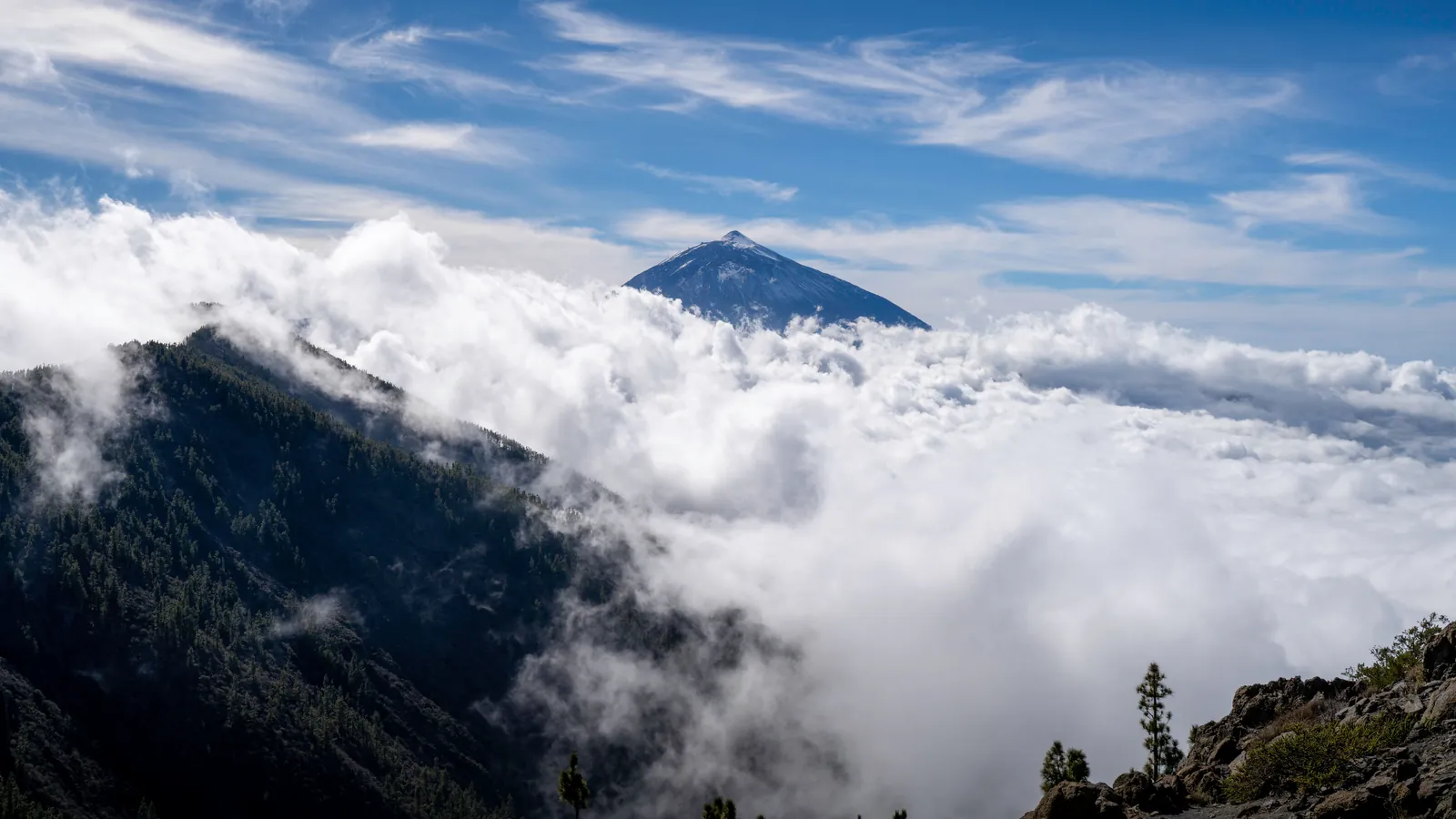
Tenerife is the largest of the Canary Islands, and its landscape changes completely over just a few kilometres. Mount Teide, Spain’s highest peak at 3,715 metres, rises in the centre; around it, the national park, a UNESCO World Heritage Site since 2007, is dotted with lava flows, rock formations and volcanic cones.
The trade winds create a marked contrast between the two sides of the island. The south is dry and sunny, with the main resort areas; the north is greener and more humid, with historic villages, banana plantations and laurel forests. That’s why choosing where to stay in Tenerife is really about deciding which side of the island you want to experience.
This guide covers the six areas where we select the most places to stay, with two recommendations in each. We hand-pick each one for its facilities, location and the type of traveller it suits. You can find the full selection on our places to stay in Tenerife page.
How to choose an area in Tenerife
Two motorways run through the island: the TF-1 follows the south from Santa Cruz to Adeje, while the TF-5 heads towards La Laguna and the La Orotava valley. These are the best bases:
- Adeje: the southwest’s main beach destination, with high-end hotels, villas and leisure parks. Best for families, couples and anyone seeking year-round sunshine.
- San Miguel de Abona: golf, quiet coves and the southern airport just minutes away. Best for golfers and longer stays in a home of your own.
- Santa Cruz de Tenerife: the capital, with urban life and the wild Anaga coastline within the same municipality.
- La Orotava: a historic centre of houses with wooden balconies and the most direct road to Mount Teide.
- Puerto de la Cruz: the north’s longest-established resort, with gardens, a seafront promenade and seawater pools.
- Icod de los Vinos: the gateway to the northwest, between the ancient dragon tree, Garachico and the Teno massif.
If you’re after beaches and guaranteed good weather, the south is the safest bet. If you prefer villages, walking routes and good food, the north has more to offer. You can drive across the island in just over an hour.
Where to stay in Adeje
The municipality of Adeje has a large share of the island’s tourist accommodation. Along the coast, Costa Adeje links beaches such as El Duque, Fañabé and Torviscas with a continuous seafront promenade, shopping centres and Siam Park. Whale- and dolphin-watching trips depart from Puerto Colón.
Higher up, Adeje’s old town retains the Church of Santa Úrsula and is the starting point for the Barranco del Infierno trail. It’s the most well-rounded base for a beach holiday, although it gets busy in high season.
Here we recommend a house with a pool and an adults-only hotel; find more places to stay in Adeje.
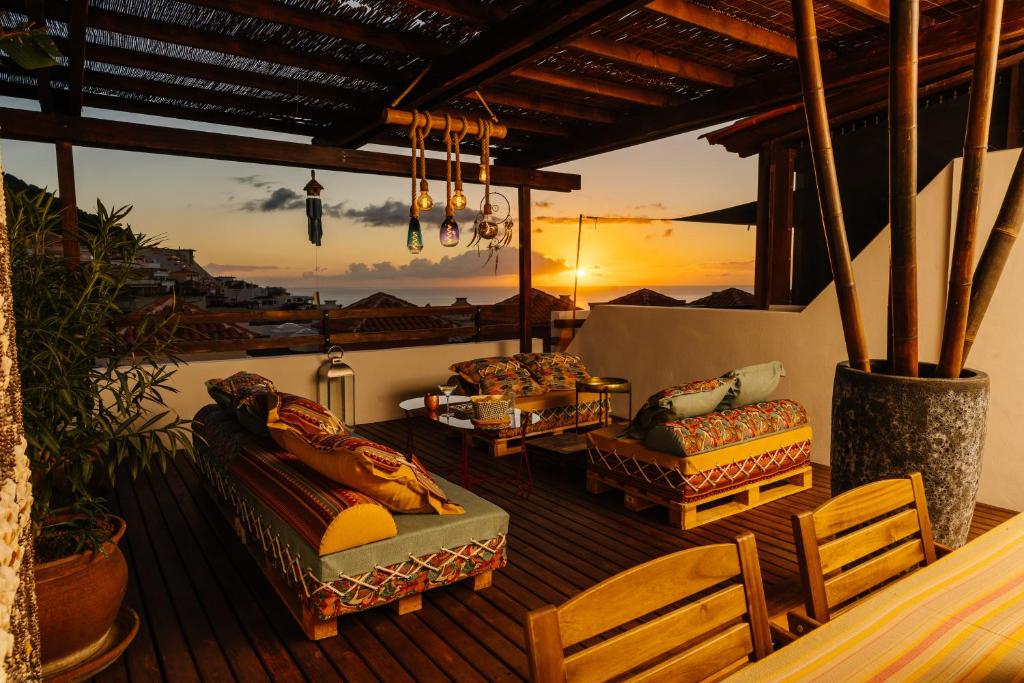
Roque-House
A whole house for four, with two bedrooms and two bathrooms, a private pool and a terrace overlooking the sea. The kitchen has a dishwasher and oven, and private parking is free. A minimum stay of five nights is required, and Fañabé Beach is just over two kilometres away, so a car will come in handy.
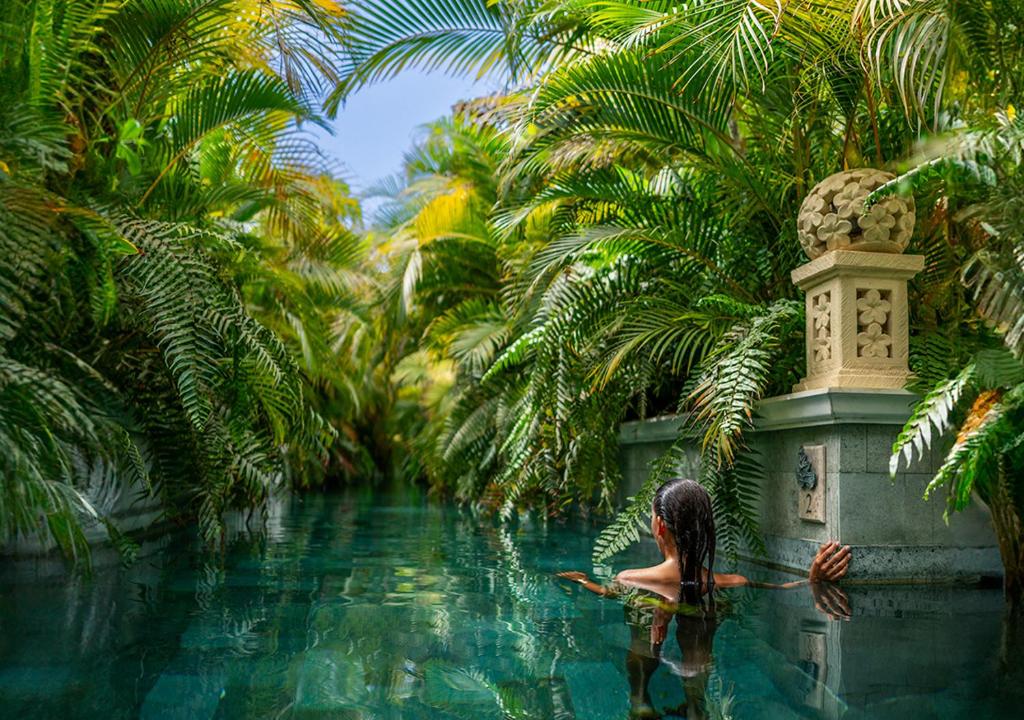
Royal River, Luxury Hotel - Adults Only
A five-star hotel with no children, featuring pool villas designed for couples seeking privacy. The spa has a hammam and sauna, and Golf Costa Adeje is less than half a kilometre away. A minimum stay of two nights is required, and the nearest beach, Los Morteros, is just over a kilometre away.
Where to stay in San Miguel de Abona
San Miguel de Abona has two sides. The old town, in the midlands, is a quiet farming village; the coast, by contrast, revolves around golf, with Golf del Sur and Amarilla Golf, low-rise developments and small dark-sand beaches.
Its main advantage is how close it is to Tenerife South Airport, just a few minutes away by car. Nearby are the fishing village of Los Abrigos, with its fish restaurants, and El Médano, a windswept stretch of sand famous for windsurfing and kitesurfing.
We recommend a house in the mountains and another just steps from the sea; find more places to stay in San Miguel de Abona.
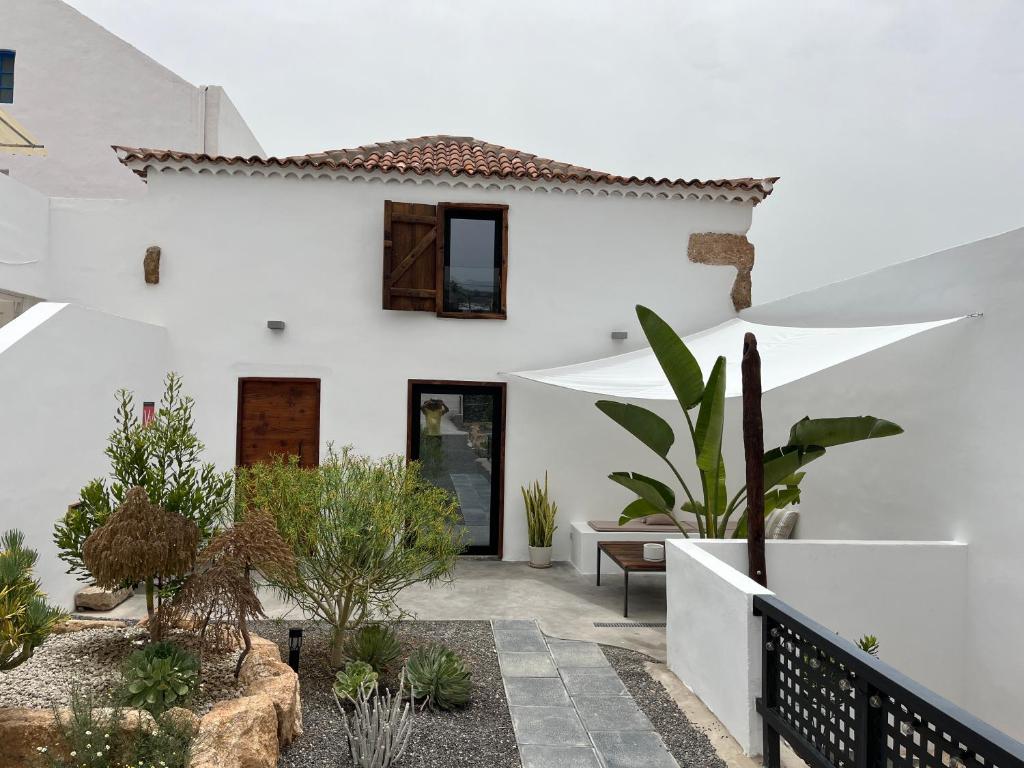
Casa El granero de Antonio
One hundred and thirty square metres with two bedrooms, a patio, garden and mountain views, ideal for four people who value peace and quiet. It has free private parking and a very fast internet connection, handy if you need to work for a few days. Check-in is from 15:00 to 20:00, and quiet hours start early, at 21:00.
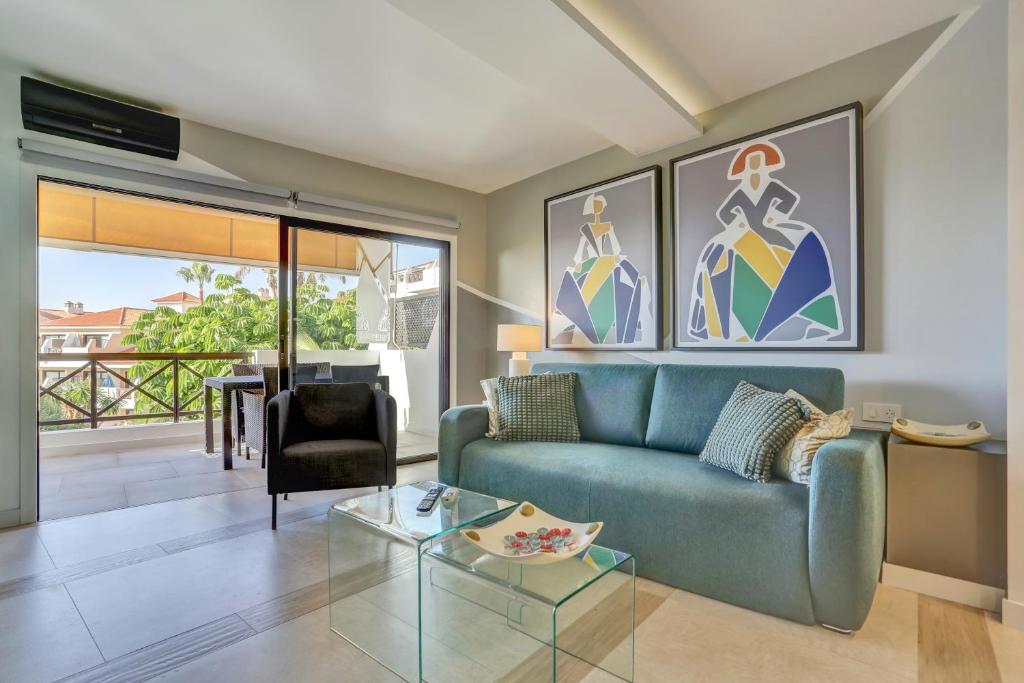
Las Meninas Tenerife
A private pool, a terrace overlooking the sea and two beaches about 300 metres away make this an ideal choice for families, who also have a children’s pool and play area. Golfers have Amarilla Golf less than half a kilometre away. Public parking is available in the area, and only one small pet is allowed, for an additional fee.
Where to stay in Santa Cruz de Tenerife
The capital is the island’s most urban base. Between Santiago Calatrava’s Tenerife Auditorium, García Sanabria Park and the Nuestra Señora de África Market, you’ll find an unpretentious Canarian city, connected to La Laguna by tram.
The municipality also reaches the island’s northeastern tip. There you’ll find the Anaga mountains, a Biosphere Reserve of laurel forests, hillside hamlets and black-sand beaches such as Benijo and Almáciga. The two houses we recommend are on this coast, far from the centre: perfect for switching off, but less convenient for a night out.
For a stay in the city centre, also check out places to stay in Santa Cruz de Tenerife.
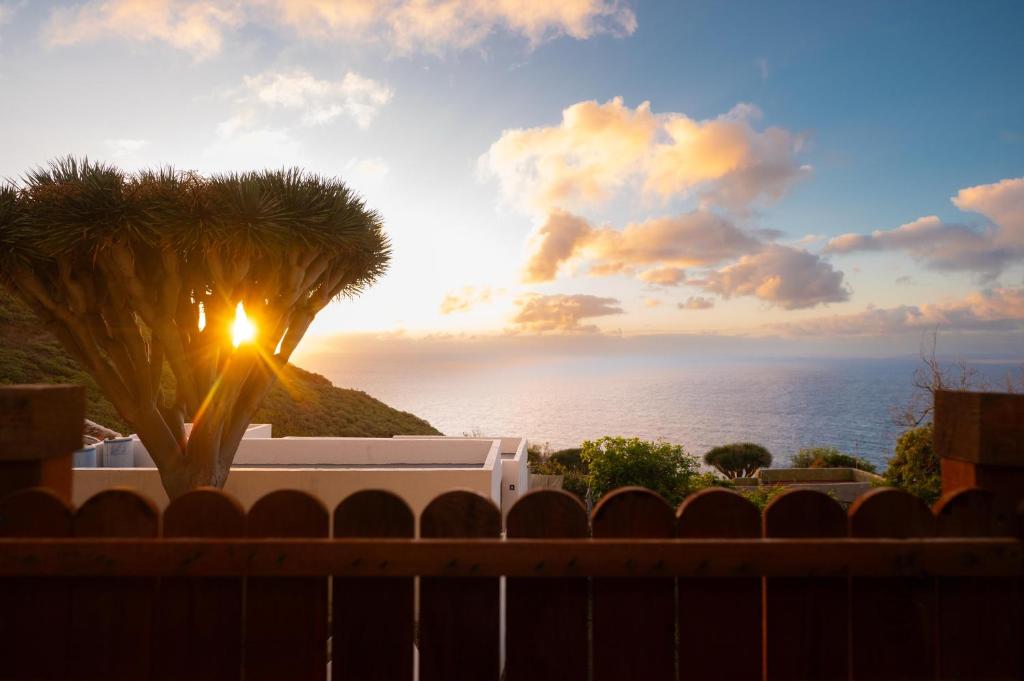
La Cábala del Draguillo
A detached house for four, with a terrace, patio and balcony overlooking the Atlantic, in one of Anaga’s most secluded corners. Draguillo Beach is about 360 metres away and Benijo Beach is less than a kilometre away, both ideal for walking. Free parking is available on a nearby public road, and it’s best to let the hosts know your arrival time in advance.
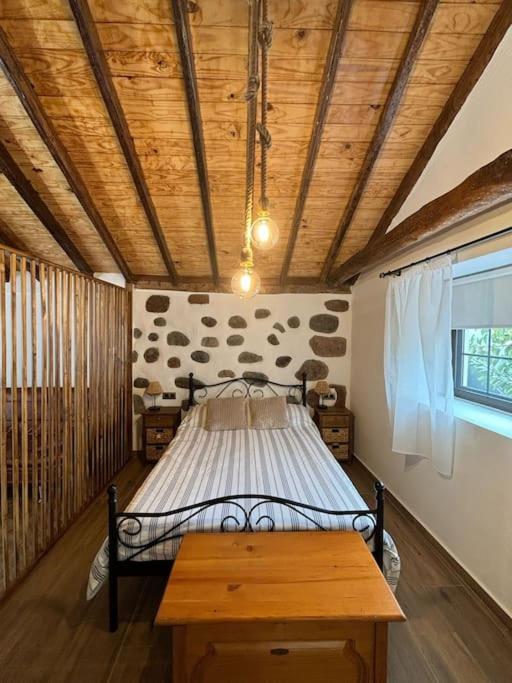
La Casa Vieja
Small and detached, it has one bedroom and a sofa bed, making it a good fit for couples or three travellers. The terrace and patio overlook the sea and mountains, and Tachero Beach is about 700 metres away. There’s no private parking, and check-in closes at 22:00; please let the hosts know in advance.
Where to stay in La Orotava
La Orotava overlooks the valley that bears its name, one of the Canary Islands’ most photographed landscapes. Its steep historic centre is home to grand houses with carved wooden balconies, such as the Casa de los Balcones, as well as the Church of the Concepción and Victoria Gardens, with views of the sea.
For the Corpus Christi festival, the town hall square is covered with a huge tapestry made from sand from Mount Teide. The TF-21 road starts here and takes you to the Cañadas area of the national park in less than an hour.
A house in the heart of the old town and an estate with a pool on the outskirts; find more places to stay in La Orotava.
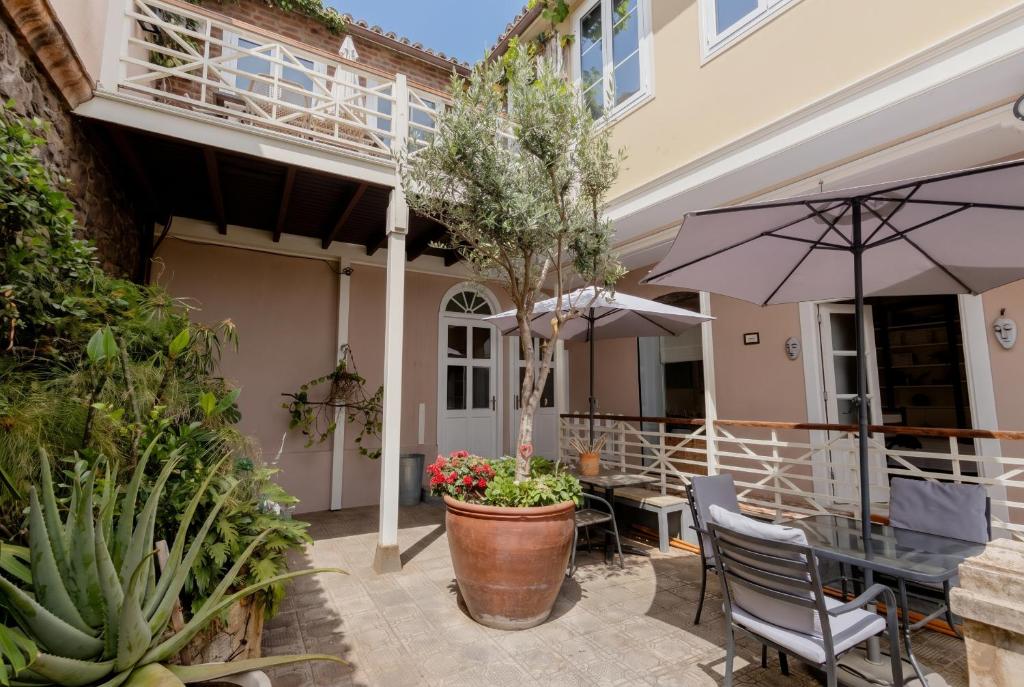
Orotava The Home - Vacational rental with the lifestyle of 1700 and the comfort of 2022
Accommodation in the heart of the old town, about 70 metres from the Church of Santo Domingo and the Museum of Ibero-American Crafts, with options ranging from one to four bedrooms. Each has a kitchen, terrace and washing machine, a practical touch for longer stays. There’s no parking, which you’ll notice on these steep streets.
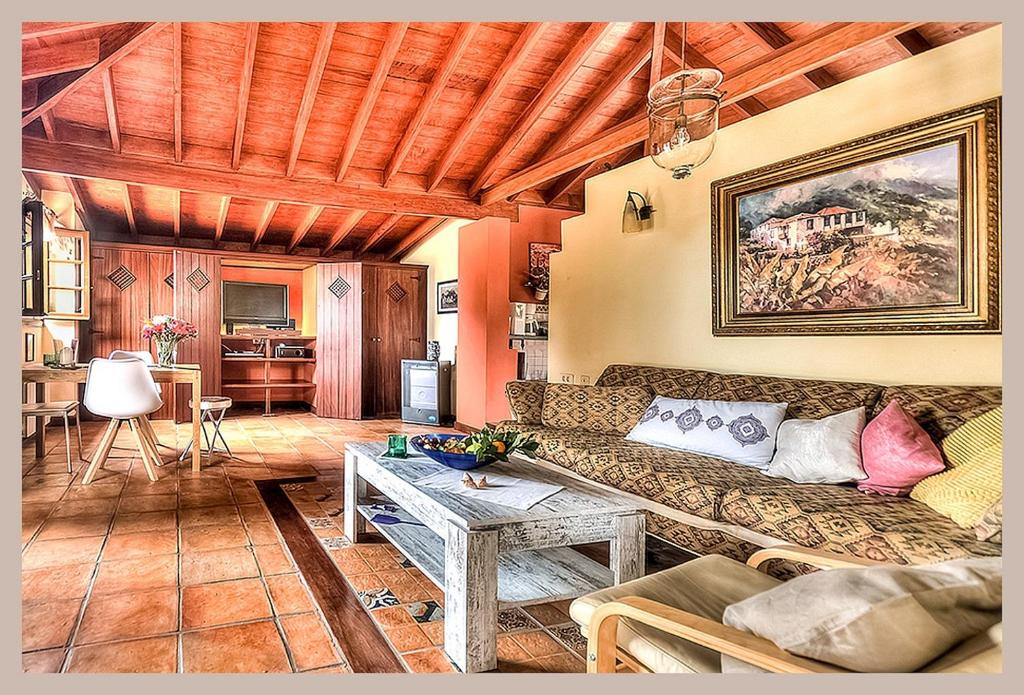
Finca Cebollino
The pool is open year-round, a real bonus in the north, and there’s also a garden, patio and barbecue with mountain views. Free private parking and a well-equipped kitchen are available. Bear in mind that check-in starts at 17:00 and Bollullo Beach is almost three kilometres away.
Where to stay in Puerto de la Cruz
Puerto de la Cruz welcomed its first British travellers in the late 19th century and still has the feel of a spa town. Attractions include the Botanical Garden, established by order of Charles III in the 18th century; Lago Martiánez, a seawater pool complex designed by César Manrique; and Loro Parque.
The old town, around Plaza del Charco and the fishing harbour, is easy to explore on foot, and Playa Jardín is the most convenient beach for a swim. It’s the best base in the north if you’re travelling without a car: buses connect it to Santa Cruz, the northern airport and the La Orotava valley.
Two hotels with gardens for two different styles of trip; compare more places to stay in Puerto de la Cruz.
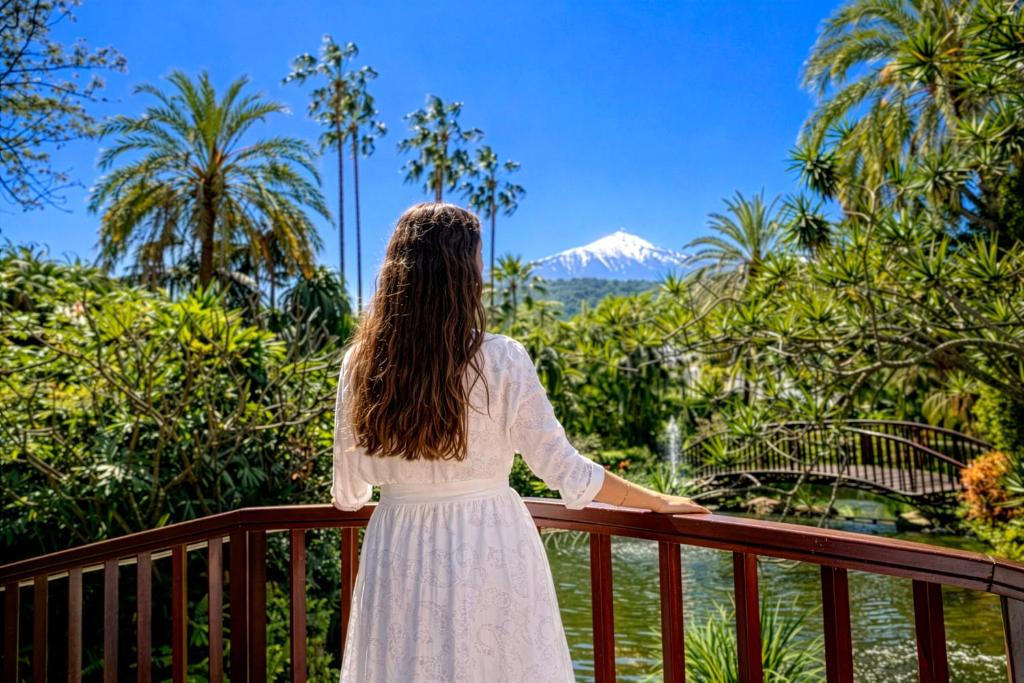
Hotel Botanico y Oriental Spa Garden
A classic five-star hotel surrounded by subtropical greenery, with a large oriental-inspired thermal spa and four restaurants serving Asian, Spanish and Italian cuisine. Rooms have balconies, and pets are allowed on request. Children under 16 cannot enter the spa, and sportswear is not permitted in the evening.
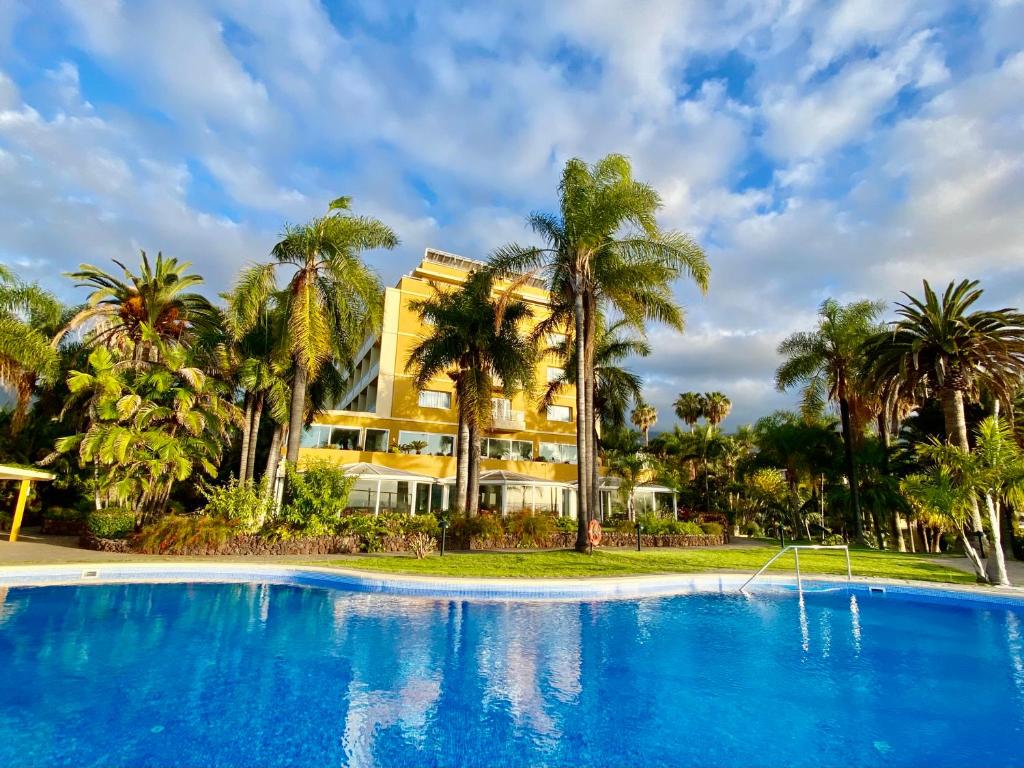
Hotel Tigaiga
A four-star hotel with a garden, outdoor pool and rooms with balconies overlooking the city, sea or Mount Teide. It suits travellers who like to balance relaxation with activities: bicycles are available to hire, there’s a ping-pong table, and it’s a good base for hiking. Private parking and airport transfers are available for a fee, and the beaches are about 800 metres away.
Where to stay in Icod de los Vinos
Icod de los Vinos is famous for the Drago Milenario, the best-known specimen of this Canarian tree, which can be viewed from the square by the Church of San Marcos. Beneath the municipality lies the Cueva del Viento, one of the world’s longest volcanic tubes, which can be visited with a guide.
It’s a quiet base for the northwest, with vineyards, San Marcos Beach and the town of Garachico, with its natural pools, all just a few kilometres away. Teno and Masca are also easy to reach from here, although the Masca Gorge can only be visited with a ticket bought on its official website and by taking the shuttle bus from Santiago del Teide.
Two houses with sea views; find more places to stay in Icod de los Vinos.
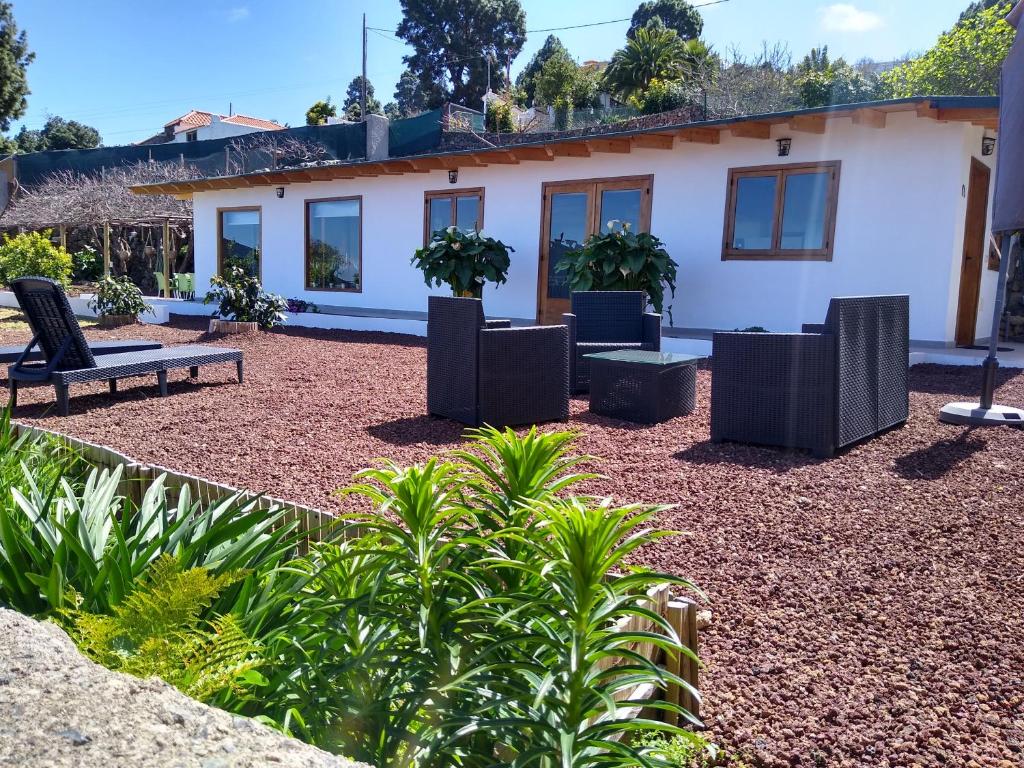
Los Huertos Conect with the nature & relax
A house for six with a private pool, garden and terrace overlooking the sea, designed with families in mind: there’s a play area and a high chair. Pets are allowed, although a fee may apply, and Cueva del Viento is nearby. The minimum stay is three nights, and quiet hours start at 20:00.
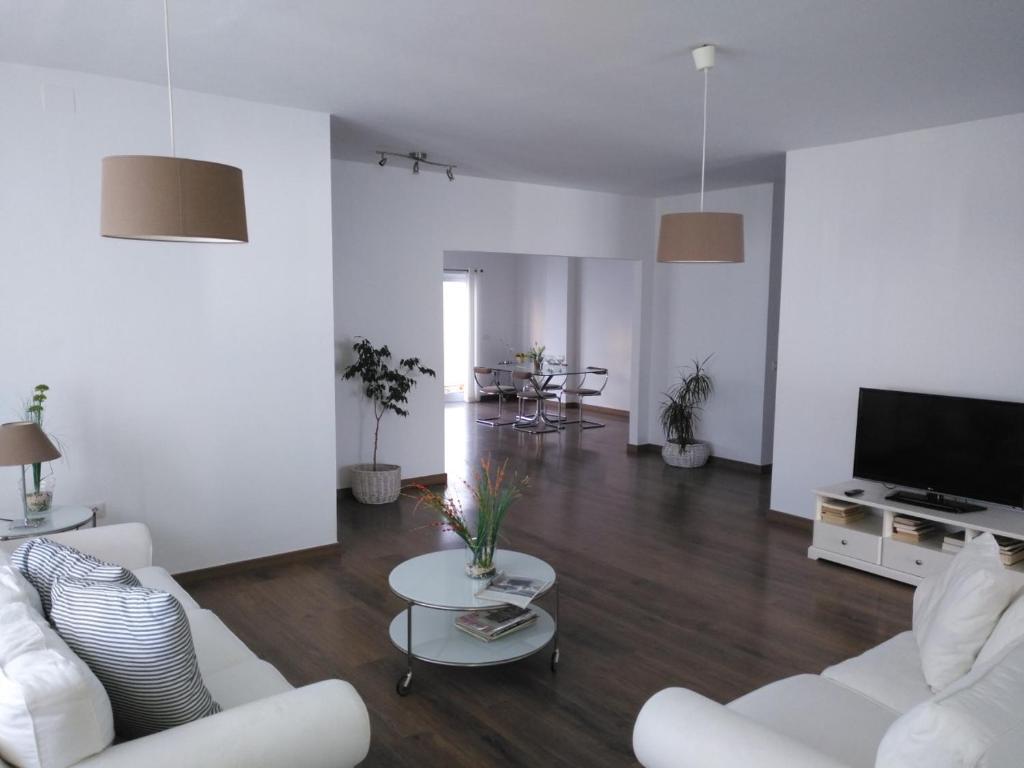
C D Domínguez
Two bedrooms and two bathrooms for four people, with a terrace and balcony overlooking the sea, mountains and town. Moreno and San Marcos beaches are one and a half kilometres away, and the kitchen means you can prepare your own meals without relying on restaurants. Free street parking is available, and parties are not allowed.
Other areas of Tenerife
In the south, Los Cristianos retains its harbour, where boats depart for La Gomera, and blends into Playa de las Américas, the liveliest area after dark. Quieter options include El Médano, with its surf scene and Montaña Roja, and Callao Salvaje, west of Costa Adeje.
On the west coast, Puerto de Santiago faces the cliffs of Los Gigantes and has some of the island’s best sunsets. In the north, La Laguna, a university city and a World Heritage Site since 1999, is perfect for a cultural break, while Santa Úrsula, at the entrance to the La Orotava valley, is a peaceful alternative.
What to see in Tenerife
Teide National Park is a must-see: take in the Roques de García, ride the cable car to La Rambleta and enjoy viewpoints over the sea of clouds. To hike to the summit on the Telesforo Bravo trail, and, since January 2026, to walk the Montaña Blanca route, you must book through the Cabildo’s Tenerife ON platform. Fees apply to non-residents.
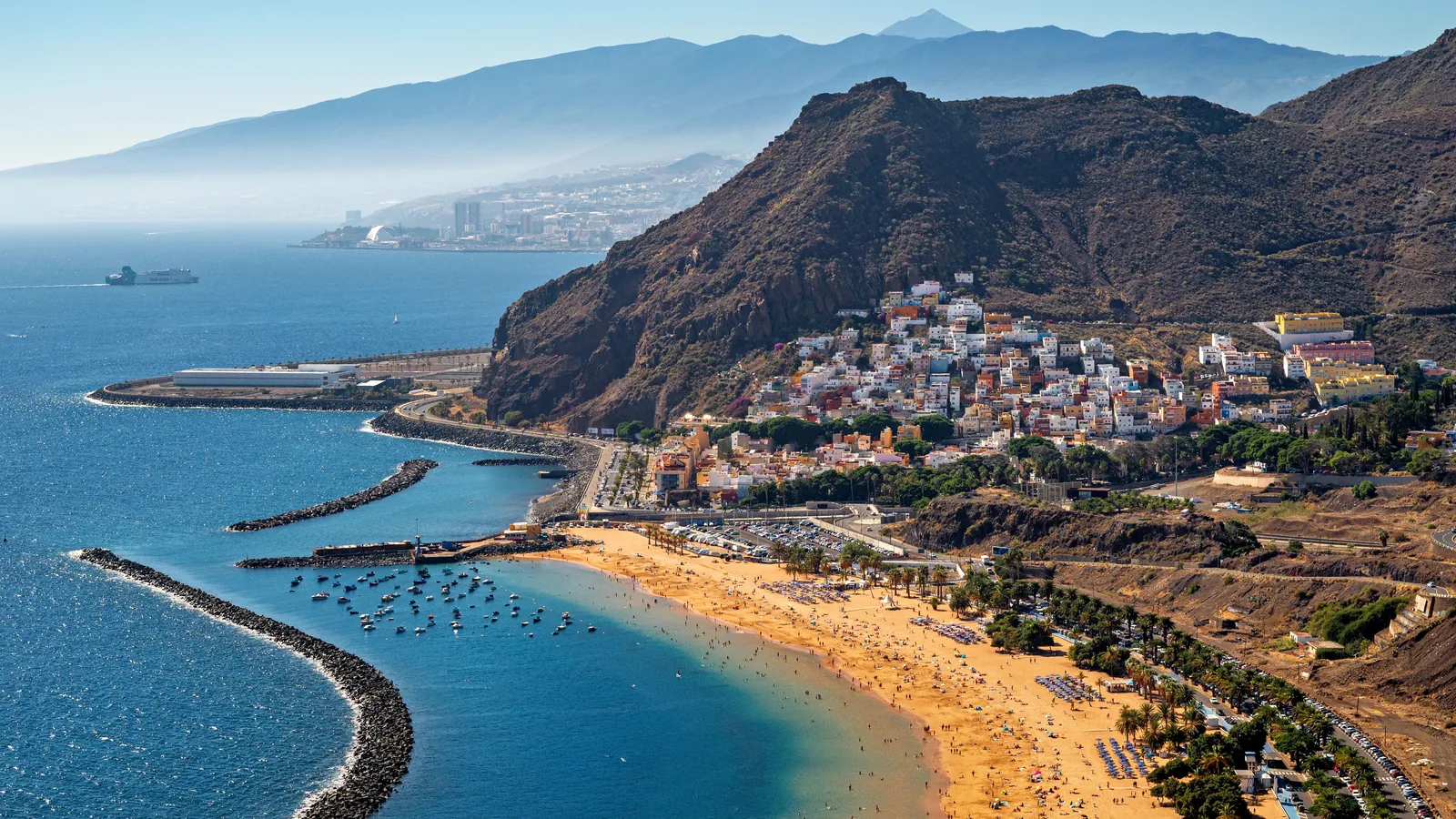
In the northeast, Anaga’s trails wind through laurel forest between Cruz del Carmen, Taganana and Chamorga. In the northwest, Garachico, the Teno lighthouse and the cliffs of Los Gigantes make a great one-day driving route, while Las Teresitas, the island’s best-known golden-sand beach, is close to the capital.
When to visit Tenerife
Tenerife has a mild climate year-round, which makes winter high season in the south, especially for travellers from northern Europe. Spring and autumn are ideal for walking, while in summer the north is cooler than the southern coast.
The main event is the Santa Cruz Carnival: in 2027, the street carnival will run from 19 to 28 February, and it’s worth booking well in advance for those dates.
Getting to and around Tenerife
The island has two airports. Tenerife South, in Granadilla de Abona, ended 2025 with almost 14 million passengers and handles most international flights; Tenerife North, in La Laguna, welcomed more than 7.1 million passengers, with many domestic and inter-island flights. Ferries also run from Huelva and Cádiz, with sea connections to neighbouring islands.
TITSA buses connect both airports with the main resort areas, but a car is the most practical way to explore the island in depth. For Mount Teide, bear in mind that the Cabildo plans to restrict private cars in the park and introduce shuttle buses from the coast from 2027; find details in our guide to getting to Tenerife.
This guide is part of where to stay in the Canary Islands, and if you haven’t booked your flight yet, we can help with getting to the Canary Islands. If you know which area you want, find out more: where to stay in Adeje, where to stay in San Miguel de Abona, where to stay in Santa Cruz de Tenerife, where to stay in La Orotava and where to stay in Icod de los Vinos.
Frequently asked questions
Quick answers to the questions travellers most often ask when planning a trip to Tenerife.
What’s the best area to stay in Tenerife?
It depends on your trip. Adeje is the most well-rounded base for beaches and sunshine, with plenty of facilities and hotels in every category. San Miguel de Abona adds golf and proximity to the southern airport. In the north, Puerto de la Cruz and La Orotava are better suited to historic villages, gardens and excursions to Mount Teide, while Icod de los Vinos opens up the northwest. Santa Cruz is a good choice for city life, carnival and Anaga’s trails.
Is it better to stay in the north or south of Tenerife?
The south is drier and sunnier, with sandy beaches, large resorts and plenty of entertainment: it’s the safe choice if you want pool weather. The north is greener and cooler, with frequent clouds brought by the trade winds, but offers historic villages, good food and walking trails. You can drive across the island in just over an hour, so splitting your stay between the two sides is a very practical option.
Where should I stay in Tenerife without a car?
Puerto de la Cruz and Santa Cruz are the most convenient bases: both have shops, restaurants and frequent buses to the rest of the island, while the capital also has a tram to La Laguna. In the south, Costa Adeje and Los Cristianos are well connected to Tenerife South Airport. For areas such as Anaga, Teno and the interior, however, a car is almost essential, as buses run less frequently.
Which area of Tenerife is best for children?
Costa Adeje is the most convenient, with calm beaches such as Fañabé and El Duque, a flat seafront promenade and nearby water parks. Puerto de la Cruz is also a good option, with the seawater pools at Lago Martiánez and Loro Parque. If you’d rather stay in a house with a pool, San Miguel de Abona and Icod de los Vinos have options with play areas. Check that children are allowed before booking, as there are plenty of adults-only hotels.
Do I need to book to climb Mount Teide?
It’s a good idea to book the cable car in advance, especially in high season. To hike to the summit on the Telesforo Bravo trail, you need prior authorisation and a reservation; since January 2026, the Montaña Blanca route also requires a reservation. Both are arranged through the Cabildo’s Tenerife ON platform, and fees apply to non-residents. Wear hiking boots and warm clothes, as it’s cold at the top even in summer.