Español
 English
 Français
 Deutsch
 Italiano
 Nederlands
 Português
 日本語
 中文
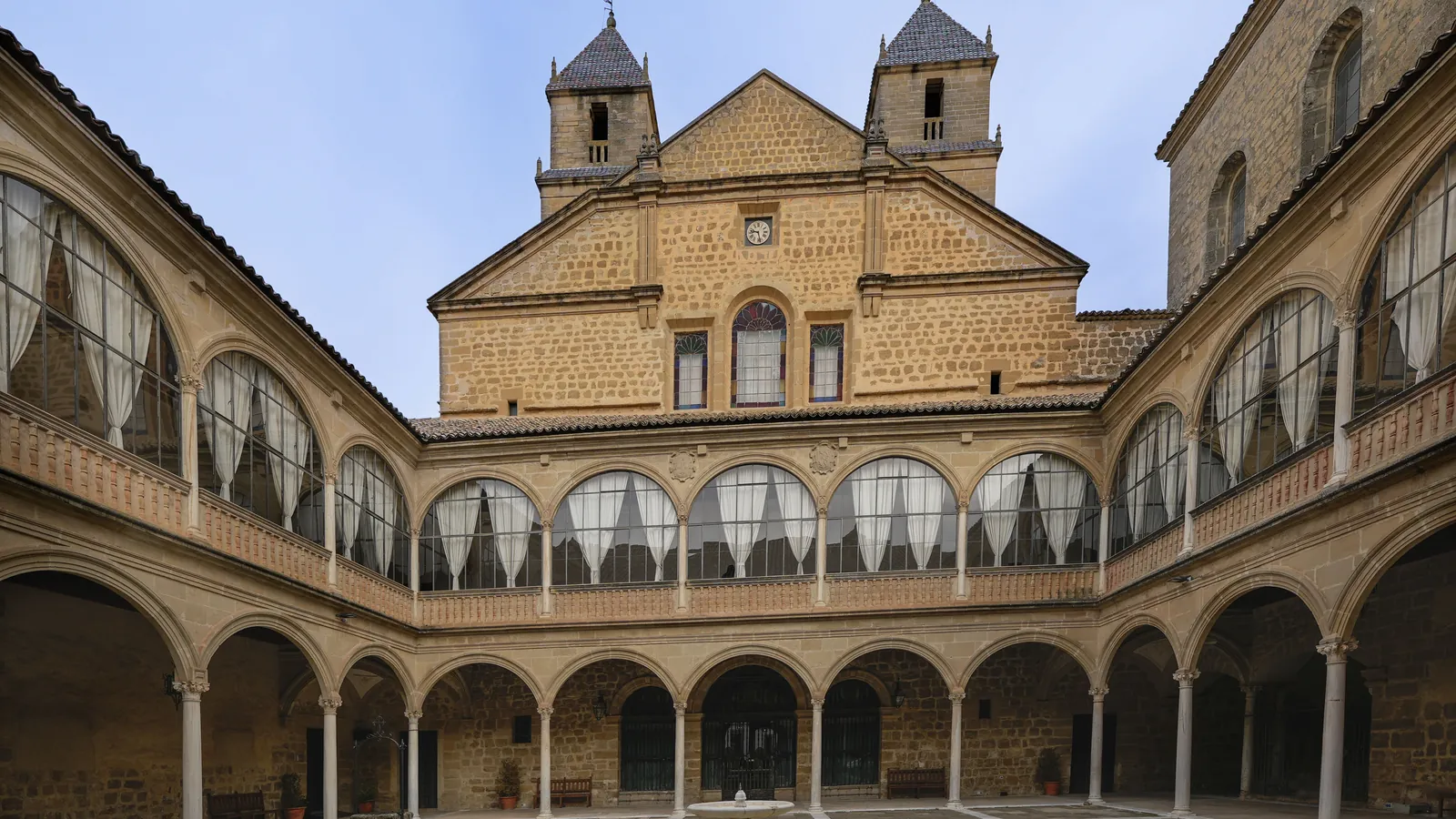
Together with Baeza, Úbeda has been a UNESCO World Heritage Site since 2003 and is one of Europe’s most complete Renaissance ensembles. Churches, palaces and hospitals built in the 16th century, many designed by Andrés de Vandelvira, are concentrated in a compact old town of golden stone and cobbled streets, surrounded by olive groves as far as the eye can see.
That makes choosing where to stay in Úbeda easy: almost any place in the old town is a short walk from the Sacra Capilla del Salvador. Here, we look at the areas and places we hand-pick one by one; the full list is at places to stay in Úbeda.
How to choose an area
You can cross the old town on foot in about twenty minutes, but each part has its own character:
- Plaza Vázquez de Molina and the surrounding area: the monumental heart of the city, home to the Sacra Capilla del Salvador and Santa María de los Reales Alcázares. Very quiet at night.
- San Nicolás, San Pablo and Plaza Primero de Mayo: the northern part of the old town, livelier, with tapas bars and neighbourhood shops.
- Santo Domingo and the southern edge: quiet streets overlooking the Redonda de Miradores and the valley.
- The newer part of town, near Hospital de Santiago: less character, but easier for parking.
If you arrive by car, bear in mind that the old town’s streets are narrow and few places to stay have a garage. The usual option is to leave your car in a nearby public car park, almost always for a fee, and forget about it.
Where to stay in Úbeda: our picks
Our selection combines characterful hotels and family-run guesthouses, small places with a personal touch just a few steps from the monuments.
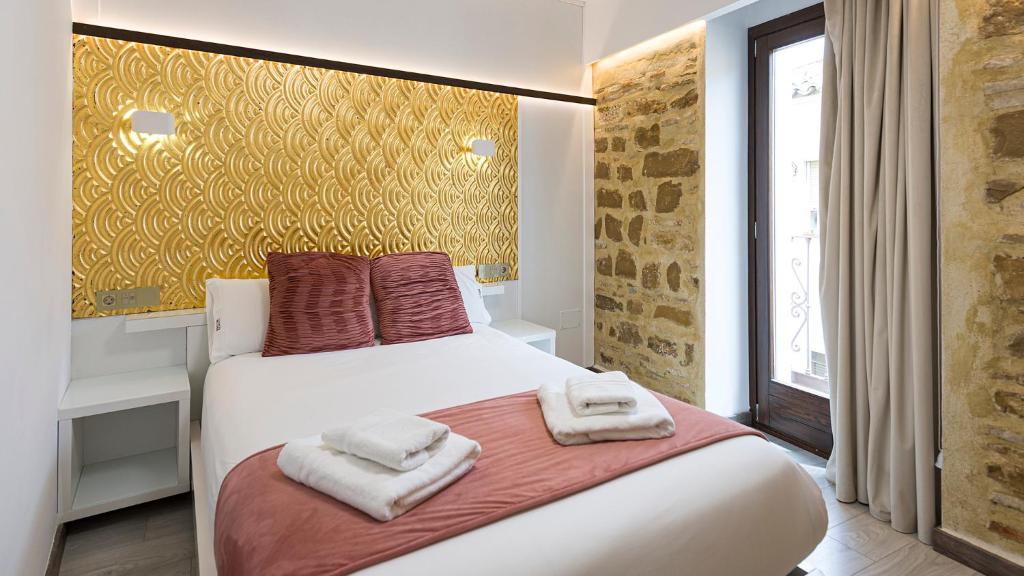
HOTEL FUENTE REDONDA LUXURY
A couple of minutes from the Church of San Nicolás de Bari, this is a good base for families: it has a family suite with a balcony and rooms for four. The rooms are soundproofed, and the concierge service can help organise visits. The nearby public car park charges a fee, and it’s best to reserve a space.
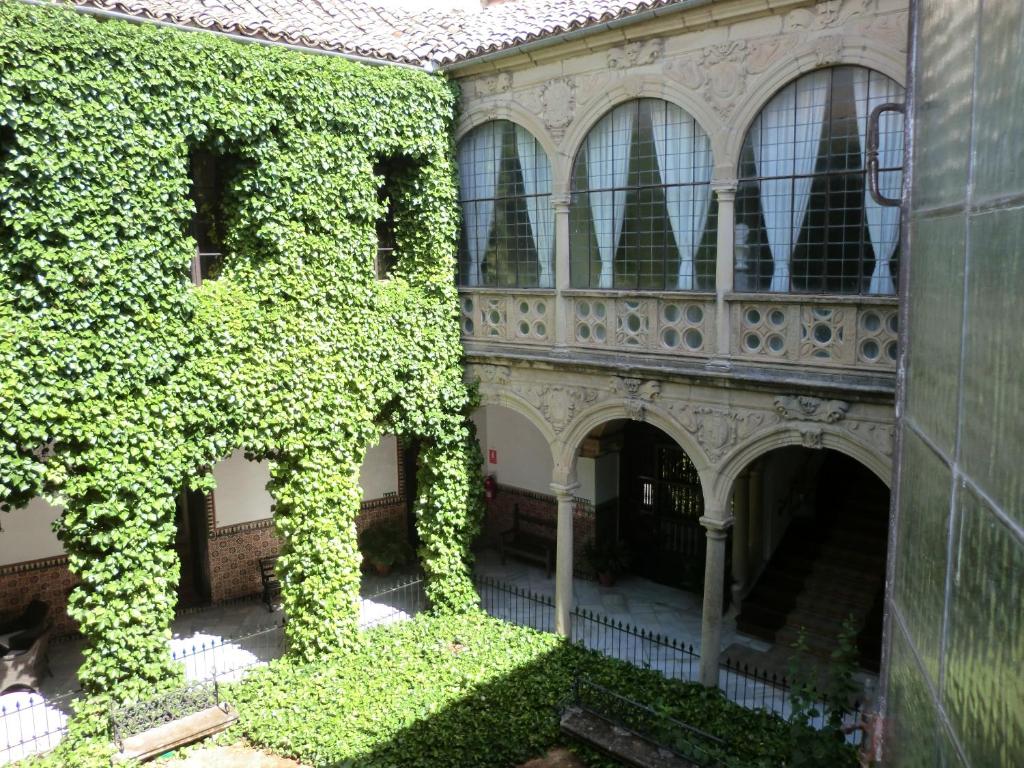
Palacio de la Rambla
Just 20 metres from the Rastro city wall, with very spacious rooms of 40 square metres or more, balconies and, in one case, a private patio. The garden and terrace with views make it tempting to linger before heading out for dinner. Bear in mind that free wifi is available in the communal areas and breakfast costs extra.
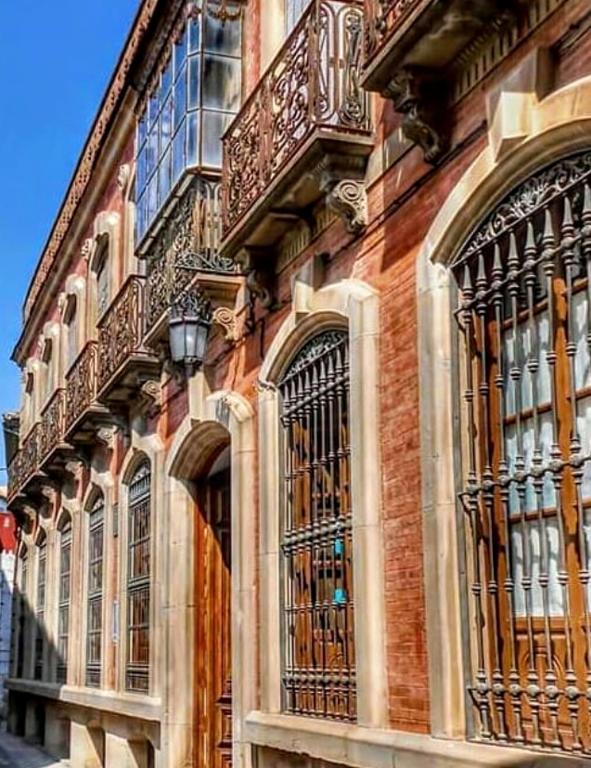
Hotel Ordóñez Sandoval
A hotel 200 metres from Casa de las Torres, with a garden, shared lounge and 24-hour reception. One of its rooms, measuring 35 square metres, has two beds, a patio and garden views. It’s suited to couples or two friends: no room accommodates more than two people.
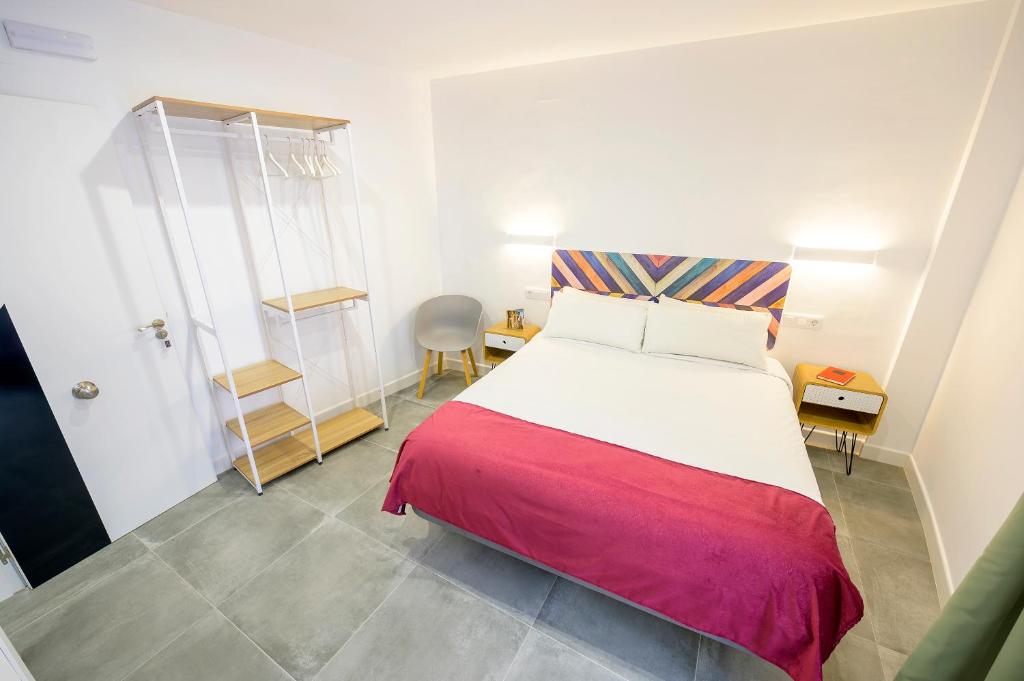
Hospedería El Alarife
A guesthouse for two, practically next door to the Convent of San Juan de la Cruz, with a large bed and a balcony overlooking the city. Simple and well kept, with everything close at hand. There’s no private parking, so you’ll need to find a space nearby.
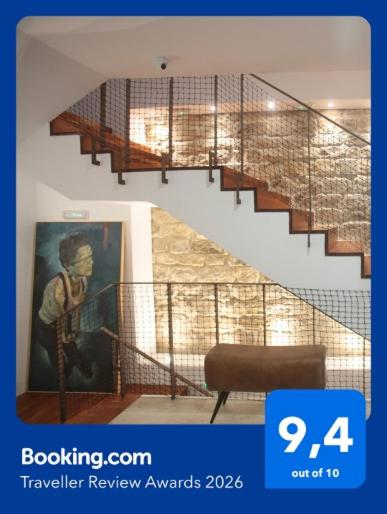
Hostal Casa de Luna y Sol
A few steps from Santo Domingo and the Andalusian Museum, with soundproofed double rooms, all with a double bed. It has an accessible room for guests with reduced mobility, something uncommon in the old town’s historic houses. There’s no parking.
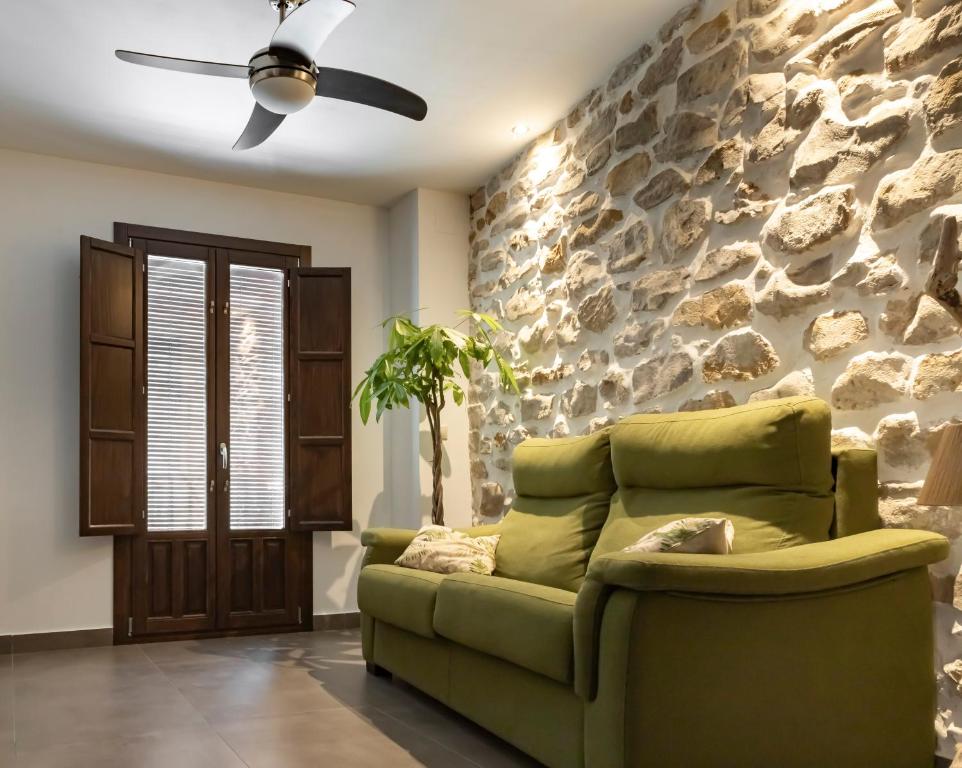
Alojamiento Terraza San Nicolas
A good choice for groups and anyone who wants to cook: as well as rooms and a studio, it has a three-bedroom, three-bathroom house for up to ten people, with a fully equipped kitchen. It’s 50 metres from San Nicolás de Bari. Parties aren’t allowed, and guests are asked to keep quiet between midnight and nine in the morning.
What to see in Úbeda
Start at Plaza Vázquez de Molina, home to the Sacra Capilla del Salvador, the Palace of the Chains, now the town hall, and Santa María de los Reales Alcázares. The Water Synagogue, discovered in 2007 during the renovation of a house, is very close by.
Outside the old town, Hospital de Santiago is another work by Vandelvira and the city’s main cultural venue. Set aside some time for the pottery workshops in the San Millán neighbourhood and the Redonda de Miradores at sunset. Baeza, about ten kilometres away, can be seen in half a day.
When to visit Úbeda
Spring and autumn are the best seasons for walking; summer is very hot around midday. From January to March, restaurants host Renaissance cuisine food festivals.
From late May to June, the Úbeda International Music and Dance Festival brings concerts to Hospital de Santiago and the Sacra Capilla, including a film music series. In early July, the Renaissance Festival reenacts the entry of Charles V to mark the UNESCO anniversary. Add the San Miguel Fair in late September and Holy Week: book ahead for these dates.
Getting there and getting around
The nearest train station is Linares-Baeza, about 26 km away, a 20-to-30-minute taxi ride. The bus station is next to the old town, with services from Jaén, Granada, Córdoba, Seville, Baeza and Cazorla. The nearest airport is Granada, about 140 km away.
By car, take the A-4 from Madrid to Bailén, then the A-32; from Granada or Jaén, take the A-44 and A-316. Once you’re there, you can see everything on foot: bring comfortable shoes for the cobbled streets.
Úbeda is one of the stops in our guide to where to stay in Andalusia. If you’re continuing your trip, see also where to stay in Granada, where to stay in Córdoba and where to stay in Seville.
Frequently asked questions
Here are the questions we hear most often from people planning a trip to Úbeda.
What’s the best area to stay in Úbeda?
The old town. The area around Plaza Vázquez de Molina is the most monumental and quietest at night, while San Nicolás, San Pablo and Plaza Primero de Mayo have more neighbourhood life and tapas bars. As you can cross the old town on foot in about twenty minutes, any place to stay within it puts you close to everything. The newer part of town is only worth considering if you want easier parking.
How many days do you need to see Úbeda?
Two days give you time to see Úbeda at a relaxed pace: one for Plaza Vázquez de Molina, the Sacra Capilla del Salvador and the Water Synagogue, and another for Hospital de Santiago, the pottery-making neighbourhood of San Millán and the viewpoints. With a third day, you can visit Baeza, about ten kilometres away, or the Cazorla mountains. Úbeda makes a good base: it’s quiet and well connected by road.
How do you get to Úbeda by train?
The nearest station is Linares-Baeza, about 26 kilometres away. From there, it’s a 20-to-30-minute taxi ride or just under an hour by bus. Travelling by bus is often more convenient: the bus station is next to the old town and has services from Jaén, Granada, Córdoba, Seville, Baeza and Cazorla. The nearest airport is Granada.
Where can I park if I’m staying in the old town?
Few places to stay in the old town have their own garage, as they’re in historic houses on narrow streets. The usual option is to use a nearby public car park, almost always for a fee and sometimes requiring advance reservation. Before you arrive, ask your accommodation which car park is most convenient and how to drive there. Once parked, you won’t need the car: the monuments, restaurants and viewpoints are all within walking distance.
When is the best time to visit Úbeda?
Spring and autumn offer the best weather for walking. The International Music and Dance Festival takes place from late May to June, the Renaissance Festival in early July, and the San Miguel Fair in late September. Holy Week, with nineteen brotherhoods, is another special time. Summer is very hot around midday, so plan visits for early morning or late afternoon.