Español
 English
 Français
 Deutsch
 Italiano
 Nederlands
 Português
 日本語
 中文
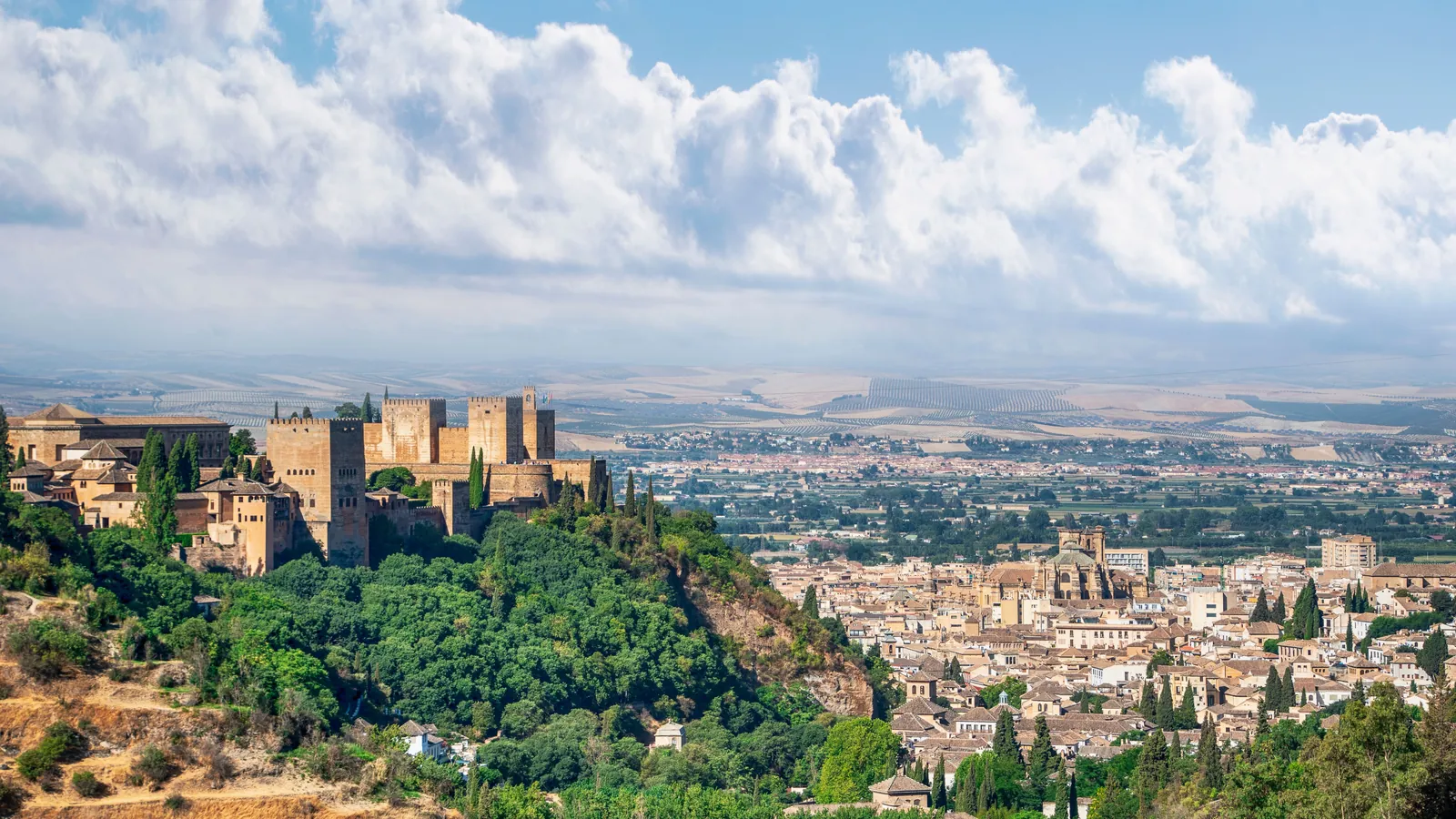
Granada is one of those cities best understood from above. On one side is Sabika Hill, with the Alhambra and the Generalife; opposite is the Albaicín, the old Andalusi neighbourhood of whitewashed streets; further on are the caves of the Sacromonte and, in the distance, the peaks of Sierra Nevada, snow-capped for much of the year.
Down on the plain is Christian and modern Granada, around the Cathedral and Gran Vía. Choosing where to stay in Granada means deciding which of these places you want to start and end your day in. This guide introduces each area and suggests twelve places to stay that we’ve hand-picked, without automated lists.
How to choose an area in Granada
The historic centre is compact, but it isn’t flat: staying in the centre or high up in the Albaicín makes a difference to your legs when you return at night or carry your luggage. Here are the main options:
- The centre, between the Cathedral and Gran Vía: flat and full of amenities; the most convenient base for a first visit.
- Plaza Nueva and Carrera del Darro: where the centre meets the Albaicín, at the foot of the Alhambra.
- The Albaicín: traditional houses, viewpoints and quiet nights, ideal for couples who don’t mind steep hills.
- The Sacromonte: hillside caves and gitano zambra performances, for a different experience in a somewhat more secluded setting.
- El Realejo: the former Jewish quarter, south of the Alhambra, with neighbourhood life and good taverns.
If you’re travelling by car, bear in mind that since October 2025 the Low Emission Zone has fined vehicles without an environmental sticker that are registered outside Granada. The historic centre also has restricted-access areas, so it’s sensible to ask your accommodation about parking before you arrive. For more options, see all our places to stay in Granada.
The centre: Cathedral, Gran Vía and Bib-Rambla
Granada’s centre revolves around the Cathedral and the Royal Chapel, surrounded by the Alcaicería, the former silk souk now turned into narrow shopping streets, and Bib-Rambla square, with its florists and churro shops.
Staying here means having everything close at hand: minibuses to the Alhambra, restaurants and shopping streets. The city’s five-star hotels are also concentrated here. These are our picks in the centre:
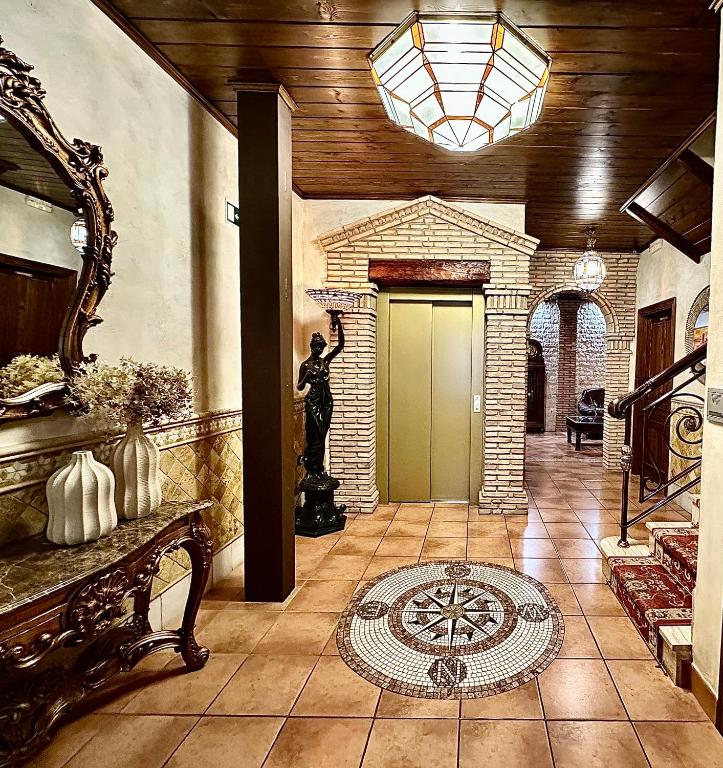
Hostal Rodri
A simple two-star guesthouse a few steps from the Cathedral and Bib-Rambla, with soundproofed rooms, air conditioning and an Andalusian-style terrace. The single rooms are small and designed for one person; the double rooms with balconies are a better fit for couples. Paid parking is available nearby.
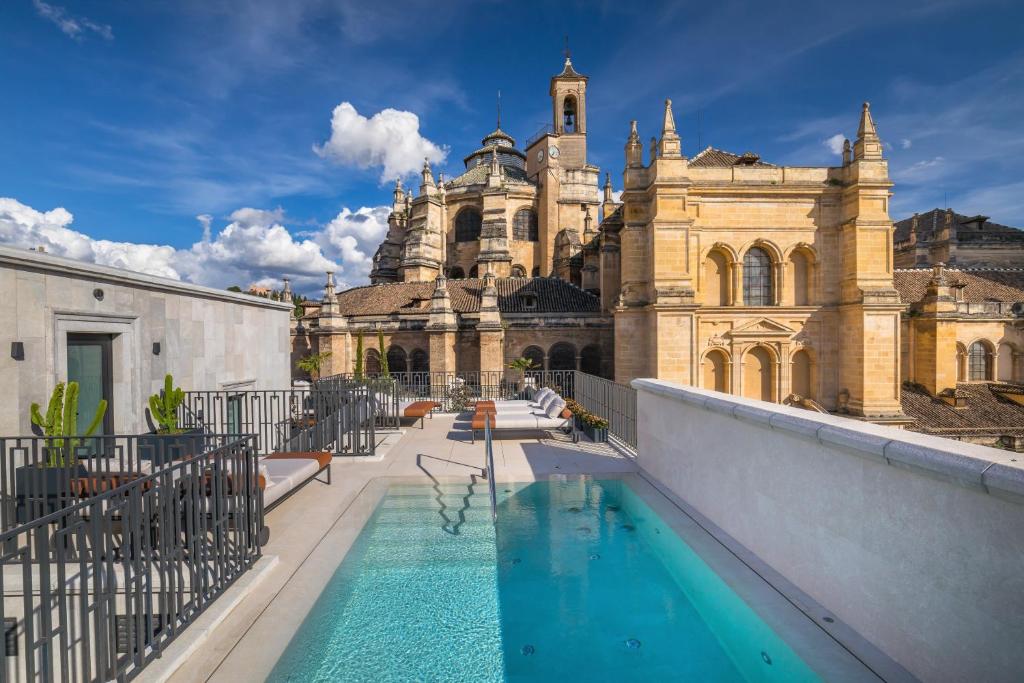
Gran Hotel Claridge Granada - Preferred Hotels & Resorts
A five-star hotel practically next to the Cathedral, with a spa, sauna, hot tub, massages and even yoga classes to help you unwind between sightseeing. It has two restaurants and suites with separate bedrooms that sleep four. Private parking is available for a fee and must be reserved.
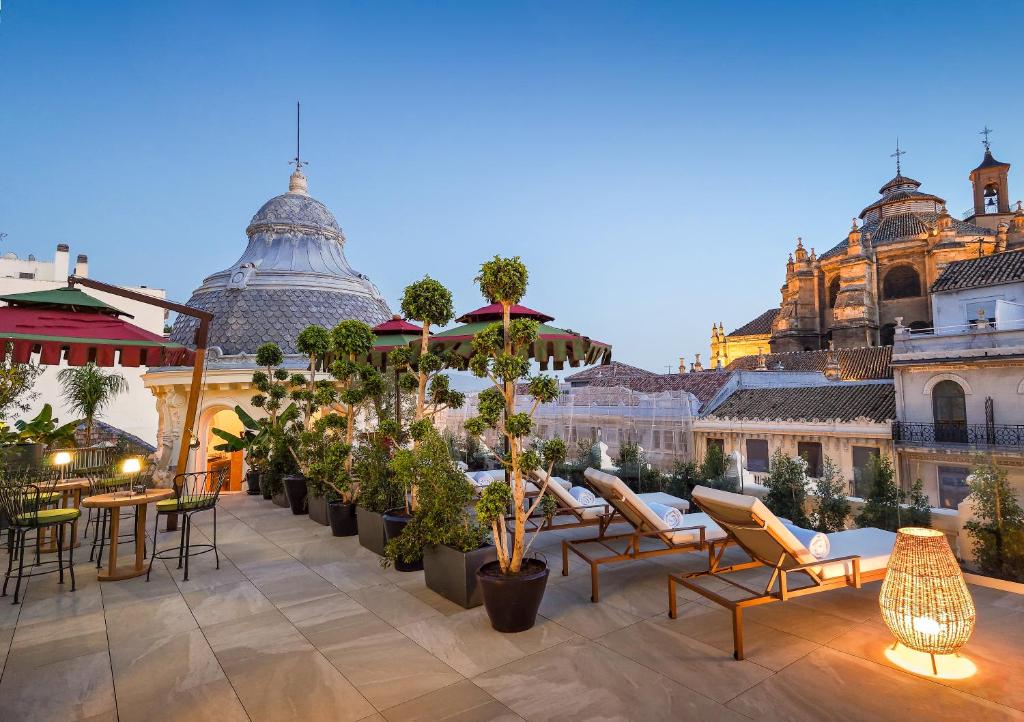
Palacio Gran Vía, a Royal Hideaway Hotel
A five-star hotel on Gran Vía, a stone’s throw from the Cathedral and Plaza Nueva, with contemporary rooms, some with balconies, and suites with terraces. Its wellness centre with a hammam and gym makes it a comfortable choice if you don’t want to break your routine, and breakfast is available as a buffet or American-style meal. As in most of the centre, nearby paid parking needs to be reserved.
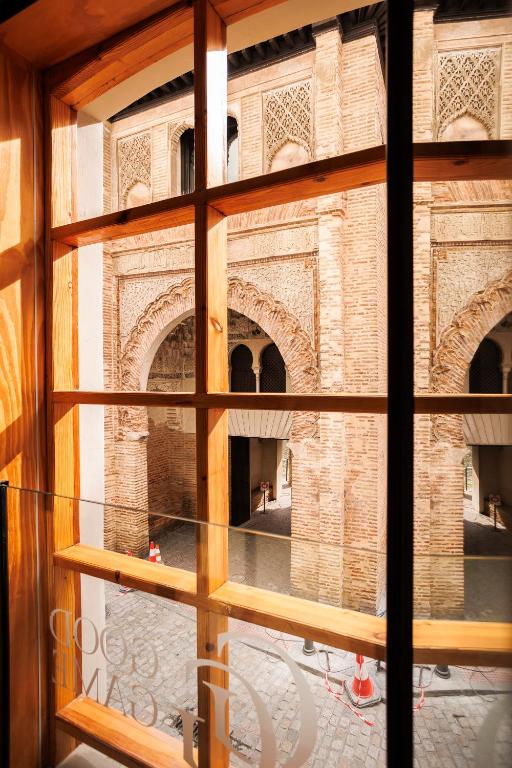
Corral del Carbón GG Luxury Hotel Boutique
Studios and suites with equipped kitchens and balconies, next to the historic Corral del Carbón and about fifty metres from the Cathedral. A practical choice for families or anyone who likes to cook now and then, with family rooms and suites with separate living rooms. Note that there’s no in-person reception: you’ll receive an arrival code by email, and quiet hours are observed from ten at night.
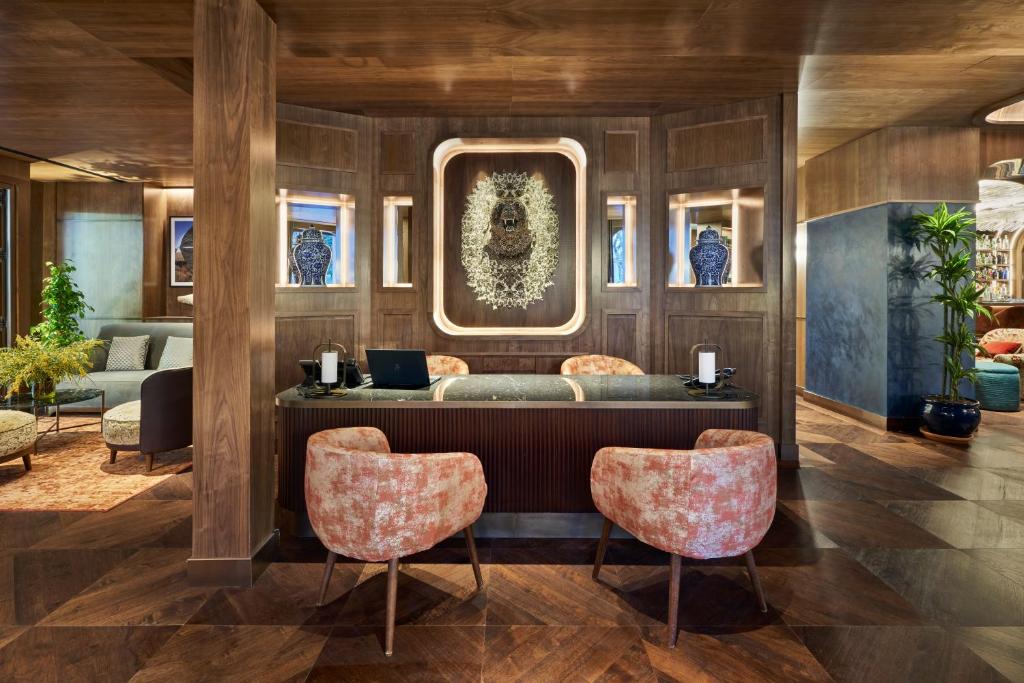
Seda Club Hotel - Small Luxury Hotels
A five-star hotel with a terrace, restaurant, spa, massages and gym, a few minutes’ walk from the Cathedral. Rooms are soundproofed and some have balconies or city views; room service is available, and breakfast is à la carte, though it isn’t included in the price. Pets are allowed on request.
Plaza Nueva and the Darro: at the foot of the Alhambra
Plaza Nueva is the city’s meeting point. The Carrera del Darro starts here, perhaps Granada’s prettiest street, following the river between stone bridges, convents and the Arab baths of El Bañuelo to the Paseo de los Tristes, with the Alhambra lit up above. On the other side, the steep Cuesta de Gomérez climbs on foot to the Puerta de las Granadas and the Alhambra woods.
It’s ideal if you want a grand setting without the steep climbs of the upper Albaicín, with minibuses to the Albaicín and Sacromonte right outside. In return, the terraces get busier at night. We’ve picked two places to stay along this stretch:
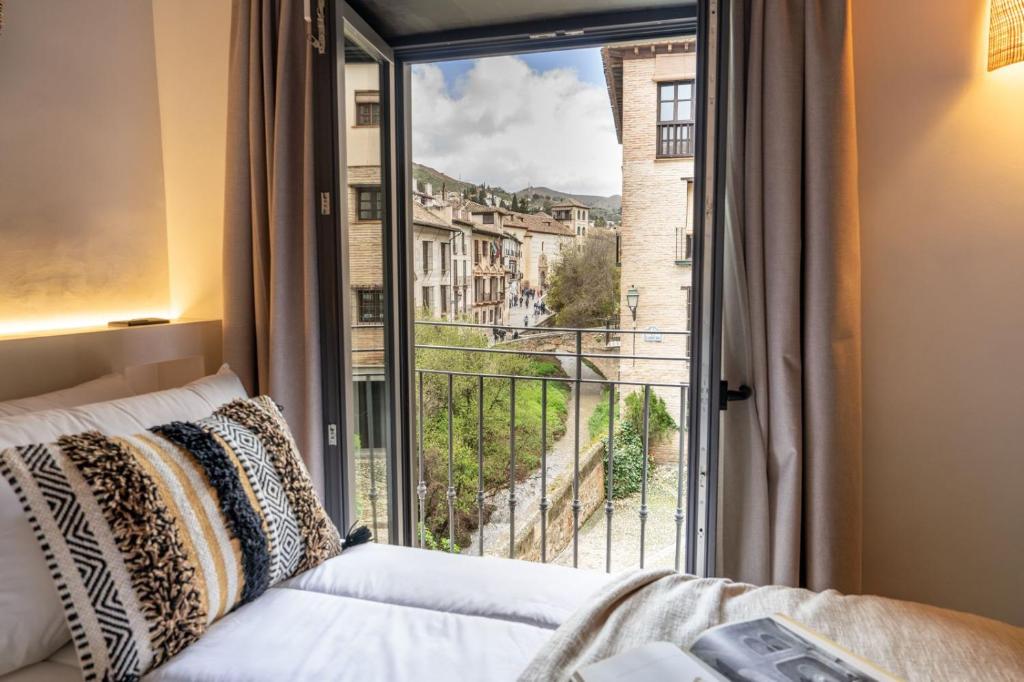
Las Amiras Homes Collection Adults Recommend
A guesthouse between Plaza Nueva and the Carrera del Darro, with rooms overlooking the river and a buffet breakfast that can also be served in your room. The largest room category has a bathtub and terrace, a treat for couples. All rooms sleep a maximum of two people, there’s no parking, and it’s best to arrive before seven in the evening, when check-in closes.
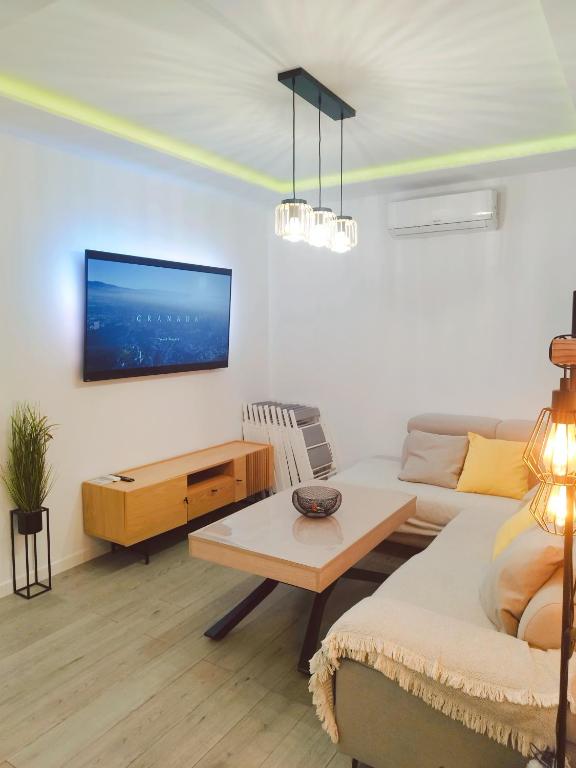
City Castle, Granada center, casa completa
A 125-square-metre entire house right in the centre, about two hundred metres from the Alhambra, with two bedrooms, two bathrooms, a kitchen with a dishwasher, a patio, balcony and terrace with city views. Designed for groups and families who want their own space; pets are also welcome. The upper floors are accessible only by stairs, there’s no parking, and guests are asked to keep quiet between eleven at night and nine in the morning.
The Albaicín: stay opposite the Alhambra
The Albaicín is the neighbourhood you have to see in Granada and, for many travellers, the place to stay too. Its cobbled lanes climb from the Darro between cármenes—traditional houses with orchards and gardens enclosed by high walls—to the Mirador de San Nicolás, the best-known viewpoint overlooking the Alhambra. Since 1994, it has shared UNESCO World Heritage status with the Nasrid complex.
By evening, once the tour groups have left, the neighbourhood settles back into its local rhythm of cisterns and church bells. The steep hills and steps are the trade-off: if you have heavy luggage or limited mobility, it’s better to take a taxi to the door or stay in the centre. Minibuses C31 and C32 run through the neighbourhood and spare you the steepest climbs. Here are our picks in the Albaicín:
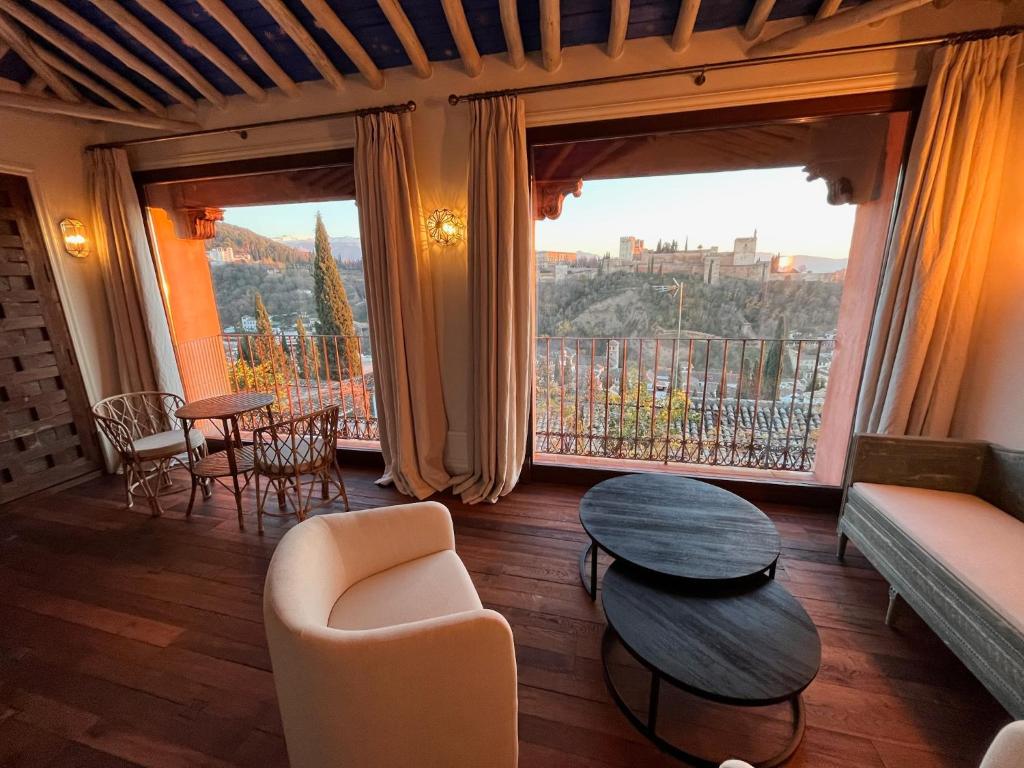
La Casa JuanRanas
An adults-only bed and breakfast beside San Nicolás, with panoramic rooms overlooking the city, the mountains or the monuments. Choose from rooms with a balcony, terrace, patio, bathtub or even a sauna; there’s also an on-site restaurant. There’s no lift, so the upper floors are reached by stairs, and private parking is available for a fee.
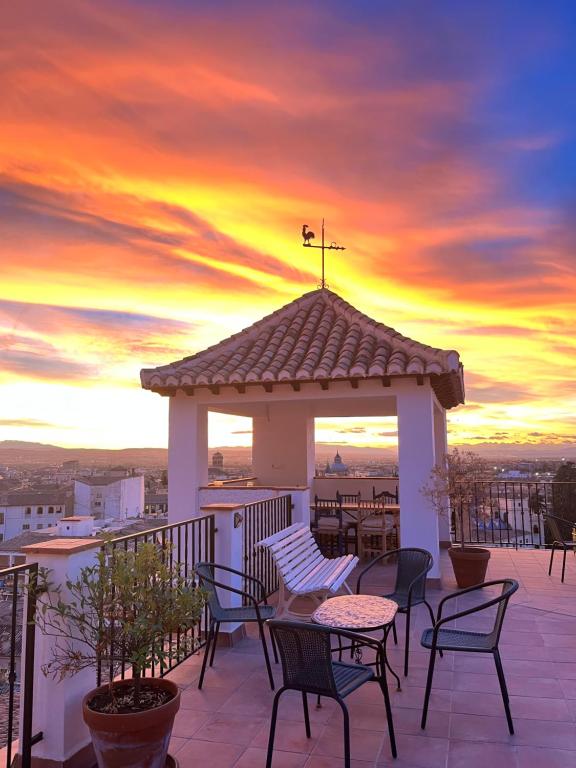
Mirador del Zenete
Suites with equipped kitchens in the heart of the Albaicín, a short walk from Puerta Monaita and the Palace of Dar al-Horra, with a garden, terrace and seasonal outdoor pool that’s especially welcome in summer. The fast Wi-Fi is useful if you’re working remotely for a few days. Getting there on foot involves steep hills and steps, nearby public parking is paid, and the facilities are for guests only.
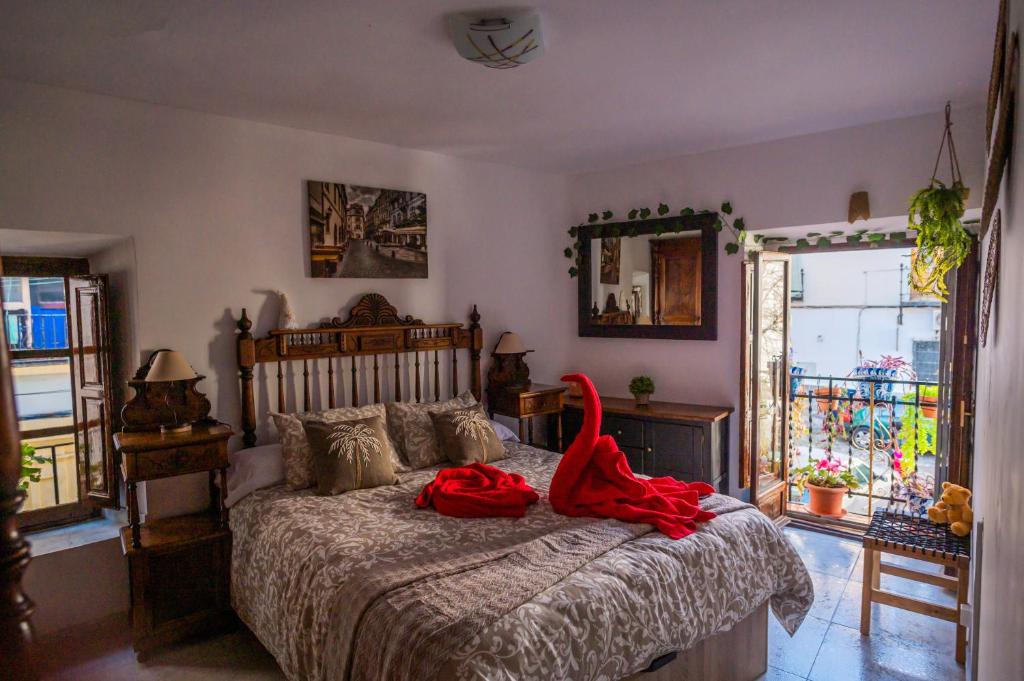
Casa Asia
A three-bedroom house for five people, a two-minute walk from the Mirador de San Nicolás, with a full kitchen and balcony. Your pet can come along at no extra charge. There’s no parking, the upper floors are accessible only by stairs, and a cash deposit is required on arrival.
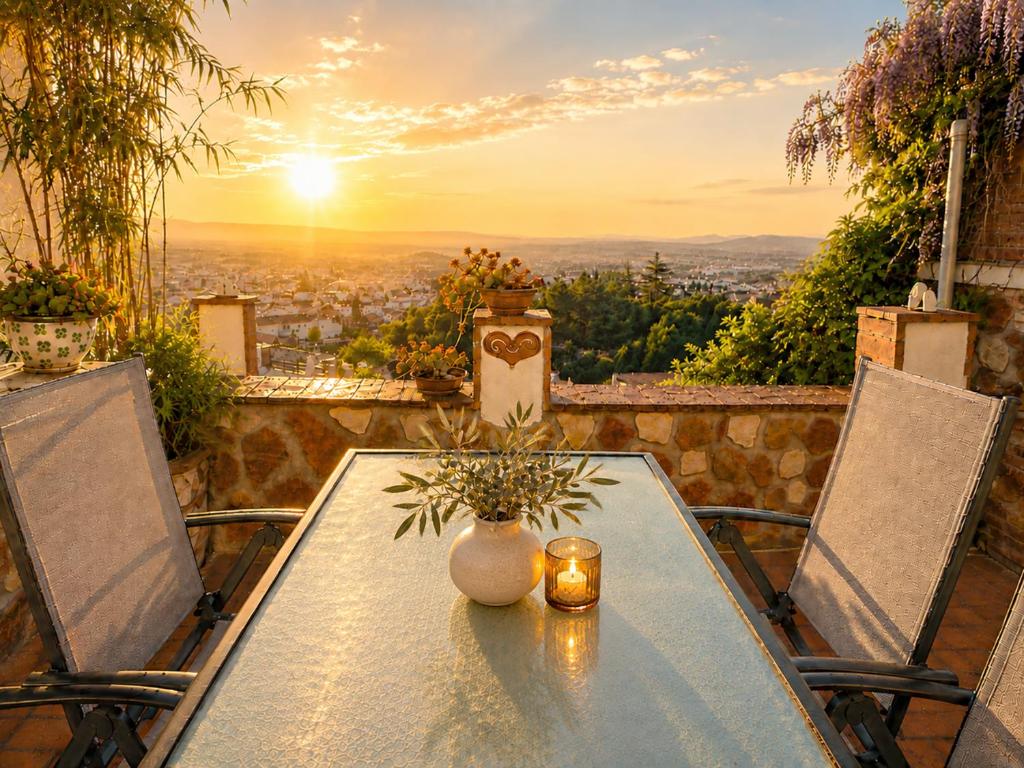
VillaSanMiguelAlto Granada
A house in the upper Albaicín with three bedrooms and space for eight, plus a garden, patio, terrace, barbecue and views of the mountains and city. The pool is shared and only open from 15 June to 15 September, so don’t count on it outside summer. There’s free private parking nearby, though spaces can’t be reserved.
The Sacromonte: the experience of sleeping in a cave
Follow the Darro beyond the Paseo de los Tristes and the path to the Sacromonte leads into the Valparaíso valley. Here, whitewashed homes are caves carved into the hillside, cool in summer and warm in winter, and flamenco zambra performances take place in the tablaos on many nights. At the top stands Sacromonte Abbey and, halfway up the hillside, the Sacromonte Caves Museum shows what life in the caves was like.
Staying in the Sacromonte is for anyone looking for something different who doesn’t mind being a little removed: the centre is about a twenty-minute walk along the Darro or a ride on minibus C34 from Plaza Nueva. Our pick in the neighbourhood:
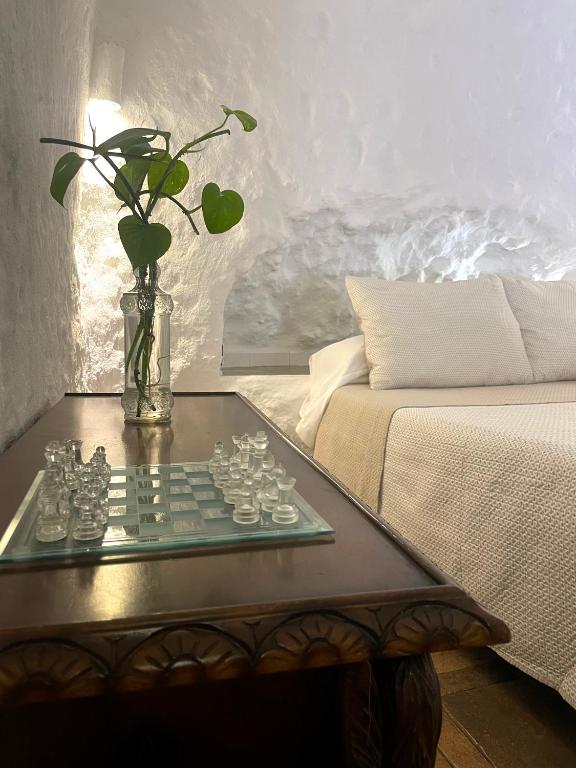
CUEVA DE DAVID
An independent 62-square-metre cave house in the Sacromonte, with a separate bedroom, living room, equipped kitchen and a terrace overlooking the mountains. It sleeps four, and pets are welcome at no extra cost. Nearby public parking can’t be reserved, and parties and stag or hen parties aren’t allowed.
What to see in Granada
The essential visit is the Alhambra: the Nasrid Palaces with the Court of the Lions, the Alcazaba with the Torre de la Vela, the Palace of Charles V and the gardens of the Generalife. Allow about three hours and buy your ticket through the Board’s official channel, where tickets go on sale up to three months in advance; they sell out quickly in high season. The Nasrid Palaces ticket has a fixed time that can’t be changed, and you’ll be asked for your ID along with the QR code at the entrance. Night visits to the palaces are available year-round, and night visits to the Generalife gardens run from April to November.
In the lower city, make time for the Cathedral, the Royal Chapel, the Madraza and the Monastery of San Jerónimo. South of the Alhambra, El Realejo has the Campo del Príncipe, grand old houses and urban art murals. To follow in Federico García Lorca’s footsteps, visit the Huerta de San Vicente, his summer home, and the Lorca Centre in Plaza de la Romanilla.
Granada is a great city for tapas: in many bars, a tapa comes free with every drink, especially on Calle Navas, Calle Elvira and in El Realejo. At sunset, head up to the Mirador de San Nicolás or, if you’d prefer fewer people, the San Cristóbal viewpoint.
Day trips from Granada
Few cities have snow and the sea so close together. The Sierra Nevada ski resort is less than an hour away by car, and its trails make for a refreshing summer escape. To the south, the white villages of La Alpujarra, such as Pampaneira, Bubión and Capileira, cling to the mountainside among irrigation channels and chestnut trees.
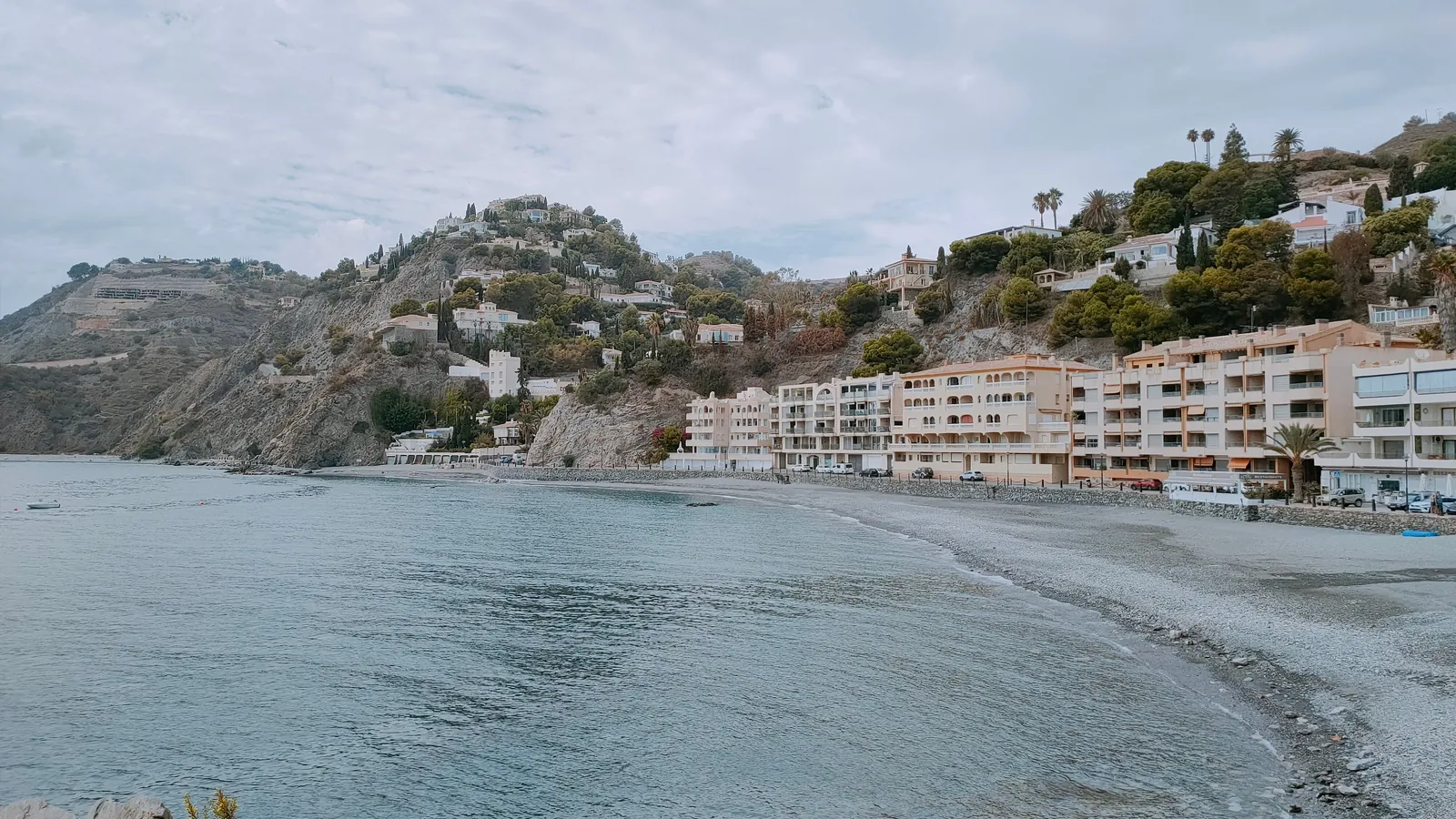
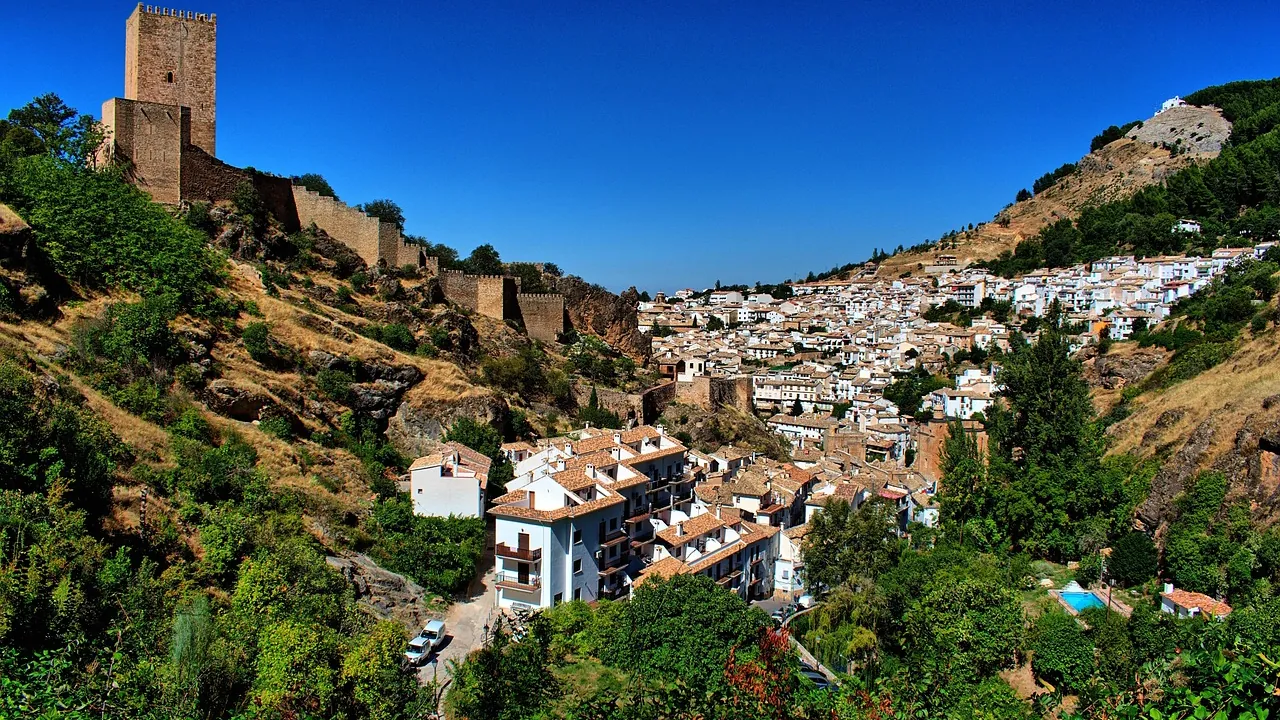
About an hour along the motorway takes you to the Costa Tropical, with Almuñécar and its coves. Málaga and Córdoba are a couple of hours away, making it easy to combine Granada with other cities in Andalusia on the same trip. Guadix, with its cave neighbourhood, is another good day trip.
When to visit Granada
Spring and autumn are the best times to visit: temperatures are pleasant, the Generalife gardens are at their best and, in spring, Sierra Nevada is still snow-capped in the distance. On 3 May, the city celebrates the Day of the Cross, when patios and squares are decorated, and the Corpus Fair takes place between May and June. Holy Week is intense and very busy, so it’s best to book ahead.
Summer is hot, but every June and July the International Festival of Music and Dance, Spain’s oldest, fills the Palace of Charles V and the Generalife Theatre with concerts. Winter nights are cold, but the light is clear, there are fewer visitors and you can combine a city break with a few days of skiing.
Getting to and around Granada
Federico García Lorca Granada-Jaén Airport is west of the city, less than half an hour from the centre, with a direct bus service. By train, high-speed services connect Granada with Madrid in just over three hours, and the station is linked to the centre by light rail and several urban bus routes. Málaga Airport, connected to Granada by bus, is the usual alternative for international flights.
Once in the city, the historic centre is best explored on foot. Minibuses help with the hills: C30 goes up to the Alhambra from Plaza de Isabel la Católica, C31 and C32 run through the Albaicín, and C34 goes to the Sacromonte from Plaza Nueva. A car is more of a hindrance than a help because of the Low Emission Zone and restricted access in the centre; save it for day trips.
Granada fits well into a longer trip through the south: compare different bases in our guide to where to stay in Andalusia. If you’d like to add another historic city, see where to stay in Córdoba or where to stay in Málaga; for a few days by the sea on the Costa Tropical, see where to stay in Almuñécar.
Frequently asked questions
Answers to the questions we hear most from people planning a trip to Granada.
What’s the best area to stay in Granada?
For a first visit, stay in the centre, between the Cathedral, Gran Vía and Plaza Nueva: it’s flat, has all the amenities you need, and minibuses to the Alhambra, Albaicín and Sacromonte depart from there. If you’re looking for atmosphere and views, the Albaicín is the most special option, with viewpoints opposite the Alhambra and peaceful nights, in exchange for steep hills and steps. In the Sacromonte you can sleep in a cave, while El Realejo is a neighbourhood alternative with good taverns.
Is it better to stay in the Albaicín or the centre?
It depends on how you travel. The Albaicín offers Granada at its most evocative, with traditional houses, narrow lanes and the Alhambra across the valley, but its steep streets make it harder to arrive with luggage or by car. The centre is more practical, with transport, shops and restaurants on your doorstep, and the Albaicín is a ten- to fifteen-minute walk away. For two or three nights as a couple, the Albaicín is worth it; with young children or limited mobility, the centre is a better choice.
How many days do you need to see Granada?
With two full days, you can see the essentials: a morning or afternoon at the Alhambra and Generalife, which take about three hours, and the rest of your time for the Cathedral, Royal Chapel, Albaicín, Sacromonte and tapas. Three or four days let you add a night visit to the palaces, El Realejo, Huerta de San Vicente and a trip to Sierra Nevada or La Alpujarra. If you only have one night, prioritise the Alhambra and sunset at San Nicolás.
How can I get tickets for the Alhambra?
Buy them through the Alhambra Board’s official channel, where tickets go on sale up to three months in advance. They sell out quickly in spring, on long weekends and in summer, so don’t wait until you’re in Granada. The Nasrid Palaces visit has an assigned time that can’t be changed, and you’ll be asked for your QR code and ID at the entrance. If you can’t find a daytime ticket, try a night visit to the palaces, available year-round.
Can you drive into central Granada?
You can, but it’s not the most convenient option. Since October 2025, the Low Emission Zone has fined cars without an environmental sticker that are registered outside Granada, and much of the historic centre, including the Albaicín, has restricted access. Most people leave their car in a public car park or at their accommodation, usually for a fee and with a reservation, then get around on foot or by minibus. Ask your accommodation how to arrange access before you arrive.
When’s the best time to visit Granada?
Spring and autumn are the most pleasant seasons, with mild temperatures and the Generalife gardens in bloom or glowing with autumn colours. Spring comes alive with the Day of the Cross on 3 May and the Corpus Fair, while the International Festival of Music and Dance brings concerts to the Alhambra in June and July. Summer is very hot in the middle of the day, while winter is cold but bright, with fewer visitors and the chance to ski in Sierra Nevada.