Español
 English
 Français
 Deutsch
 Italiano
 Nederlands
 Português
 日本語
 中文
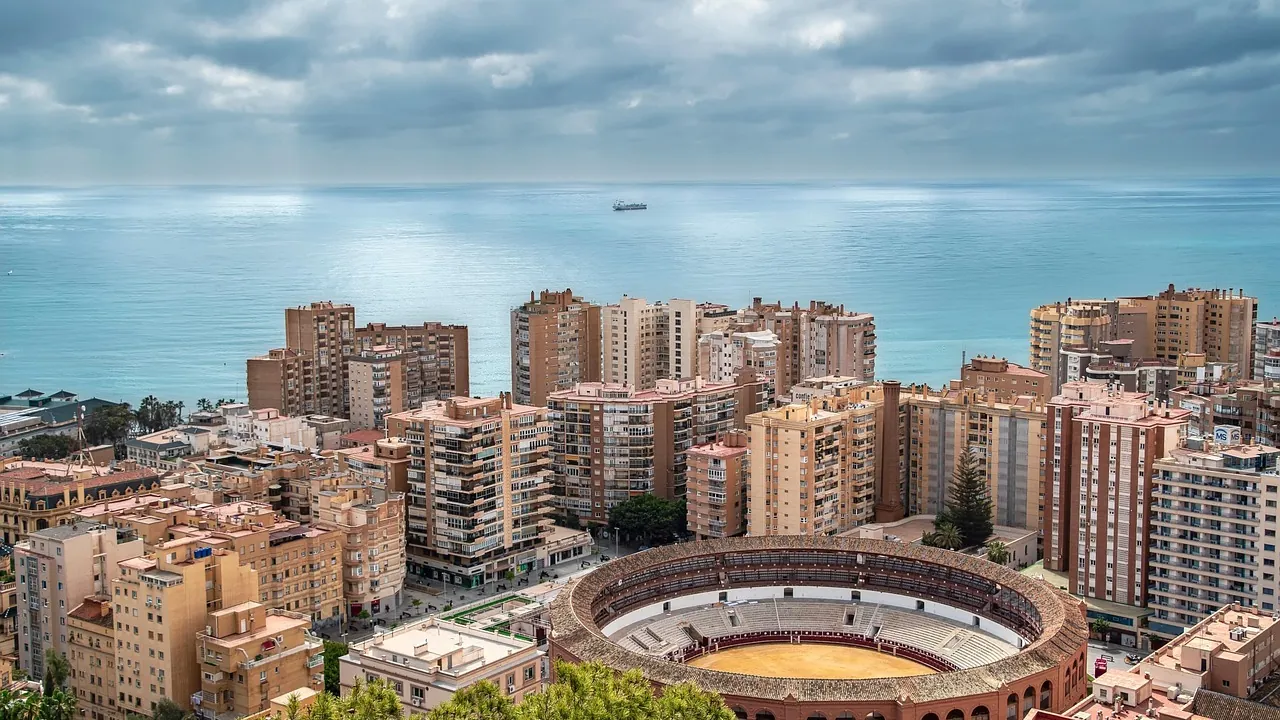
Malaga has gone in just a few years from being the city with the Costa del Sol airport to a destination in its own right. It has a pedestrianised old town, an Arab fortress on the hillside, a long list of museums and city beaches just a short walk from the centre, all with mild winters that make it a year-round destination.
Choosing where to stay in Malaga mainly depends on how you want to divide your time between sights, the sea and some peace and quiet. In this guide, we’ll explain the different areas and suggest twelve places to stay that we’ve reviewed one by one before recommending. To see the full range, visit our page on places to stay in Malaga.
How to choose where to stay in Malaga
The city stretches along the coast, between the Guadalhorce River to the west and the old fishing neighbourhoods to the east, with the Guadalmedina separating the historic centre from the areas on the other side. For a short stay, the rule is simple: the closer you are to the Cathedral, the less you’ll need public transport.
- Historic centre: Calle Larios, the Cathedral, Plaza de la Merced and Atarazanas Market. You can get everywhere on foot, but expect busy streets and expensive or non-existent parking.
- Soho and the port: the neighbourhood of murals and Muelle Uno, between Alameda and the sea, with a creative vibe and the centre five minutes away.
- La Malagueta and La Caleta: the closest beachfront to the old town, with a seafront promenade, beach bars and grand old houses.
- Pedregalejo and El Palo: the old fishing neighbourhoods to the east, with low-rise houses, sardine espetos and year-round neighbourhood life.
- Western and northern neighbourhoods: Cruz de Humilladero, Churriana and Puerto de la Torre are residential and cheaper, and useful if you’re driving, attending a conference or staying near the airport.
- Further afield: Rincón de la Victoria and the Axarquía, for those who want a pool, views and countryside less than an hour from the city.
A practical point: many streets in the old town are pedestrianised, and almost no hotel has its own garage. If you’re arriving by car, consider staying in the east or in a residential neighbourhood and getting around by bus or metro.
Historic centre: stay between the Cathedral and Atarazanas
Malaga’s centre is compact and easy to explore in a morning: from Calle Larios, the marble-paved shopping street, it’s just a few minutes to the Cathedral, the Picasso Museum in Buenavista Palace and Plaza de la Merced, where the painter was born. At the foot of the hill are the Roman Theatre and the entrance to the Alcazaba.
Staying here means you can return to your hotel halfway through the day and head out for dinner without watching the clock, as the streets stay busy late into the evening. The downside is that nightlife noise is real around the bars, and it gets busy at weekends. Here are the four places we picked in the old town:
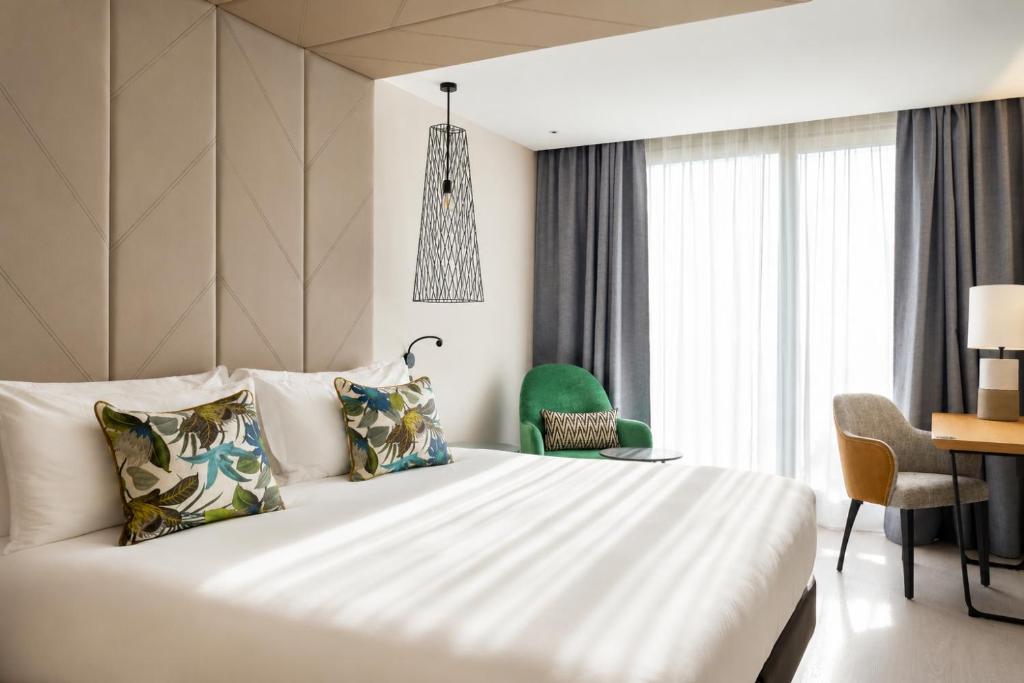
Vincci Larios Diez
A four-star hotel right on Calle Marqués de Larios, a short walk from the Cathedral and Atarazanas Market, with a restaurant, bar and room service. Some rooms have a terrace or whirlpool bath, while others look out over the rooftops of the city centre. The nearest car park is public, paid and must be booked in advance.
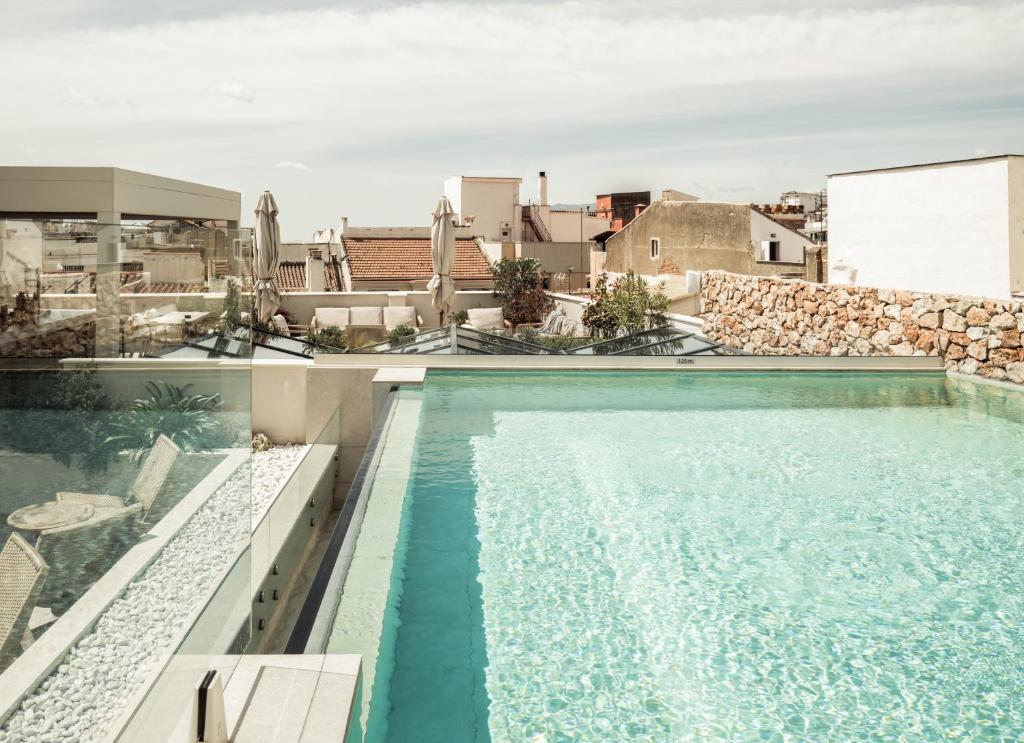
Hotel Well and Come Málaga
It’s about a hundred metres from Picasso’s birthplace, in the Plaza de la Merced area, and has something unusual for the old town: an outdoor pool with a terrace. The rooms are soundproofed, and there’s a bar and an optional buffet breakfast. There’s no parking, and the hotel doesn’t accept unaccompanied minors or hen and stag parties.
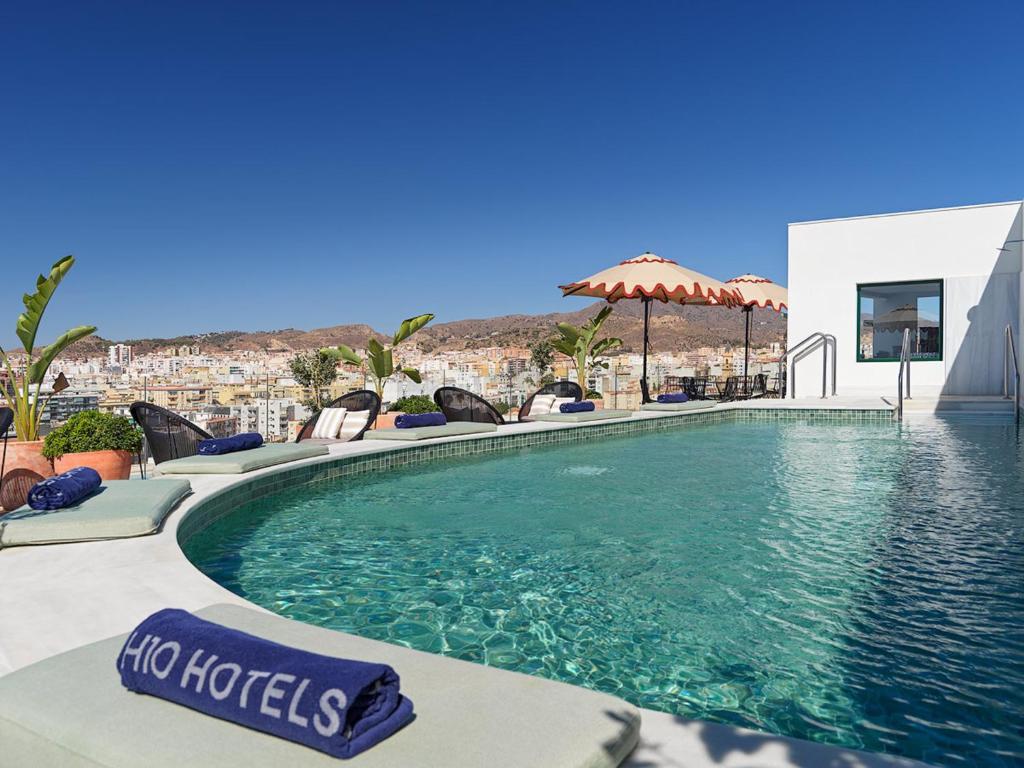
H10 Croma Málaga
An urban hotel a hundred metres from Atarazanas Market, with an outdoor rooftop pool, gym and restaurant. It works well for families, with family rooms and connecting double rooms available. Private parking costs extra and cannot be reserved, and Malagueta Beach is just over a kilometre away.
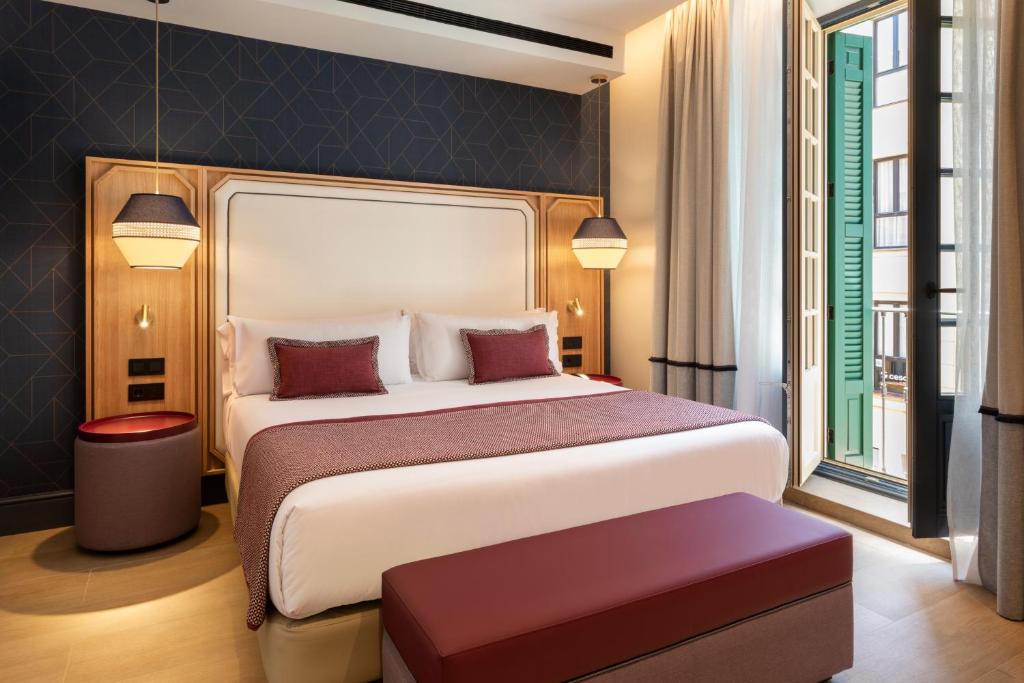
Catalonia Puerta del Mar
Another four-star hotel by Atarazanas, ideal for exploring the old town on foot and unwinding in soundproofed rooms. It has a restaurant, bar, snack bar and gym, as well as family rooms with sofa beds. Pets are welcome for an extra charge and deposit, and you’ll need to use a nearby public car park.
La Caleta, Pedregalejo and El Palo: Malaga by the sea
East of the port, the city opens up to the sea along several kilometres of seafront promenade. First come La Malagueta and La Caleta, with their grand old houses and the centre about a twenty-minute walk away; further along are Pedregalejo and El Palo, old fishing neighbourhoods where low-rise houses open straight onto the sand.
It’s the ideal area if you’re visiting in summer or with children and want to get to the beach without needing transport. In 2026, seven of the city’s beaches were awarded Blue Flags, including Malagueta, La Caleta, Pedregalejo and El Palo. As evening falls, beach bars grill sardine espetos over boats filled with sand—the most Malagan dinner there is. Here are the three entire homes we picked:
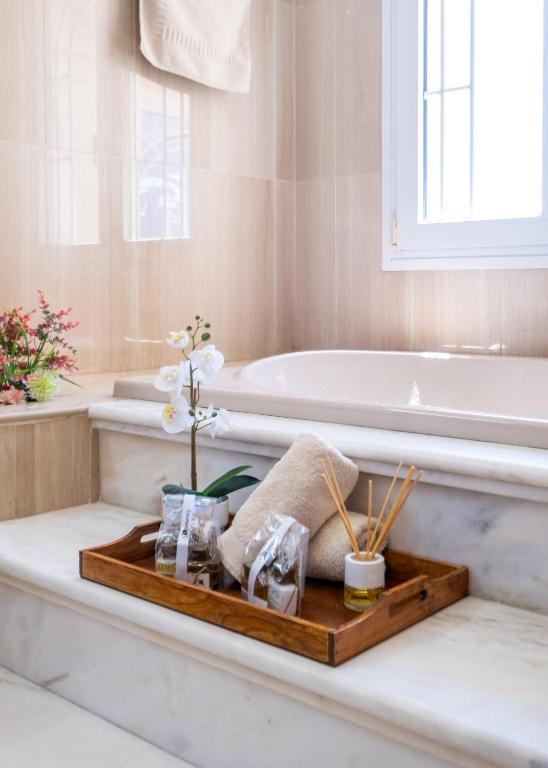
Villa María Teresa
An entire villa with six bedrooms for up to fourteen people, 150 metres from La Caleta Beach and a short walk from the city-centre museums. It has a garden, terrace, whirlpool bath and full kitchen, making it suitable for a large family or a group of friends. Check-in is in the afternoon, between 16:00 and 20:00, and the upper floors are only accessible by stairs.
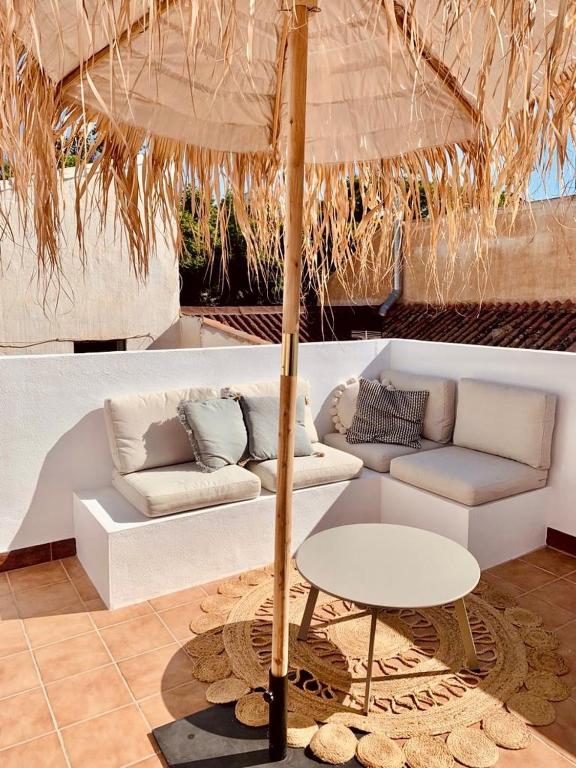
Casita 10 Málaga, holiday home with roof terrace
A house in the heart of Pedregalejo, a hundred metres from the beach, with a rooftop terrace and a well-equipped kitchen for a proper neighbourhood stay. Free bicycles are included—the best way to follow the seafront promenade into the centre. Arriving late? There’s an extra charge after 22:00, and there’s no lift or guaranteed parking space.
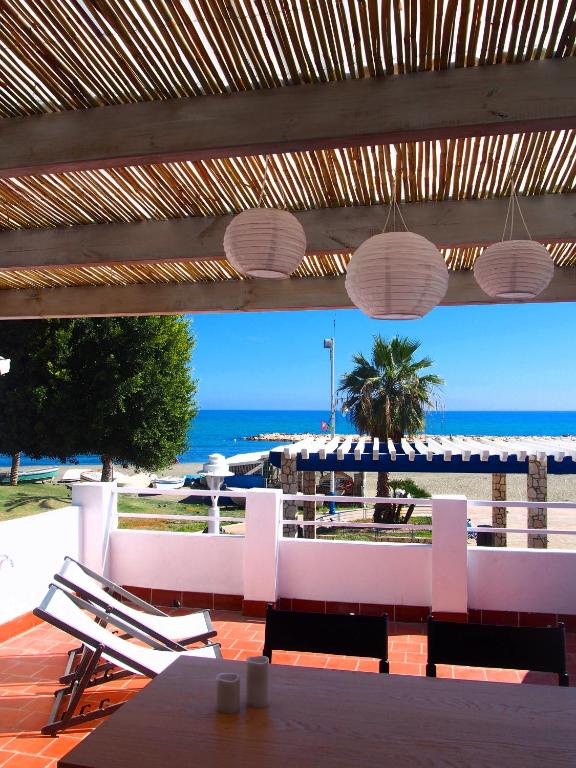
PLAYA 45, FIRST LINE BEACH HOUSE
Right on the seafront: the house opens onto El Palo Beach and has sea views from the terrace, as well as a patio for dining outdoors. With two bedrooms and a well-equipped kitchen, it’s a good base for four people who want to enjoy the old fishing neighbourhood at their own pace. There’s no parking, and it’s best to let the hosts know when you’ll arrive, as check-in ends at 22:00.
Western and northern neighbourhoods: Cruz de Humilladero, Churriana and Puerto de la Torre
Across the Guadalmedina and towards the airport, Malaga becomes a residential city where tourists are in the minority. Homes are larger, there’s more room to park on the street, and supermarkets and bars have neighbourhood prices. It’s a sensible option if you’re travelling in a group, attending a fair at the Trade Fair and Congress Centre or hoping to set off early for the Costa del Sol.
Churriana, next to the airport, retains a village feel, with the historic gardens of La Cónsula and El Retiro and the home of the writer Gerald Brenan. Puerto de la Torre, in the north-western hills, is peaceful and has great views. From either area, it’s a short drive or bus ride to the centre:
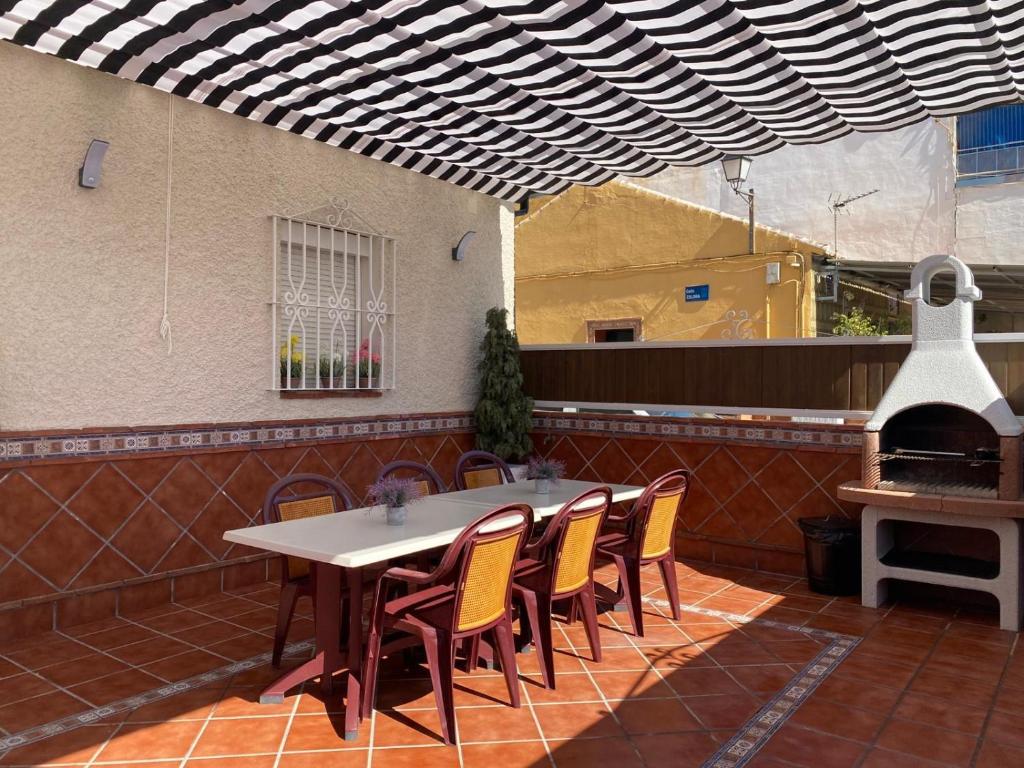
Alojamiento en Málaga cerca de FYCMA y aeropuerto
An entire house in Cruz de Humilladero, with three bedrooms for six people, a balcony, terrace and barbecue. It’s less than two kilometres from the Trade Fair and Congress Centre, so it suits anyone coming to an event who would rather cook and have plenty of space. There’s no parking or lift, and quiet hours apply at night.
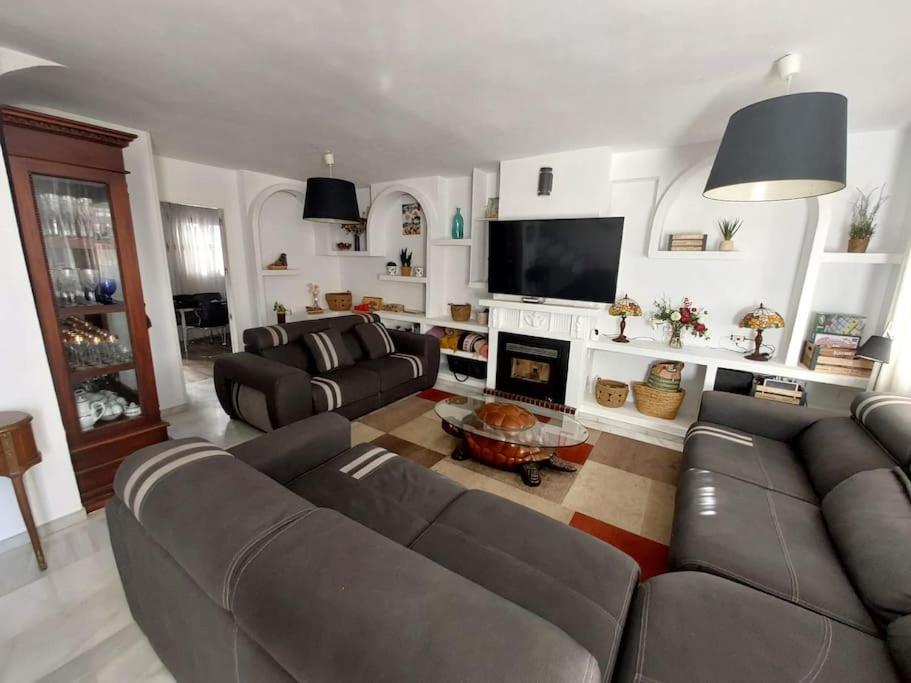
Málaga casa grande familiar
In Churriana, a few minutes from the airport, it offers four- or five-bedroom houses for groups of eight or fourteen, with a patio, terrace and barbecue. The Wi-Fi is fast, which is handy if anyone needs to work. The nearest beaches are about four kilometres away, parking is public, and guests are asked to keep noise down at night.
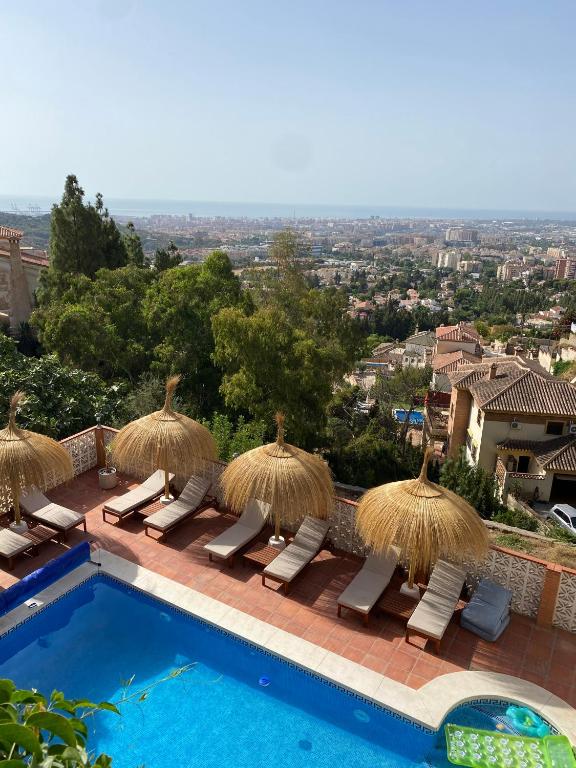
Bed & Breakfast Villa Botánica
A guesthouse in Puerto de la Torre with a pool, garden and rooms with balconies or terraces and sea views. It has a shared lounge and games room, and the public car park next to the house is free. It’s a good choice if you’re travelling by car and looking for peace and quiet; breakfast isn’t included, and the upper floors are reached by stairs.
Outside the city: Benagalbón and the Axarquía
East of the city lies the Axarquía, a region of hills, Moscatel vineyards and white villages that reaches the sea at Rincón de la Victoria, Torrox and Nerja. Staying here means pools, peace and quiet, and views, but you’ll depend on a car for every outing.
It’s a good option for couples who want to combine a couple of days of museum visits with some proper downtime. Our two picks are between twenty minutes and three quarters of an hour from the city:
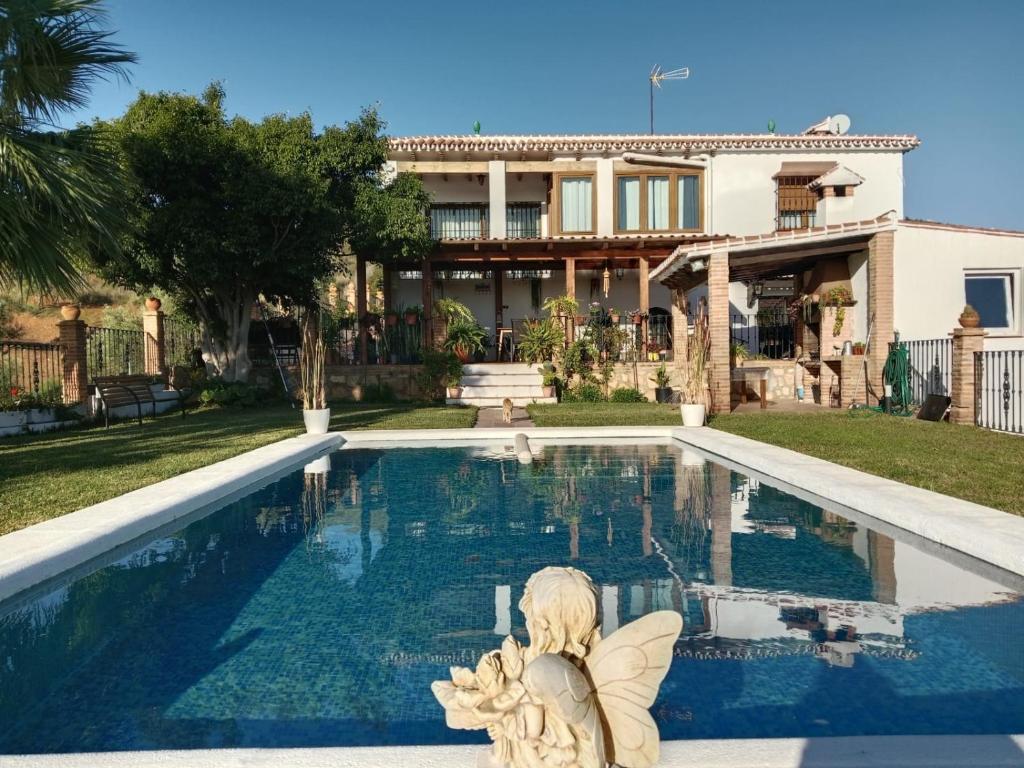
Paraje El Pozo
A little country house for two in Benagalbón, in the municipality of Rincón de la Victoria, with a seasonal pool, garden and a terrace overlooking the sea. The equipped kitchen lets you make your own plans, and the beaches of Rincón are about four kilometres away. You’ll need to arrive before 18:00 and pay by bank transfer before your stay.
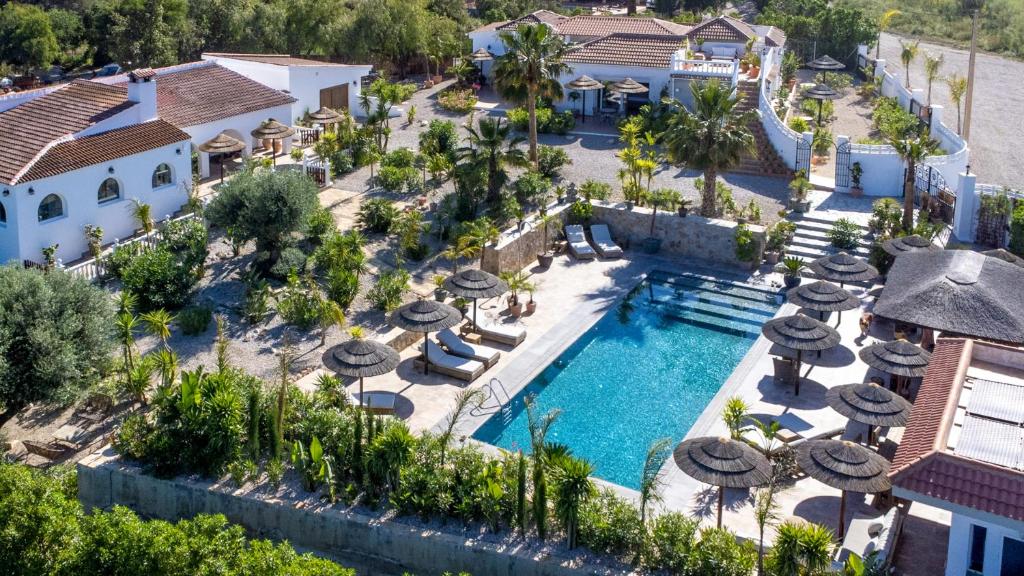
Boutique B&B Villa La Viñuela
A small B&B beside the village of La Viñuela, in the heart of the Axarquía, with a pool, garden and double rooms with terraces and mountain views. Breakfast is continental, and there’s free private parking—ideal for exploring the area on foot or by bike. Rooms are for two adults only, and check-in ends at 20:00.
What to see in Malaga
Sightseeing usually starts on the hill: the Alcazaba, an 11th-century Muslim palace-fortress, is linked by a wall to Gibralfaro Castle, whose ramparts offer views across the whole bay. At its foot, the Roman Theatre is a reminder that the city was already an important port two thousand years ago. A few minutes away is the Cathedral, nicknamed “La Manquita” (“the one-armed lady”) because its second tower was never completed.
Malaga is also a city of museums. Alongside the Picasso Museum and the painter’s birthplace, it’s worth making time for the Carmen Thyssen Museum, with its collection of 19th-century Andalusian paintings; the Museum of Malaga in the Customs Palace; and the Centre Pompidou, the colourful cube at Muelle Uno. In between, Atarazanas Market, with its Nasrid gateway, is the place to try fried fish and marinated olives.
For a breather, the Paseo del Parque and the Palmeral de las Sorpresas take you from the centre to the sea, while the La Concepción Botanical Garden to the north is a historic estate with tropical plants. For a day trip, the Caminito del Rey, clinging to the Gaitanes Gorge, is an hour’s drive away, and tickets must be booked in advance.
When to visit Malaga
Malaga is enjoyable year-round thanks to its mild winters, but each season has its own character. Spring and autumn are ideal for walking around the city without the heat, and you can still swim on warmer days. Summer is the season for beaches and terraces, with intense heat in July and August.
Accommodation demand follows the events calendar. It’s best to book well ahead for these dates:
- Malaga Film Festival: the Spanish-language film festival celebrates its 30th edition from 26 February to 7 March 2027, with a red carpet and screenings in the centre.
- Holy Week: huge processional floats make their way through the centre all week, and the city reaches its highest occupancy.
- August Fair: held in mid-August, with daytime celebrations in the centre and evening festivities at the fairground in Cortijo de Torres.
- Christmas: Calle Larios’ festive lights are switched on in late November, with a light and music show repeated several times each evening until early January.
For a quieter trip and better conditions, October, November and January to March, outside those event dates, are the most rewarding months.
Getting to and around Malaga
Malaga-Costa del Sol Airport is about 8 kilometres from the centre and is the main gateway to the province. The Cercanías commuter train C1 leaves from the terminal and goes to Malaga Centro-Alameda station, beside the old town. There’s also an express bus to the centre and taxis outside the terminal.
By train, María Zambrano station receives high-speed services from Madrid and other Andalusian cities. From there, the metro connects with the centre: since March 2023, it has run to Atarazanas station, beside the market.
Once you’re settled in, the old town, port and La Malagueta are easy to explore on foot, and city buses run to Pedregalejo and El Palo along the seafront. A car is only worthwhile if you’re staying in the residential neighbourhoods or the Axarquía, or planning trips to Ronda, the Caminito del Rey or the coastal villages.
Malaga is the gateway to our guide on where to stay in Andalusia. If you’re continuing along the Costa del Sol, also see where to stay in Benalmádena and where to stay in Marbella; if you’d rather head inland, see where to stay in Ronda.
Frequently asked questions
Here are answers to the questions people most often ask when planning a trip to Malaga.
What’s the best area to stay in Malaga?
For a first visit, the historic centre is the most convenient option: the Cathedral, the Alcazaba, the Picasso Museum, Atarazanas Market and the port are all just a few minutes’ walk away, and restaurants stay open late. If you’re visiting in summer or with children, La Caleta, Pedregalejo and El Palo combine city beaches with a neighbourhood feel and good transport links to the centre. The residential neighbourhoods to the west and north suit groups and anyone travelling by car.
Is it better to stay in the centre or near the beach?
It depends on how important the beach is to your trip. Staying in the centre saves you travelling time when visiting sights and going out for dinner, but it’s noisier and there’s very little parking. Pedregalejo and El Palo are about twenty minutes from the old town by bus, with beachfront houses and beach bars serving espetos. La Caleta is a happy medium: the beach is just steps away, and the centre is about a twenty-minute walk along the seafront promenade.
How do you get from the airport to Malaga city centre?
Malaga-Costa del Sol Airport is about 8 kilometres from the centre. The most direct option is the Cercanías C1 train, which leaves from the terminal and ends at Malaga Centro-Alameda station, beside the historic centre. There’s also an express bus to the centre and a taxi rank outside the terminal. If you’re staying in Churriana, the airport is just a few minutes away by car.
Do you need a car to visit Malaga?
No, not to explore the city. The centre, port and La Malagueta are easy to get around on foot, city buses go to Pedregalejo and El Palo, and the metro connects María Zambrano station with Atarazanas. In the old town, a car is more of a hindrance than a help: there are lots of pedestrianised streets and parking is paid. A car is useful if you’re staying in the Axarquía or planning trips to Ronda, Nerja or the Caminito del Rey.
When is the best time to visit Malaga?
Spring and autumn are the best seasons for exploring the city in pleasant temperatures, and winters are usually mild and sunny. Summer is beach season, with intense heat in July and August. The busiest dates are Holy Week, the Malaga Film Festival, held from 26 February to 7 March in 2027, the Fair in mid-August and Christmas, when Calle Larios’ festive lights are on. It’s best to book ahead for these events.
Where should you stay in Malaga with children or in a group?
Large families and groups of friends are usually more comfortable in an entire house than in several hotel rooms. Near La Caleta Beach, there are villas with six bedrooms and a garden, while Churriana and Cruz de Humilladero have large houses with terraces and barbecues, in quieter areas with street parking. If you’d rather stay in a hotel in the centre, look for family or connecting rooms and, if possible, a rooftop pool.