Español
 English
 Français
 Deutsch
 Italiano
 Nederlands
 Português
 日本語
 中文
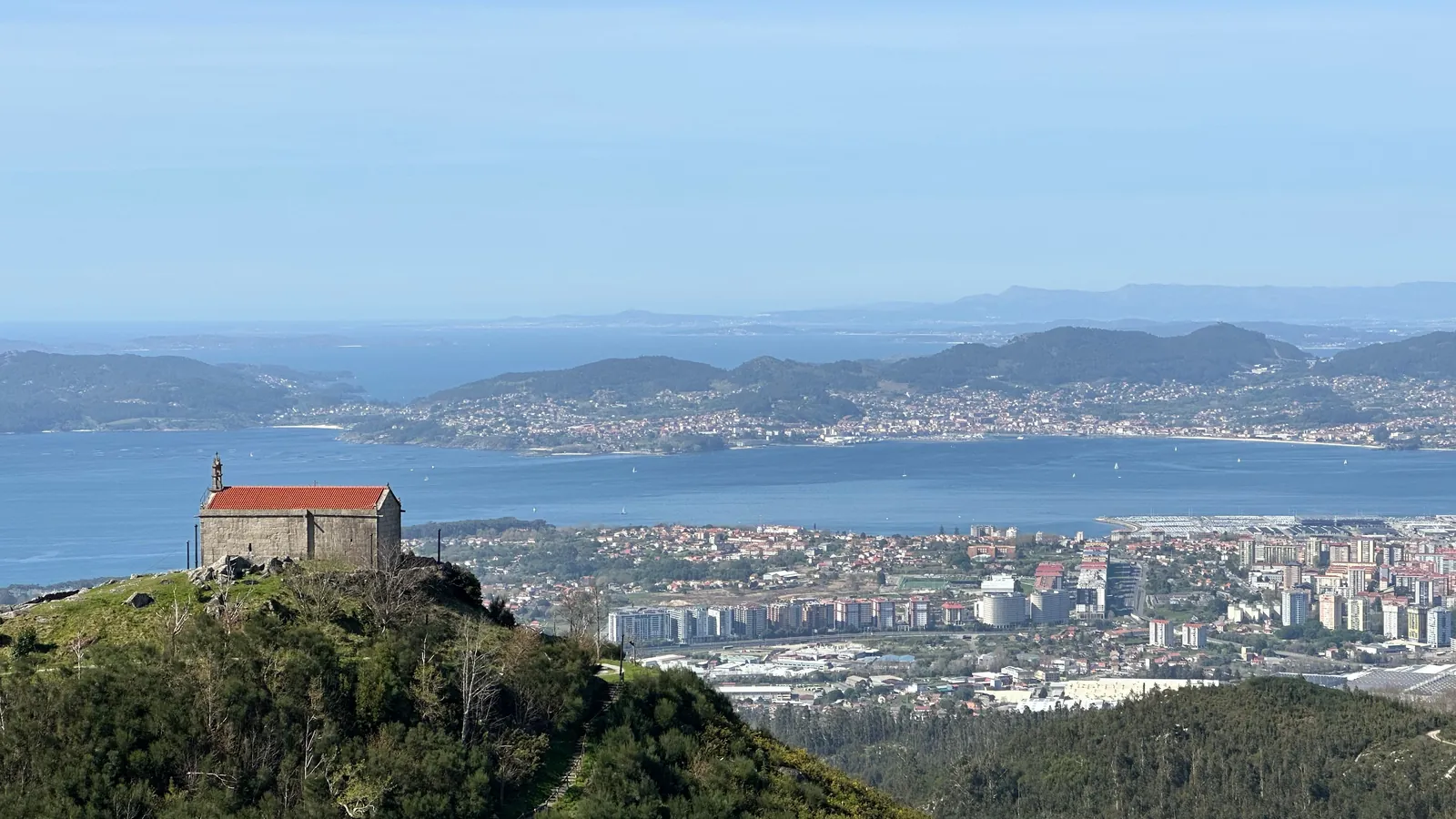
Vigo is the most populous city in Galicia, and the one that most resembles its port: cranes, fish markets, fishing boats and, at the far end of the estuary, the Cíes Islands on the horizon. Above the water, the centre climbs steep streets, crowned by Mount O Castro.
Choosing where to stay in Vigo mainly comes down to one question: city or beach? In this guide, we explain how Vigo is laid out and suggest places to stay that we choose one by one, from a hotel by the station to a villa with a pool.
How to choose an area
Vigo can be divided into four areas, each with its own pace:
- Centre and station area: the Urzáiz, Príncipe and Policarpo Sanz area, with shops, museums and the train station on your doorstep. The most practical option if you arrive without a car.
- Casco Vello and O Castro: the historic quarter that slopes down towards Berbés, with squares and terraces. It gets lively at night, so ask for a quiet room.
- Samil, Alcabre and Bouzas: the urban coast to the south, with a seafront promenade and sandy beaches one after another. Ideal in summer and with children.
- Saiáns and Oia: the southernmost end of the municipality, greener and more residential, with small coves. A car is almost essential here.
Steep hills are part of Vigo’s character. If you’re travelling with a suitcase or have limited mobility, check on the map how steep the street your accommodation is on.
Where to stay in Vigo: our picks
Two of these six places are in the centre and four on the southern coast; only the two holiday homes have free parking. To see more options, visit our page on places to stay in Vigo.
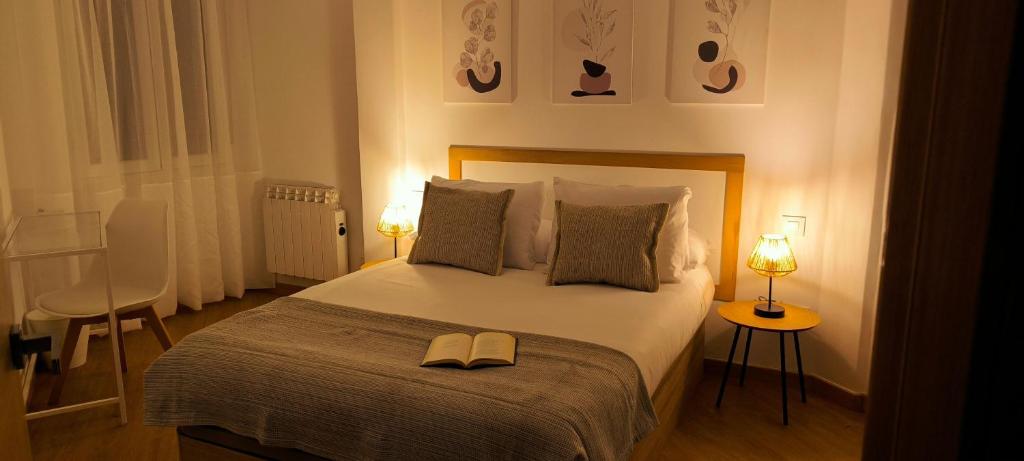
Hotel Arias
A simple, well-kept hotel a one-minute walk from the high-speed train station, ideal for anyone arriving by train. The rooms have a small seating area with a sofa, and there’s a lift and daily housekeeping. Breakfast isn’t included, and nearby parking is public and paid.
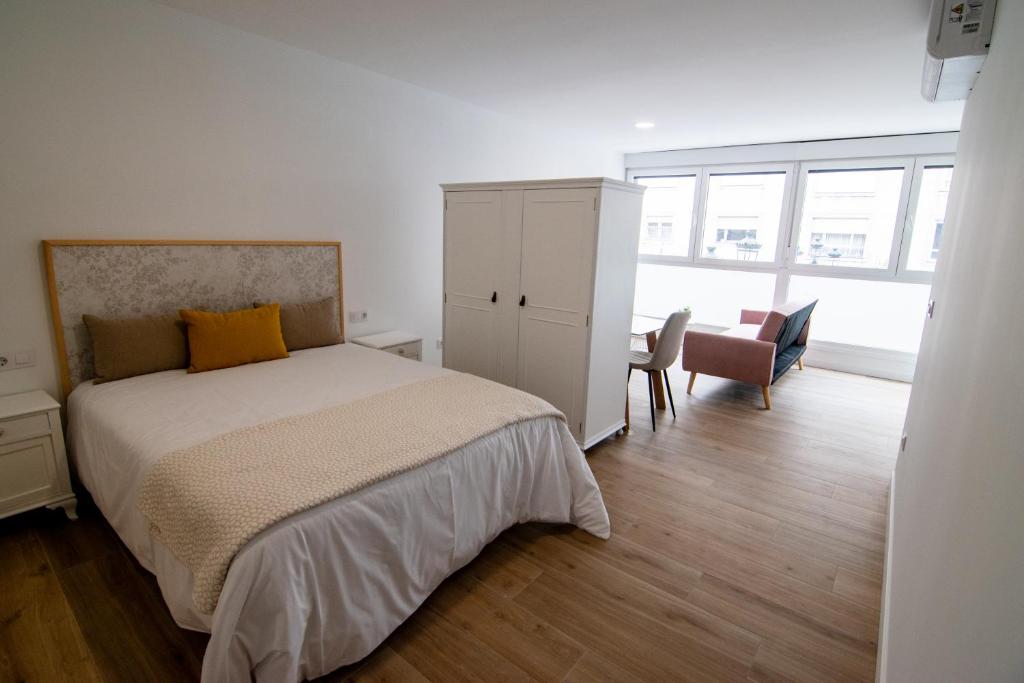
Pensión Mara
Two apartments for couples at the foot of Mount O Castro, with a separate bedroom and a fully equipped kitchen so you can prepare your own meals. It’s a short walk uphill to the fortress and downhill to the centre. Note: the upper floors are accessed by stairs, and there’s no private parking.
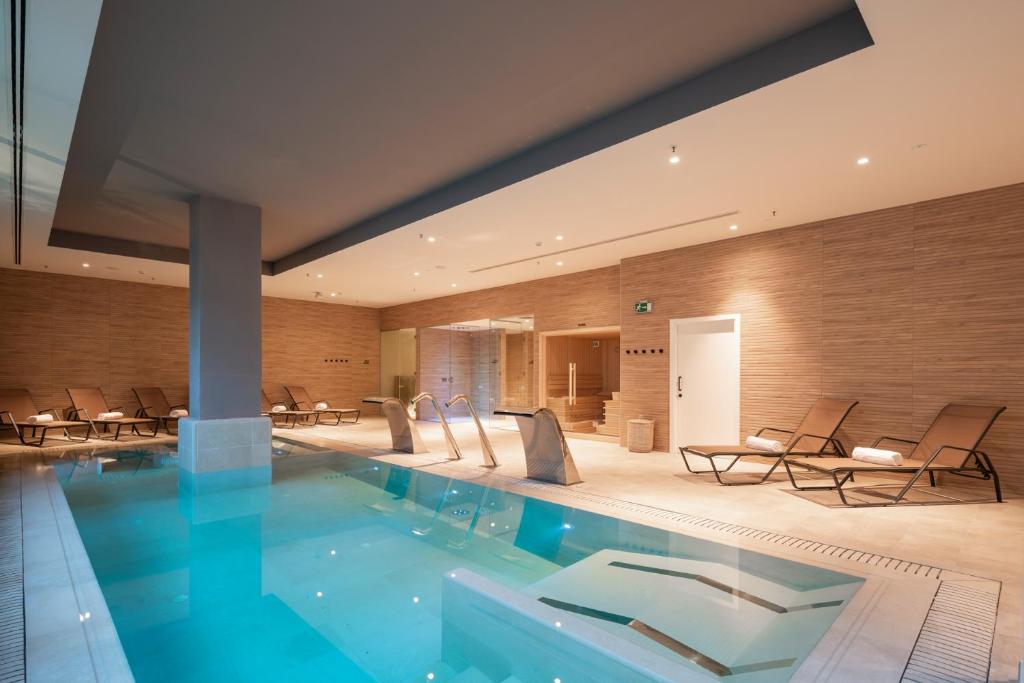
Attica21 Vigo 4 Superior
A fully fledged beach hotel opposite Samil’s sandy shore, with an outdoor pool in summer, a gym, a restaurant and rooms with terraces, some with sea views. The spa costs extra, and private parking is paid.
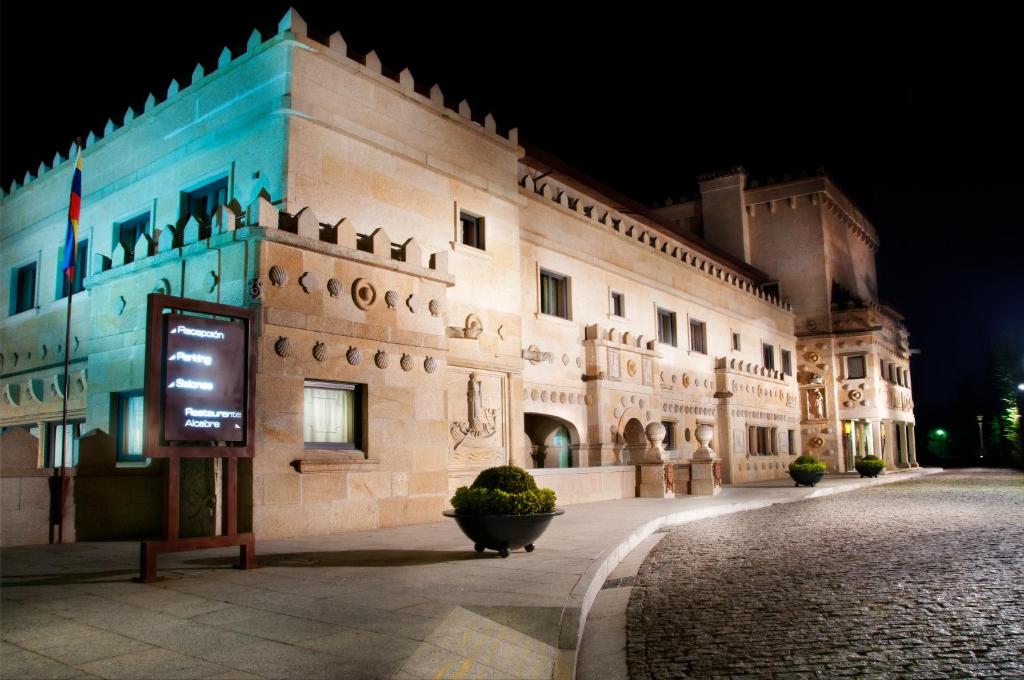
Pazo Los Escudos Hotel Spa & Resort
A manor house with gardens by the sea in Alcabre, a stone’s throw from Carril beach, with a seasonal pool and several restaurants. There are family rooms and a very spacious suite with estuary views. Before booking, bear in mind that the spa is temporarily closed for refurbishment.
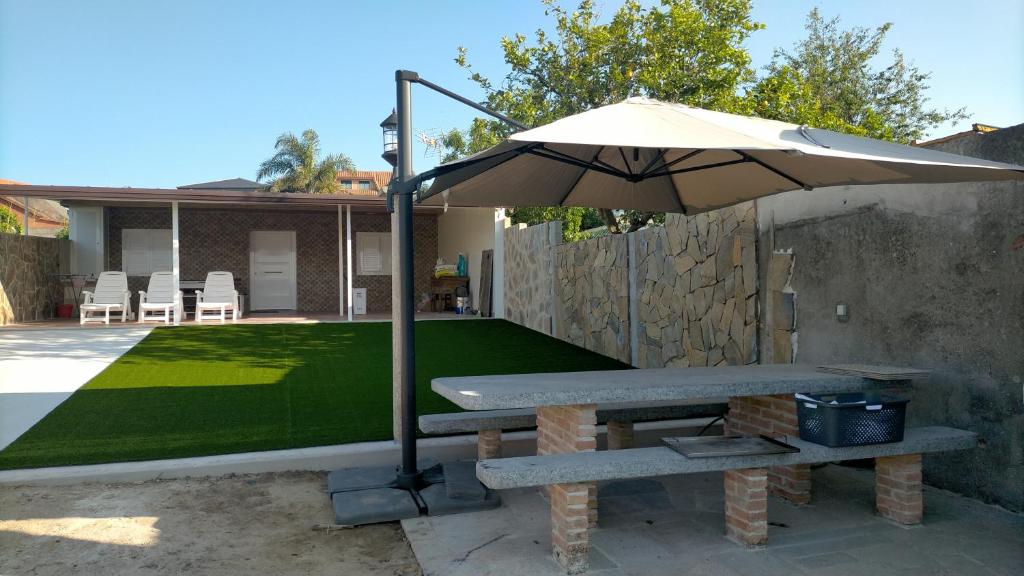
Casa Alcabre (Samil)
A detached house with a garden, a terrace overlooking the sea and access to a private beach area, a short walk from Samil. It has a fully equipped kitchen and free parking, and pets are allowed on request. It’s a place to unwind: no parties, and quiet at night.
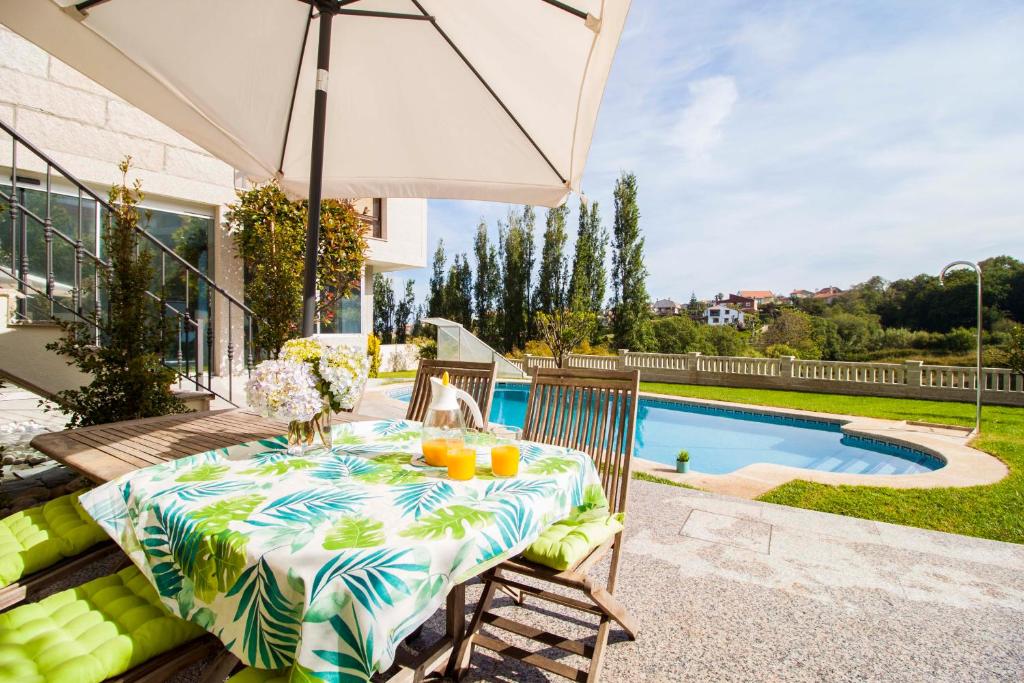
Villa El Castañal con Piscina Privada
A large villa in Saiáns for a family or group of friends: six bedrooms, a seasonal private pool, a hot tub and sea views, with two small beaches a few minutes’ walk away. There’s free parking. Check-in is within a short afternoon time slot, and a cash deposit is required.
What to see in Vigo
Start in Casco Vello: the Collegiate Church of Santa María, Constitution Square and Pedra Street, where oyster sellers shuck oysters to order. From there, head up Mount O Castro, with its fortress ruins and the best views over the port and estuary.
Other places worth visiting include MARCO, the contemporary art museum on Príncipe Street, Castrelos Park, with the Quiñones de León manor house, and the Museum of the Sea of Galicia in Alcabre.
The big day trip is to the Cíes Islands, part of the Illas Atlánticas National Park, with Rodas beach and trails leading to the lighthouses. They welcomed 323.357 visitors in 2025, two-thirds of the entire park’s total: during peak season, from 15 May to 15 September, plan ahead.
When to visit Vigo
Summer is beach and Cíes Islands season. In early August, O Marisquiño fills the city with skateboarding, BMX, 3x3 basketball and a downhill urban cycling race through the streets of the old quarter.
In late March, Reconquista, designated a festival of national tourist interest, commemorates the expulsion of Napoleonic troops in 1809 with a market and historical re-enactments. And every November, the Christmas lights are switched on; in the 2026 edition, more than 12 million LEDs will be spread across around 500 streets. The centre gets busy during these weeks, so book well in advance.
Getting there and getting around
Vigo-Urzáiz station, part of the Vialia shopping centre, serves high-speed trains from Madrid via Ourense and trains on the Atlantic Axis from Santiago and A Coruña; trains to Porto stop at Vigo-Guixar. Vigo Airport, at Peinador, mainly operates domestic flights; Santiago and Porto offer more options.
City buses reach Samil. To tackle the hills, the city has built a network of escalators and lifts called Vigo Vertical, the most striking part of which is the Halo, the ring-shaped lift beside the station. For Saiáns and Oia, a car is the best option.
Vigo is included in our guide to where to stay in Galicia. If you’re continuing through the Rías Baixas, also see where to stay in Cangas de Morrazo, on the other side of the estuary, in Redondela, by the San Simón inlet, and in Sanxenxo, on the Pontevedra estuary.
Frequently asked questions
Quick answers to the questions we’re most often asked by people planning a few days in Vigo.
What is the best area to stay in Vigo?
For a first visit, stay in the centre: between Vigo-Urzáiz station, Príncipe Street and Casco Vello, you can reach almost everything on foot, including the quay for boats to the Cíes Islands. If you’re going for the beach, the southern coast between Alcabre and Samil puts the sandy shore on your doorstep, with the city a bus ride away. Saiáns and Oia are for those looking for peace and travelling by car.
Is it better to stay in the centre or by Samil beach?
It depends on the time of year and your plans. In summer, Samil and Alcabre are very convenient: a seafront promenade, several beaches in a row and a holiday atmosphere, with the city just a few kilometres away. Out of season, or if you want museums, tapas in Casco Vello and train travel without relying on a car, the centre is more practical. There are buses between the coast and the centre, but the journey back takes longer at night.
How do you get from Vigo to the Cíes Islands?
By boat from Vigo’s central maritime station, with authorised operators that also depart from other ports in the Rías Baixas. As well as a ticket, you need free authorisation from the Xunta to enter Illas Atlánticas National Park. Daily places are limited and sell out in July and August, so apply for authorisation and buy your boat ticket in advance.
Do you need a car to visit Vigo?
Not for the city: you can explore the centre, Casco Vello and O Castro on foot, using Vigo Vertical’s escalators and lifts to help with the hills, and city buses reach Samil. A car is useful if you’re staying in Saiáns or Oia, or want to explore the Rías Baixas. In that case, choose accommodation with parking, as parking in the centre is difficult and paid.
When is the best time to visit Vigo?
Visit from June to September for the beach and the Cíes Islands, with long days and mild temperatures; O Marisquiño brings urban sports to the city in early August. In late March, the Reconquista festival livens up Casco Vello. From November and throughout the festive season, the Christmas lights attract huge numbers of visitors at weekends, so book ahead for those dates.