Español
 English
 Français
 Deutsch
 Italiano
 Nederlands
 Português
 日本語
 中文
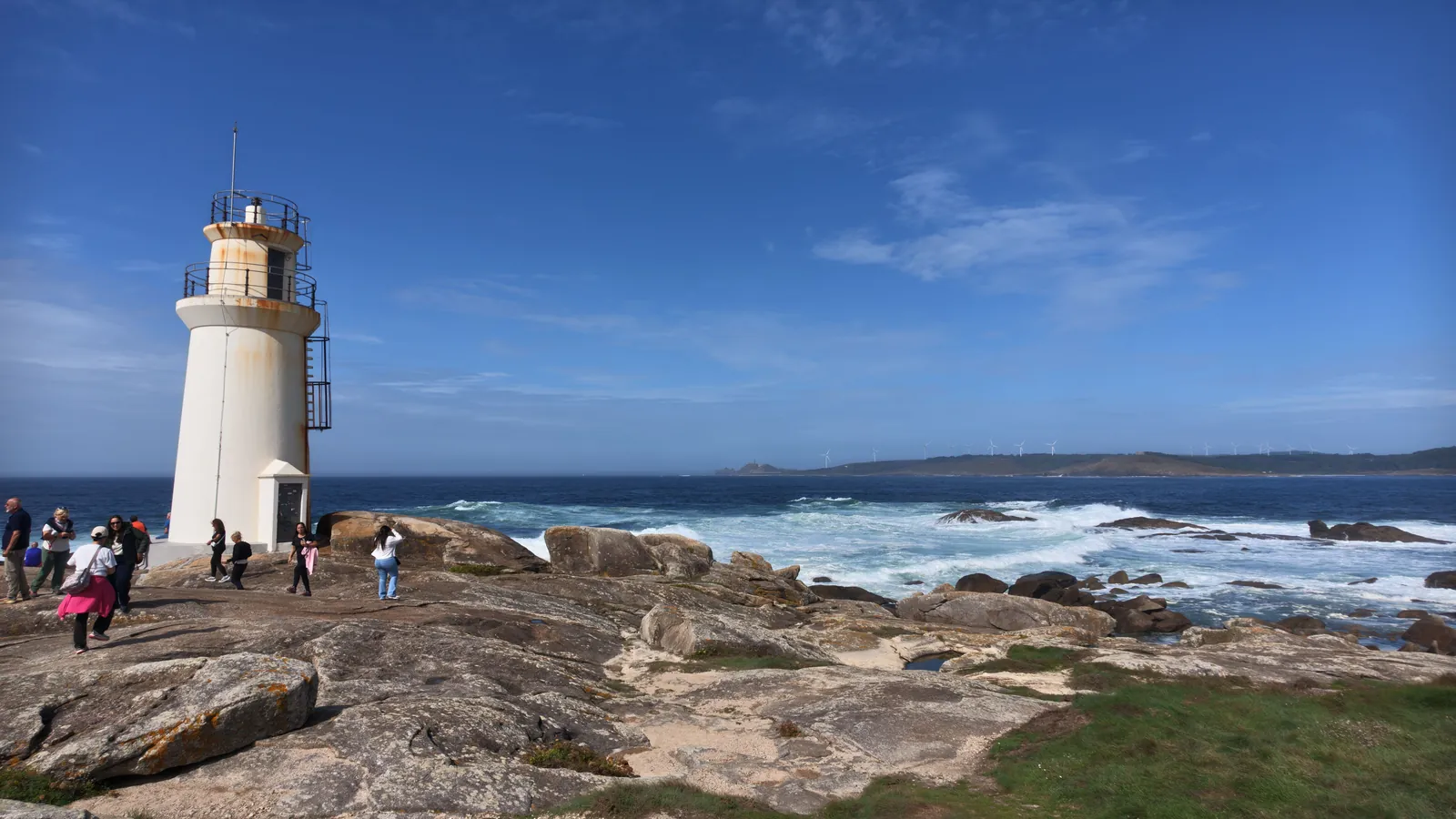
Muxía sits on a small peninsula in the heart of the Costa da Morte, on the southern shore of the Camariñas estuary. It’s a fishing village of houses clustered around the harbour, with the Santuario da Virxe da Barca perched on the rocks where the Atlantic breaks. For many pilgrims, it’s also the end of the Camino: the stage from Fisterra finishes here.
There’s a small, mostly family-run selection of places to stay: guesthouses, hostels and rural homes. For this guide, we’ve picked six places to stay that we hand-picked, from the village to nearby hamlets.
How to choose an area
The municipality is large, but distances are short:
- The village and harbour: taverns, Praia das Lanchas and Praia do Coído, and the shrine a short walk away. The best base if you arrive by bus or on foot.
- The inland hamlets: Quintáns, Morpeguite and other places with accommodation offering gardens and parking. You’ll need a car, but you can sleep in peace and quiet.
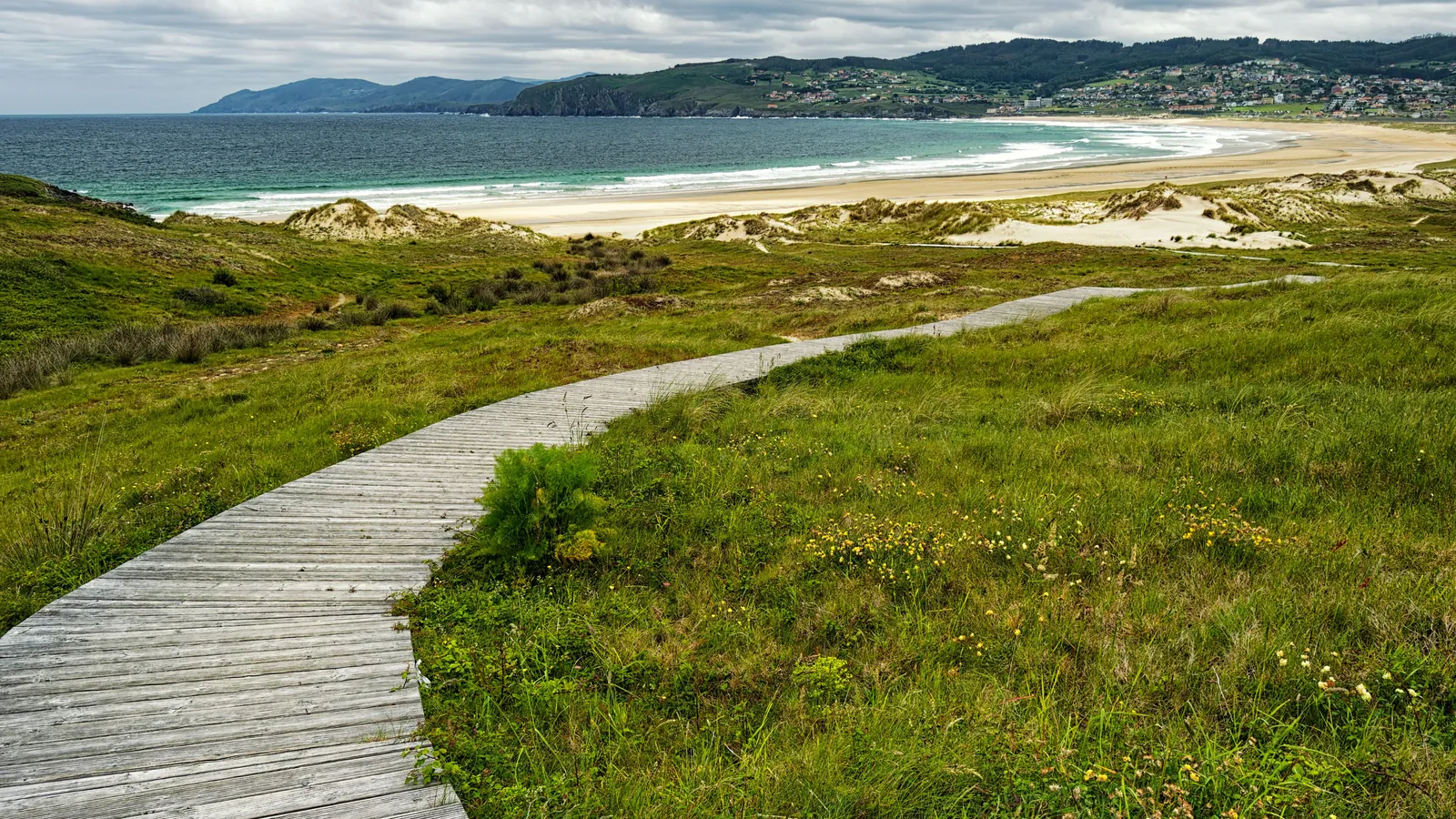
- The coast towards Nemiña and Lires: open ocean beaches that are good for surfing, and standalone houses among meadows. A car is essential.
If you’re here for the Camino or just a couple of nights, stay in the village. If you’re looking to unwind or explore the Costa da Morte by car, the hamlets offer more space and less noise. On our Muxía page, you’ll find all the places to stay we’ve selected.
Where to stay in Muxía
Here are the six places we recommend, from guesthouses a stone’s throw from the sea to rural homes with parking.
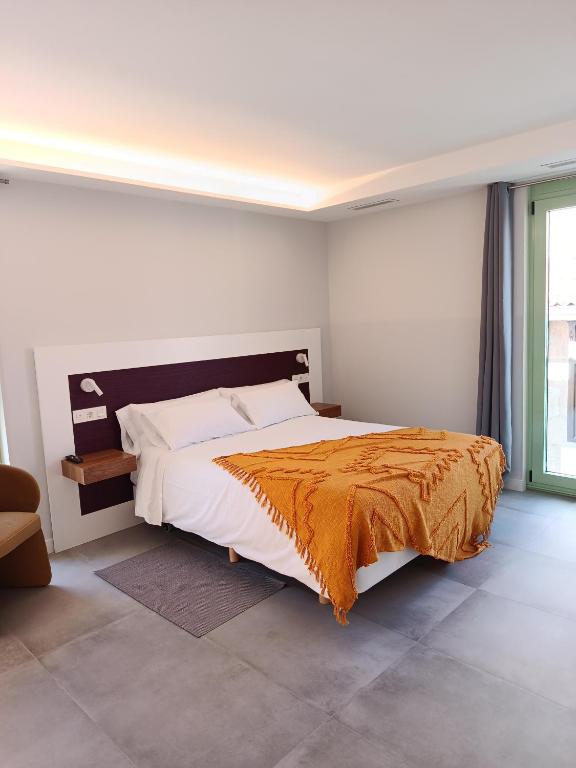
Valentinas
A small guesthouse just sixty metres from Praia das Lanchas, with a terrace and 20 m² double rooms with air conditioning and village views. There’s no parking, the upper floors are reached by stairs, and rooms accommodate no more than two people.
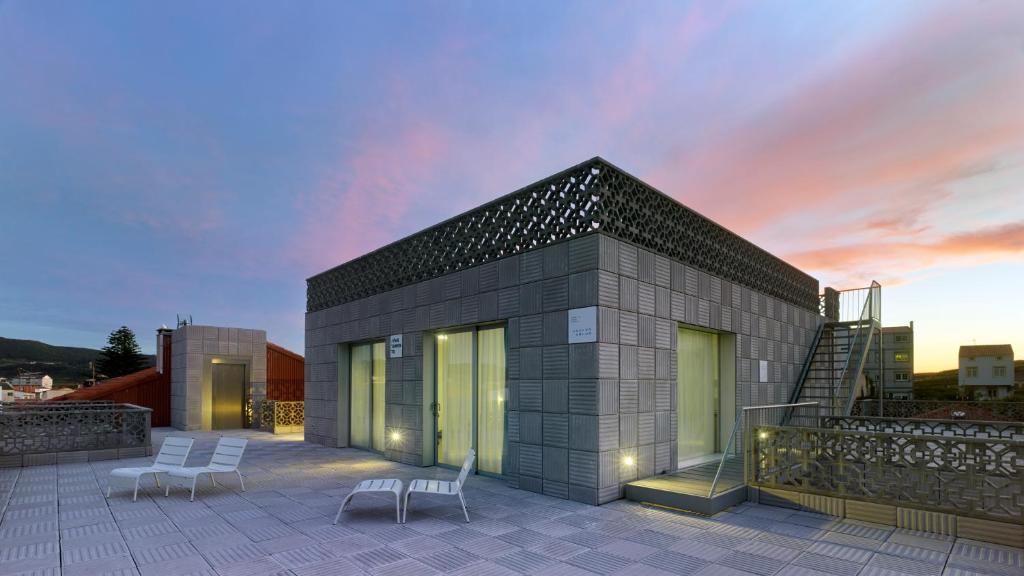
Bela Muxía
The most practical option if you arrive without a car: the bus station is just over a hundred metres away and Praia das Lanchas is two hundred metres away. The double rooms have balconies, and there’s a two-bedroom apartment with a kitchen and sea views for four people. There’s no private parking; pets are allowed on request.
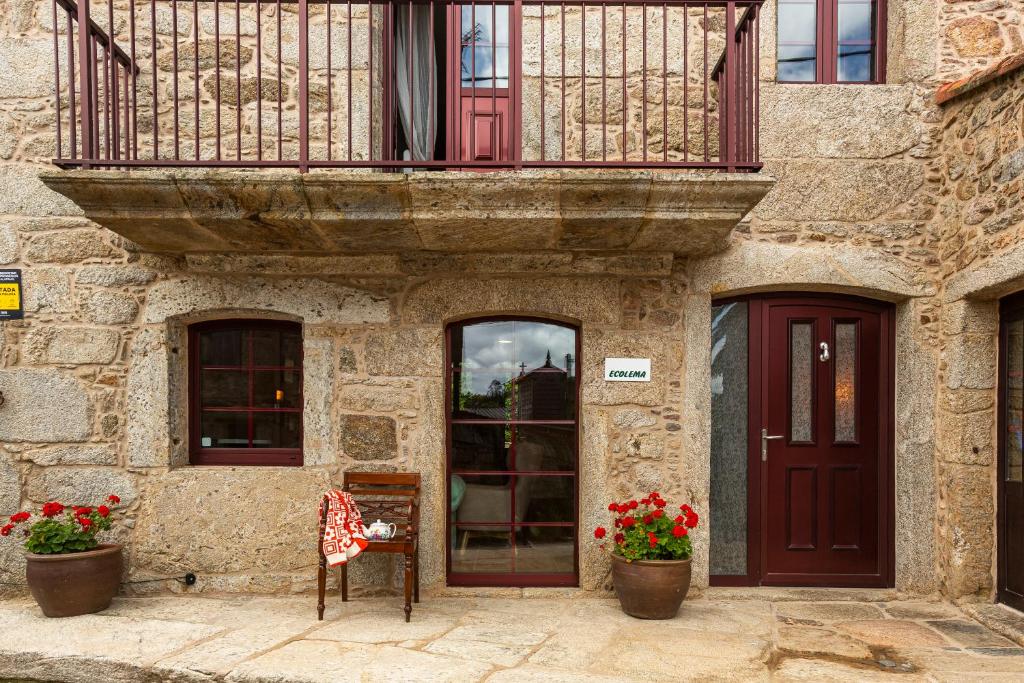
Ecocasa Lema II
A three-star hotel in the hamlet of Morpeguite, with a garden, restaurant, bar and free private parking without reservation. It offers a free transfer to the Camino, which is useful if you’re walking the stages. The buffet breakfast costs extra, and check-in closes at 20:00.
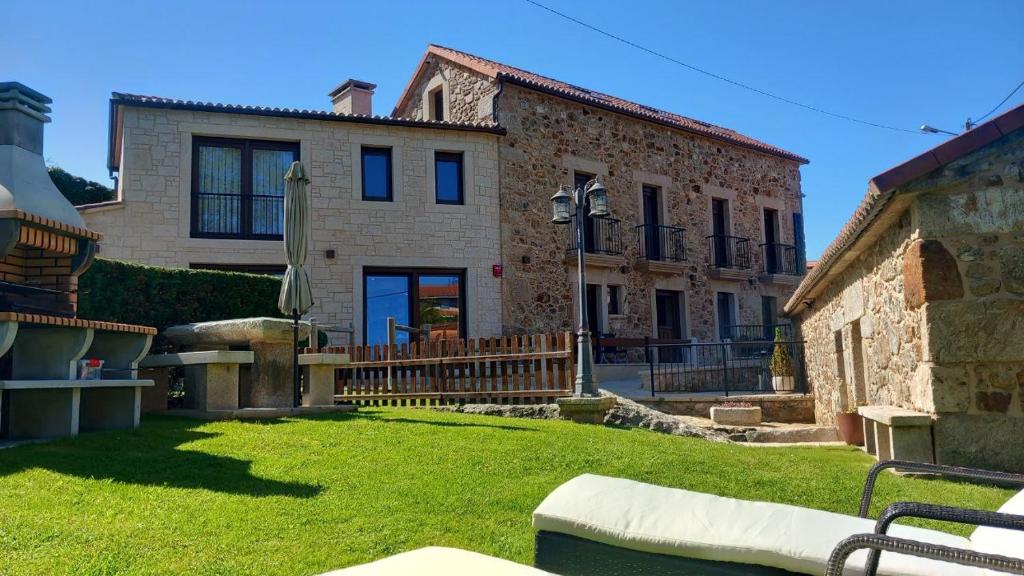
O Relax do Río - Casa Molino Boutique, con Jardín y Desayuno en Muxía
A guesthouse with the feel of a country home, with a garden, terrace and rooms with patios; some overlook the river, and one has a whirlpool bath. Praia de Muíños is about 650 metres away. There’s free public parking nearby, but it’s best to arrive before 19:30, and parties aren’t allowed.
A de Lucía
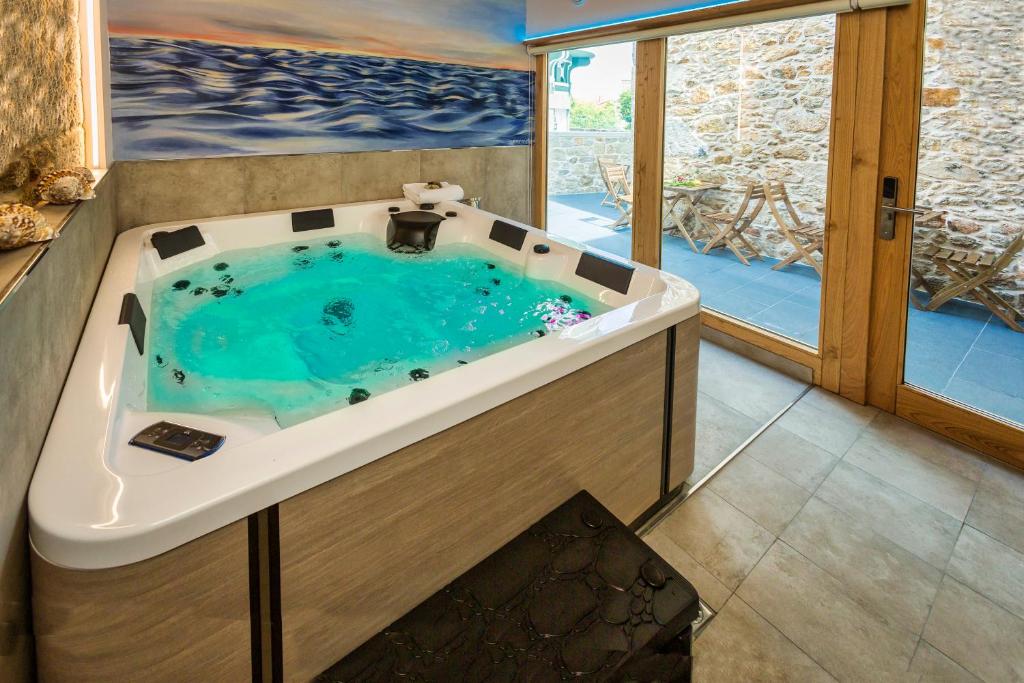
A rural guesthouse in Quintáns, with a garden, terrace, continental breakfast and free private parking. It’s designed for couples: all rooms are for two, and the Deluxe room has a whirlpool bath. Praia de O Lago and Praia das Raias are less than three kilometres away, so it’s best to come by car.
O CORPIÑO DE CHORENTE
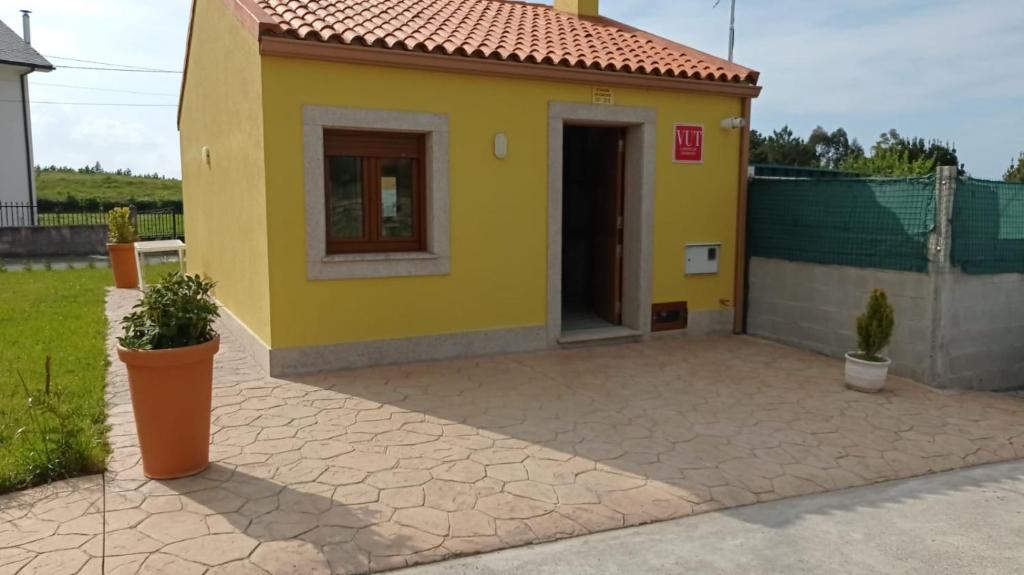
A detached house for four, with a private entrance, fully equipped kitchen and terrace overlooking the garden, 550 metres from Praia de Barreiros. It’s ideal for families who really want to switch off: there’s no internet or parking. Pets are allowed, though a surcharge may apply.
What to see in Muxía
Start at the Santuario da Virxe da Barca, a Baroque church on the rocks at the tip of the peninsula. According to legend, the Virgin arrived here in a stone boat to encourage the apostle Saint James. A fire on Christmas Day 2013 destroyed the altarpiece and roof, and the church was rebuilt. Nearby are the stones from the legend, including the Pedra de Abalar, the boat’s hull, and the Pedra dos Cadrís.
Next to the shrine stands A Ferida, Alberto Bañuelos’s large split granite block, commemorating the Prestige oil spill and the volunteers who cleaned the coast. Climb Monte Corpiño, just above, for views of the village and estuary. Muxía is also home to the last conger eel drying racks on the Costa da Morte.
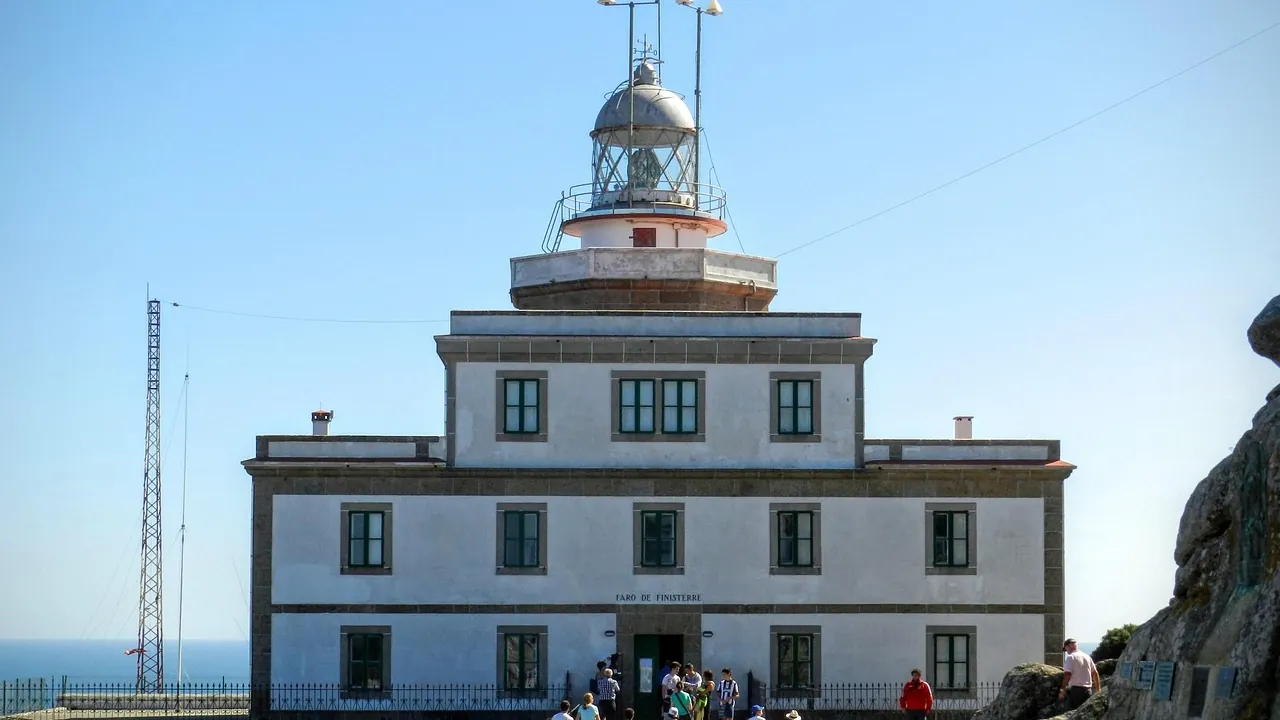
Outside the village are the Romanesque Monastery of Moraime and Cape Touriñán, the westernmost point of mainland Spain. The Camiño dos Faros, a walking route between Malpica and Fisterra, runs along the coast. Fisterra and its lighthouse are to the south, while Santiago de Compostela is worth a full day.
When to visit Muxía
July and August bring the best beach weather; June and September are quieter. In winter, the Atlantic takes over: storms, waves crashing against the rocks and few people around.
The main event is the Romaría da Virxe da Barca, held every September and designated a Festival of National Tourist Interest since 1989. According to the Xunta, the 2024 event drew more than 50,000 people, so accommodation gets snapped up around those dates. Also bear in mind that 2027 is a Holy Year of St James: there will be more pilgrims on the Camino, including on the stretch to Muxía.
How to get around
The nearest airport is Santiago; A Coruña is another option. Muxía has a bus station in the village, with services operated by Monbus. By car, the coastal road connects with Camariñas to the north and Cee and Fisterra to the south.
The stage from Fisterra is about 29 kilometres on foot; according to the Xunta, more than 11,600 pilgrims continued on to Muxía between August and November 2025. You can explore the village on foot; you’ll need a car to reach Touriñán, Moraime or Nemiña.
Muxía is part of our guide to where to stay in Galicia. If you’re continuing along the coast, see where to stay in Finisterre and where to stay in A Coruña; and if you’re heading south to the Rías Baixas, where to stay in Vigo.
Frequently asked questions
Answers to the questions people most often ask when planning a few days in Muxía.
What’s the best area to stay in Muxía?
For a first visit, stay in the village itself, between the harbour and Praia das Lanchas: the bus station, bars and Santuario da Barca are just a few minutes’ walk away. If you’re travelling by car and want peace and quiet, inland hamlets such as Quintáns or Morpeguite have places to stay with gardens and free parking. For surfing, look around Nemiña and Lires, but you’ll need a car.
When is the Romaría da Virxe da Barca?
It takes place every year in September, with several days of festivities and Sunday as the main day, featuring mass, a procession and fireworks. It has been a Festival of National Tourist Interest since 1989 and, according to the Xunta, drew more than 50,000 people in 2024. If you want to go, book your accommodation well in advance and consider a place with parking, as the centre fills up with cars and people.
How do you get to Muxía without a car?
The nearest airport is Santiago de Compostela, with A Coruña as an alternative. From either, continue by bus: Muxía has a bus station in the village, with services operated by Monbus. If you stay in the centre, you can get everywhere on foot, from the harbour to the shrine and Praia das Lanchas and Praia do Coído. You’ll need a car or taxi to reach Touriñán, Moraime or Nemiña.
Can you finish the Camino de Santiago in Muxía?
Yes. Many pilgrims continue from Santiago to Fisterra and Muxía, and the stage between the two villages is about 29 kilometres, passing through inland hamlets. According to the Xunta, more than 11,600 pilgrims continued on to Muxía between August and November 2025. You can ask for the «muxiana», a certificate marking the end of the Camino, at the tourist office. In 2027, a Holy Year of St James, it’s best to book further ahead than usual.
What beaches are near Muxía?
In the village itself, Praia das Lanchas and Praia do Coído are the most convenient if you’re staying in the centre. Muíños and Barreiros are very close, while O Lago and As Raias are a few kilometres away. To the south, Nemiña and Lires are open-ocean beaches popular with surfers. The water is cold all year and the waves can be strong, so pay attention to the flags.