Español
 English
 Français
 Deutsch
 Italiano
 Nederlands
 Português
 日本語
 中文
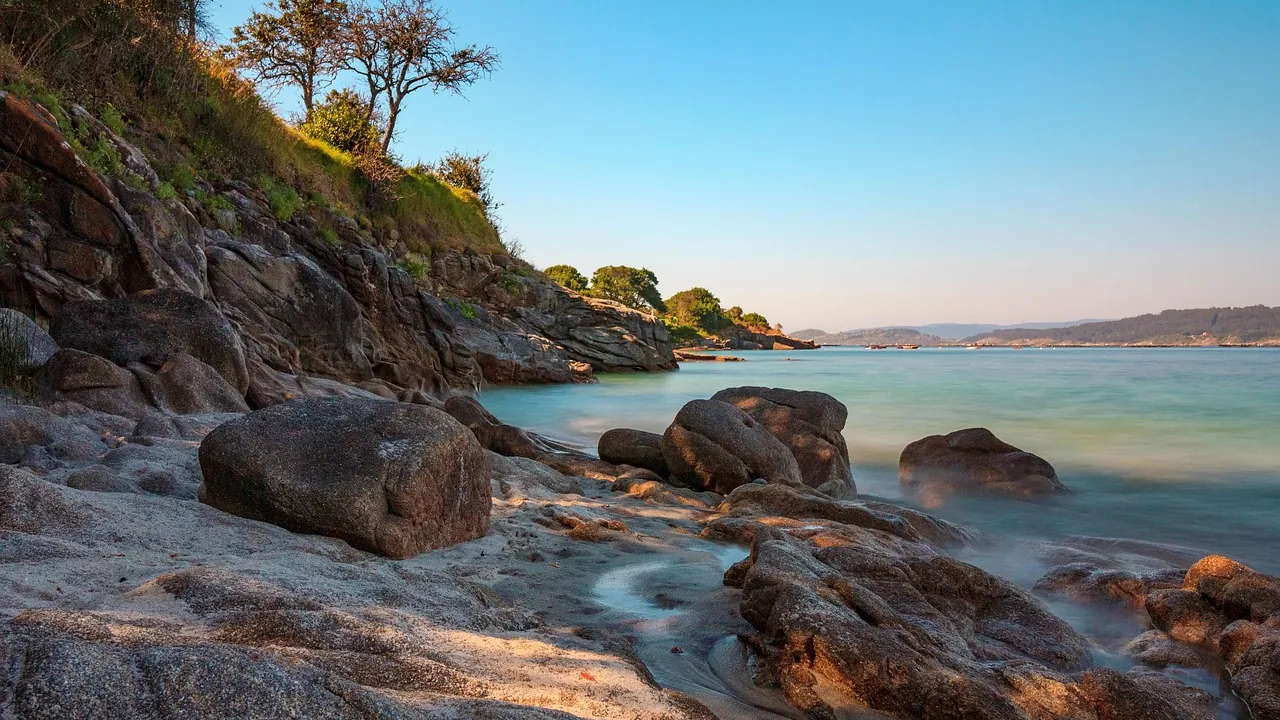
Cangas sits at the western tip of the O Morrazo peninsula, right opposite Vigo, with the estuary ahead and the Cíes Islands lining the horizon. It’s a proper fishing town, with a fish market, coastal fishing boats and a market next to the port.
Holiday homes are the main option here, catering to families and groups, with a few hostels in the centre for those arriving by boat. We’ve brought together six places we hand-pick, from the quay to the Aldán estuary.
How to choose an area
The municipality’s coastline stretches along two estuaries, and where you stay can make quite a difference to your trip:
- Centre and port: ferry terminal, market, collegiate church and the urban beaches of O Sinal and Rodeira, all within walking distance.
- Outskirts of town: homes on the hillsides around the centre, with gardens and views over the Vigo estuary.
- Hío and the Aldán estuary: to the northwest, calm waters and sandy beaches such as Pinténs and San Xián. A car is almost essential.
- Donón and the Costa da Vela: the tip of the peninsula, with Cabo Home, Barra Beach and cliffs facing the Cíes Islands. More nature than amenities.
If you don’t have a car, or plan to cross to Vigo often, stay in the centre. For groups, families with children or those travelling with a dog, a house on the outskirts or in Hío makes the journeys worthwhile. The Cangas de Morrazo page lists all the places we’ve selected in the municipality.
Where to stay in Cangas de Morrazo
These are the six places we recommend, from the quay to the beaches of the Aldán estuary.
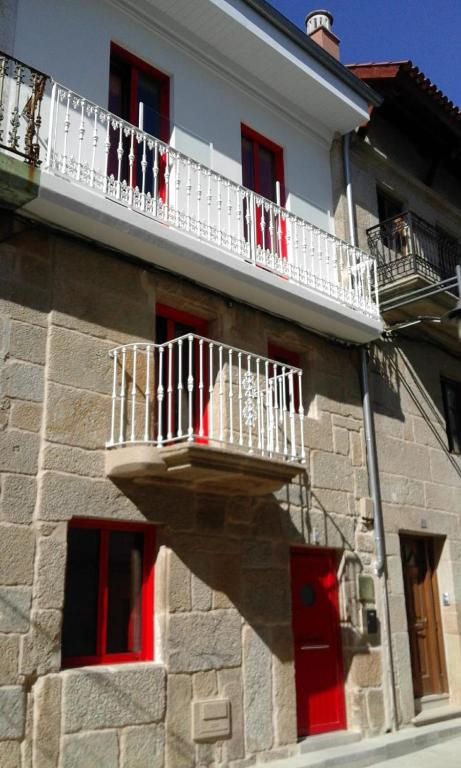
Casa Choupas
The most convenient hostel if you arrive by boat from Vigo: it’s next to the market, with O Sinal Beach just 140 metres away. The rooms are doubles, with private bathrooms and coffee makers; only the Deluxe rooms have balconies. There’s no parking, so it’s best to come without a car.
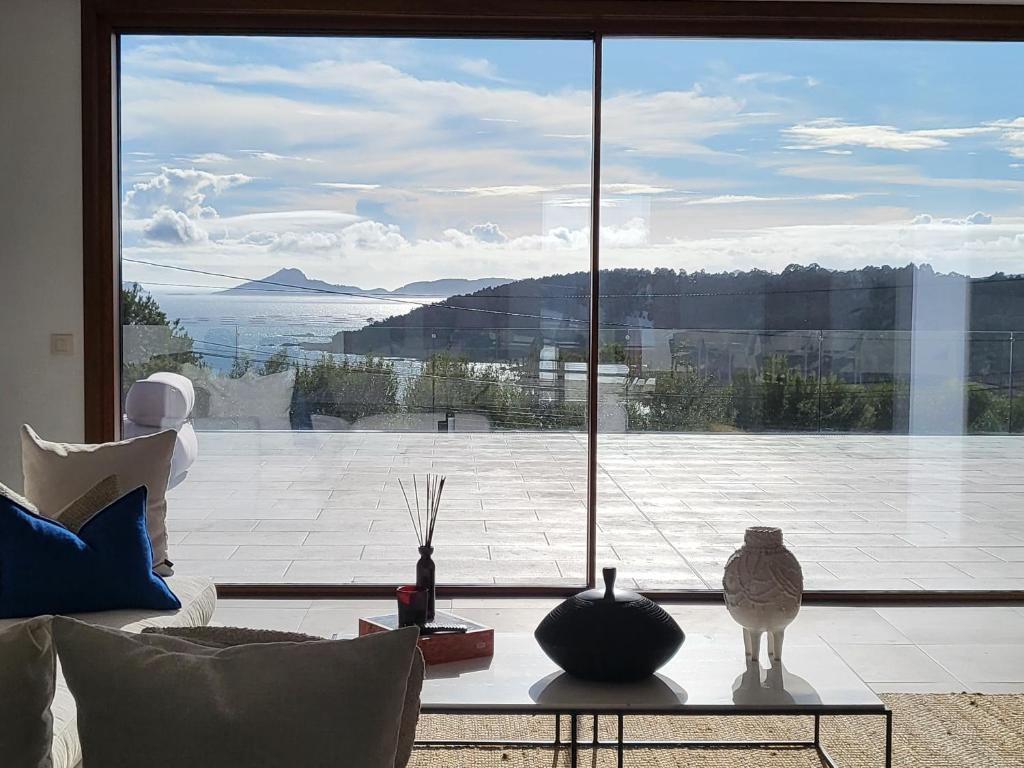
Limens Luxury Home
Designed for groups of up to eight: four bedrooms, three bathrooms, a private pool, garden and sea-facing terrace. Rodeira Beach is 300 metres away. Note: the minimum stay is three nights, there are stairs between floors, and public parking is on the street.
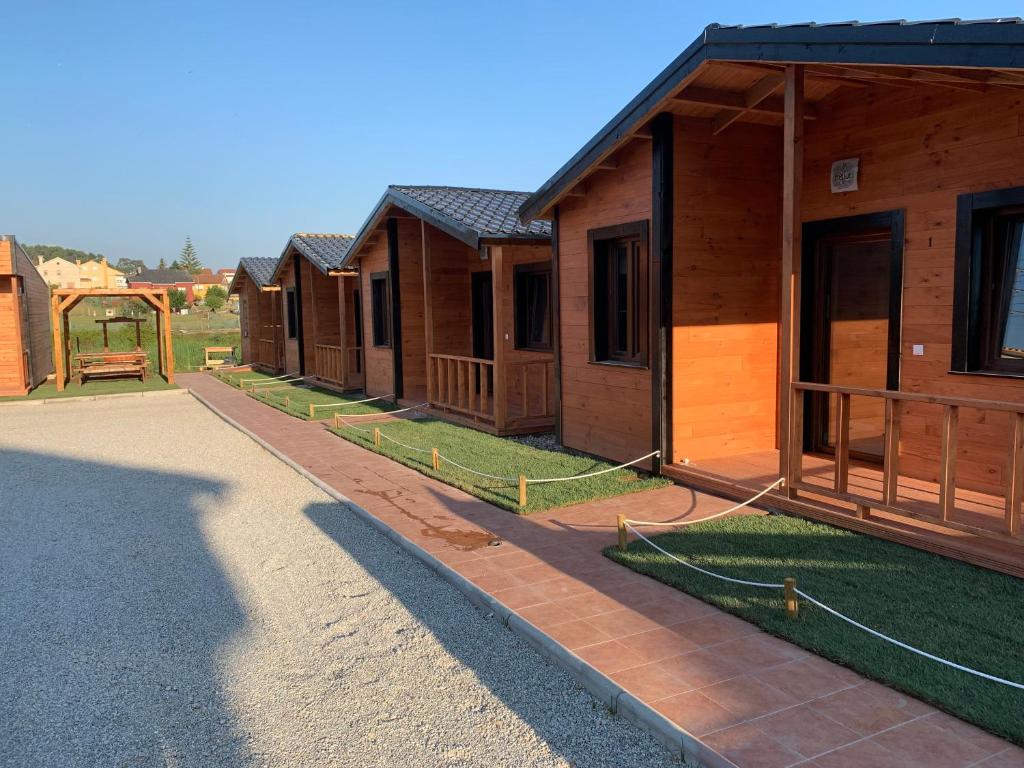
Recinto As Casiñas
Two self-contained units with kitchens, a garden and free parking, just under a kilometre from O Forte and Rodeira beaches. The family unit sleeps six, and there’s an outdoor pool in summer. A minimum stay of three nights is required, and check-in is from 17:00 to 20:00.
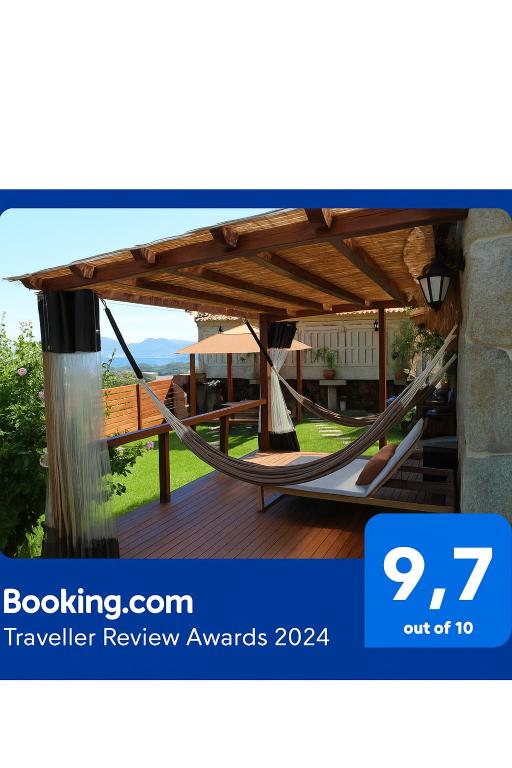
Relax en el Paraíso con vistas al mar y a la montaña Casa Rural A Gorgoriña
This detached two-bedroom house sleeps four and has a terrace open to the sea and hills, a garden and a barbecue. There’s free private parking, and pets are welcome for a small extra charge. Check-in ends at 17:00, and a cash deposit is required on arrival.
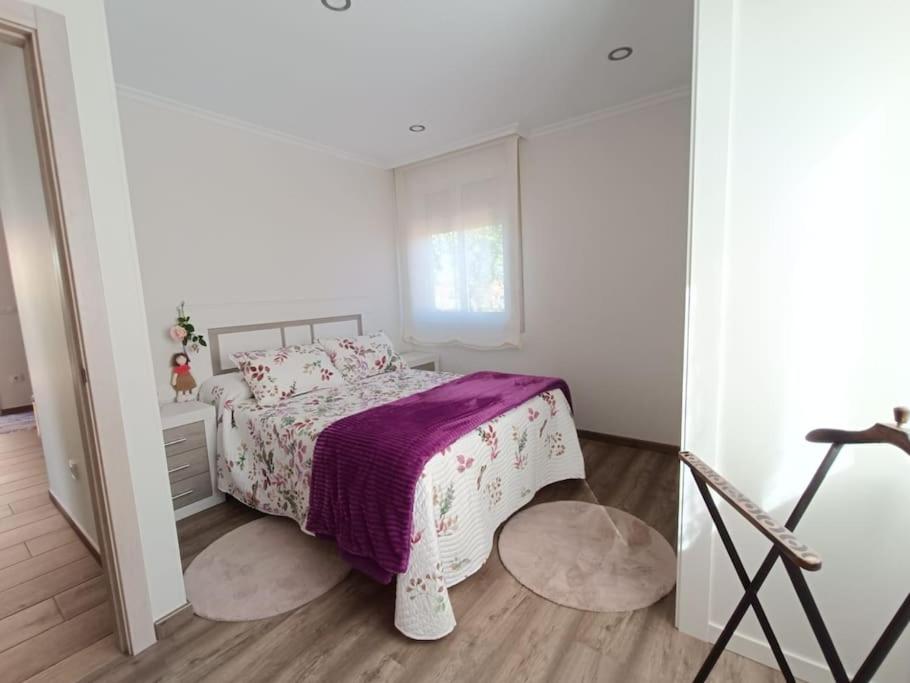
Preciosa casita a 10 minutos de la playa.
A good choice if you’re travelling with a dog: pets stay free. It has two bedrooms, a garden and a sea-view terrace, and O Salgueirón Beach is less than half a kilometre away. Wifi is available in the shared areas, but not throughout the house, and the minimum stay is two nights.
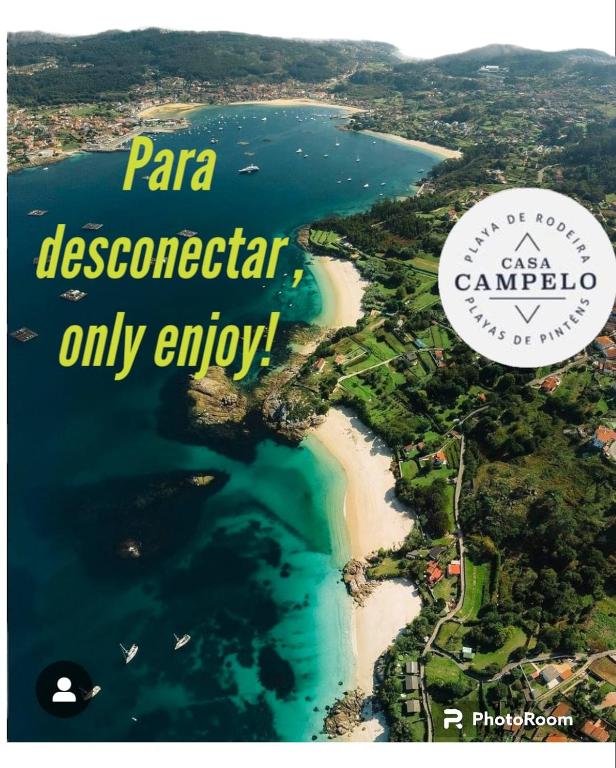
Casa CAMPELO- Playas de Pinténs - CANGAS-HIO- Ría de Aldán
Our pick in Hío, above the Aldán estuary: three bedrooms, two bathrooms, a garden with a barbecue and a garage parking space included. You can walk down to Pinténs and San Xián beaches, 340 and 400 metres away. Payment is by bank transfer before arrival, and a cash deposit is required and returned a week later.
What to see in Cangas and nearby
Start your walk at the port and the Church of Santiago, dating from the 16th century and surrounded by the old town. Cangas still remembers the pirate attack of 1617 and the Inquisition trial of women accused of witchcraft, with María Soliña its best-known figure.
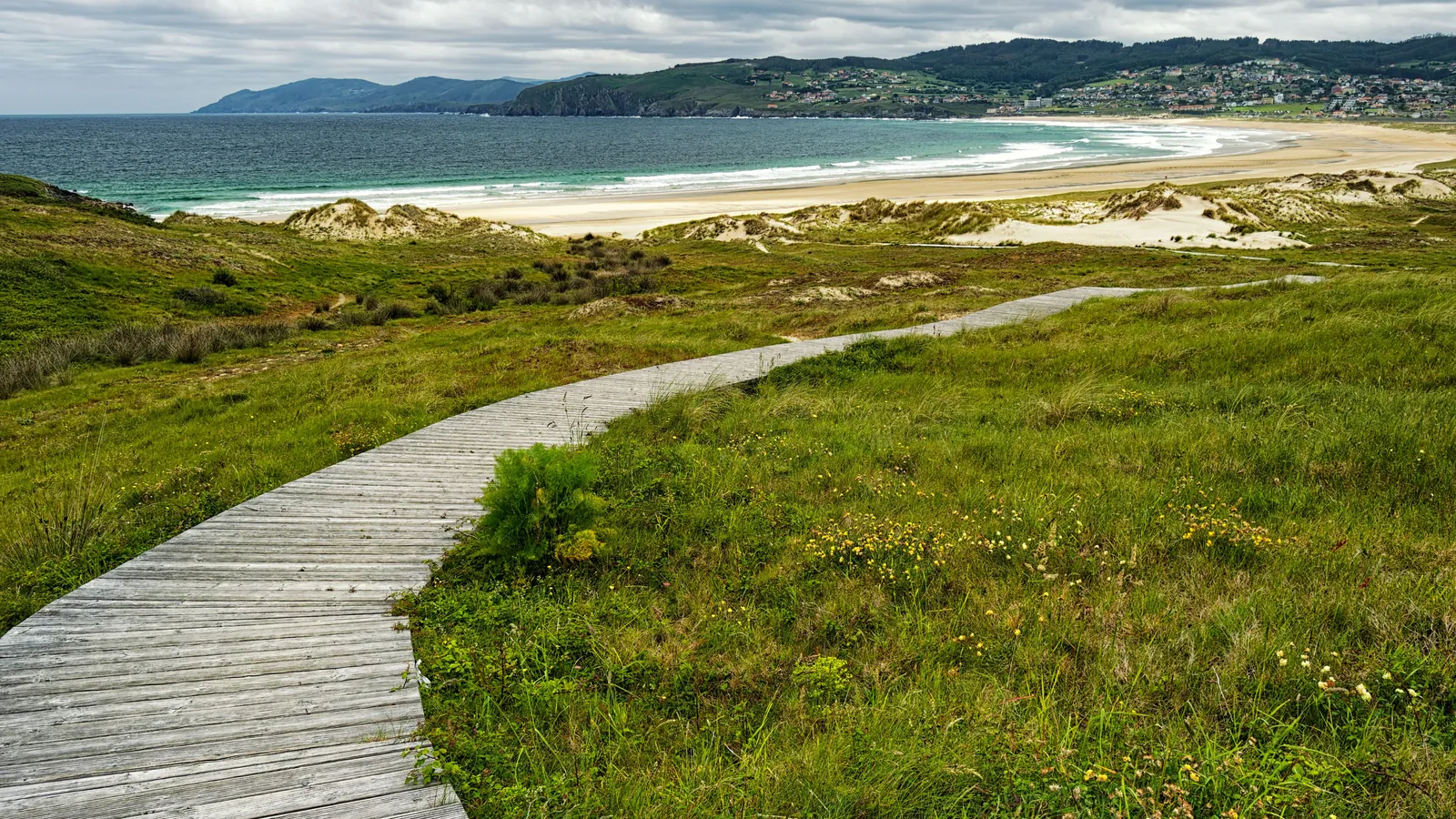
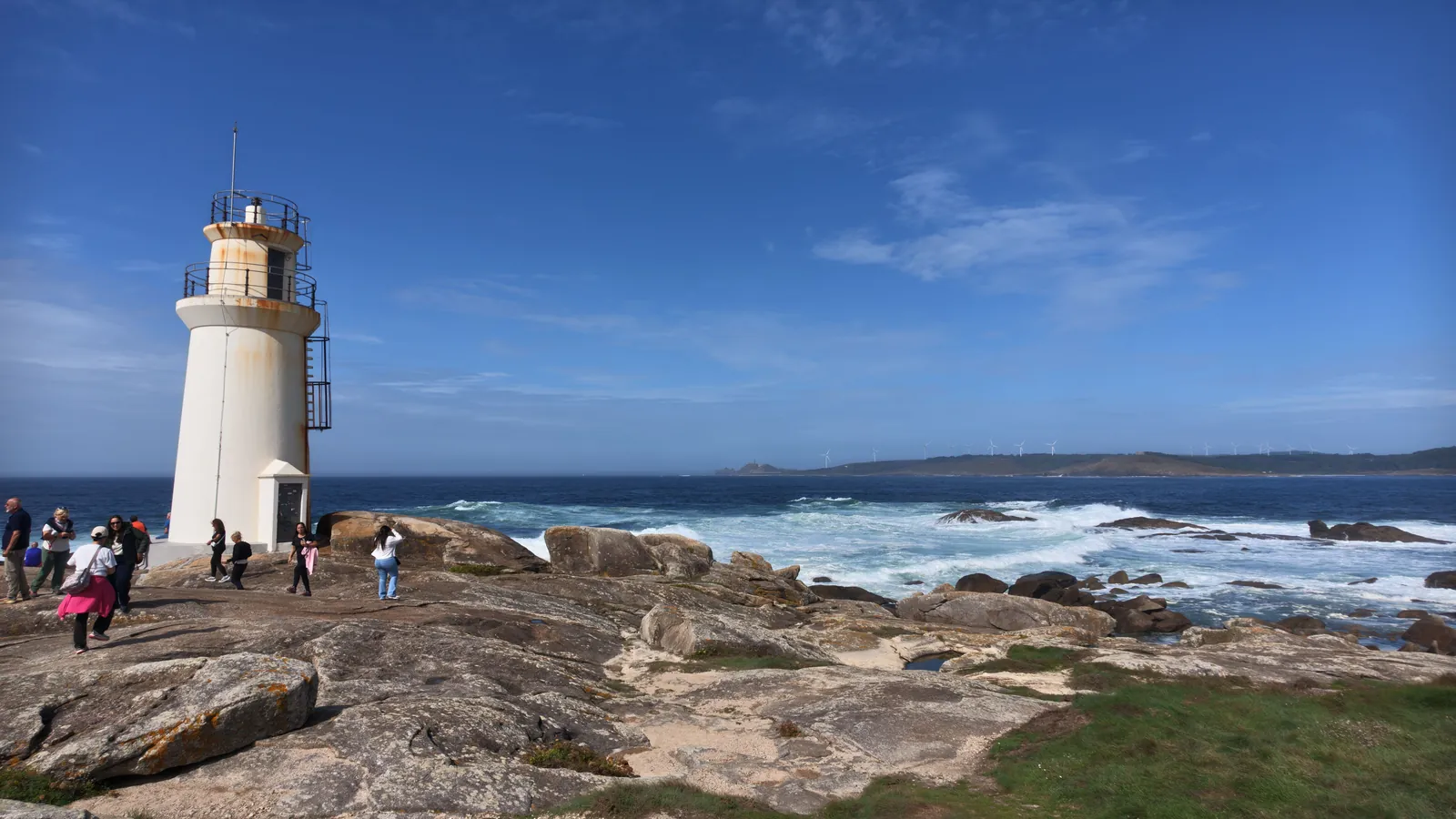
To the west, the road follows sandy beaches such as Liméns, Nerga and Barra to Cabo Home, with its lighthouses facing the Cíes Islands. The circular Donón Blue Trail is about 11 kilometres long: it starts at the Caracola sculpture, descends through the Barra dunes and reaches the Punta Subrido lighthouse.
Above Donón, Monte do Facho is home to a hillfort and the remains of a sanctuary to the god Berobreo. In Hío, the cruceiro carved by Cerviño is one of the most famous in Galicia.
Boats to the Cíes Islands leave from Cangas quay, as they do from Vigo and Baiona. During Easter Week and from 15 May to 15 September, you need authorisation from the Xunta before buying a ticket.
When to visit Cangas
June to September is beach season, with the cool waters of the Rías Baixas and long days for trips to the Cíes Islands. The Festas do Cristo take place in the last ten days of August, with a procession, fireworks and open-air dances.
In September, the Darbo pilgrimage preserves a dance and counter-dance passed down over centuries, performed by ladies and gentlemen after the procession. Outside summer, Cangas returns to its fishing-town pace.
Getting there and getting around
The easiest option is the boat from Vigo: it leaves from the town-centre ferry terminal and crosses the estuary in about twenty minutes. It works almost like a bus: in the first half of 2025, around 460,000 passengers travelled on it.
By car, take the AP-9, cross the Rande Bridge and follow the O Morrazo expressway; the nearest airport is Vigo-Peinador. You can explore the centre on foot, but you’ll need a car to reach Donón or the Aldán estuary.
Cangas is part of our guide to where to stay in Galicia. Across the estuary is Vigo; if you’re travelling along the Rías Baixas, also take a look at Sanxenxo and, inland, Caldas de Reis.
Frequently asked questions
What people planning a few days in Cangas ask us most often.
What is the best area to stay in Cangas de Morrazo?
Without a car, stay in the centre: between the port, the market and Rodeira Beach, you’ll find restaurants, sandy shores and boats to Vigo just a few minutes’ walk away. For families or groups, homes on the outskirts offer a garden, sometimes a pool, and parking. Hío and the Aldán estuary are for those seeking peace and sheltered beaches, and a car is essential. Donón is the ideal base for Cabo Home and the Costa da Vela.
How do you get from Vigo to Cangas?
The quickest option is the boat from Vigo’s town-centre ferry terminal, which crosses the estuary in about twenty minutes, with services throughout the day. It’s ideal if you arrive by train at Vigo-Urzáiz, which is close to the quay. By car, take the AP-9, cross the Rande Bridge and follow the O Morrazo expressway. Buses are also available, but they’re slower.
Can you visit the Cíes Islands from Cangas?
Yes. As well as Vigo and Baiona, ferry companies running services to the Cíes Islands also depart from Cangas port, so there’s no need to cross the estuary. During Easter Week and from 15 May to 15 September, you need authorisation from the Xunta before buying a ticket, as daily visitor numbers are limited. At other times of year, visits are only possible in a group with an accredited guide.
Do I need a car if I’m staying in Cangas?
It depends on where you stay. In the centre, you can manage without one: urban beaches, the market, restaurants and boats to Vigo are all within walking distance. If you choose a house on the outskirts, in Hío or near Donón, a car becomes almost essential, as the roads are hilly and public transport is limited. Check the parking situation too: several places to stay in the centre don’t have parking, and finding a space in summer can be difficult.
When is the best time to visit Cangas de Morrazo?
June to September is best for the beaches and trips to the Cíes Islands, with long days and mild temperatures. The Festas do Cristo take place in the last ten days of August, with a procession, fireworks and open-air dances, followed in September by the Darbo pilgrimage and its traditional dance. If you prefer peace and quiet, spring and autumn are good times to walk along the Costa da Vela.