Español
 English
 Français
 Deutsch
 Italiano
 Nederlands
 Português
 日本語
 中文
Valencia packs into a small area what other cities spread across several: a Gothic and Baroque old town, a nine-kilometre garden where the Turia River once flowed, and urban beaches a tram ride away. It’s flat and easy to explore on foot or by bike.
Deciding where to stay in Valencia depends on what you’re looking for: wandering between the cathedral and the Central Market, dining in Ruzafa or staying close to the sea. In this guide, we’ll introduce each area and suggest twelve places to stay that we’ve hand-picked, almost all in the historic centre, where you’ll get the most out of a short stay.
How to choose an area in Valencia
Valencia is arranged in rings: Ciutat Vella in the centre, encircled by the old Turia riverbed; the expansion districts around it; and the port and beaches to the east.
- Ciutat Vella: cathedral, Silk Exchange and Central Market: the city’s monumental heart and the most convenient choice for a first visit.
- El Carmen: the northern half of the old town, between the Serranos and Quart Towers, with murals, bars and a lively nightlife scene.
- Sant Francesc and El Patriarca: the centre’s most elegant and commercial area, towards the Town Hall Square.
- North Station, Ensanche and Ruzafa: neighbourhood markets, restaurants and local life, especially convenient if you arrive by train or use the metro.
- City of Arts and Sciences and the beach: the Oceanogràfic and, beyond it, Malvarrosa and Cabanyal, for those who prioritise the sea.
Since 2026, Valencia has applied permanent limits to tourist accommodation in each neighbourhood, and Ciutat Vella is covered by its own special plan. Opening new tourist apartments has become almost impossible, so hotels and hostels in the centre provide a large share of the beds available to visitors. Booking well ahead makes all the difference during busy periods.
Almost no accommodation in the old town has its own parking, and parts of Ciutat Vella are restricted-access areas for non-residents. If you’re driving, the sensible option is to leave your car in a public car park and forget about it. You’ll find all the options on our Valencia page; these are the places we’ve selected, area by area.
Ciutat Vella: the cathedral, Silk Exchange and Central Market
Valencia’s highlights are concentrated between Plaza de la Virgen and Plaza del Mercado. Here you’ll find the cathedral, with the Miguelete tower and the Holy Chalice Chapel; the Basilica of Our Lady of the Forsaken; and the Silk Exchange, a masterpiece of civil Gothic architecture and a World Heritage Site since 1996. Opposite, the Central Market is a Modernist building that remains a proper market, with stalls selling fruit, cured meats and salt-preserved fish.
Staying here means you’re five minutes from everything, including the nightlife on the terraces of Plaza de la Reina. The trade-off is that it’s the busiest area during the day. Here are our four picks between the cathedral and the Silk Exchange.
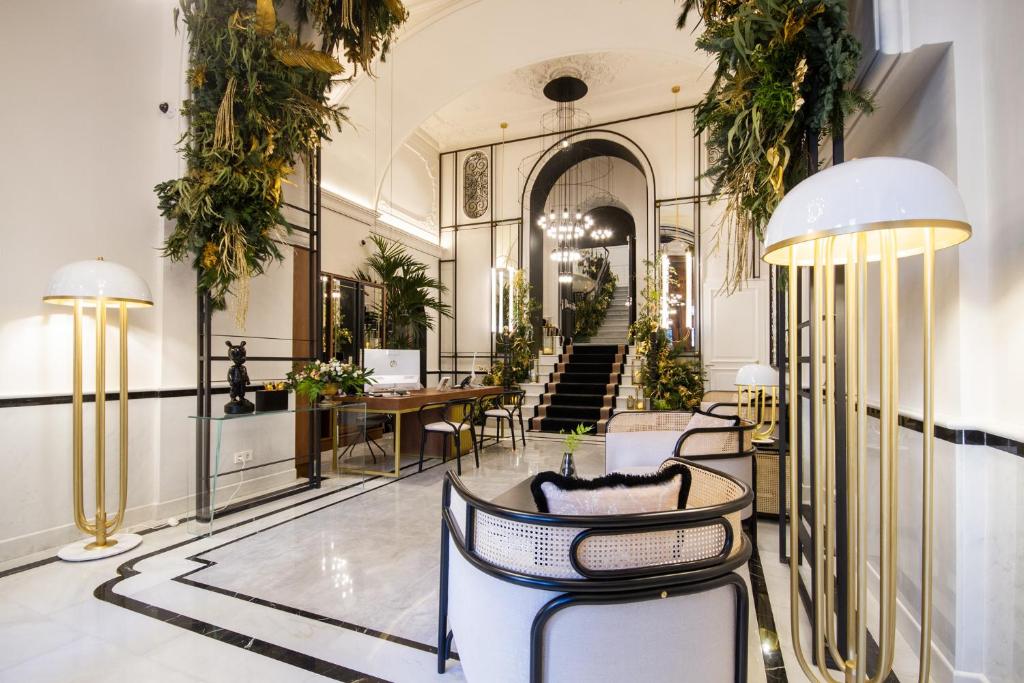
Palacio Vallier by MYR Hotels
A five-star hotel with the cathedral 190 metres away and the Silk Exchange 300 metres away, so you can wake up in the heart of the old town and explore on foot. It has city-view suites, a terrace, a bar and its own restaurant, La Perfumería, which closes on Sunday evenings and all day Monday. Check-in starts at 16:00, and nearby private parking is paid and must be reserved.
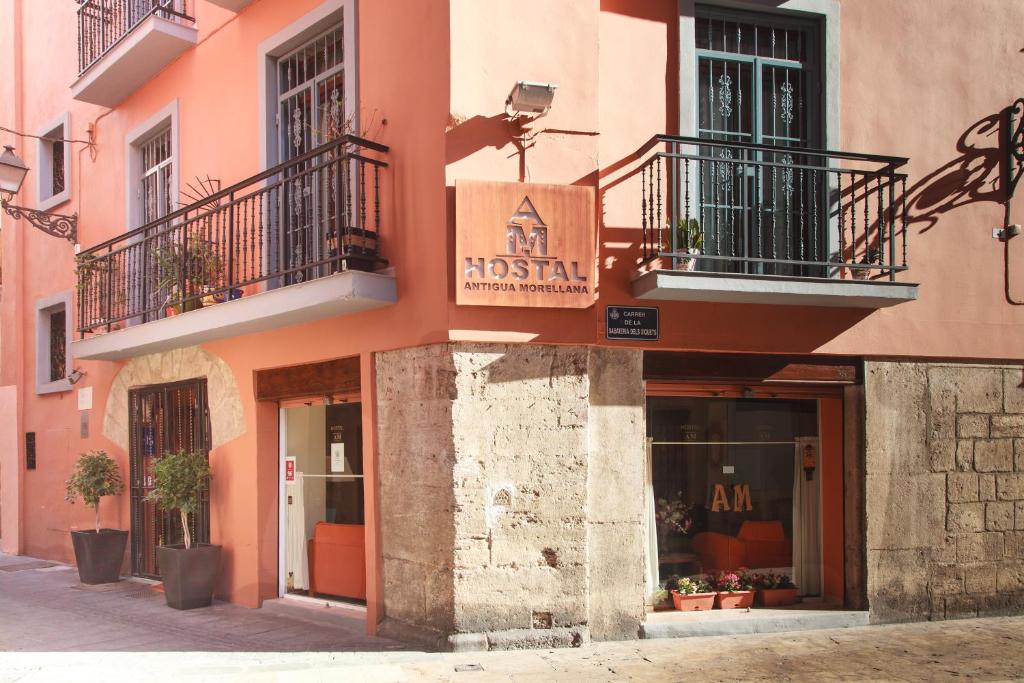
Hostal Antigua Morellana
A simple, exceptionally central hostel: the Silk Exchange is 110 metres away, the cathedral 200 metres and the Central Market 210 metres. It has a 24-hour reception, free luggage storage and soundproofed rooms with private bathrooms, designed for two. The rooms are small, at around 10 m², so they’re better suited to travellers who spend the day out than to longer stays.
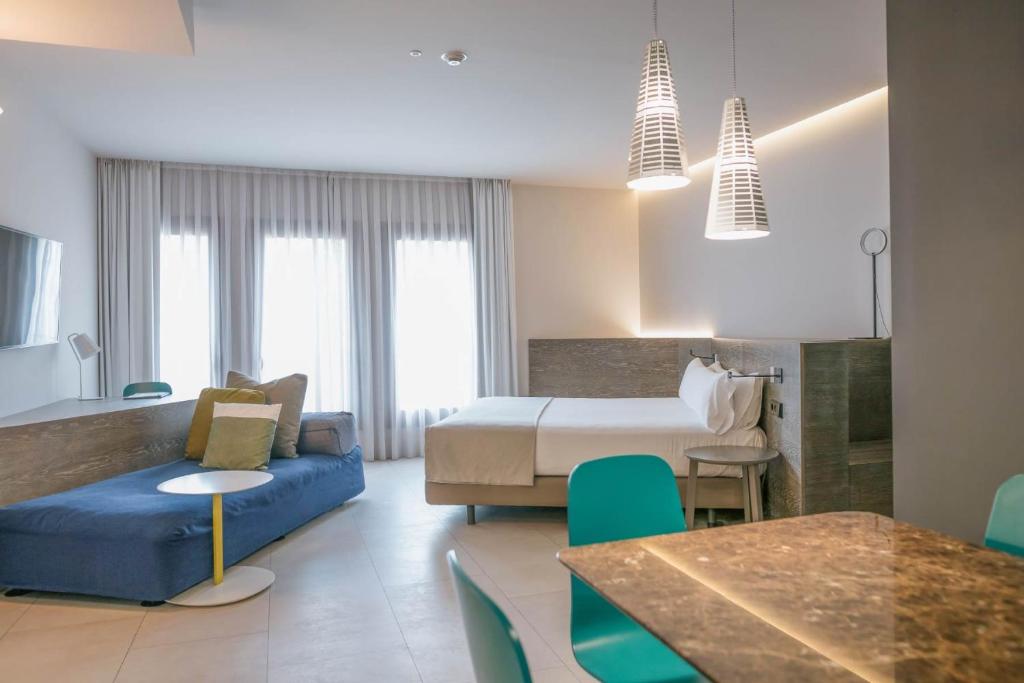
Plaza Mercado by MYR Hotels
Just 140 metres from the Central Market and the Silk Exchange, this four-star hotel has suites with kitchens, handy if you fancy cooking something with ingredients from the market stalls. It also has a spa with Roman baths and a Turkish bath, a gym and a Mediterranean restaurant. Children under 12 aren’t allowed in the spa, and the busy location means street noise may carry into the hotel.
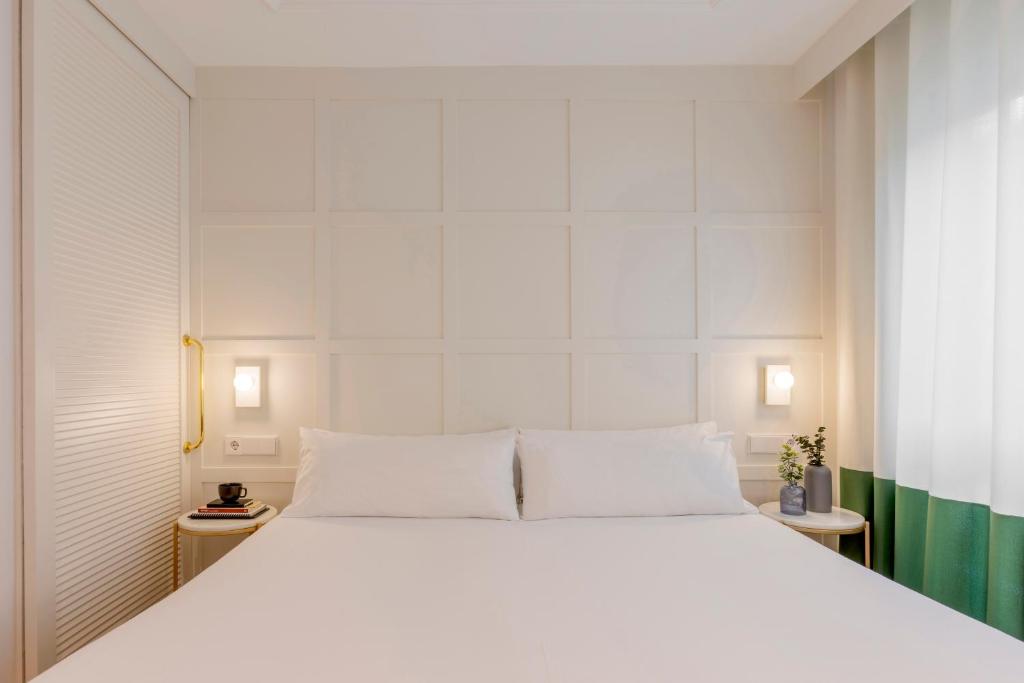
Room Mate Cosmo - City Centre, Valencia
A practical three-star hotel 180 metres from the Central Market, with a gym and buffet breakfast to get the day off to a relaxed start. It works well for families thanks to a 30 m² room for four with an extra bathroom, while anyone after something special can opt for a penthouse with a private terrace. There’s no parking, and parties and stag or hen parties aren’t allowed.
El Carmen and the Serranos Towers
El Carmen occupies the northern half of the old town and is its most characterful neighbourhood. It’s enclosed by two gates in the medieval city wall, the Serranos Towers and the Quart Towers, and its streets mix restored houses, murals, little squares such as Tossal and museums such as the IVAM.
It’s peaceful and photogenic by day; at night, especially at weekends, bars spill out onto the streets, so it’s worth asking for an inward-facing room if you’re a light sleeper. From here, you can cross to the Turia Garden in a minute. Here are our two picks in the neighbourhood.
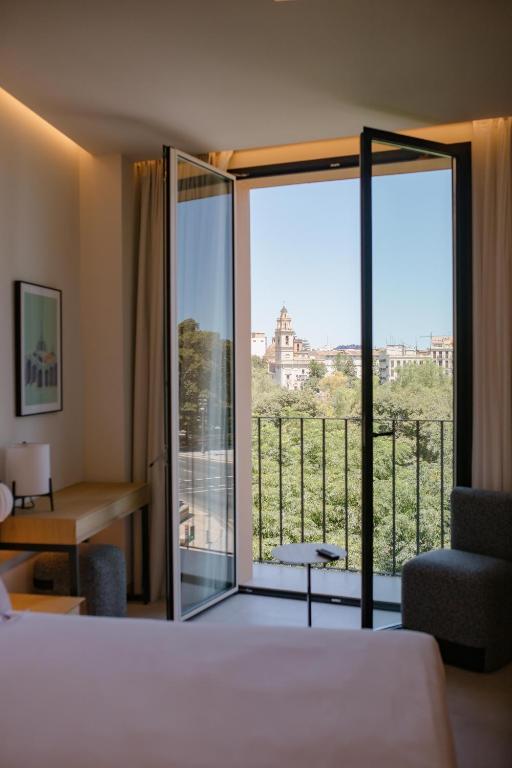
Puerta Serranos by MYR Hotels
A four-star hotel beside the Serranos Towers, with the Turia Garden on one side and El Carmen’s little streets on the other. It has a restaurant, bar and café, rooms with balconies or overlooking an inner courtyard, a lift and wheelchair-accessible facilities. Breakfast isn’t included (a takeaway option is available), and rooms accommodate a maximum of two people.
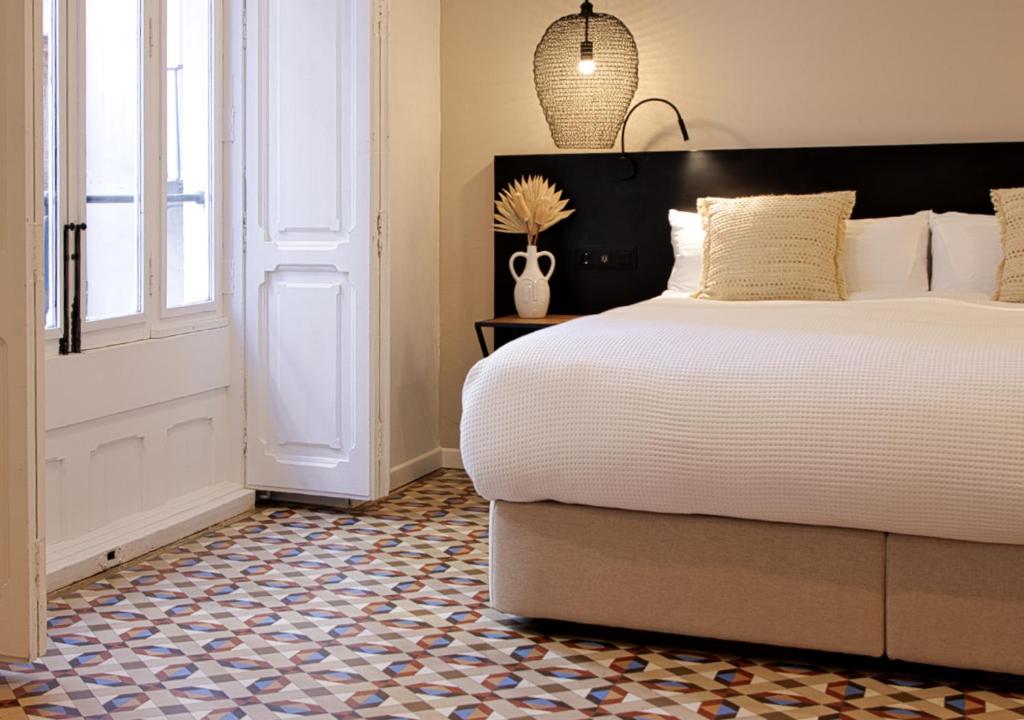
VALOLA Boutique Rooms
A hostel with private-bathroom rooms in the heart of El Carmen, just steps from Ciutat Vella’s landmarks. The 18 m² double is roomy enough for a couple, the superior room adds a balcony and space for a third guest, and the 40 m² suite with a living room works well for small families. Reception is staffed during the day, and you can’t check in after midnight, so bear that in mind if you’re arriving on the last flight.
Sant Francesc and El Patriarca: the city’s most elegant centre
South of the cathedral, the old town becomes more spacious and elegant. The Calle de la Paz and its surroundings are lined with early 20th-century façades, shops and cafés. A few steps away are the Palace of the Marquis of Dos Aguas, with its alabaster doorway and National Museum of Ceramics, and the Patriarch College, with its art museum.
This is a central area that’s somewhat less touristy than Plaza de la Virgen, just steps from Town Hall Square, Calle Colón and the North Station. We’ve picked four hotels here.
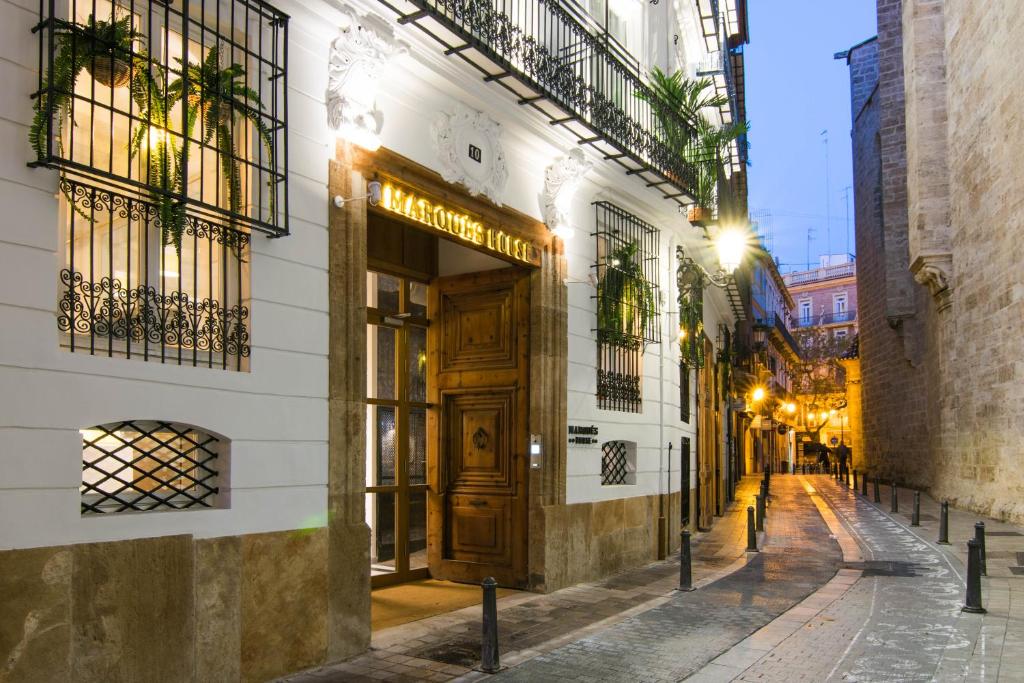
Marqués House by MYR Hotels
This four-star hotel is 80 metres from the National Museum of Ceramics and less than 300 metres from the cathedral, right between El Patriarca and the monumental quarter. The rooms are soundproofed, and some suites have a balcony, city views and a bathtub, making them a good choice for couples. There’s a terrace and a bar, but no parking, and rooms accommodate a maximum of three people.
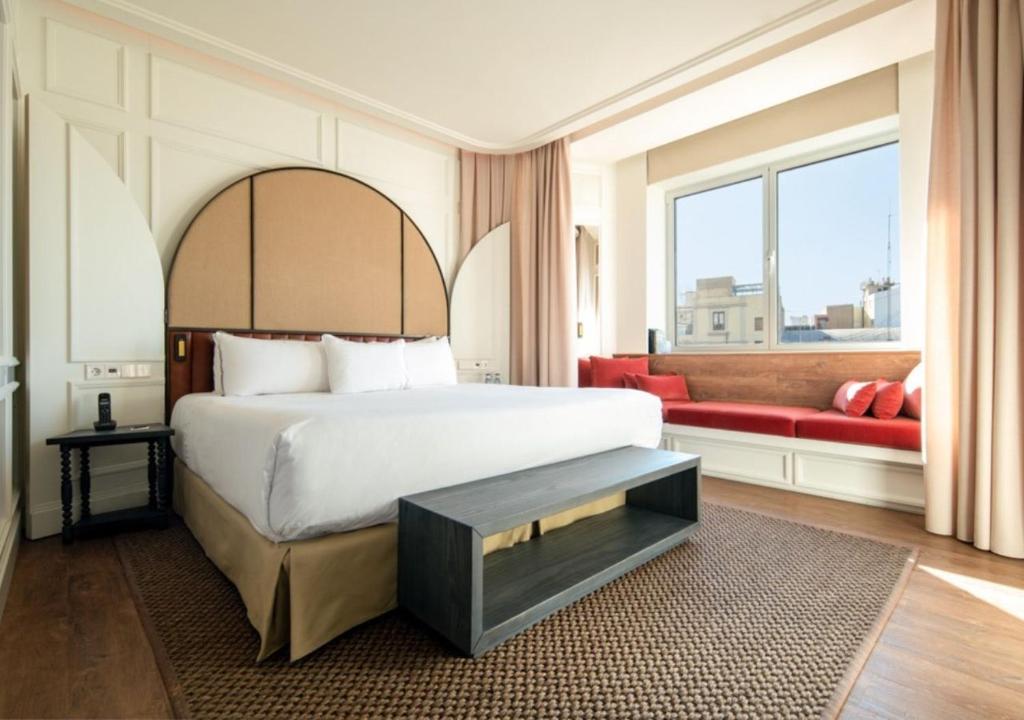
Only YOU Hotel Valencia
A five-star hotel with two restaurants and a gym, 130 metres from the National Museum of Ceramics, with Colón metro station 350 metres away and the North Station 500 metres away. The suites have balconies and views, and continental or gluten-free breakfast can be served in your room, though it costs extra. Dogs weighing up to 10 kg are allowed on request; there’s no on-site parking.
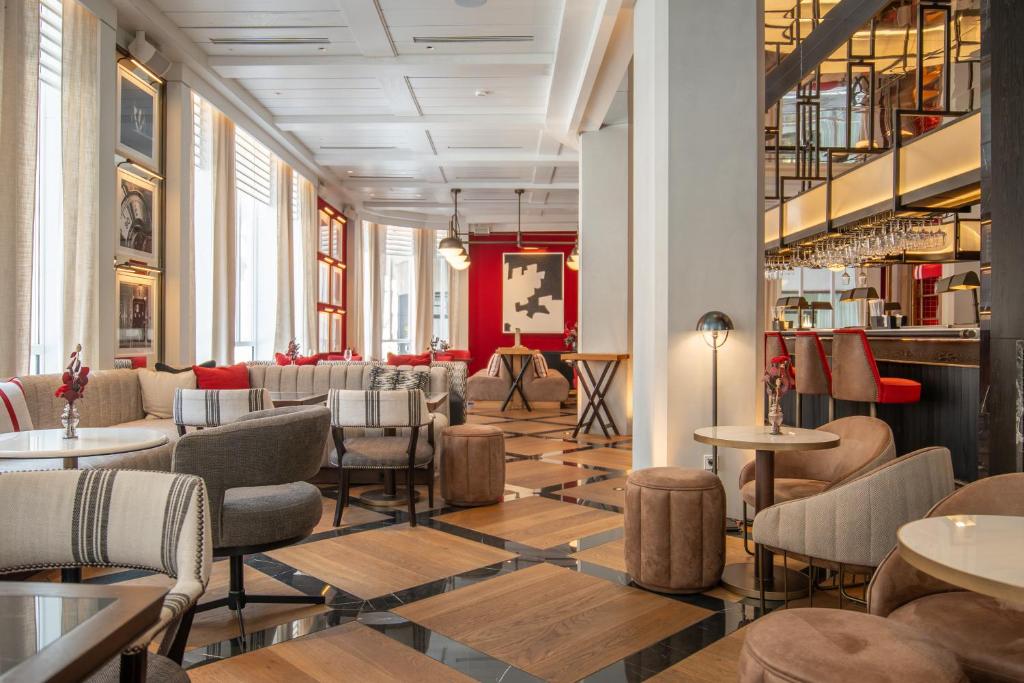
ESTIMAR Valencia
If you want to alternate museum visits with downtime, this four-star hotel 100 metres from the Patriarch Museum has a seasonal outdoor pool, a spa with a sauna and massages, and a gym. The double rooms and city-view suites are comfortable for couples. A refundable damage deposit is required on arrival, there’s no parking, and stag or hen parties aren’t allowed.
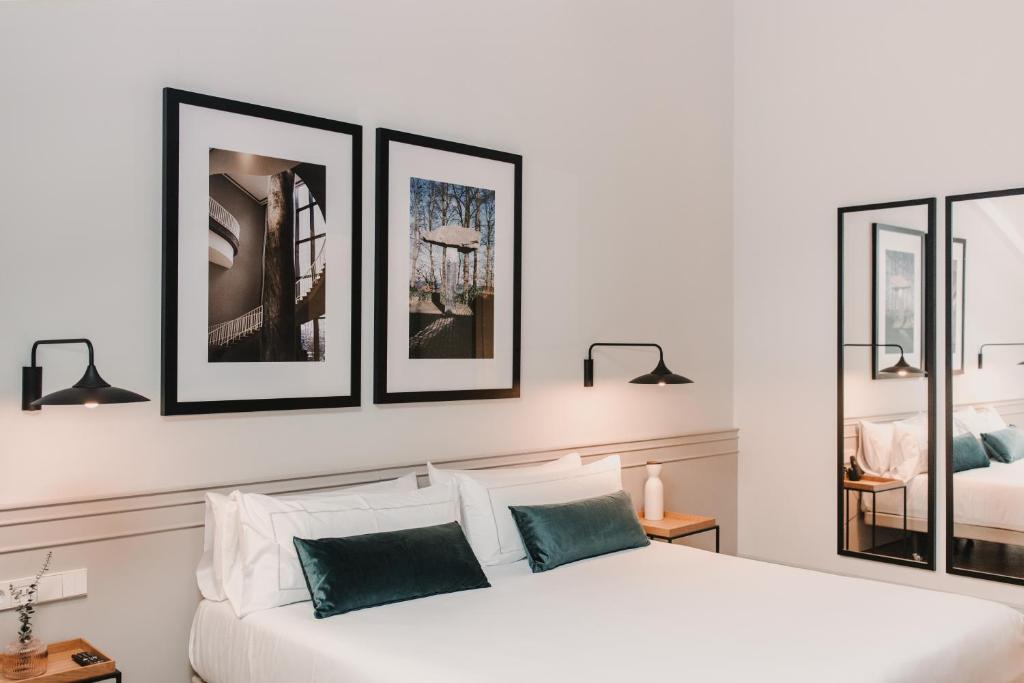
Room Mate Collection Helen Berger
A four-star hotel 50 metres from the Patriarch Museum, with a restaurant, café, bar and buffet breakfast that you can also order to your room. The rooms are soundproofed, some with balconies, and there’s a penthouse with a terrace for anyone looking to treat themselves. Reception and concierge are available 24 hours a day; there’s no parking.
By the North Station and on the way to the City of Arts and Sciences
Beyond the Ciutat Vella ring are Valencia’s expansion districts, with wide avenues, Modernist buildings and the Colón Market, now filled with cafés. Nearby is Ruzafa, the go-to neighbourhood for dinner and drinks, and the North Station, with a concourse decorated with ceramics and orange motifs.
Staying here is convenient if you arrive by train or use the metro, and it’s usually quieter at night than the old town. Head southeast along the old riverbed to reach the Fallero Museum and the City of Arts and Sciences. Here are our two picks outside the old town.
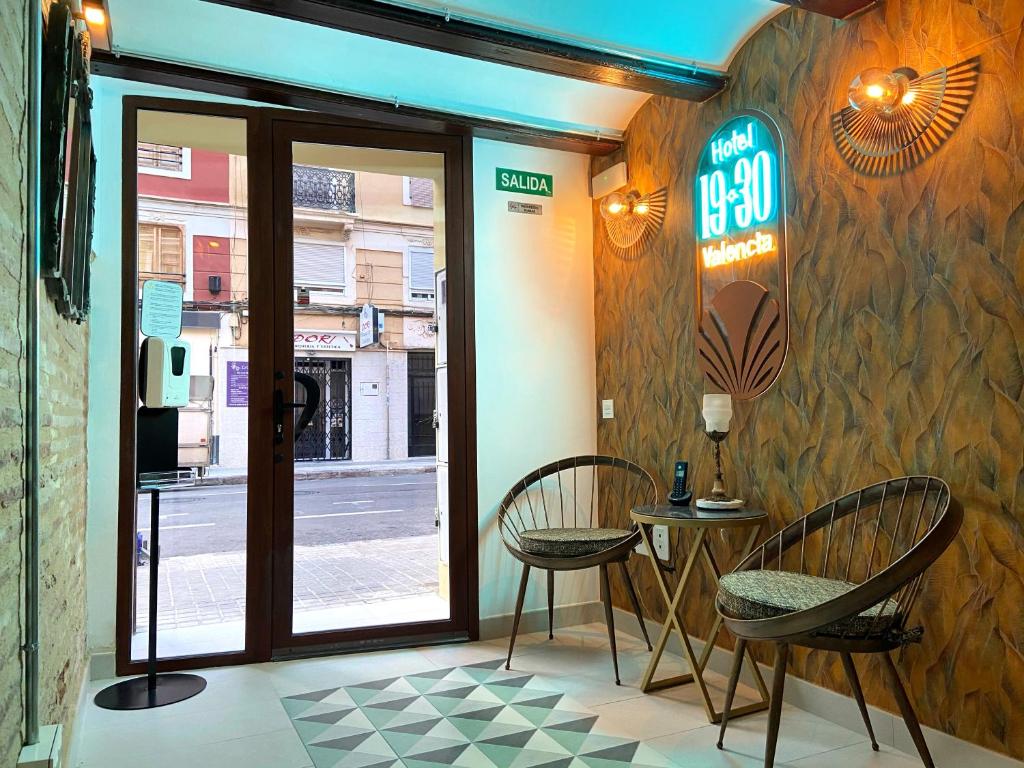
Hotel 19-30 Valencia
A well-located two-star hotel for getting around by public transport: Plaza de España metro station is 100 metres away and the North Station is 250 metres away. The single, double and triple rooms are soundproofed and have private bathrooms, and you can choose a continental or buffet breakfast. Nearby public parking is paid and can’t be reserved.
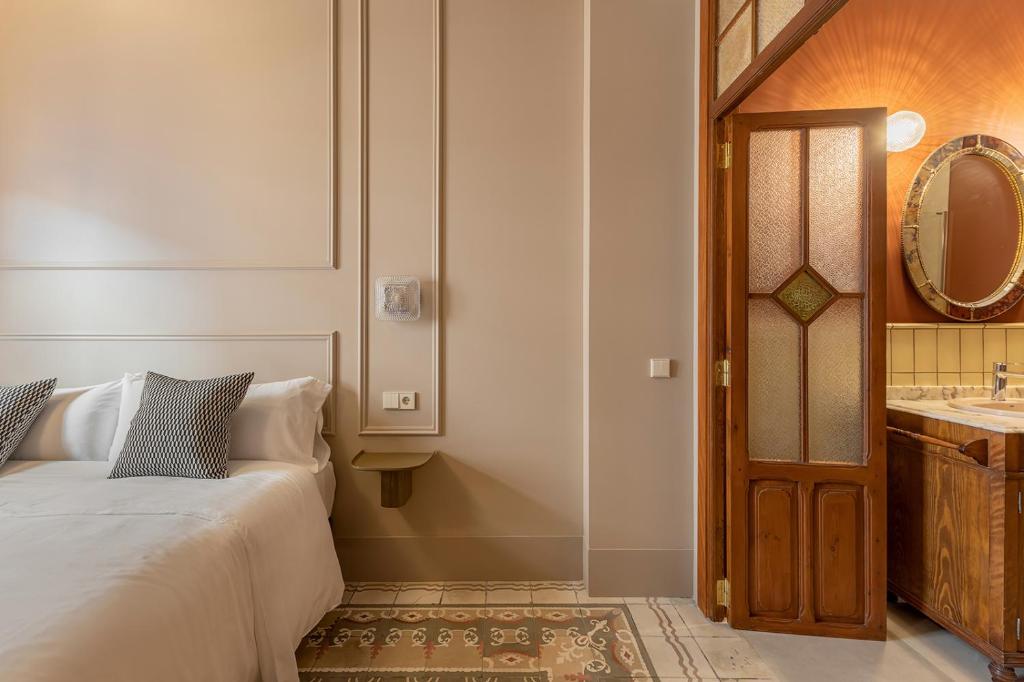
La Novieta Boutique Hotel - Adults Only
A small adults-only hotel near the Fallero Museum, with a garden, courtyard and terrace, as well as several rooms with balconies: a good fit for couples looking for outdoor spaces. Breakfast includes vegetarian, vegan and gluten-free options, and train and metro stations are nearby. All rooms sleep two, and there’s no parking.
What to see in Valencia
The classic route starts in Plaza de la Virgen and continues to the cathedral, where the Water Tribunal, an Intangible Cultural Heritage of Humanity, meets at midday on Thursdays. From the top of the Miguelete, you can see the whole city. To round out your tour of the old town, add these stops:
- The Serranos and Quart Towers, the two remaining grand gates in the city wall, with views from the top.
- The Museum of Fine Arts, beside the Royal Gardens, with one of Spain’s finest art collections.
- The Turia Garden, the old riverbed turned into a nine-kilometre park for walking, running or cycling.
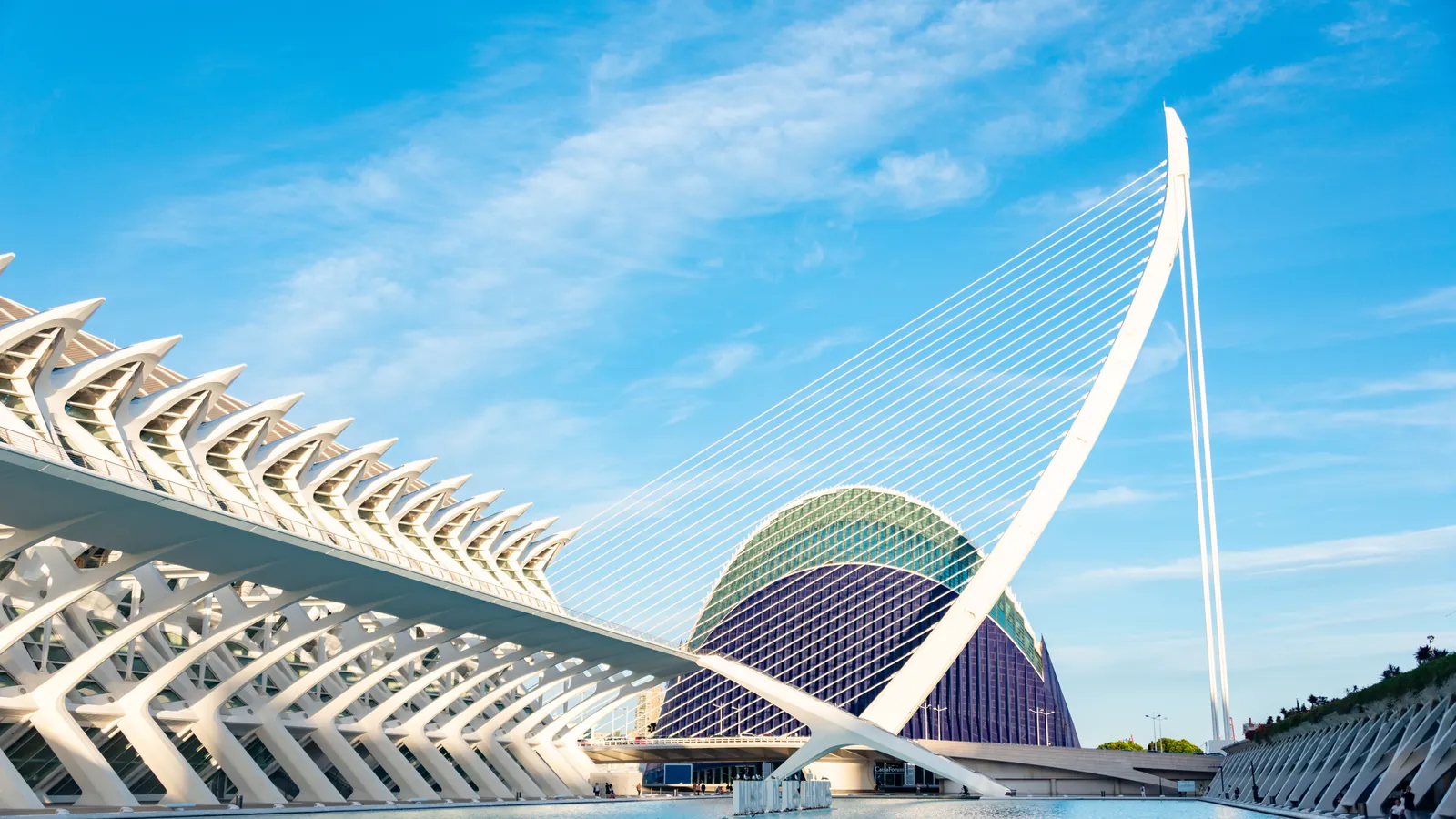
At the end of the garden stands the City of Arts and Sciences, the complex designed by Santiago Calatrava and Félix Candela, with the Hemisfèric, the Science Museum, the Palau de les Arts and the Oceanogràfic, one of Europe’s largest aquariums.
Valencia is a seaside city, too. The beaches of Las Arenas and Malvarrosa are wide and urban, with a seafront promenade and rice restaurants, and just behind them is Cabanyal, the old fishing quarter with its tiled façades. And when it comes to food, the city is the home of Valencian paella, horchata with fartons and all i pebre from the Albufera.
When to visit Valencia: festivals and events
Spring and autumn are the best seasons for walking without the heat. Summer is hot and humid, but there’s the sea, while winter is mild and quiet, perfect for museums.
March is a different story. The Fallas, an Intangible Cultural Heritage of Humanity since 2016, fill the city: from 1 to 19 March, the mascletà fireworks display makes the Town Hall Square rumble every day at two in the afternoon; the monuments are erected in mid-month, and they burn on the night of the 19th in the cremà. These are the busiest dates of the year, with firecrackers going off at all hours: if you’re looking for peace and quiet, choose another month.
In March 2027, the European Athletics Indoor Championships will also take place at the Palau Velòdrom Lluís Puig, coinciding with the first mascletàs. If you’re visiting that month, book even further ahead.
Other dates in the calendar
- July Fair: all month long, culminating on the last Sunday with the Battle of Flowers on the Alameda promenade.
- Valencia Trinidad Alfonso Marathon: in early December, starting and finishing at the City of Arts and Sciences; its 36,000 race entries sell out months in advance.
- Concerts and basketball at the Roig Arena: the multi-purpose venue opened in September 2025, is home to Valencia Basket and drew more than 19,000 people to a single concert in its first year.
Getting to and around Valencia
Valencia Airport is in Manises, about eight kilometres west of the centre. Metro lines 3 and 5 depart from the terminal itself, with trains approximately every 15 minutes on weekdays and every 20 minutes at weekends and on public holidays, stopping at central stations such as Xàtiva and Colón.
By train, the AVE from Madrid takes less than two hours to reach Joaquín Sorolla station, while commuter and regional trains stop at the North Station. The two stations are a few minutes’ walk from each other.
Once you’re in the city, you can explore the old town on foot and get around the rest by bike, with cycle lanes running along the Turia riverbed and the public Valenbisi bike-sharing service. Metro and tram services take you to the beach, and EMT buses cover the rest of the city.
Valencia as a base for day trips
Twenty minutes south of the city is the Albufera Natural Park, with its large lake, rice fields and the village of El Palmar, where you can eat rice dishes and watch the sunset from a boat. Inland, Xàtiva has a spectacular castle overlooking the city, while Requena is the centre of a wine-producing region with wineries you can visit.
If you’d prefer a quieter beach than the city’s, Cullera and Gandía are less than an hour away by car, and both have commuter rail services.
Valencia is the main city in our guide to where to stay in the Valencian Community. If you’re following the coast, also check out where to stay in Peñíscola to the north, and, on the Costa Blanca, where to stay in Altea and where to stay in Benidorm. You’ll find the full regional selection on our Valencian Community page.
Frequently asked questions
Quick answers to the most common questions from people planning a few days in Valencia.
What’s the best area to stay in Valencia?
For a first visit, choose Ciutat Vella, the old town. From around the cathedral, the Silk Exchange and the Central Market, you can walk to almost all the main sights, while El Carmen adds bars and street art. If you’re looking for somewhere more elegant and commercial, the area around El Patriarca and Calle de la Paz is a great alternative. The area around the North Station suits those arriving by train, while the beach is a better fit for longer or summer stays.
Is it better to stay in the centre or near the beach?
It depends on your trip. For a two- or three-day break, the historic centre saves you travel time and lets you enjoy the city at night, too. Malvarrosa and Las Arenas are about four kilometres from the old town and well connected by metro and tram, so you can stay in the centre and head to the beach each day. Staying by the sea makes more sense in summer, if swimming is the main plan, or for week-long stays.
How do you get from Valencia Airport to the city centre?
The metro is the most convenient option. Lines 3 and 5 leave from the terminal at Manises Airport and go directly to central stations such as Colón and Xàtiva, next to the North Station. Trains run approximately every 15 minutes on weekdays and every 20 minutes at weekends and on public holidays. There’s also a metropolitan bus and taxis outside arrivals, which are handy if you have a lot of luggage or arrive when the metro has stopped running.
When is the best time to visit Valencia?
Spring and autumn are ideal: temperatures are pleasant for walking, and the days are long enough to combine city and beach. Summer is hot and humid, but the sea makes up for it, while winter is mild and quiet. The Fallas, from 1 to 19 March, are the city’s biggest festival: a unique spectacle, with accommodation in high demand and noise at all hours. In March 2027, the festival coincides with a European athletics championship, so it’s worth booking well ahead.
Can you drive to Valencia and park in the city centre?
You can drive there, but it isn’t the most practical option. Almost no accommodation in the old town has its own parking, and parts of Ciutat Vella are restricted-access areas for non-residents. Most visitors leave their car in a nearby public car park, almost always for a fee, and get around on foot, by bike or by public transport. Before you arrive, ask your accommodation about the nearest car park and how to access its street.