Español
 English
 Français
 Deutsch
 Italiano
 Nederlands
 Português
 日本語
 中文
The Valencian Community stretches along the Mediterranean across three provinces: Castellón, Valencia and Alicante. In a few hours by car, you can go from a Templar castle above the sea to the City of Arts and Sciences and the coves of the Marina Alta.
Deciding where to stay in the Valencian Community is mostly about choosing which stretch of coast or which city you want on your doorstep. We’ve reviewed the places to stay in the Valencian Community featured on our site and hand-picked them one by one for what they offer and the kind of traveller they suit. Of the more than 800 places that meet our criteria, four in ten are hotels; hostels, villas and bed-and-breakfasts come next.
How to choose an area
The Valencian coast is long: driving from Peñíscola to Alicante takes around three hours on the motorway. These are the bases we recommend:
- Valencia: the old town, Central Market, the former Turia riverbed and an urban beach a short metro ride away.
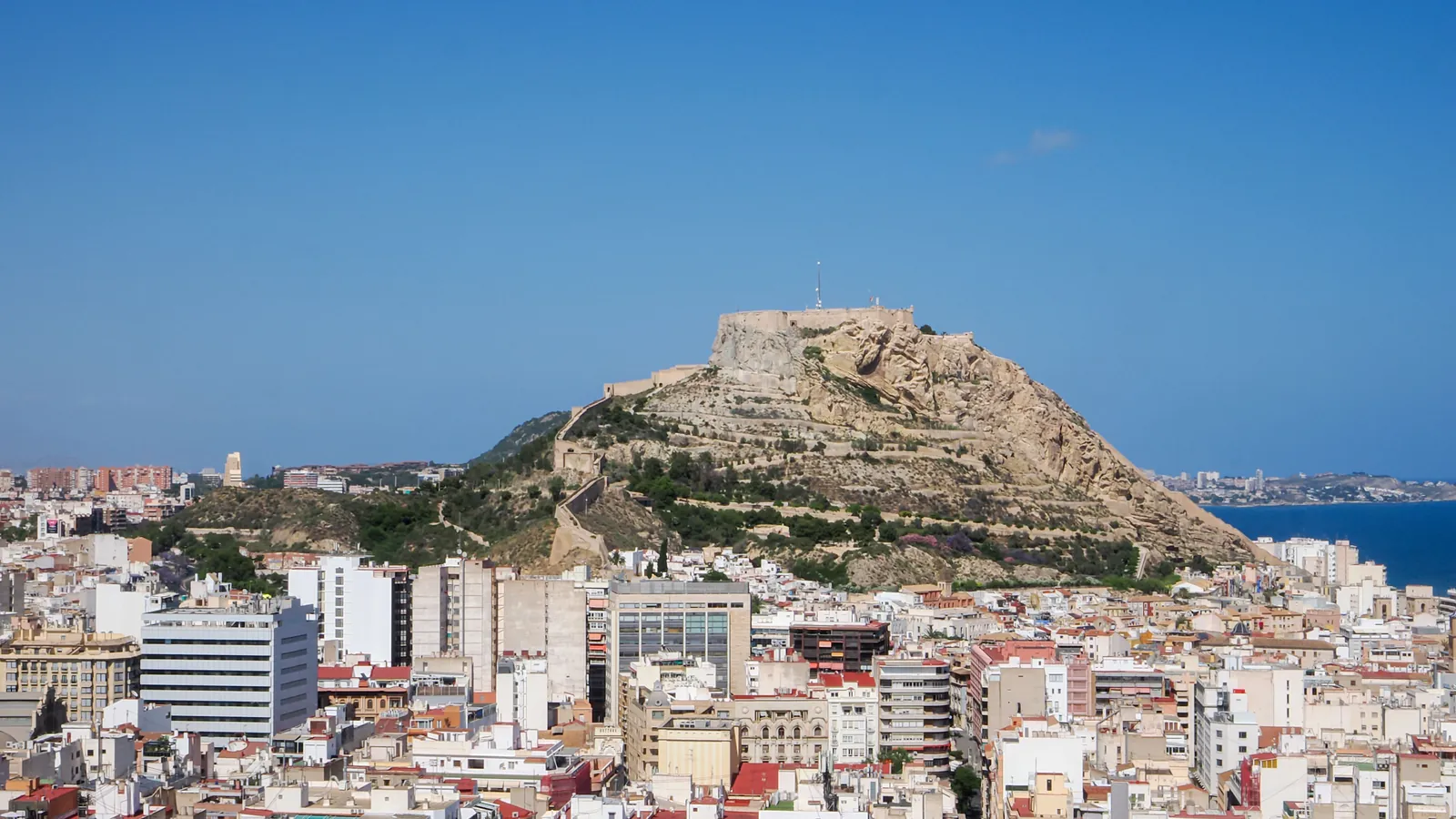
- Alicante: Santa Bárbara Castle, the Explanada and city beaches, with the airport close by.
- Peñíscola: Papa Luna’s castle on a peninsula and a long family-friendly beach.
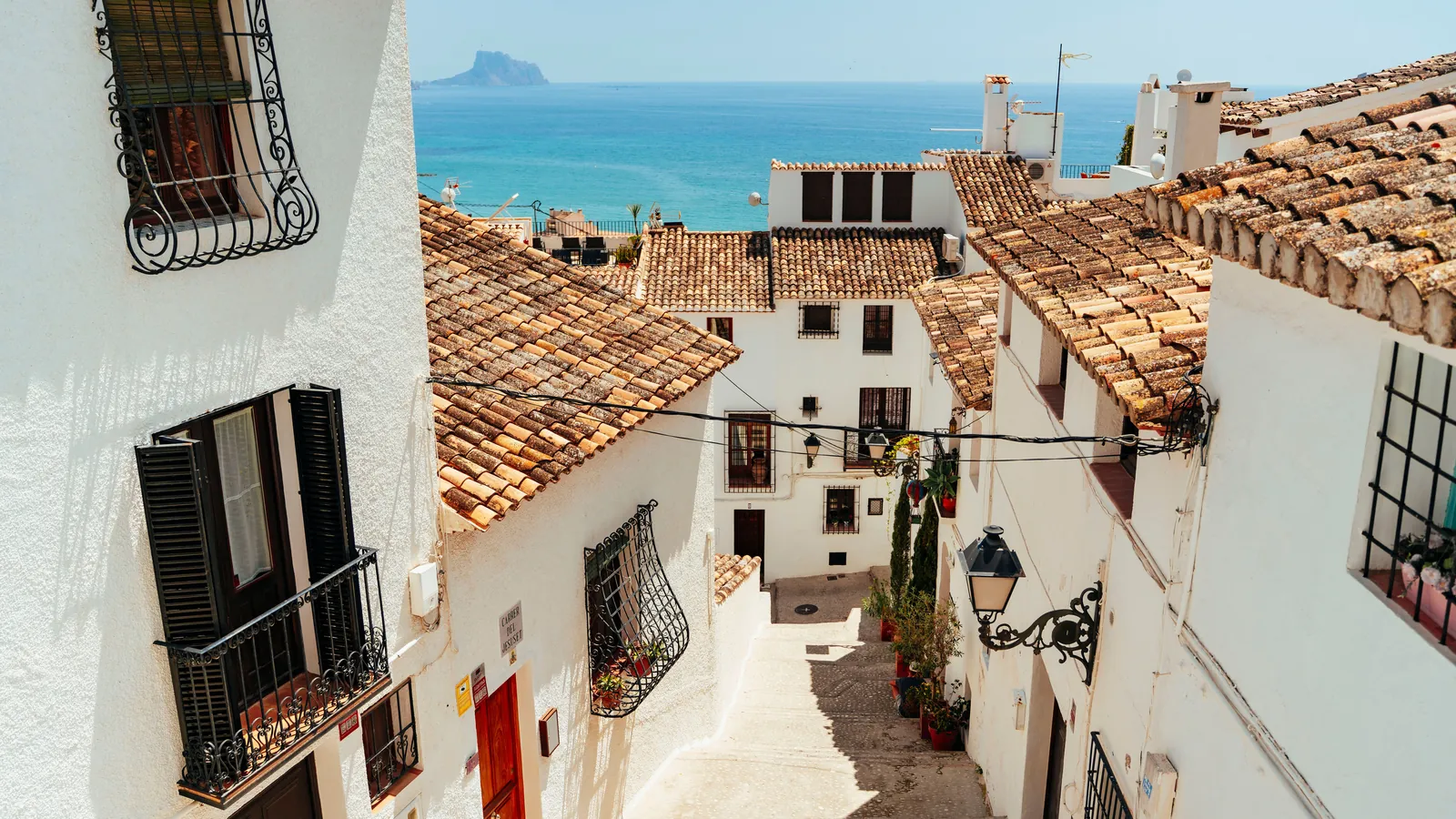
- Altea: a whitewashed hilltop town, pebble beaches and Benidorm just minutes away.
- Calpe: the Peñón de Ifach, coves to the south and villas with pools.
- Denia and Jávea: the Montgó, ferries to the Balearic Islands and the province’s most rugged coastline.
For a city break, choose Valencia; for a city and the sea, Alicante; for a quieter beach stay, Altea, Calpe or Denia. Two bases are plenty for a week.
Valencia
Valencia is easy to explore on foot around its centre: the cathedral and Micalet, the Silk Exchange (a UNESCO World Heritage Site) and the Central Market are just minutes apart. The former Turia riverbed, now a park, takes you by bike to the City of Arts and Sciences. We cover it neighbourhood by neighbourhood in our guide to where to stay in Valencia; see all places to stay in Valencia.
South of the city, the Albufera and its rice fields lead to Cullera and Gandía, long beaches popular with families in summer; inland, Xàtiva has a castle and Requena has wineries. For the city, here are three hotels in Ciutat Vella:
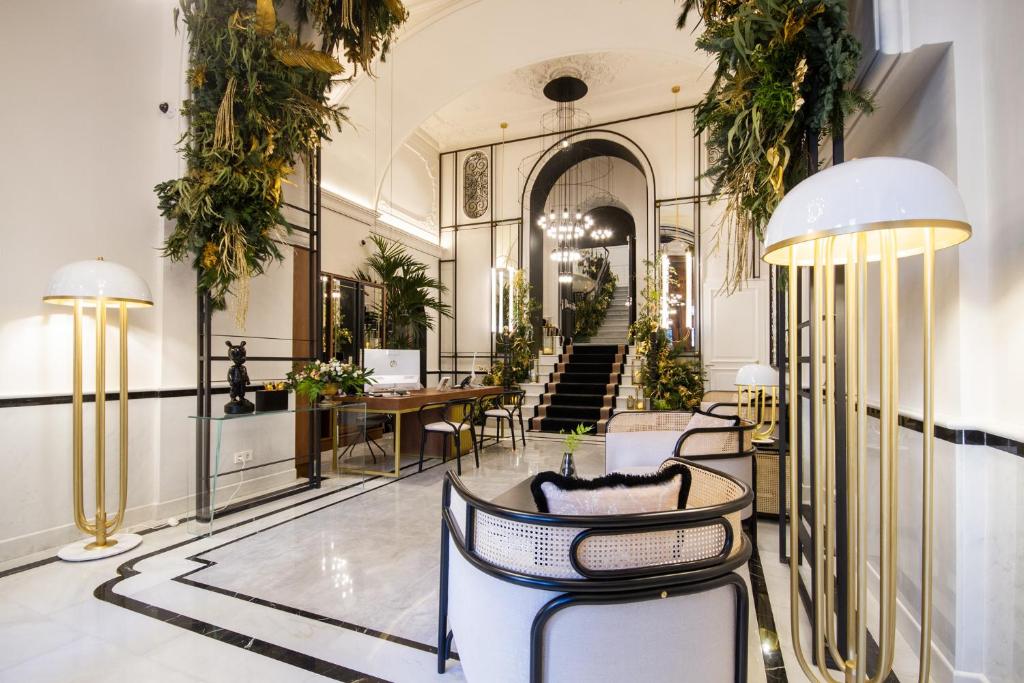
Palacio Vallier by MYR Hotels
A five-star hotel 190 m from the cathedral and 300 m from the Silk Exchange, with rooms and suites overlooking the city, some with balconies, and a 24-hour front desk. It has a terrace, bar and restaurant, although the restaurant closes on Sunday evenings and all day Monday. Check-in is from 16:00; nearby parking is paid and must be booked separately.
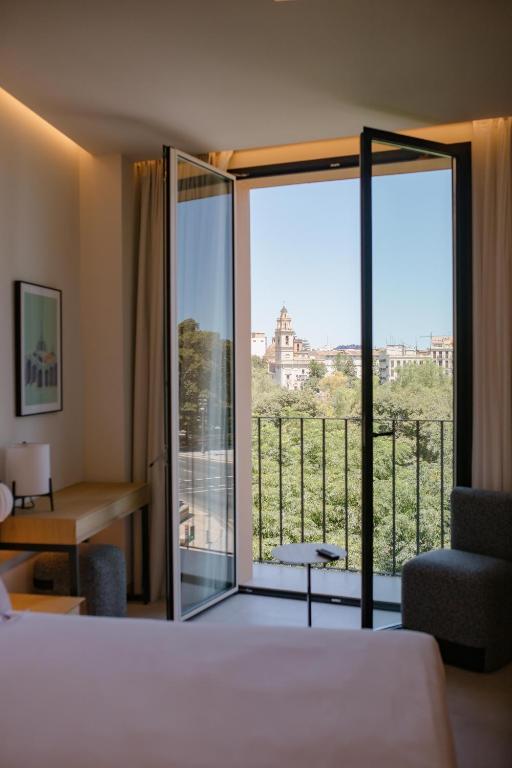
Puerta Serranos by MYR Hotels
Opposite the Serranos Towers, on the edge of El Carmen, with a terrace, restaurant and café; rooms overlook the city or an inner courtyard. It has a lift and wheelchair-accessible facilities. All rooms sleep two, breakfast is takeaway, and parking is paid and must be reserved.
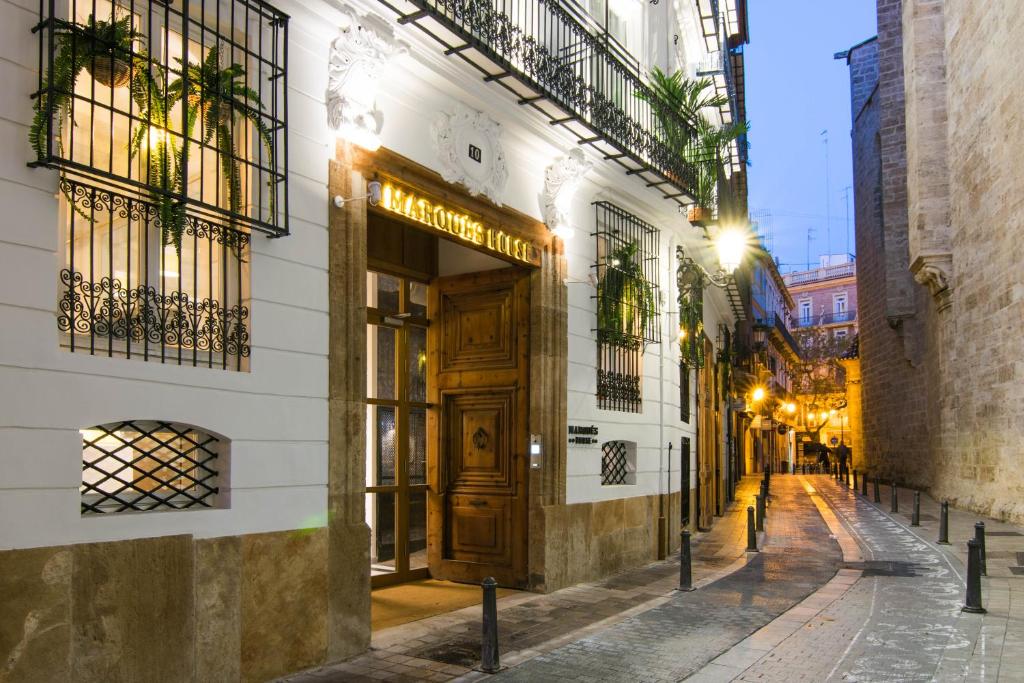
Marqués House by MYR Hotels
80 m from the National Museum of Ceramics, in the city centre’s grandest quarter, with soundproofed rooms and suites with balconies and bathtubs. It suits couples who want to walk out for dinner and return somewhere quiet. There’s no parking, the beach is more than 4 km away, and rooms sleep no more than three.
Alicante
Alicante is best admired from Santa Bárbara Castle, high on Mount Benacantil, and enjoyed down below: the Explanada, the Santa Cruz neighbourhood and Postiguet Beach are all close to the centre. Boats to Tabarca leave from the port. Find out more in our guide to where to stay in Alicante and browse places to stay in Alicante.
On 17 January 2027, The Ocean Race will set off from Alicante for Auckland in the longest opening leg in the race’s history, so the port will be busy around that time. The TRAM follows the coast to El Campello; to the south, Elche is home to its palm grove and Santa Pola to its salt flats. Our picks include two places in the centre and one by the beach:
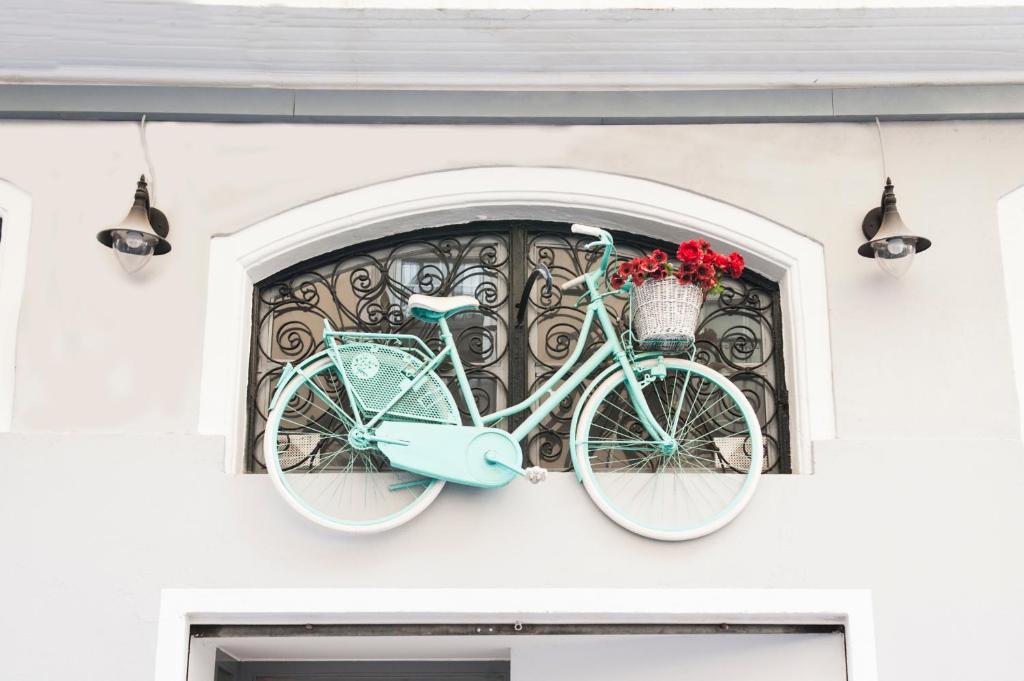
Hotel Smile & Co Hostal Boutique
300 m from the Explanada and 750 m from the train station, it’s ideal for getting around without a car; the Tabarca ferry pier is almost opposite. Family rooms and triple rooms are available, and continental breakfast can be brought to your room, although it costs extra. Cats aren’t allowed, and parking is paid and must be reserved.
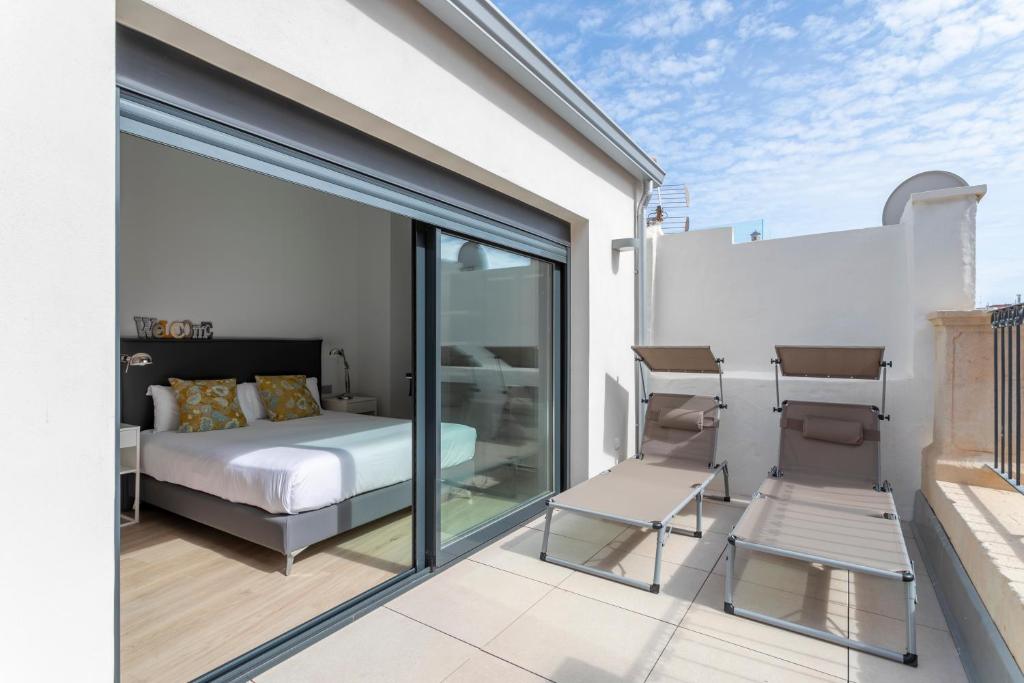
Arenal Suites Alicante
Apartments with kitchens and balconies, 400 m from Postiguet Beach and close to the Central Market—handy if you want to shop for groceries and eat in. The two-bedroom, two-bathroom penthouse sleeps six. There’s no parking, quiet hours are from 22:00 to 10:00, and late-night arrivals incur a surcharge.
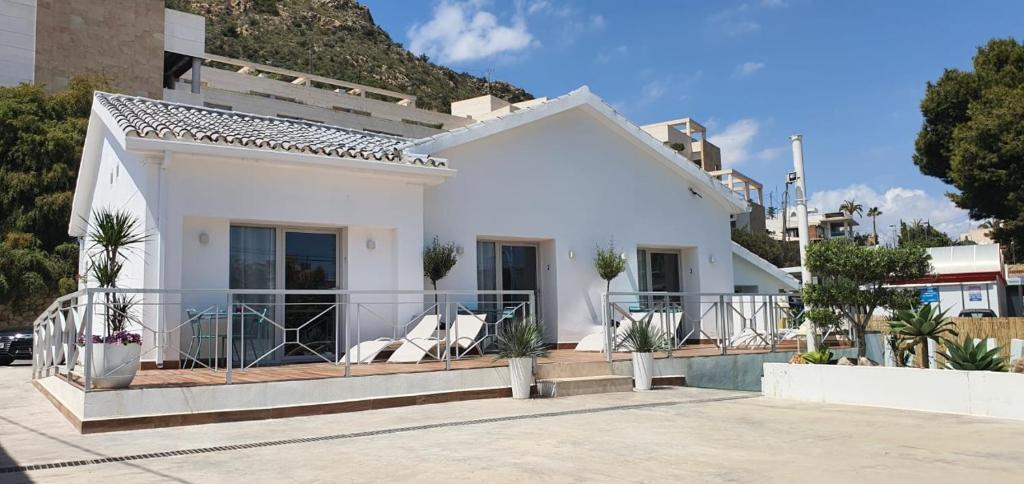
Sandra Rooms
A four-minute walk from Albufereta Beach, with a garden, terrace and sun loungers to take down to the sand. Rooms are simple, with private bathrooms and air conditioning. The garage has limited spaces, must be booked and may incur a charge; rooms sleep a maximum of three.
Peñíscola
Peñíscola is the main base on the Castellón coast: a walled old town on a peninsula, crowned by the Templar castle where Pope Luna took refuge, with Playa Norte stretching out below for more than five kilometres. The Serra d’Irta begins to the south, one of the few undeveloped stretches of coastline. Read our guide to where to stay in Peñíscola and browse places to stay in Peñíscola.
The same coastline continues towards Vinaròs, Alcossebre and Benicàssim; inland, Morella is worth an overnight stay. In the old town, here are two adults-only hostels:
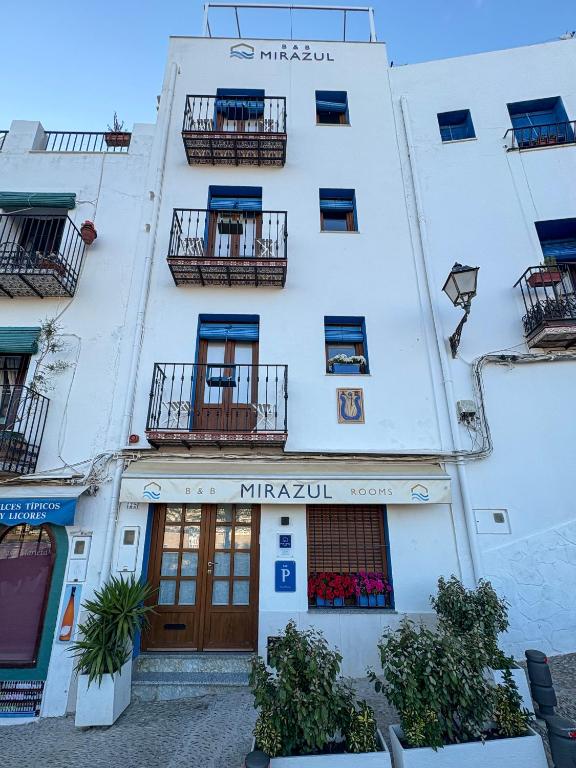
B&B Mirazul
An adults-only hostel 50 m from the castle, with double rooms that look out to sea from a balcony or terrace—the view is reason enough to choose it. From here, you can explore the old town at your own pace. There’s no parking, and check-in is not available after 20:00.
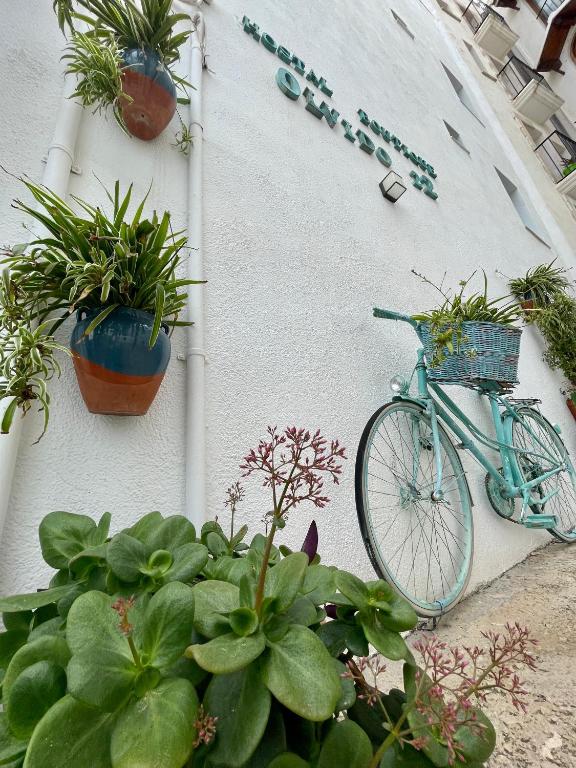
Hostal Boutique Olvido 22 Adults Only
Between the castle and Playa Norte, 100 m away, with balconies overlooking the sea, town or mountains and a suite with a terrace. Breakfast is varied—a great start before heading down to the sand. Adults only, no parking, and stairs lead to the upper floors.
Altea
Altea is the whitewashed town of the Marina Baixa: white houses climb towards the church with its blue domes, alongside art galleries and a seafront promenade above pebble beaches. To the south, El Albir opens onto the Serra Gelada. Find out more in our guide to where to stay in Altea and browse places to stay in Altea.
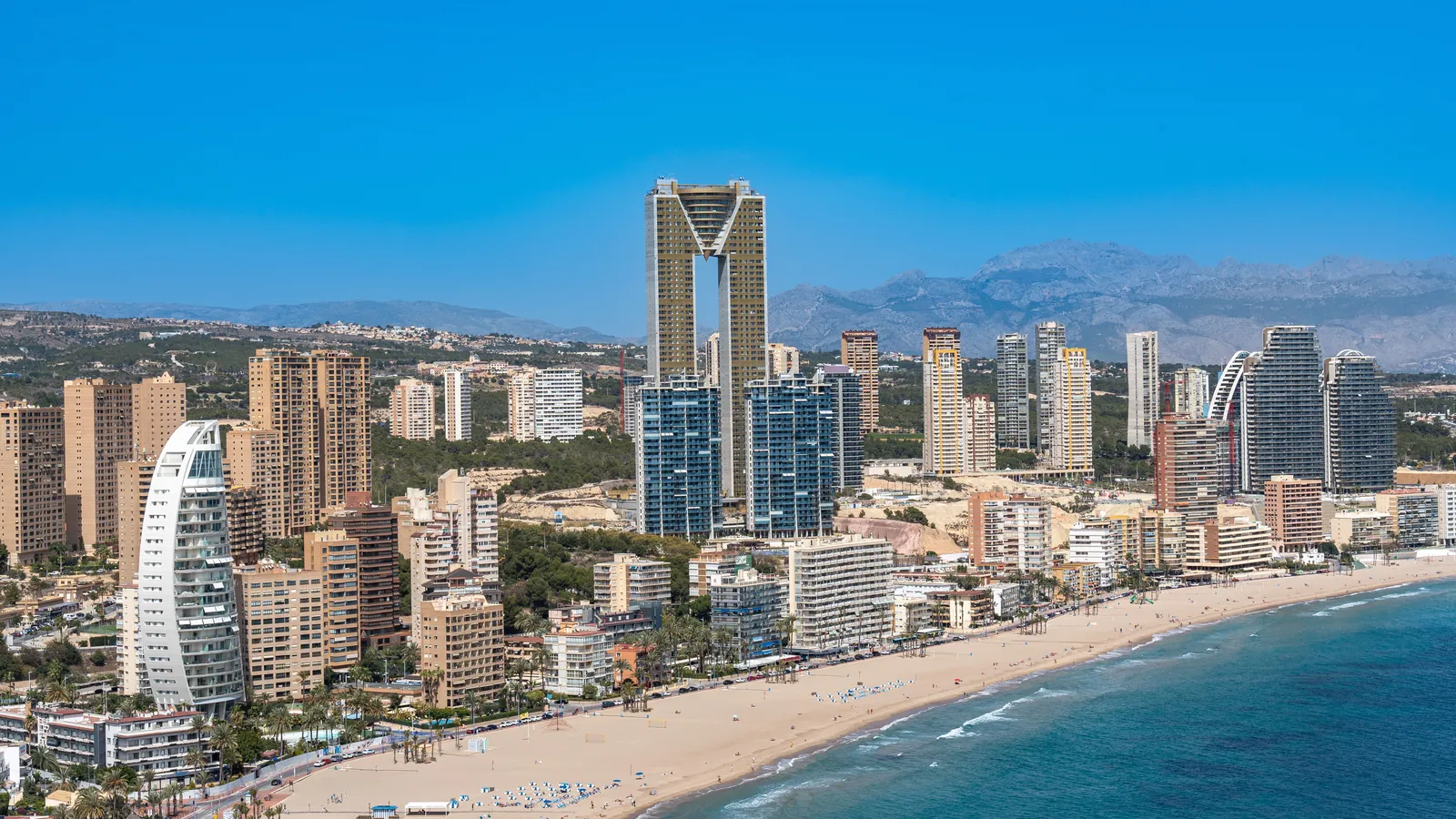
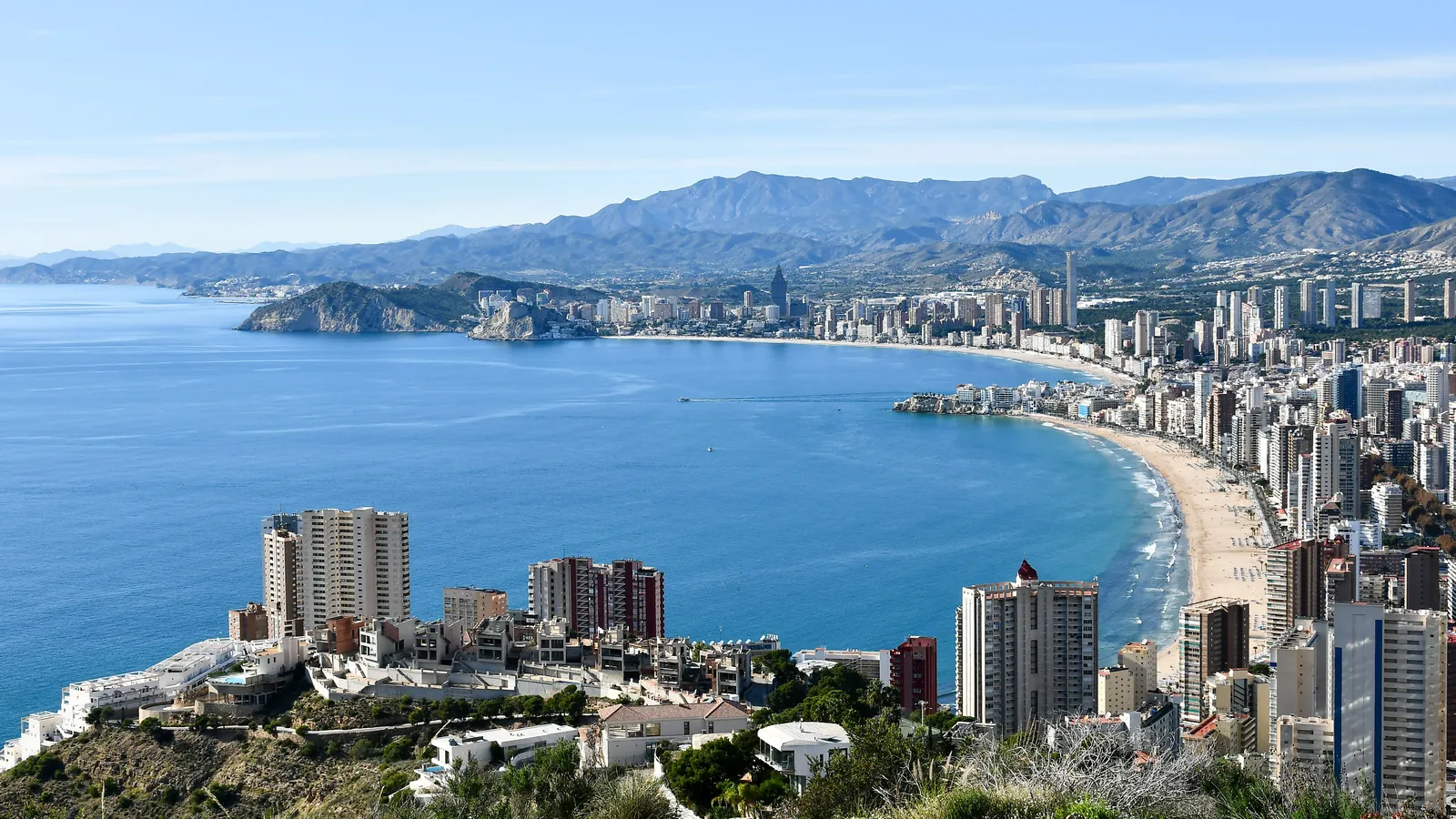
A quarter of an hour away, Benidorm is a different world: skyscrapers, Levante and Poniente beaches and, from 23 to 30 January 2027, the Benidorm Fest. The TRAM’s line 9, refurbished and reopened in January 2025, connects the two towns with Calpe and Denia. In Altea, here are our two picks:
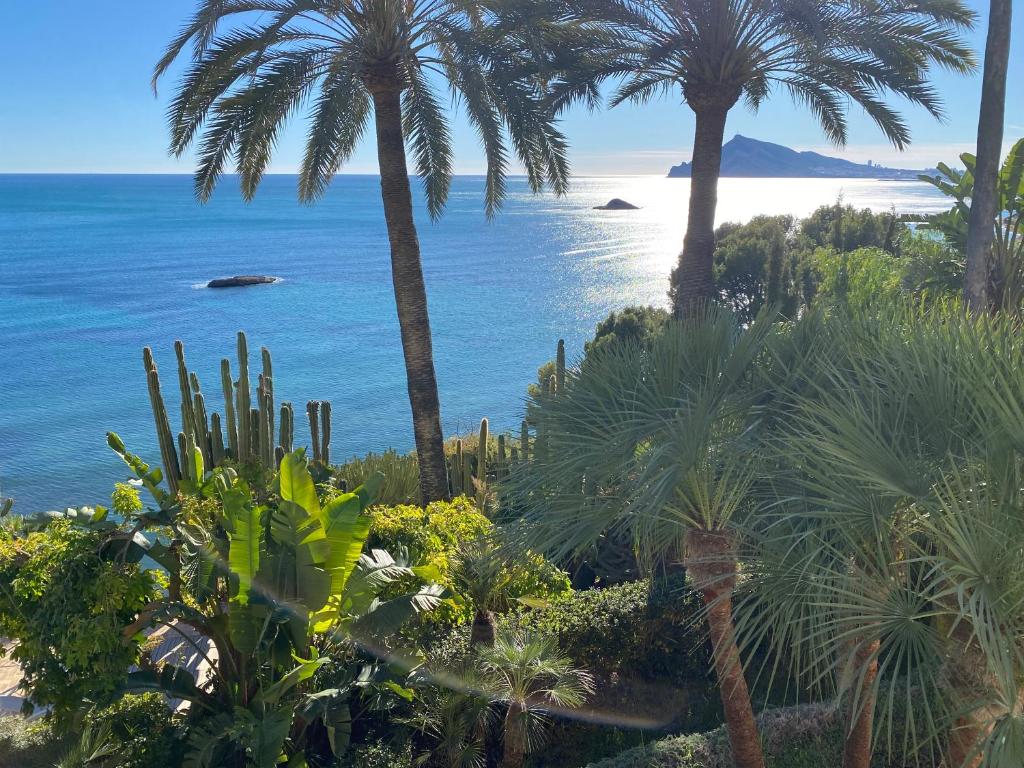
El jardin Botánico Villa LUZ
A house with a garden and pool, 140 m from Solsida Beach, with a spacious 41 m² room, balcony and sea view. Free private parking is available without a reservation, which is handy if you’re exploring the coast by car. It sleeps two only; check-in is from 15:00 to 17:00, and parties aren’t allowed.
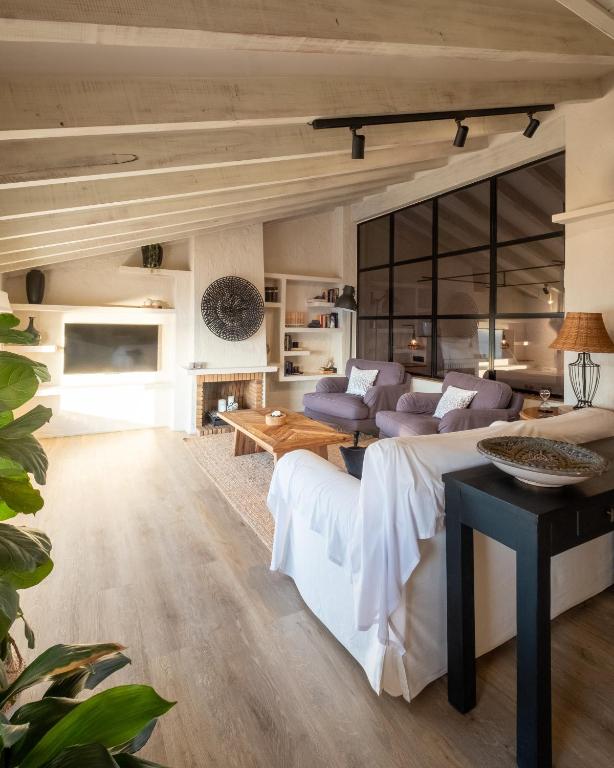
Precioso Apartamento Boutique El Amante
60 m² accommodation with a fully equipped kitchen, sleeping two or four adults, close to several beaches; two categories also have a balcony, terrace and sea views. A good option for longer stays without relying on restaurants. Adults only, no private parking, and quiet hours are from 23:00 to 09:00.
Calpe
Calpe is recognised from afar by the Peñón de Ifach, a natural park that you can climb with a prior reservation and subject to limited capacity. At its foot are Arenal-Bol Beach, the old town and salt flats where flamingos can be spotted; to the south, coves and villa developments. We explain more in our guide to where to stay in Calpe and in places to stay in Calpe.
To the north, Benissa and Moraira are a quieter take on this coastline, with small coves and pine forests. Here are two villas for families or groups:
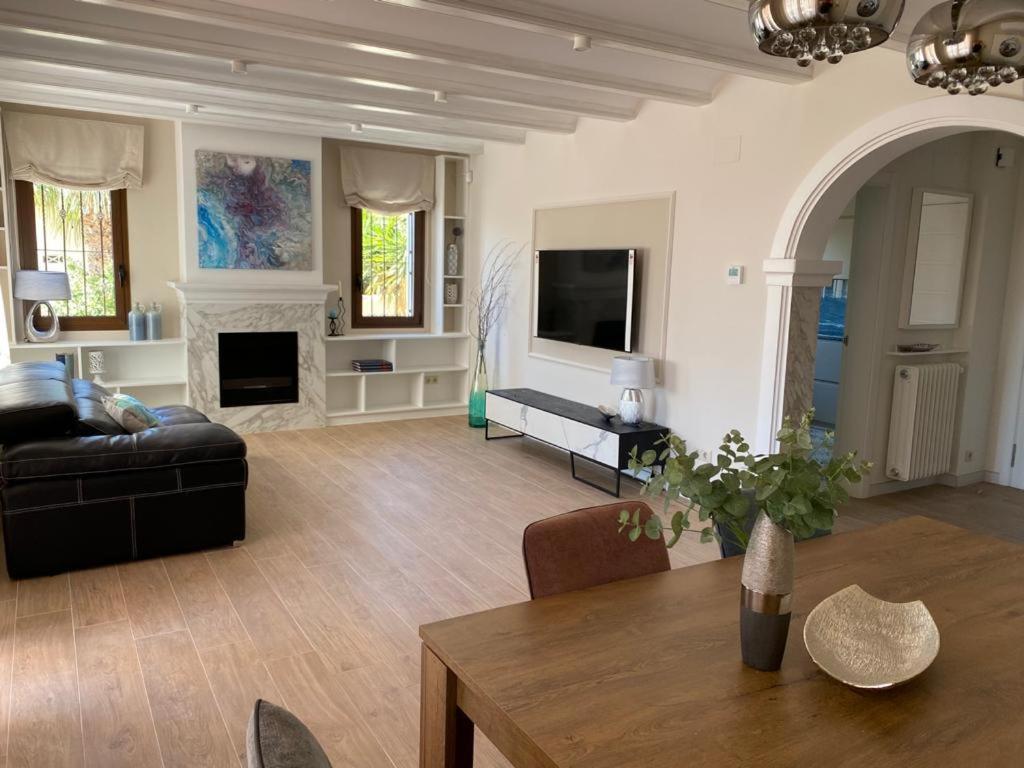
THE BEST HOLIDAY VILLA
Three bedrooms, a fully equipped kitchen, garden, barbecue terrace and private pool, although the pool is open only in season. Pets are allowed on request, and the internet connection can handle remote work. You need to let them know your arrival time, between 16:00 and 21:00, and leave a cash deposit.
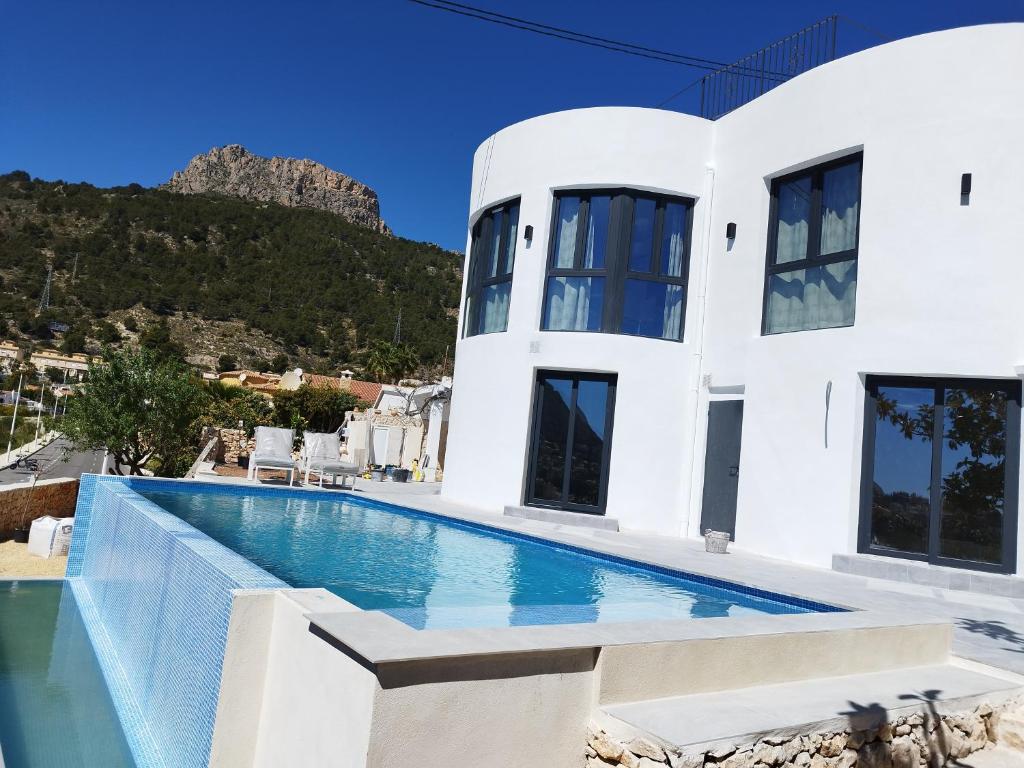
Modern luxury villa Paradise
A 270 m² house with five bedrooms for up to ten people, a private pool and a terrace with sea views. Puerto Blanco Beach is 700 m away and Les Urques Cove is 900 m away. Check-in starts at 17:00, and a cash deposit is requested on arrival.
Denia
Denia looks out to sea from its castle and towards the mountains from the Montgó, the massif that separates its municipal area from Jávea. Ferries to Ibiza, Formentera and Mallorca leave from the port, and red prawns are a local speciality: Denia has been a UNESCO Creative City of Gastronomy since 2015. Read our guide to where to stay in Denia and browse places to stay in Denia.
On the other side of the Montgó, Jávea spreads its life between the town, the port and the Arenal, with coves such as Granadella and viewpoints over Cap de la Nau. In Denia, here’s one place by the water and another at the foot of the mountain:
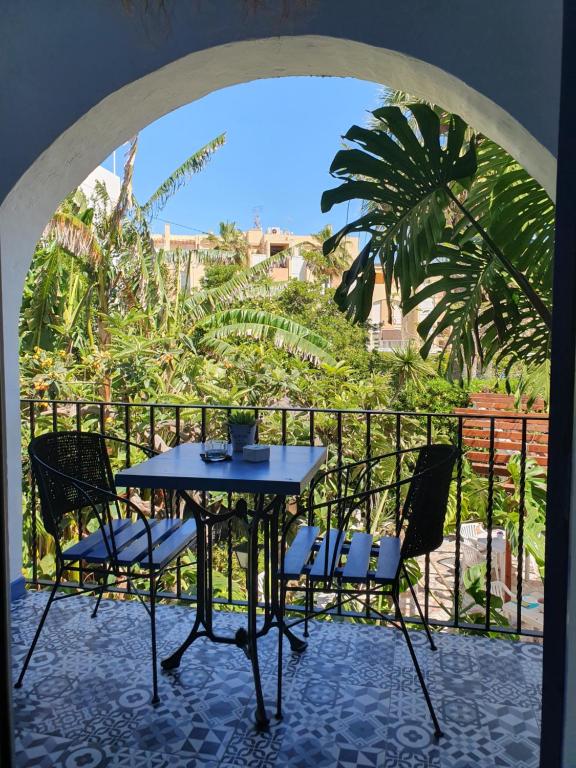
Hostal Mi Campaña
A two-star property 150 m from Les Bovetes Beach, with a garden, restaurant with terrace and double rooms with balconies. Private parking is free and doesn’t need to be reserved—something you’ll appreciate in summer. Breakfast costs extra, check-in ends at 18:00, and the restaurant closes on Tuesdays outside July and August.
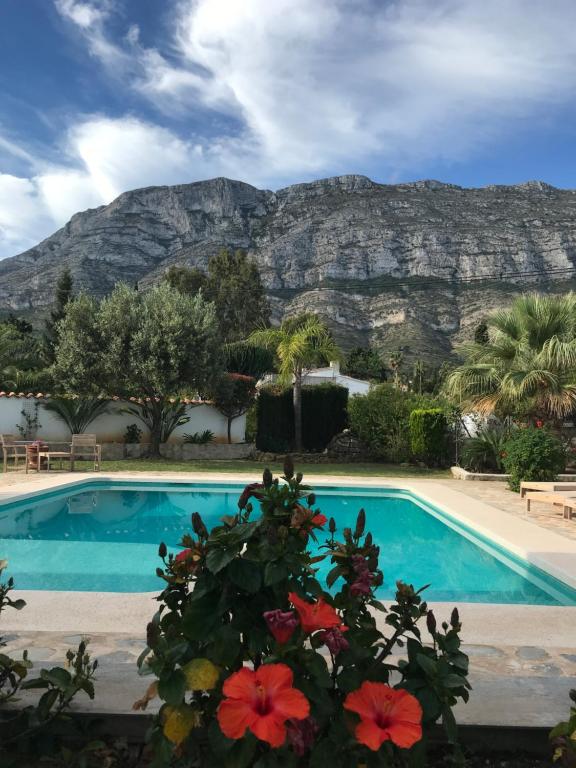
Casa Raíces del Montgo
At the foot of Montgó Natural Park, with a pool, garden, rooms overlooking the mountains and studios with kitchens. It’s a good base for alternating between hiking trails and the beach. The sea is 1,6 km away, street parking is free, and the maximum occupancy is three people.
When to go
The Valencian coast has mild winters, and from October to May there are fewer visitors and prices are more affordable. Beaches fill up in July and August: book ahead in Peñíscola, Denia or Calpe. Local festivals shape the calendar: from 1 to 19 March, the Fallas mascletà roars every day at 14:00 in Valencia’s Plaza del Ayuntamiento, and from 20 to 24 June Alicante celebrates its Hogueras.
In March 2027, Valencia will also host the European Athletics Indoor Championships, coinciding with the Fallas: expect weeks when few beds are available.
Getting there and getting around
Alicante-Elche Airport ended 2025 with 19,95 million passengers, a record, while Valencia Airport reached 11,8 million, also an all-time high. From Valencia Airport, the metro takes you into the centre. High-speed trains connect Madrid with Valencia and Alicante.
Between the cities, trains and the AP-7 motorway, toll-free since 2020, work well. On the Costa Blanca, the TRAM connects Alicante with El Campello and Benidorm, while line 9—which carried more than 1,4 million passengers in its first year after refurbishment—continues to Altea, Calpe and Denia. A car gives you more freedom to explore Jávea’s coves, the Montgó or inland villages.
This is our general guide to the Valencian Community. For more detail, see our guides to Valencia and Alicante, and these coastal destinations: Peñíscola, Benidorm, Altea, Calpe, Denia, Jávea and El Campello.
Frequently asked questions
Answers to common questions when planning a trip around the Valencian Community.
What’s the best area to stay in the Valencian Community?
It depends on your trip. For a city break, choose Valencia, with the old town of Ciutat Vella as a base for seeing almost everything on foot. To combine city and beach, choose Alicante, which also has the region’s busiest airport. If you’re here for the sea, Altea, Calpe and Denia have some of the Costa Blanca’s best coves, while Peñíscola offers a castle and a long beach on the Castellón coast.
Where should I stay in the Valencian Community on my first visit?
For a first visit, start in Valencia: two or three nights in Ciutat Vella or El Carmen are enough to see the cathedral, the Silk Exchange, the Central Market and the City of Arts and Sciences. Then head down to the Costa Blanca and choose a single base: Altea or Denia for a quieter stay, or Alicante if you’d prefer a city with a beach. There are direct trains between Valencia and Alicante.
Do I need a car to explore the Valencian Community?
Not for the cities: Valencia and Alicante are connected by train, and a car is more of a hindrance than a help in their centres. On the Costa Blanca, the TRAM runs to El Campello, Benidorm, Altea, Calpe and Denia. A car is useful for Jávea’s coves, inland Castellón or Calpe’s villas, where public transport is limited. If you hire one, look for accommodation with free parking.
When is the best time to visit the Valencian Community?
Spring and autumn are ideal: mild temperatures, water that’s still pleasant in October and room to spread out on the beaches. In March, the Fallas fill Valencia and push up prices; in June, the Hogueras do the same in Alicante. July and August are the busiest months on the coast. In January 2027, The Ocean Race and the Benidorm Fest will bring Alicante and Benidorm to life.
Which Valencian destinations can I combine on one trip?
The easiest combination is Valencia and Alicante, with a direct train between them and a coastal base in between or at the end. From Alicante, the TRAM runs through El Campello, Benidorm, Altea, Calpe and Denia, so you can visit several towns from a single base. Peñíscola is further north and works best on a trip coming from Catalonia. For a week, it’s sensible to stick to no more than two bases.