Español
 English
 Français
 Deutsch
 Italiano
 Nederlands
 Português
 日本語
 中文
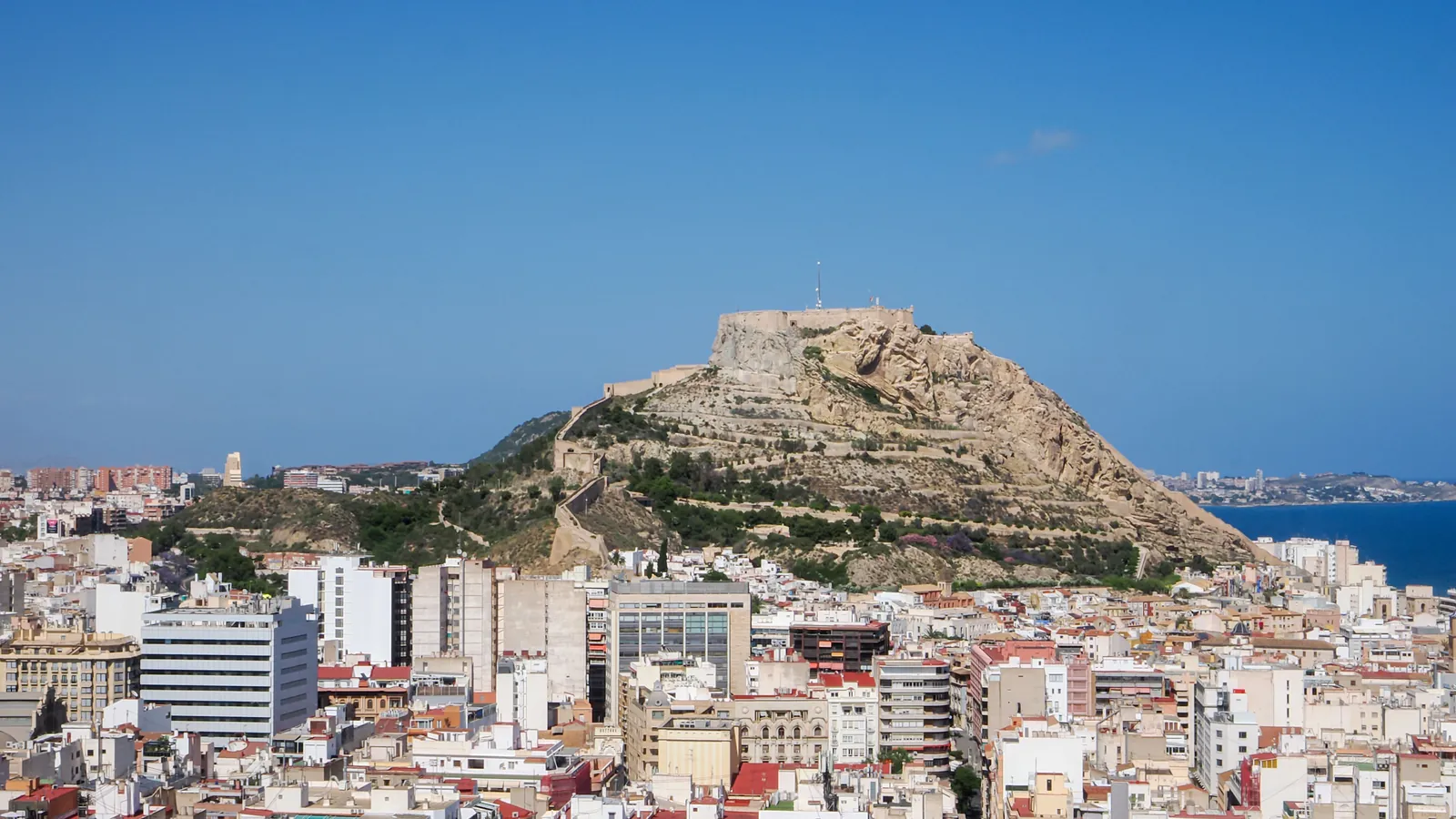
Alicante is a city that looks out to sea. Santa Bárbara Castle crowns Mount Benacantil, with the old town spreading out below and, beyond it, the harbour, the Explanada and Postiguet, an urban beach you can reach on foot from anywhere in the centre.
With everything so close by, choosing where to stay in Alicante is straightforward: almost everything you'll want to see is within a twenty-minute walk. This guide explains how the city is laid out and recommends places to stay that we hand-pick one by one, from a characterful hostel to an apartment for families.
How to choose an area
The city is made up of four distinct areas, each with its own pace:
- Centre, Explanada and harbour: the walkable commercial heart of the city, with the Central Market, Rambla de Méndez Núñez and the pier for boats to Tabarca. The most well-rounded choice for a first visit.
- Old town and Santa Cruz neighbourhood: narrow streets, the Co-Cathedral of St Nicholas and the Basilica of St Mary at the foot of the castle. This is the area for tapas and nightlife, so it's worth asking for an interior-facing room.
- Station and Benalúa: residential neighbourhoods next to the railway station, convenient if you're arriving or departing by train and somewhat quieter at night.
- Albufereta and San Juan Beach: to the north, with wide sandy beaches and a holiday atmosphere. The tram gets you back to the centre in no time.
Vehicle access to the old town is restricted and controlled by cameras, a limit the city has enforced for years and retained in its low-emission zone. If you're travelling by car, choose accommodation with reserved parking or leave your car in a public car park in the centre before entering.
Where to stay in Alicante: our picks
Eight of these nine places are in the centre or next to the station, and one is in Albufereta; none has its own free parking, so bear this in mind if you're arriving by car. For more options, see our page on places to stay in Alicante.
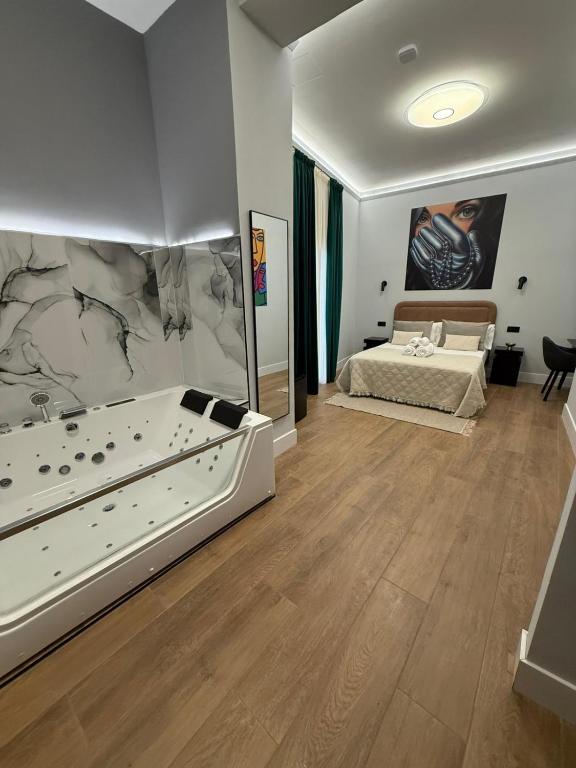
Ventura Luxury
A hostel designed for couples, 200 metres from Postiguet Beach and the museums in the old town. The soundproofed rooms are a welcome feature in the heart of the city, and several have a whirlpool bath. Rooms accommodate a maximum of two guests, and not all have a balcony.
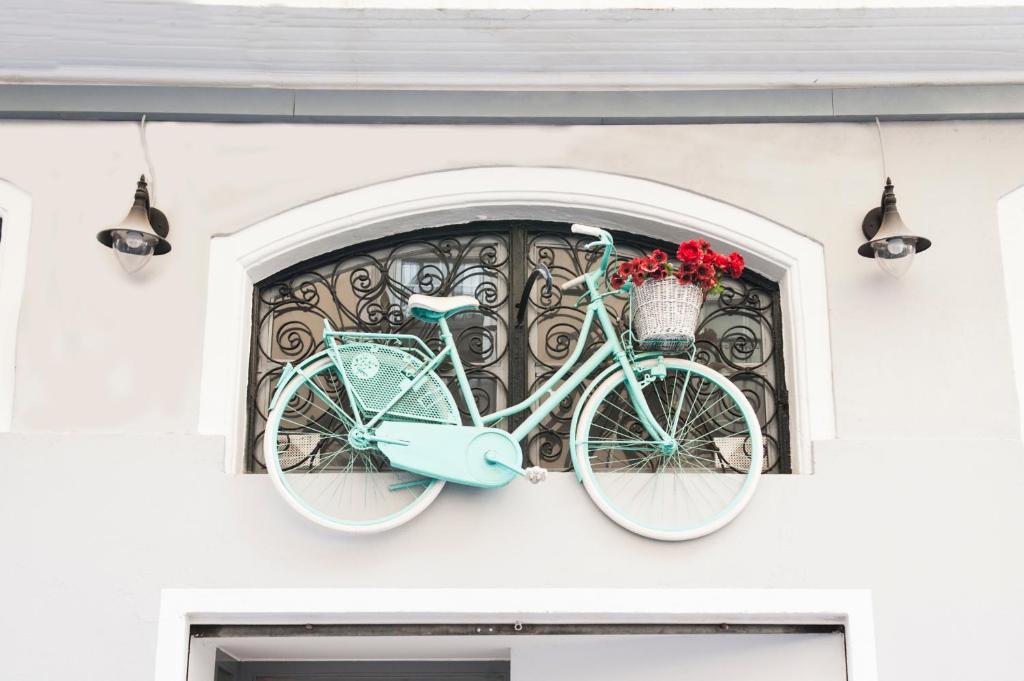
Hotel Smile & Co Hostal Boutique
A short walk from the Explanada and less than 200 metres from the Tabarca ferry pier, ideal if you want to get around without a car. There are rooms with balconies, family rooms and triple rooms, and breakfast can be brought to your room, although it costs extra. Nearby parking is paid, and cats are not allowed.
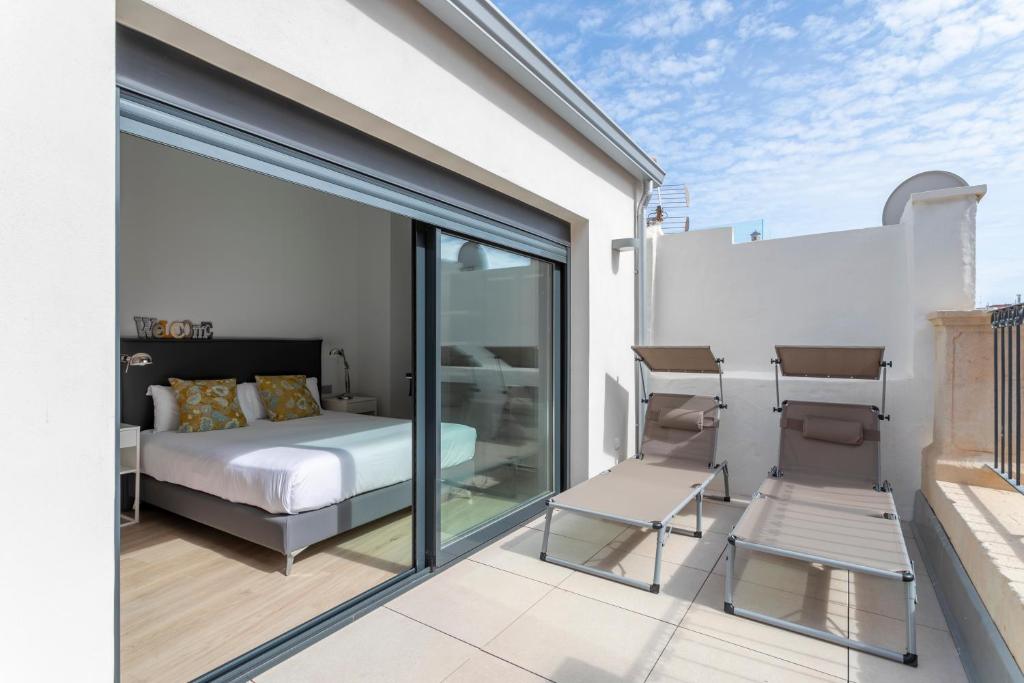
Arenal Suites Alicante
Apartments with fully equipped kitchens and balconies in the heart of the city, between the Co-Cathedral, the Central Market and Postiguet Beach. The two-bedroom, two-bathroom penthouse sleeps six, making it a good choice for a family trip. If you're arriving at night, let them know: late check-ins incur an extra charge.
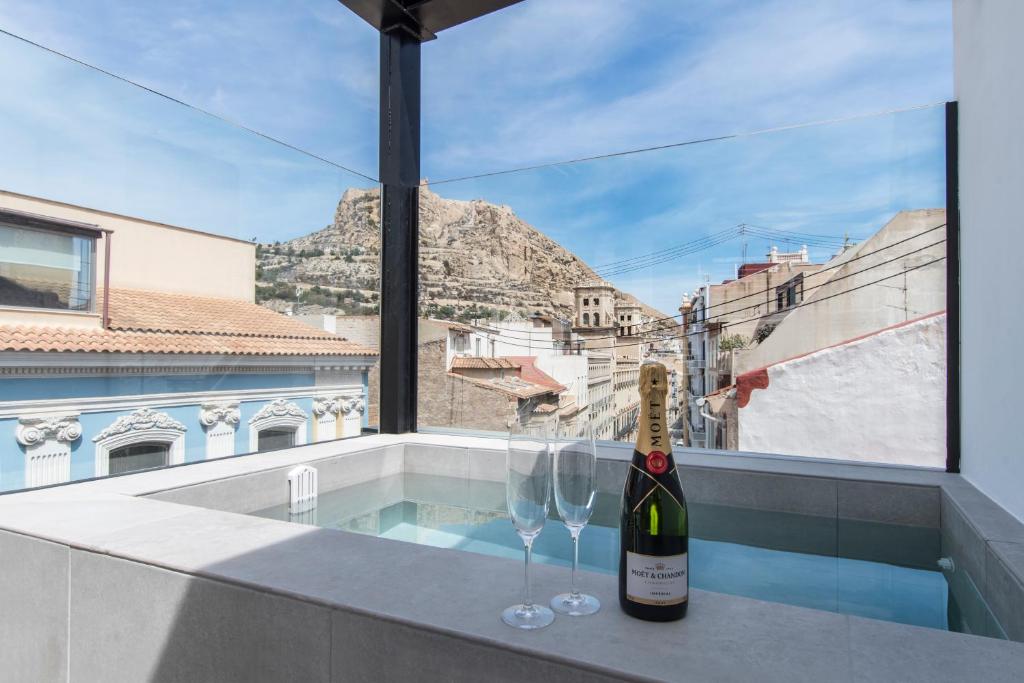
RS Boutique Apartments
Apartments sleeping up to five, with a washing machine and dishwasher, a few minutes' walk from Postiguet Beach. Some have a terrace, a private pool and sea views—a rare luxury in the city centre. Parties and hen or stag parties are not allowed, and pets may incur an extra charge.
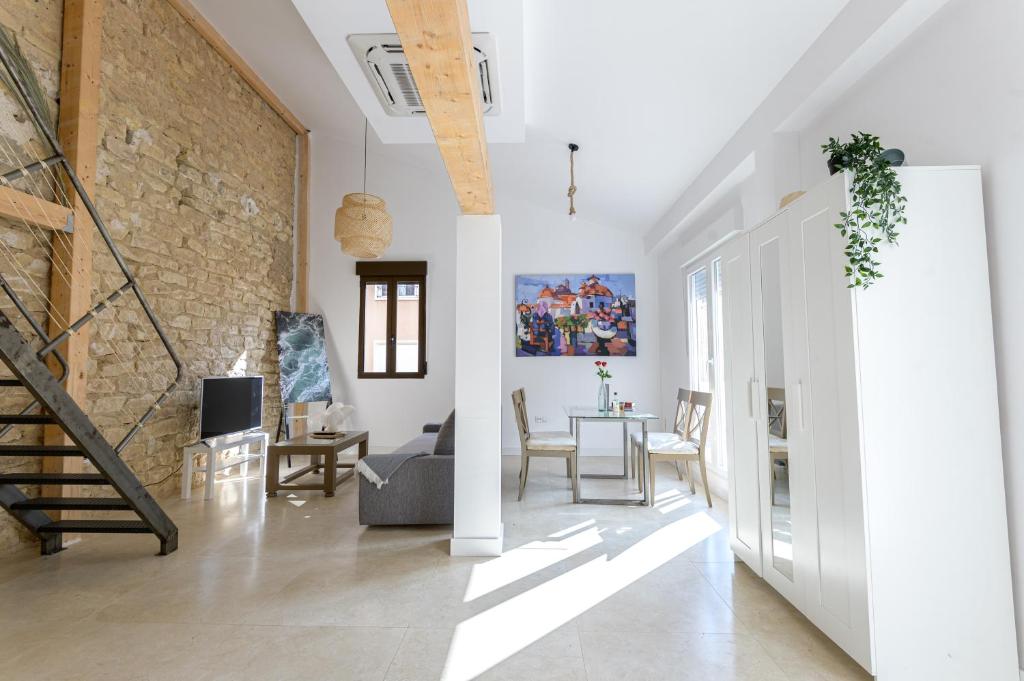
Soho Boho Apartments - with sunny rooftop terrace and fiber optic internet
A good choice for remote workers: the fibre connection handles video calls on several devices, and the rooftop sun terrace is a welcome place to unwind at the end of the day. It's a few steps from the MARQ and a short walk from the castle. The beach is ten minutes away on foot, and you need to let them know your arrival time in advance.

COLLECTION PORT - B&B Boutique , Alicante Center
A bed and breakfast with a continental breakfast and rental bikes for exploring the seafront at your own pace. The rooms sleep two, have private bathrooms and offer views, and the railway station is a short walk away. Nights are generally quiet: quiet hours start at 21:00.
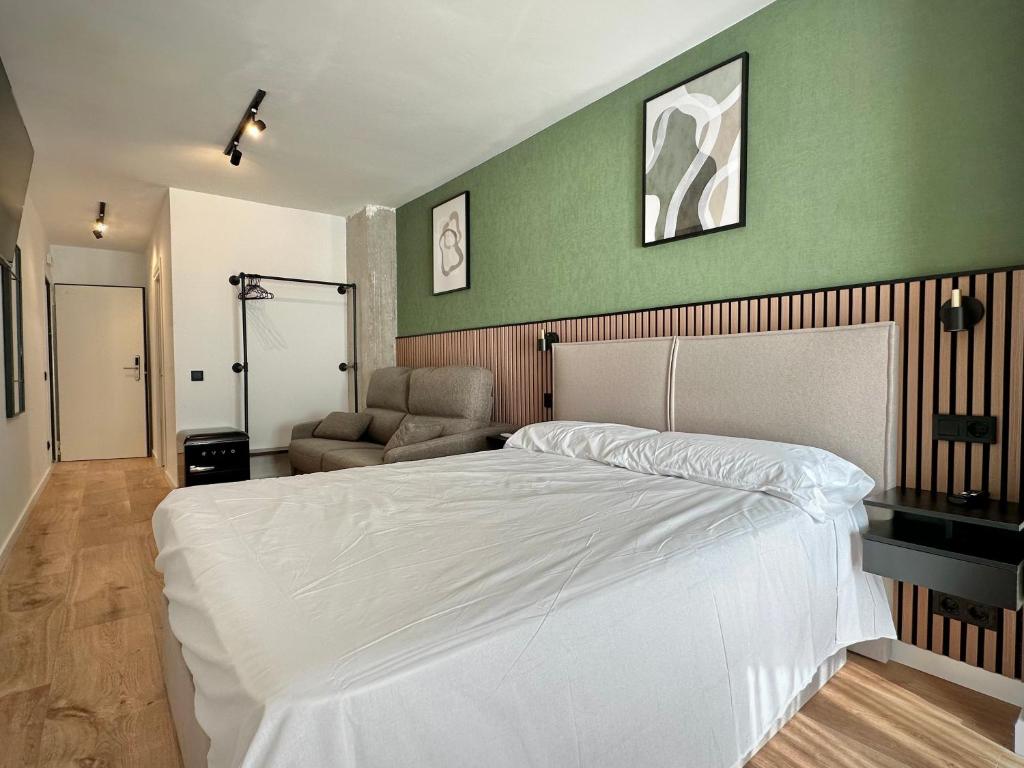
Akasa Rooms Estación
Practically right outside the railway station—perfect for a stopover or for anyone taking several train trips. The Deluxe rooms overlook the city, and one can sleep up to four with an extra bed. Breakfast is not included, and nearby public parking cannot be reserved.
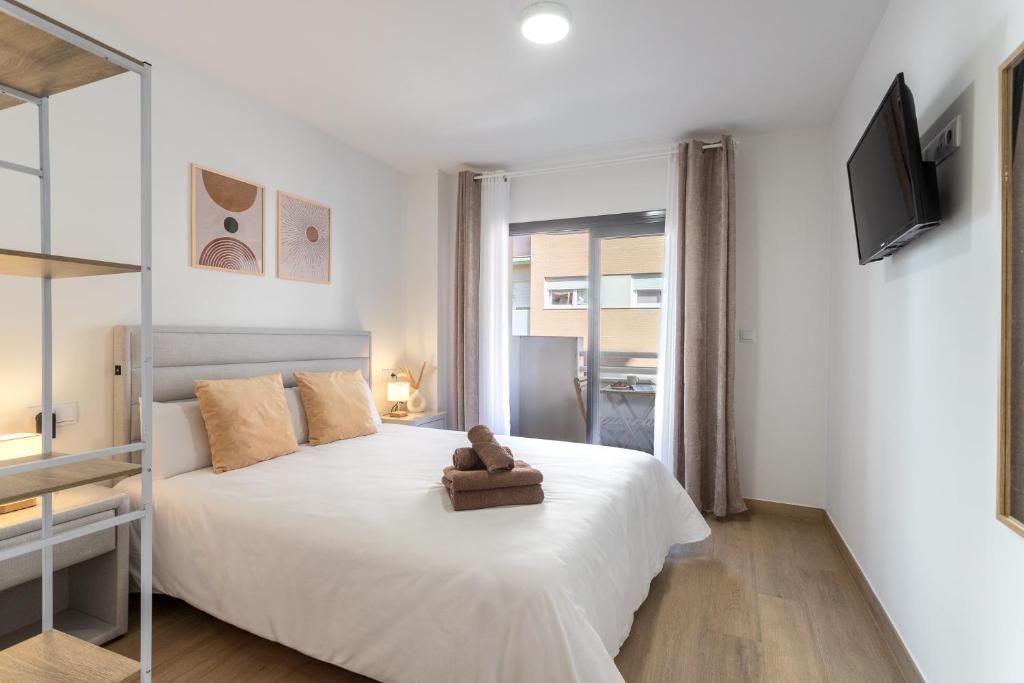
Jome Stays Alicante centro
Apartments with kitchens near the Central Market, a good base if you like shopping at the market and cooking. Luceros, where the tram to the northern beaches starts, is five minutes away. The beach is just over a kilometre away, and nearby parking is public and paid.
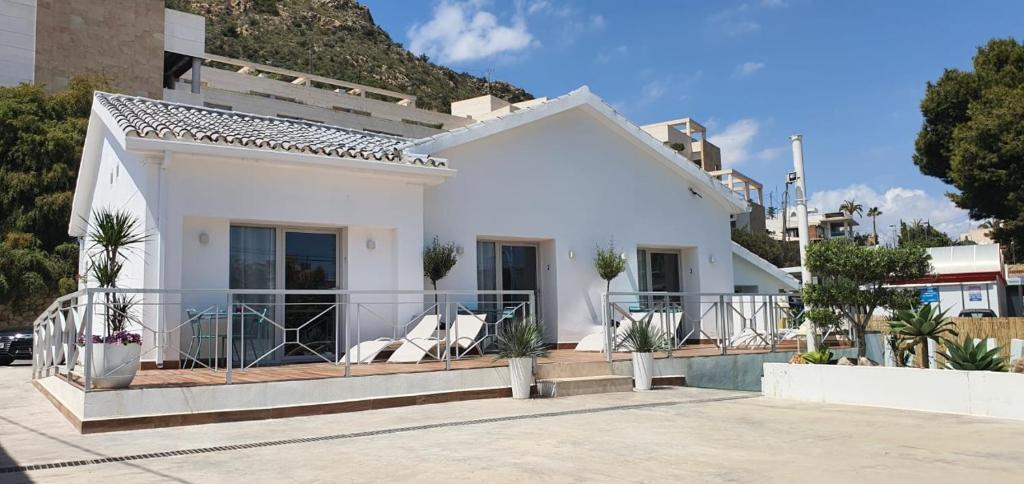
Sandra Rooms
Away from the bustle of the centre and a four-minute walk from Albufereta Beach, with a garden, terrace and beach chairs to take down to the sand. The rooms have private bathrooms and air conditioning, and accommodate a maximum of three people. Garage spaces are limited and must be reserved.
What to see in Alicante
Start at the top: Santa Bárbara Castle overlooks the bay from Mount Benacantil. Take the lift from Avenida de Juan Bautista Lafora, opposite Postiguet Beach. On the way down, the Santa Cruz neighbourhood reveals whitewashed steps and flowerpots, while the old town is home to the Co-Cathedral of St Nicholas, the Basilica of St Mary and the MACA, the contemporary art museum.
The MARQ, the provincial archaeological museum, is worth a whole morning, while the Explanada, with its wavy mosaic pavement and palm trees, is the place for an evening stroll. At the harbour, the The Ocean Race Museum tells the story of the round-the-world sailing race, which has set off from Alicante in five editions.
Boats to Tabarca Island, Spain's smallest inhabited island and home to the country's first marine reserve, depart from the harbour. Around sixty people live there year-round, but between 3,000 and 5,000 visitors arrive each day in July and August. If you can, visit at another time of year or catch the first boat.
Day trips from Alicante
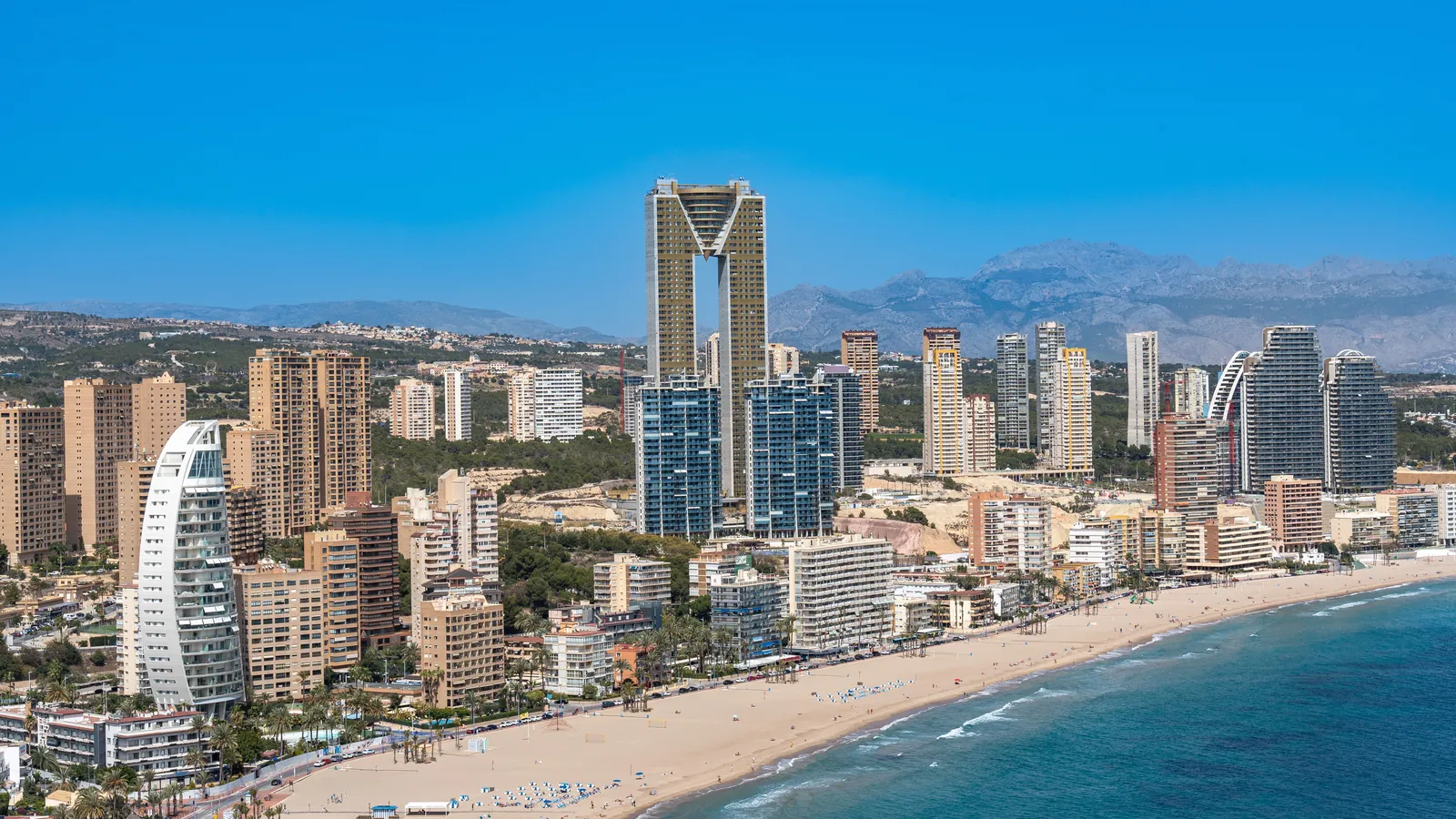
The tram heads north to El Campello and, further on, Benidorm. To the south, Elche and its Palmeral, a World Heritage Site, and the beaches of Santa Pola are a half-hour drive away.
When to visit Alicante
Winters are mild, and spring and autumn are good times to combine the beach with sightseeing, without August's heat or crowds. The main celebration is the Hogueras de San Juan, from 20 to 24 June: monuments are set up across the city, daily mascletàs take place in Luceros and everything goes up in flames on Midsummer's Eve. The first celebrations were held in 1928, so the festival turns 100 in 2028 and the city is already preparing its centenary.
From 8 to 18 January 2027, the Ocean Live Park will be set up next to the Explanada to send off The Ocean Race fleet, which leaves Alicante on 17 January for Auckland on the longest opening leg in the race's history. It's best to book ahead for these dates and during the Hogueras.
Getting there and getting around
Alicante-Elche Miguel Hernández Airport is southwest of the city, and the C-6 bus connects it with the centre 24 hours a day, running every 30 minutes at night. Alicante railway station has direct high-speed train connections to Madrid.
Once you're here, the centre is easy to explore on foot. The TRAM d'Alacant runs from Luceros and Mercado towards Albufereta, San Juan Beach, El Campello and Benidorm. A car is only useful for trips inland.
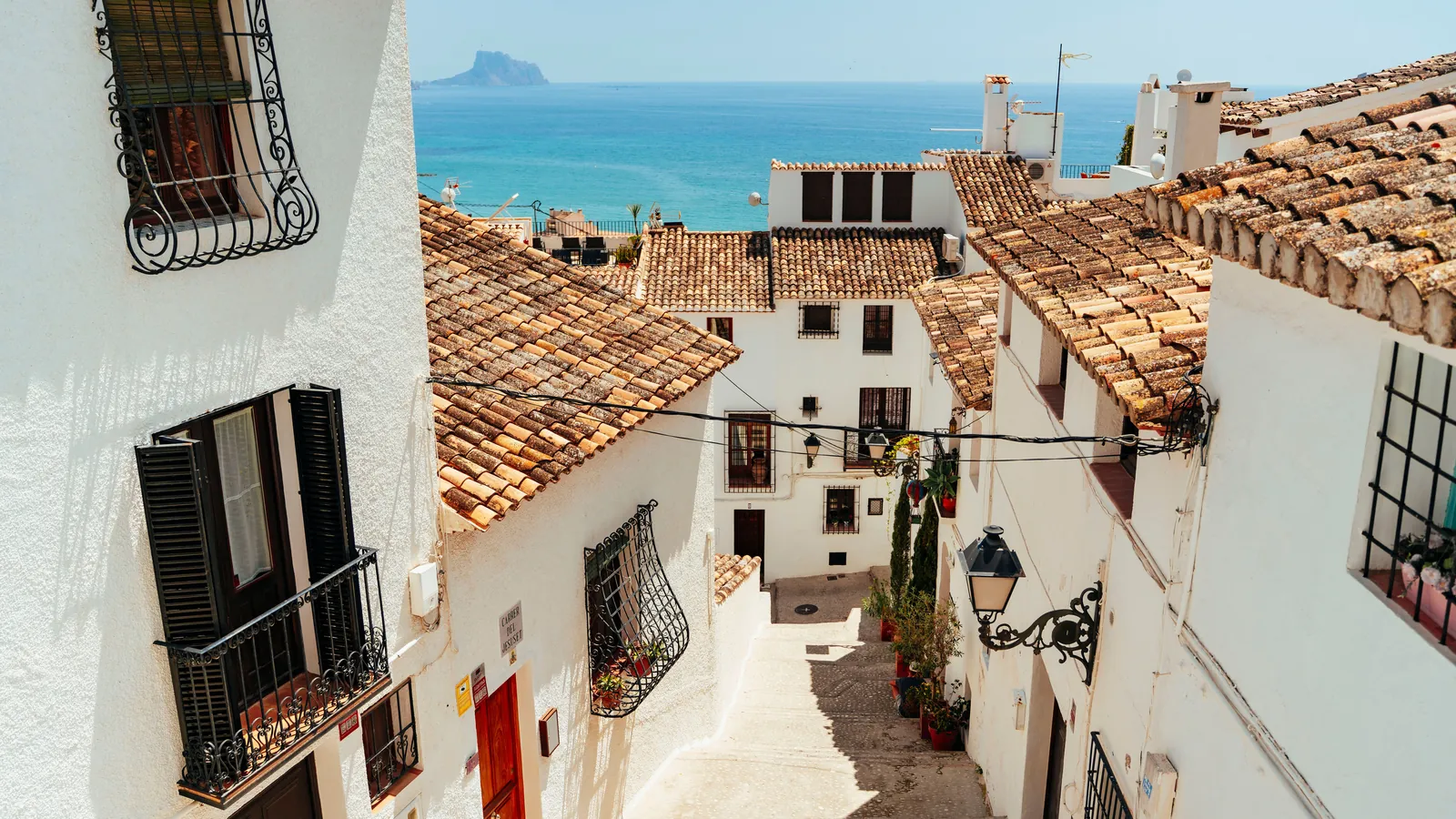
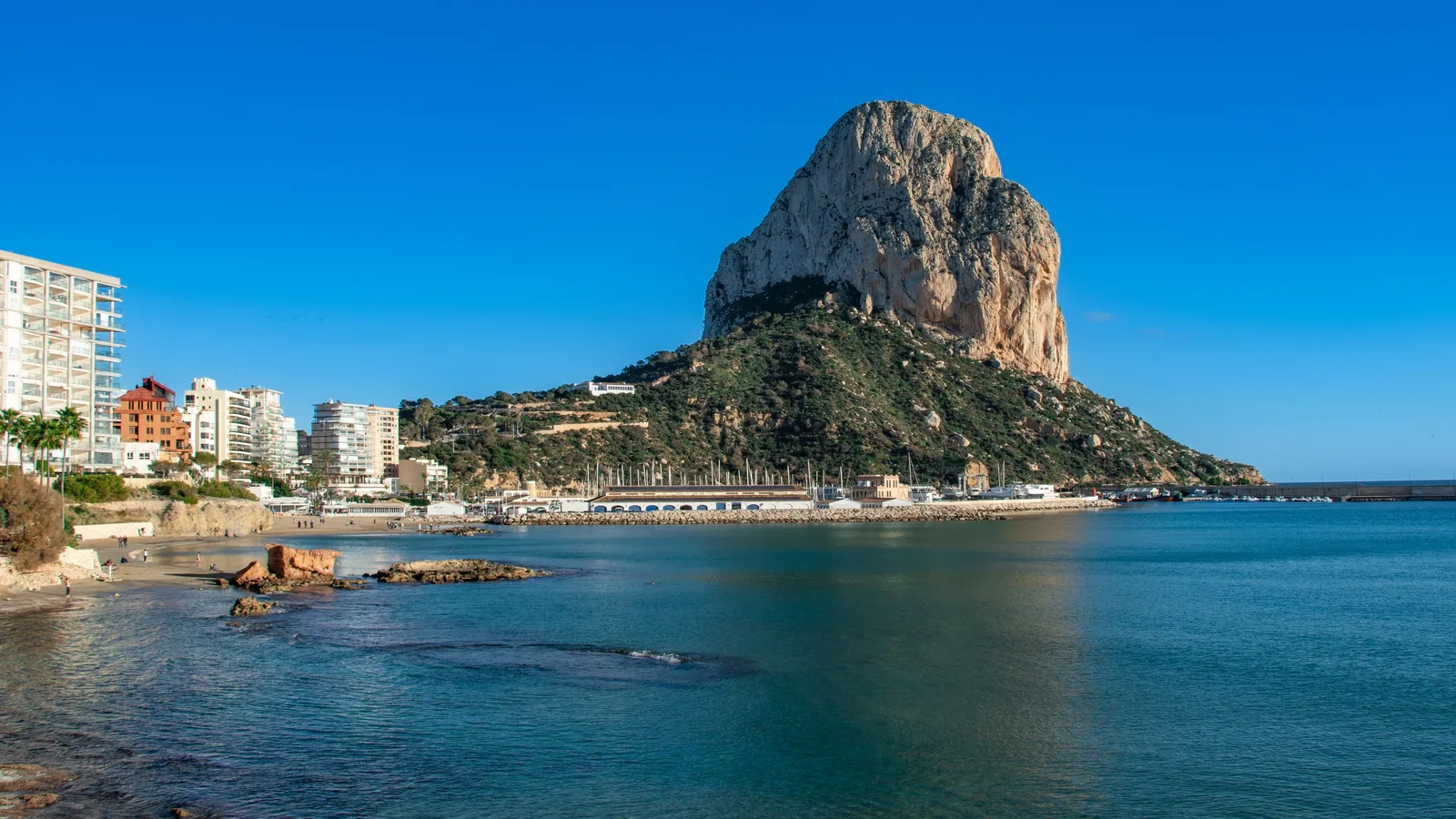
Alicante is one of the stops featured in our guide to where to stay in the Valencian Community. If you're following the coast north, also see where to stay in El Campello, where to stay in Benidorm and where to stay in Altea.
Frequently asked questions
Answers to the questions we hear most often from people planning a trip to Alicante.
What is the best area to stay in Alicante?
For a first visit, stay in the centre, between the Explanada, the Central Market and the old town. From there, you can walk to the castle, harbour, museums and Postiguet Beach, and the tram and airport bus are close at hand. If you prefer quieter nights, the area around the station and Benalúa is more residential. If you're looking for beach days, Albufereta and San Juan Beach have wider stretches of sand and are a tram ride from the centre.
How do you get from the airport to Alicante city centre?
The easiest option is the C-6 bus, which connects Alicante-Elche Miguel Hernández Airport with the city centre and runs 24 hours a day; at night, it runs every 30 minutes. Taxis are also available at the terminal. If you're staying in the centre, the bus drops you within a short distance of almost all the places in this guide. For Albufereta or San Juan Beach, it's practical to continue by tram from Luceros or Mercado.
Can you drive into Alicante's old town?
It's not a good idea. Vehicle access to the old town is restricted and controlled by cameras, and the city's low-emission zone has retained this restriction. None of the places in this guide has its own free parking: some offer a garage that you can reserve, while others direct guests to paid public car parks. The easiest option is to leave your car in a car park in the centre and get around on foot, by tram or by bus during your stay.
When are the Hogueras de San Juan in Alicante?
The Hogueras are held every year from 20 to 24 June. The monuments are erected in the streets at the start of the festival, mascletàs take place in Luceros square during the celebrations, and all the bonfires are burned on Midsummer's Eve. It's the liveliest and busiest week of the year, so it's worth booking well in advance. The first Hogueras date back to 1928, and the city is already preparing to celebrate the centenary in 2028.
Is Tabarca Island worth visiting?
Yes, especially if you love the sea. Tabarca is Spain's smallest inhabited island, with a walled village and waters protected by the country's first marine reserve. Regular boats leave from Alicante harbour. Bear in mind that the island receives between 3,000 and 5,000 visitors a day in July and August, despite having only around sixty permanent residents, so it's much more enjoyable in spring or autumn, or if you take the first boat of the morning.