Español
 English
 Français
 Deutsch
 Italiano
 Nederlands
 Português
 日本語
 中文
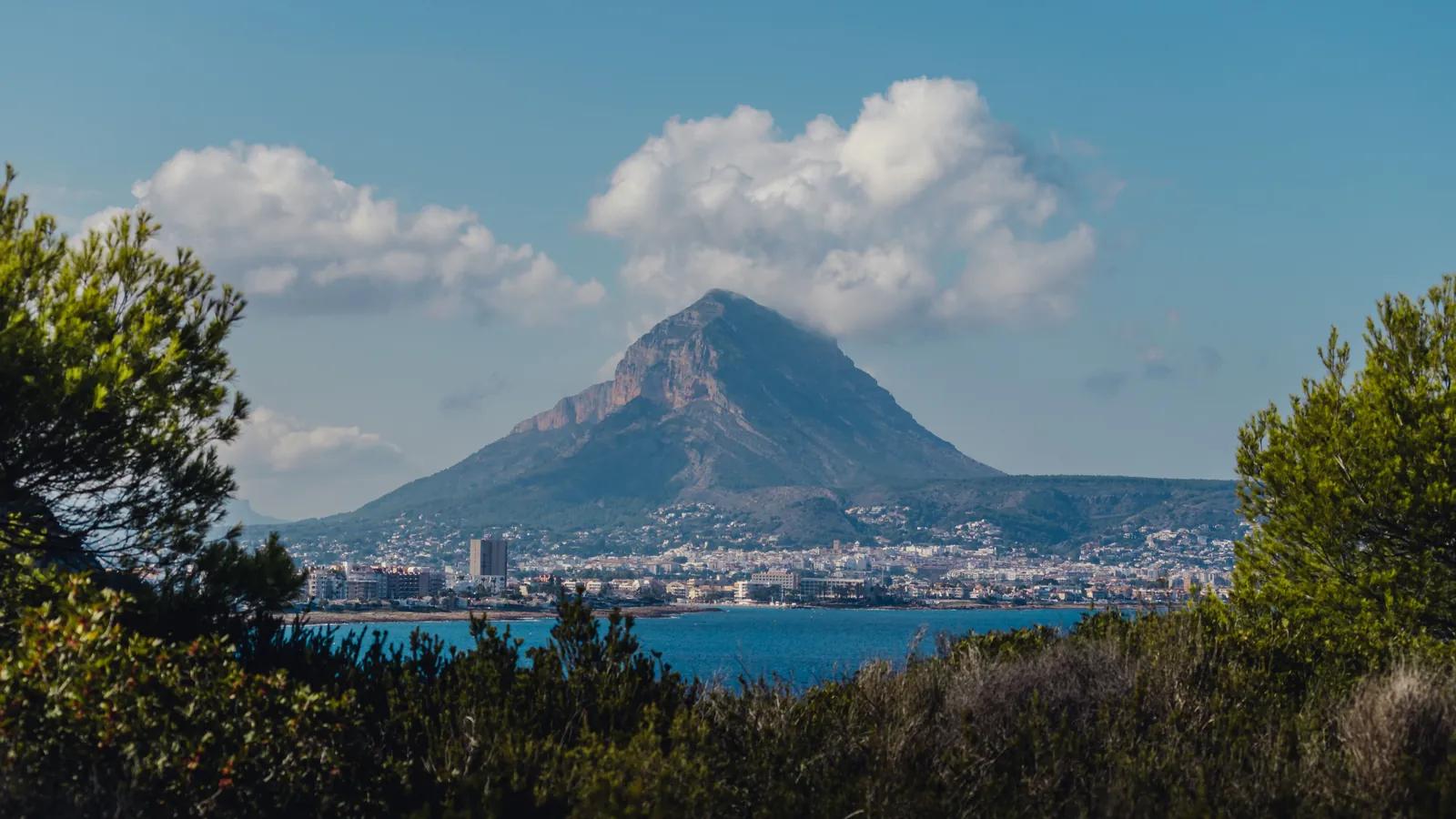
Jávea, Xàbia in Valencian, is a municipality in the Marina Alta, in the north of Alicante province, nestled between the Montgó massif to the north and Cap de la Nau to the south. Between them lies a bay with sandy beaches, pebble beaches and coves with exceptionally clear water.
What often confuses visitors when they arrive is that Jávea doesn’t have just one centre, but three areas a few kilometres apart. Here we explain what each one has to offer and which places to stay we’ve handpicked one by one; you’ll find the full selection on our page of places to stay in Jávea.
How to choose an area
In August, travelling between areas means traffic and searching for parking, so choosing the right base matters:
- The old town (el Poble): streets paved with rough-hewn stone around the fortified church of Sant Bartomeu and the market. Local life all year round, but the beach is a few minutes away by car or bus.
- Duanes de la Mar (the port): the fishing quarter, with its fish market, promenade and La Grava beach. A good balance of seaside and amenities.
- L'Arenal: the main fine-sand beach, with a promenade, bars and terraces. The liveliest area in summer and the most convenient with young children.
- Montgó, Cap de Sant Antoni and Cap de la Nau: residential areas of villas among the pine trees, with views and peace and quiet. A car is essential here.
For a short break without a car, the old town or the port are the most practical bases. If you’re looking for a pool, garden and a chance to unwind, a place to stay on the outskirts makes the journeys worthwhile.
Where to stay in Jávea: places we’ve handpicked
Our selection favours character over large beach hotels: a bed & breakfast with a garden, boutique hotels and a villa for groups. Three are adults-only; if you’re travelling with children, check each listing.
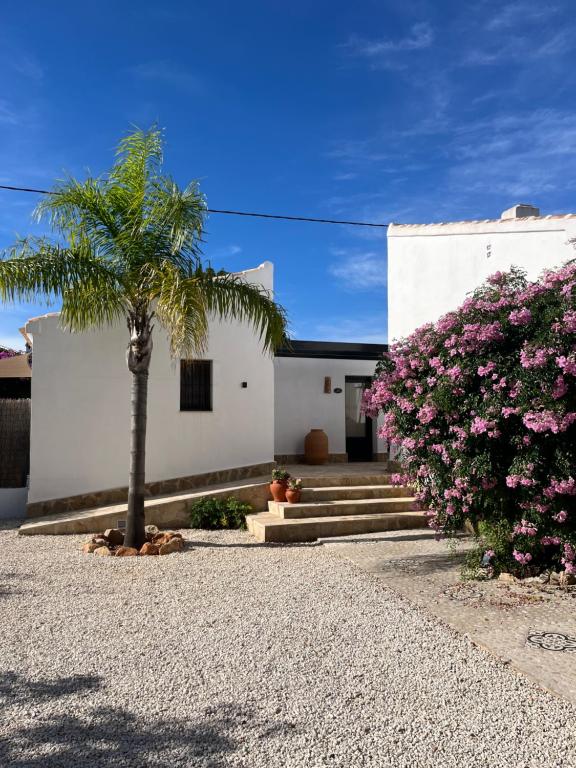
Finca Bona Nit
An adults-only country house where the plan is to alternate between the pool and garden, then have dinner on your terrace, as every room has a kitchenette. Private parking is free and doesn’t need to be reserved. Note: the rooms sleep two and have twin beds, not double beds.
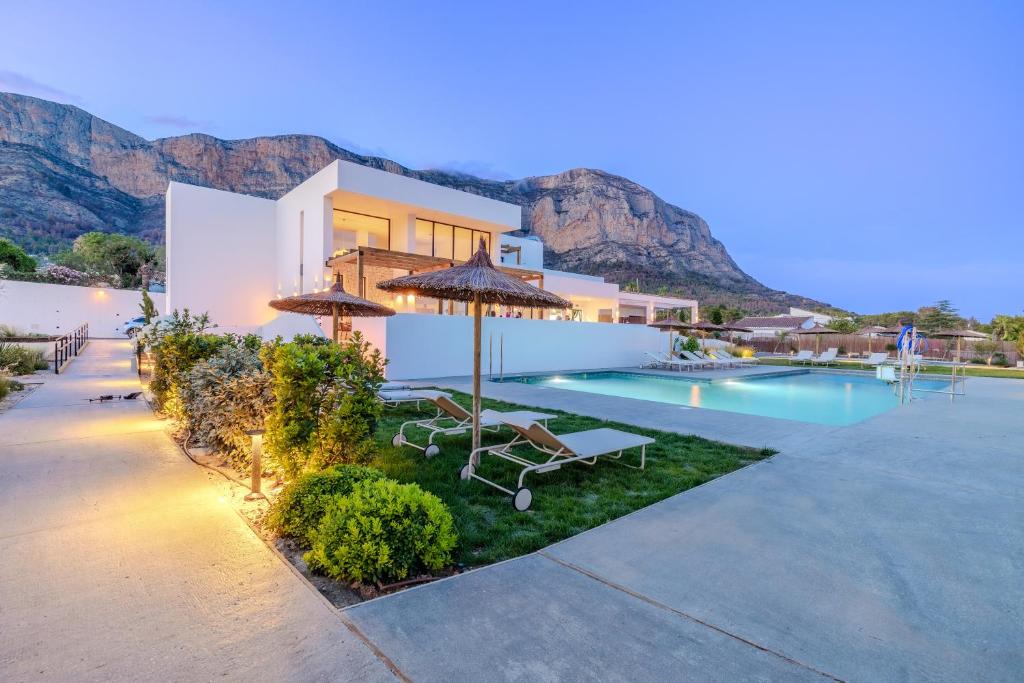
Hotel Boutique Mi AlmaZara
A four-star adults-only hotel at the foot of Montgó, for couples looking for peace and quiet, a restaurant and a seasonal pool. The suites have terraces overlooking the mountains or pool, and bikes are available to hire at the hotel. It isn’t by the sea, so you’ll need a car to get to the beach.
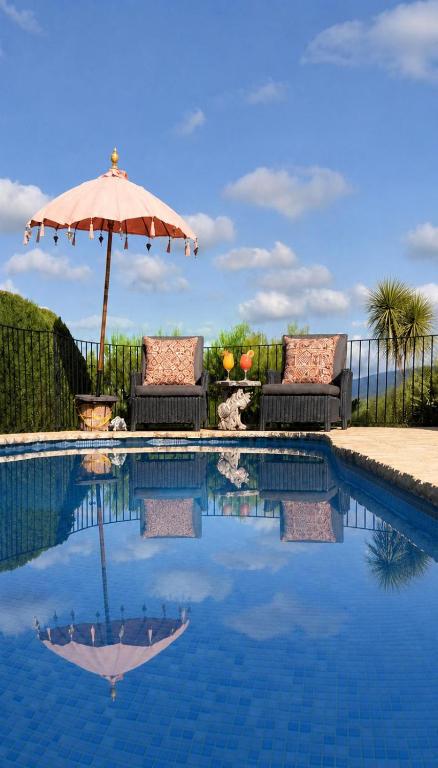
Little Bali Jávea
Garden, pool, terrace and barbecue at an adults-only place to stay, with rooms for two or three people that include a kitchen. It’s designed for longer stays: the minimum is four nights. Check-in is between 16:00 and 18:00.
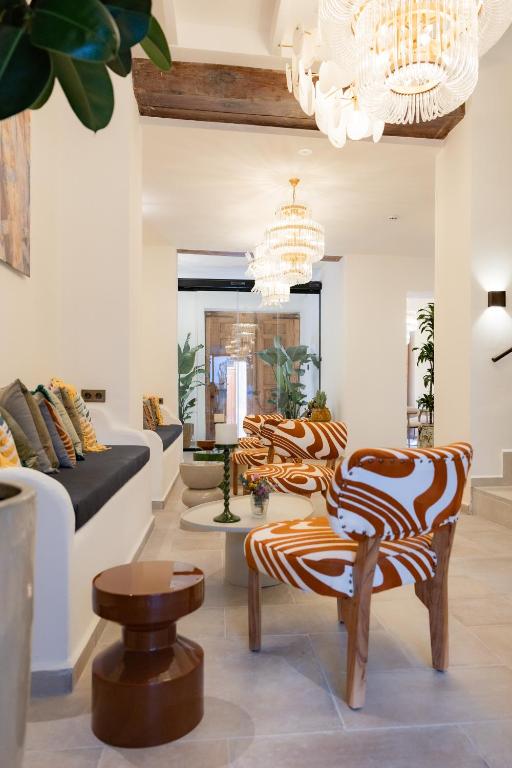
Sant Blai Boutique Hotel - Javea
The choice for experiencing the old town: it’s about 300 m from the centre, with air-conditioned rooms, some with balconies overlooking the street or courtyard. There’s no private parking, the upper floors are reached by stairs and check-in ends at 20:00.
Dionis Boutique Hotel & Spa
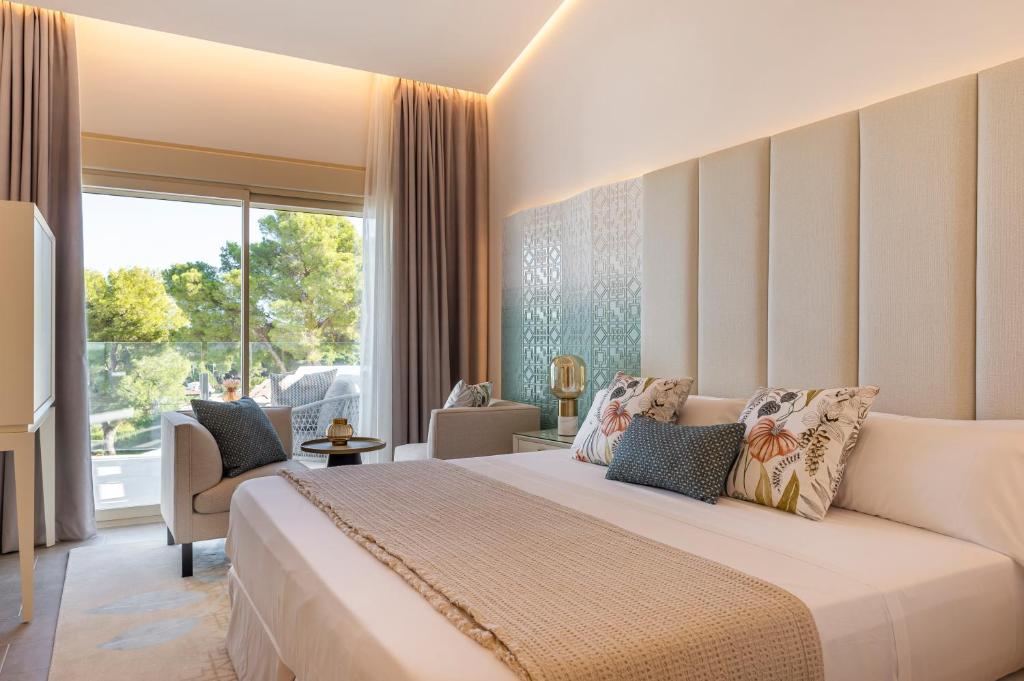
For anyone looking for a fully equipped hotel: an outdoor pool, spa with sauna and massages, gym and Mediterranean restaurant. Many rooms have terraces with sea views. Muntanyar beach is just under 2 km away, and the free parking must be reserved in advance.
CasaNoa Boutique Guest Suites
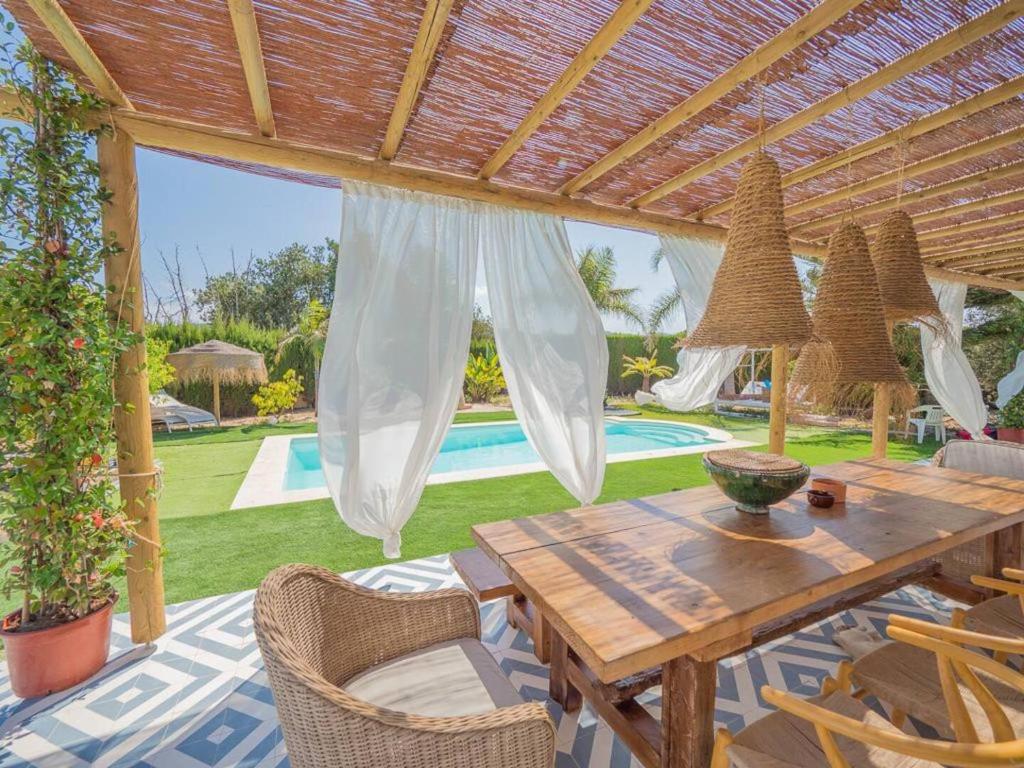
Suites with kitchens and a terrace or patio, plus a 260 m² villa for up to 16 people, ideal for a large group looking for a pool. There’s free private parking, and Muntanyar beach is just over a kilometre away. Parties aren’t allowed, and quiet hours start at 23:00.
What to see in Jávea
The old town is worth a morning: the church of Sant Bartomeu, a fortified Gothic church, the market and the houses built from rough-hewn stone. The windmills line the plateau of La Plana, on the way to Cap de la Nau, with its lighthouse and viewpoints over the Mediterranean.
To the south are Granadella cove, with pebbles and crystal-clear water, and Portitxol, opposite its islet; to the north, Cap de Sant Antoni and its marine reserve. Ambolo cove, meanwhile, remains closed to the public because of the risk of rockfalls.
For walks, Montgó Natural Park has trails to the summit and to Cova Tallada, a cave by the sea on the border with Dénia. If you have a few more days, Dénia and Moraira are just a short distance away: see our places to stay in Dénia and in Moraira.
When to visit Jávea
May, June and September are the best months: the water is already pleasant and there’s room to enjoy the coves. Winters are mild and the town stays lively, although some beach businesses close.
The Fogueres de Sant Joan fill June with street parades and concerts, culminating on the night of the 24th with the burning of the bonfire and fireworks by the sea. In late August and early September, Duanes de la Mar celebrates the Loreto festivities, with bous a la mar bull-running events in the port; it’s best to book early for those dates.
How to get there and get around
Jávea is about 100 km from Alicante Airport and a little farther from Valencia Airport, just over an hour’s drive via the AP-7, which is now toll-free. There are scheduled buses from Alicante and Valencia, but services are infrequent, and the nearby port of Dénia has ferries to the Balearic Islands.
Once you’re here, a car is the most practical option, especially if you’re staying in a villa. In summer, access to Granadella and Portitxol is controlled by a barrier and parking beside the coves is paid, so it’s best to go early.
Jávea is one of the stops in our guide to where to stay in the Valencian Community. If you’re travelling along the coast, also see where to stay in Denia, where to stay in Calpe and where to stay in Altea.
Frequently asked questions
Answers to the questions we’re most often asked by people planning a stay in Jávea.
What’s the best area to stay in Jávea?
It depends on your trip. The old town is the best base for walking between restaurants, the market and the church, with local life all year round. The port of Duanes de la Mar combines amenities with La Grava beach. L'Arenal is the fine-sand beach area, the liveliest in summer and convenient with children. The villas on Montgó and around the headlands offer peace and a pool, but you’ll need a car.
Can you visit Jávea without a car?
Yes, if you choose your base carefully: from the old town or the port, you can get almost everywhere on foot, and the local bus connects the main areas. The southern coves, such as Granadella and Portitxol, and the residential areas on Montgó are harder to reach. What’s more, in summer, car access to those two coves is controlled by a barrier and parking is paid, so it’s best to get there early.
Which beaches in Jávea have Blue Flags?
Three beaches were awarded Blue Flags in 2026: l'Arenal, which regained the award that year, Granadella cove and La Grava beach beside the port. L'Arenal is the fine-sand option with shallow water, Granadella is a pebble cove with crystal-clear water, and the pebble beach of La Grava is just a short walk from Duanes de la Mar.
How do you get to Jávea?
The nearest airports are Alicante, about 100 km away, and Valencia, a little farther; from both, it takes just over an hour to drive via the AP-7, which is now toll-free. There are scheduled buses from both cities, although services are infrequent, so hiring a car is usually the most convenient option. Ferries from the Balearic Islands arrive at the nearby port of Dénia.
When’s the best time to visit Jávea?
May, June and September bring good weather and quieter coves than in August. June also brings the Fogueres de Sant Joan, which culminate on the night of the 24th with the bonfire and fireworks by the sea. In late August and early September, the Loreto festivities bring the port to life. Winter is mild and peaceful, perfect for walking on Montgó.