Español
 English
 Français
 Deutsch
 Italiano
 Nederlands
 Português
 日本語
 中文
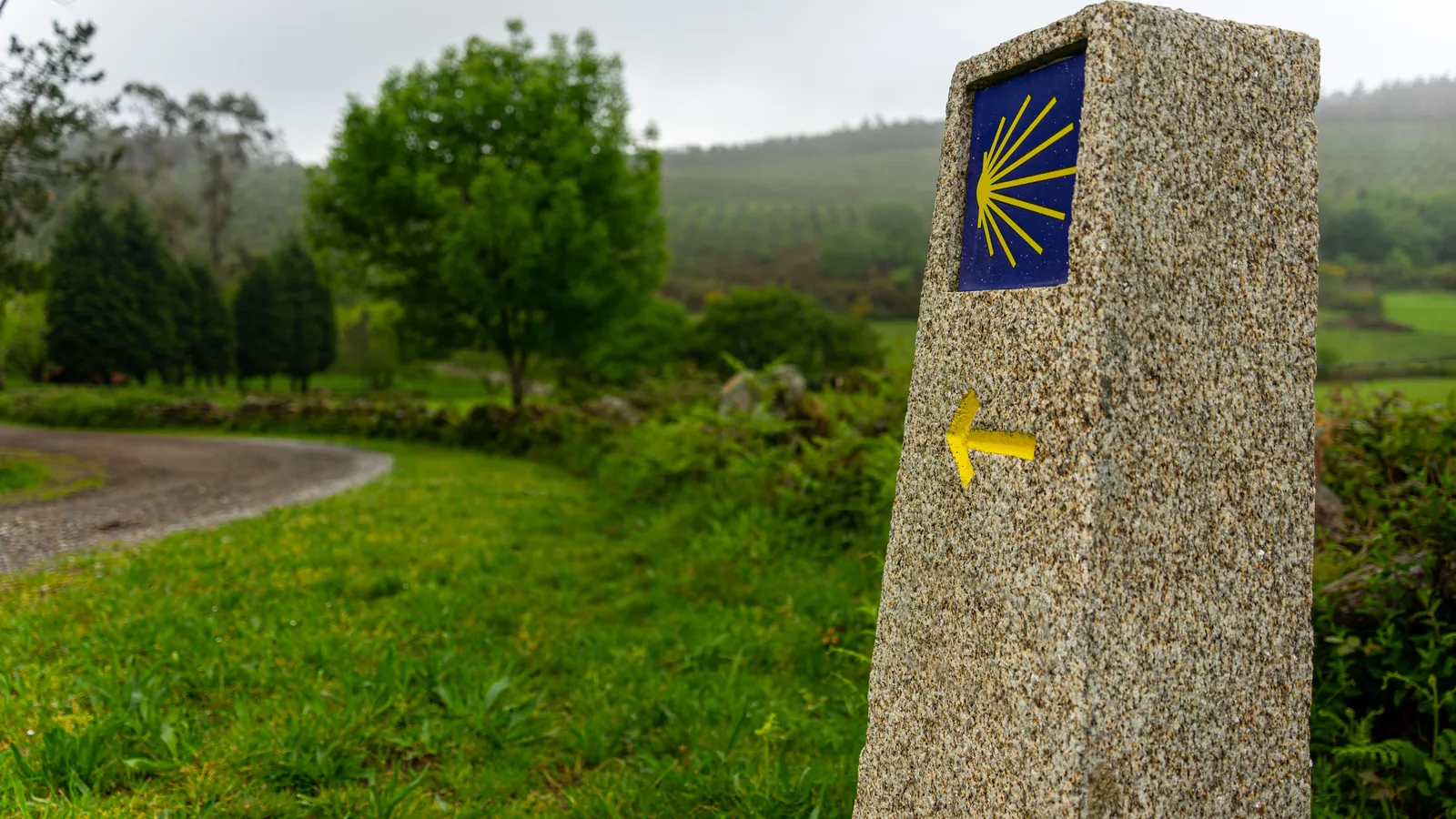
Sarria is a town in the south of the province of Lugo and, for many pilgrims, the starting point of their Camino. It lies just over 110 km from Santiago, enough to walk the 100 km required for the Compostela. That makes it the busiest starting point on the French Way: in 2025, almost a third of the more than 500,000 people who received the certificate set off from here.
From May to October, beds fill up quickly on the night before setting off. Here, we explain which part of town is right for you and which accommodation we’ve hand-picked; you can find the full selection on our accommodation in Sarria page.
How to choose an area
Sarria is small, but there’s a clear difference in elevation between the more modern lower town and the old town on the hill:
- The old town: Rúa Maior climbs past churches, hostels and the Fortress. This is the Camino route, so you can set off the next day without a detour.
- The lower town and river: shops, cafés, the Malecón riverside walk and the bus station. There’s more going on in the afternoon, and it’s easier to reach with a backpack.
- Around the train station: less than a kilometre from the Fortress, and convenient if you’re travelling by train.
If you arrive by car, check the parking arrangements: several of our guesthouses don’t have parking, and driving through the streets of the old town isn’t easy.
Where to stay in Sarria: our accommodation picks
Family-run guesthouses geared towards pilgrims are the mainstay of accommodation in Sarria, and our selection reflects that. None include breakfast in the price, and only one has free private parking.
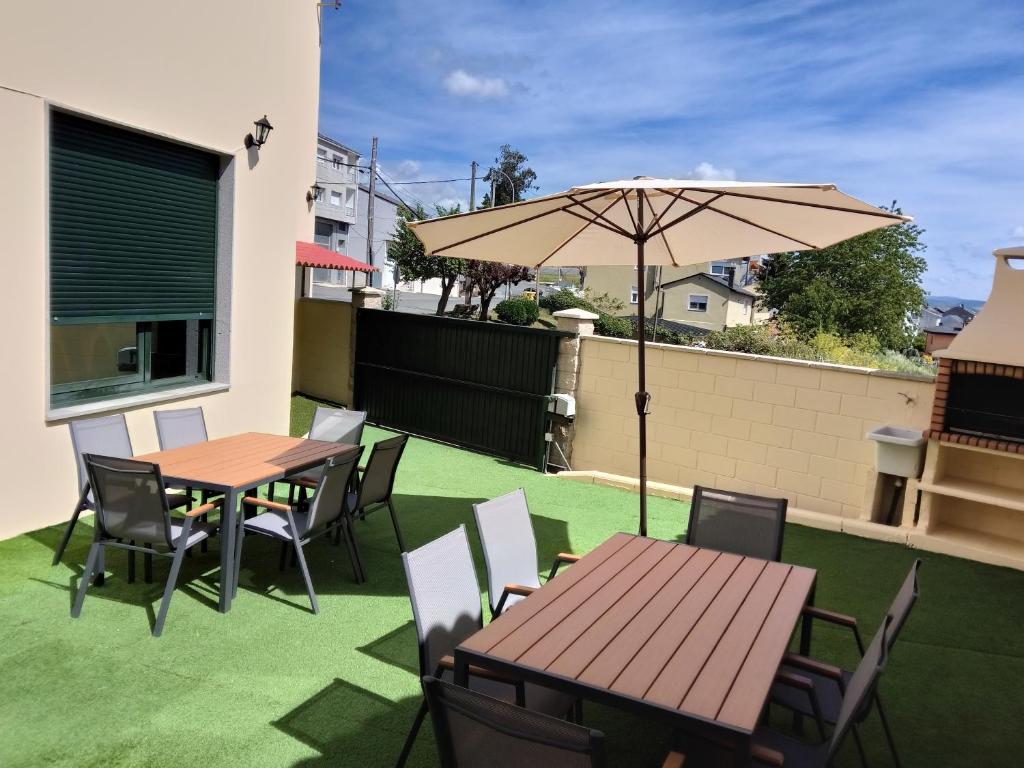
Pensión Casa Rego Sarria
A small guesthouse about 250 m from the Fortress, thoughtfully set up for pilgrims: they arrange luggage transfers and have pilgrim passports and scallop shells. All rooms have a kitchenette, and there’s a terrace and shared lounge. Some rooms share a bathroom, and children aren’t allowed; free public parking is available nearby.
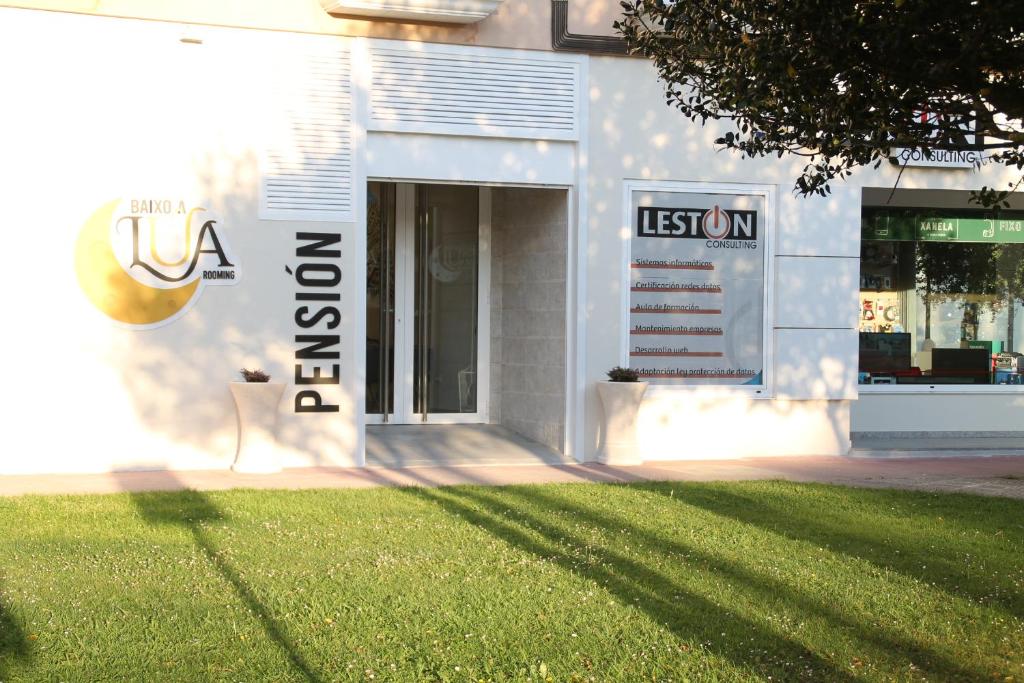
Baixo a Lua Rooming
Right beside the French Way, with rooms that have terraces overlooking the town and a garden where you can stretch your legs. The family room, with a double bed and sofa bed, sleeps up to four. There’s no parking, and check-in closes at 22:00, so take note if you’re arriving on the last train.
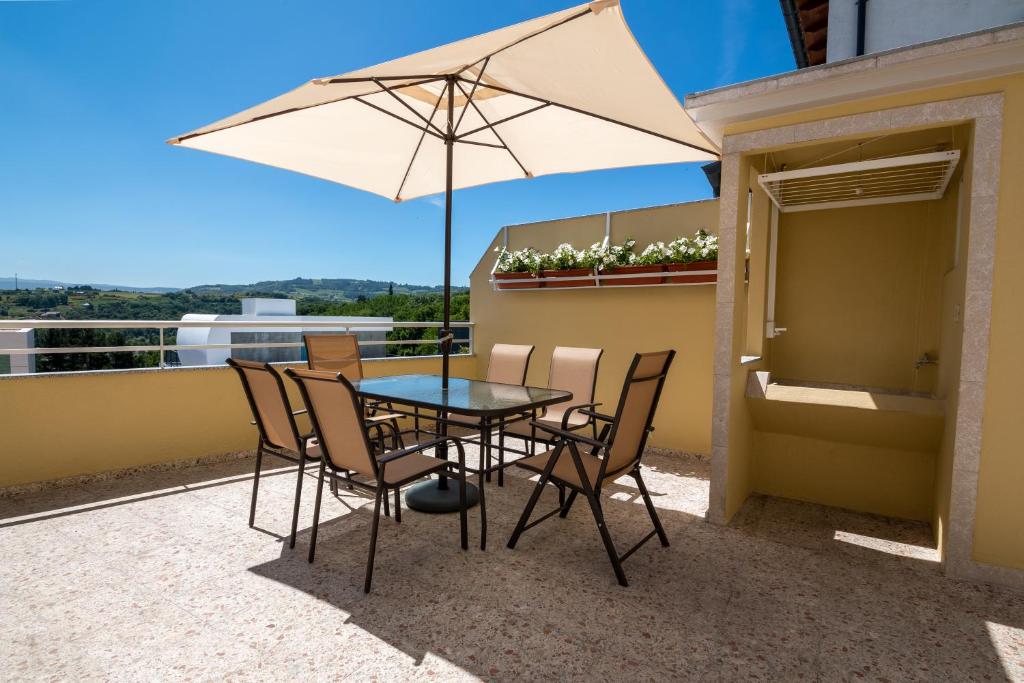
Pensión Casa do Gallo Sarria
Right beside the Fortress, high up in the old town, with a terrace, barbecue and free private parking without advance reservation—rare in this part of town. They provide pilgrim passports and, as well as double rooms, rent out a six-bedroom house for groups of up to twelve. Airport transfers cost extra.
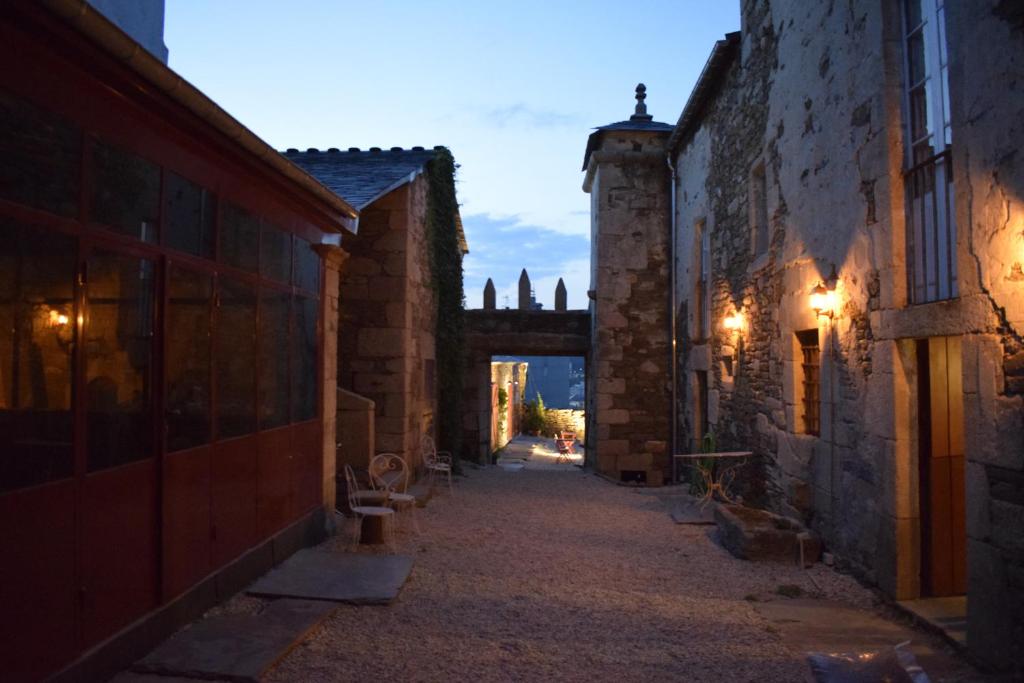
CASA SOLANCE
A house with a courtyard, garden and terrace near the Fortress, with mountain views from some rooms. The 35 m² family room sleeps four, and the train station is 750 m away. The downside: there’s no parking or internet; a good choice if you really want to switch off.
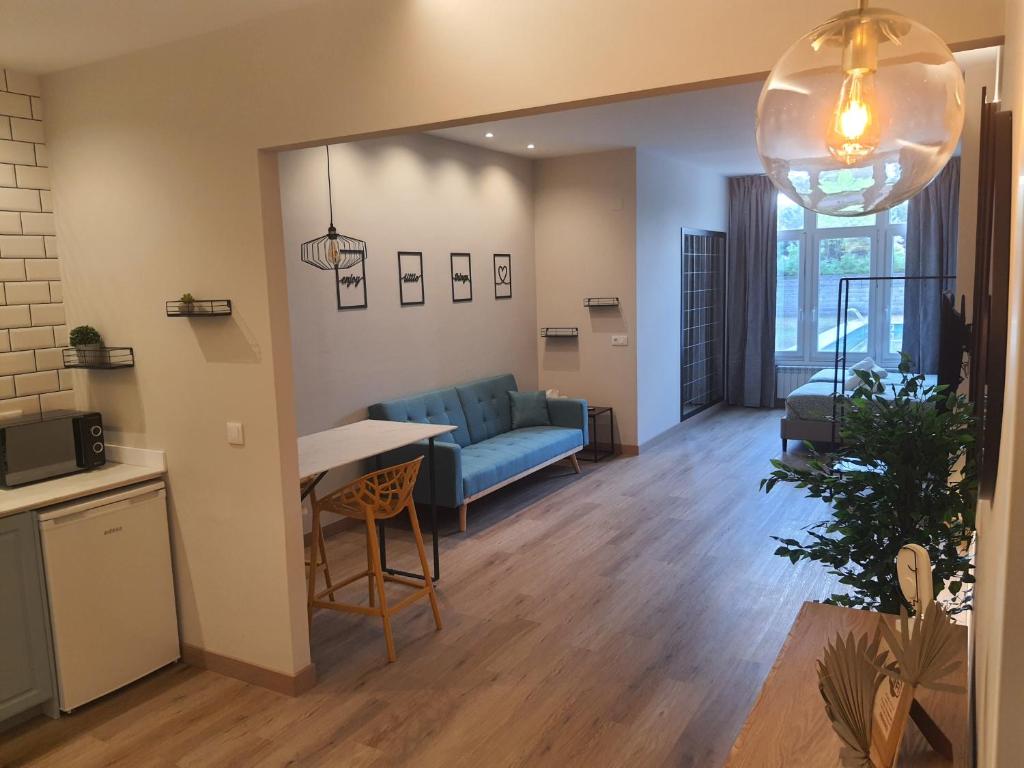
Pensión CREDENCIAL
Spacious 45 m² rooms with a well-equipped kitchen, so you can make dinner at home after a day’s walk. Breakfast costs extra, but gluten-free and takeaway options are available—handy if you’re setting off at dawn. It’s about 750 m from the Fortress; private parking is paid and must be reserved.
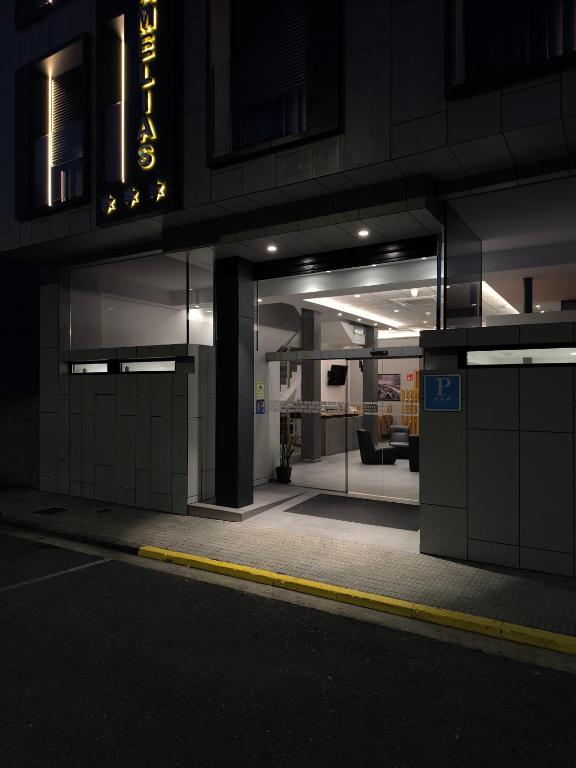
Praza Camelias
In the lower town, 230 m from the bus station, with its own café and bar and soundproofed rooms, some with balconies. It’s one of the few options with wheelchair access, a raised toilet and grab rails. There’s no parking, and quiet hours start at 21:00—something you’ll appreciate if you’re getting up early.
What to see in Sarria
You can explore the old town in an afternoon: Rúa Maior starts with a flight of steps and climbs to the Romanesque Salvador church and the remains of the Fortress, of which one tower still stands. A little further up is the convent of A Madalena, founded in medieval times and still home to a religious community.
Down below, the Malecón riverside walk follows the River Sarria beneath the trees, while Rúa do Porvir is lined with antique shops and restoration workshops that have made the town famous. In early May, the same street hosts the Feira de San Lázaro, an antiques fair that has been held since 1998, with restoration demonstrations, traditional music and octopus.
If you have a free day, the Monastery of Samos is less than half an hour away by car, and Lugo, with its Roman walls, a World Heritage Site, is about the same distance.
The Camino from Sarria
The first stage runs from Sarria to Portomarín, about 22 km through villages and oak woods, past the 100 km marker. It usually takes five days to reach Santiago, with overnight stops in Portomarín, Palas de Rei, Arzúa or O Pedrouzo. From Sarria, you need to get your pilgrim passport stamped at least twice a day to receive the Compostela.
When to go
Spring and autumn are the best seasons for walking from Sarria: mild temperatures and fewer people, although it can rain here in any month. In July and August, this is the busiest stretch of the entire Camino, and in June the town celebrates its patron saint festival of San Xoán. Winter is cold and damp, but offers the quietest version of the route.
How to get to Sarria
Sarria has a train station on the line between Monforte de Lemos and Lugo, with direct trains or connections in Monforte from Madrid and other cities. By bus, the main connection is with Lugo, about 35 minutes away. The nearest airport is Santiago, with a bus connection to Lugo. By car, it’s about half an hour from Lugo.
The tourist office is in the former prison, on Rúa da Mercé.
Sarria marks the start of the final stretch of the French Way in our guide to where to stay in Galicia. For the next nights, see where to stay in Palas de Rei and where to stay in Arzúa; for your arrival, where to stay in Santiago de Compostela.
Frequently asked questions
Answers to the questions people most often ask when planning to set off from Sarria.
Why do so many people start the Camino in Sarria?
Because Sarria is just over 110 km from Santiago, the right distance to walk the final 100 km required for the Compostela in about five days. It also has a train station, buses to Lugo and plenty of accommodation for pilgrims. In 2025, almost a third of those who received the Compostela started here—more than at any other starting point.
Is it better to stay in Sarria’s old town or lower town?
If you’re setting off on foot the next day, the old town is the most practical choice: the Camino passes along Rúa Maior, by the Fortress, so you avoid the uphill walk first thing in the morning. The lower town, by the river and bus station, has more cafés and shops and is more convenient if you arrive by public transport. Either way, distances are short.
How far in advance should I book in Sarria?
From May to October, the earlier the better: Sarria is the busiest starting point on the French Way, and guesthouses and hostels fill up the night before people set off. In July and August, demand also extends to Portomarín, Palas de Rei and Arzúa, so it’s worth booking all your nights at once. If you’re travelling by car, check the parking arrangements, as several guesthouses don’t have parking.
How do you get to Sarria?
By train, Sarria has a station on the line between Monforte de Lemos and Lugo, with direct trains or connections in Monforte from Madrid and other cities. By bus, the main connection is with Lugo, about 35 minutes away. The nearest airport is Santiago de Compostela, connected to Lugo by bus. By car, it’s about half an hour from Lugo.
What should I see in Sarria if I arrive a day early?
Walk up Rúa Maior to the Salvador church, the Fortress tower and the convent of A Madalena. Down below, stroll along the Malecón by the river and Rúa do Porvir, the street of antique shops. If you have time, the Monastery of Samos and Lugo, with its Roman walls, are less than half an hour away by car.