Español
 English
 Français
 Deutsch
 Italiano
 Nederlands
 Português
 日本語
 中文
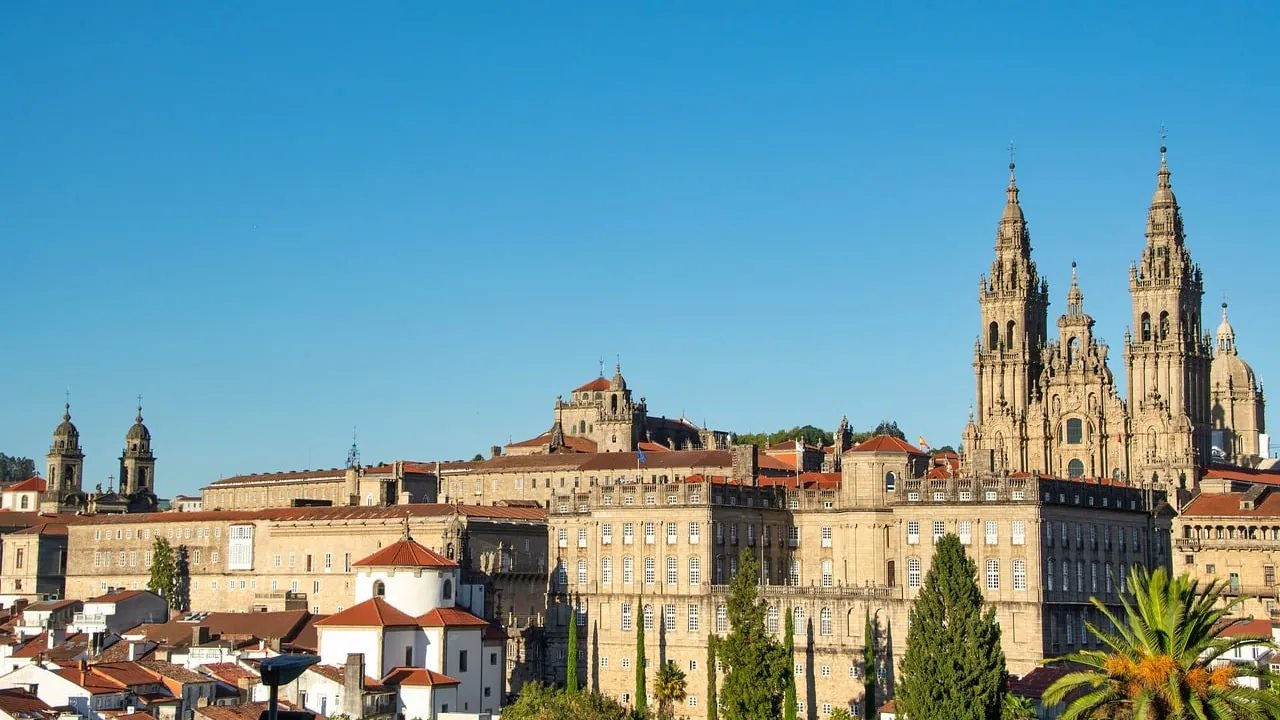
Santiago de Compostela is the destination of every Camino and one of Europe’s best-preserved historic cities: its old town, with granite buildings and arcades, has been a World Heritage Site since 1985. Squares, convents and taverns cluster around the cathedral in an area you can cross on foot in twenty minutes.
In 2025 the Pilgrim’s Reception Office issued more than 530,000 compostelas, a record, and in 2027 the city celebrates another Holy Year. That’s why deciding where to stay in Santiago de Compostela and doing so well in advance makes all the difference. We explain how the city is laid out and suggest places we hand-pick one by one.
How to choose an area
Santiago is compact, although there are plenty of hills. Each part suits a different kind of trip:
- Historic centre: the old town, between the Obradoiro, Quintana and the streets of Franco, Nova and do Vilar. Ideal for a first visit and for anyone arriving on foot; much of it is pedestrianised.
- San Pedro and Porta do Camiño: the street where the French Way enters the city. A neighbourhood where locals live, with traditional bars, just steps from the old town.
- The Ensanche: the 20th-century city, south of the Alameda, with shops and everyday life. It lies between the old town and the train and bus stations.
- The outskirts and countryside: green valleys, stone houses and country estates just a few minutes away by car, with parking and peace and quiet. This is where you’ll find villas for groups.
If you arrive by car, bear in mind that there’s nowhere to leave it in the old town and that places to stay there rarely have a garage; those outside the centre, on the other hand, often offer free parking.
In the old town, steps from the cathedral
Three places in the old town or on its edge, for experiencing Santiago without a car and with the cathedral just a short walk away. None has its own parking. You’ll find more options on our page of places to stay in Santiago de Compostela.
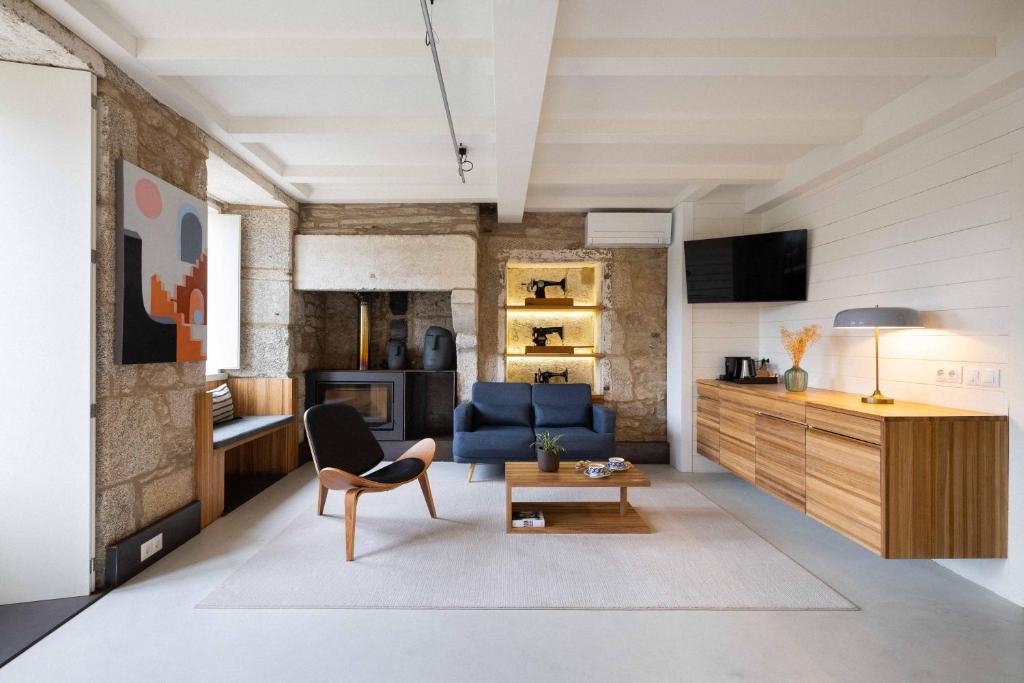
The Tailor's Garden
A hotel with its own garden, 150 metres from the Obradoiro: it’s hard to find such a green corner so close to the cathedral. The suite has a separate living room and bedroom, making it comfortable for longer stays. The buffet breakfast costs extra, and check-in ends at 17:00, so plan your arrival carefully.

Hostal Suso
Thirty metres from Plaza do Toural, with soundproofed rooms, air conditioning and private bathrooms overlooking the city or an inner courtyard. There’s a bar, and the train and bus stations are less than a kilometre away. There’s no lift across its four floors, and pets aren’t allowed.
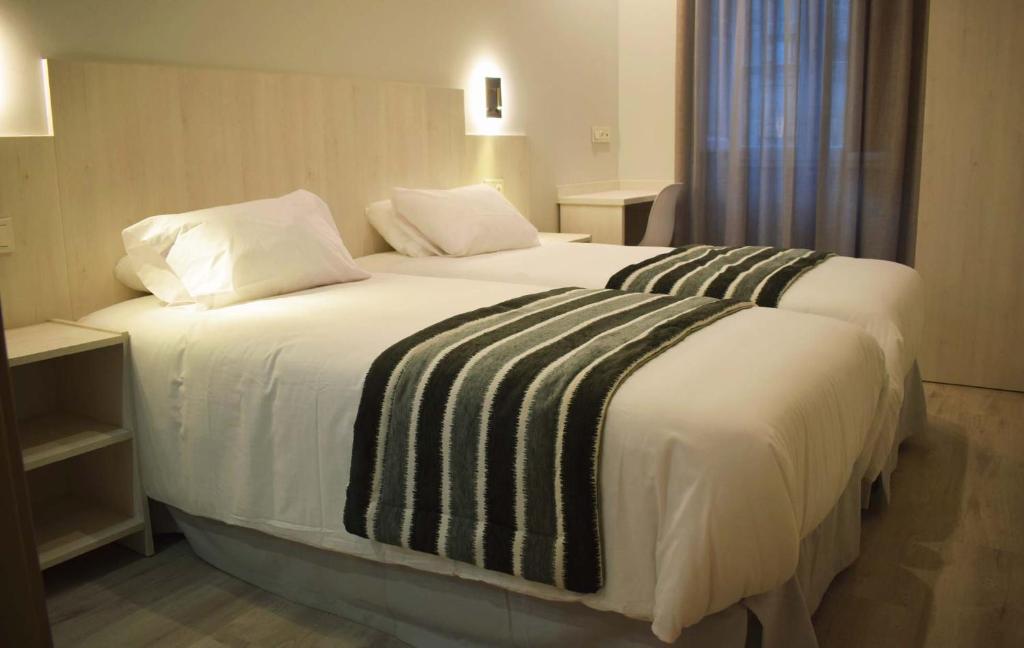
Santa Filomena
A simple, well-run guesthouse for solo travellers or couples, with single and double rooms and the cathedral an eight-minute walk away. The lift, luggage storage and daily housekeeping are welcome at the end of a stage of the Camino. Check-in closes at 20:00.
Houses and villas for families and groups
If you’re travelling as a group, sharing an entire house is more practical than taking several rooms: there’s a kitchen, a living room and outdoor space where you can make yourselves at home. These three places accommodate six to ten people.
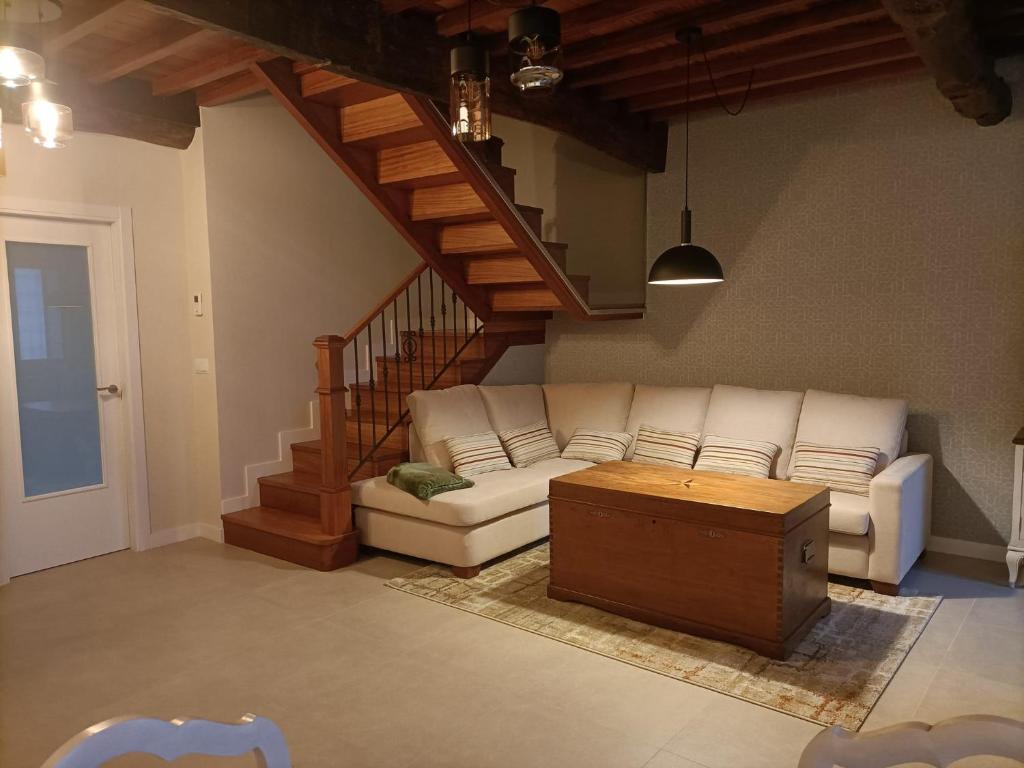
Casa a Antiga Tenda
Four bedrooms for up to six people, with a patio and terrace overlooking the garden and mountains. The kitchen has an oven, dishwasher and microwave, and wifi reaches throughout the house. There’s no parking, the upper floors are reached by stairs, and parties aren’t allowed.
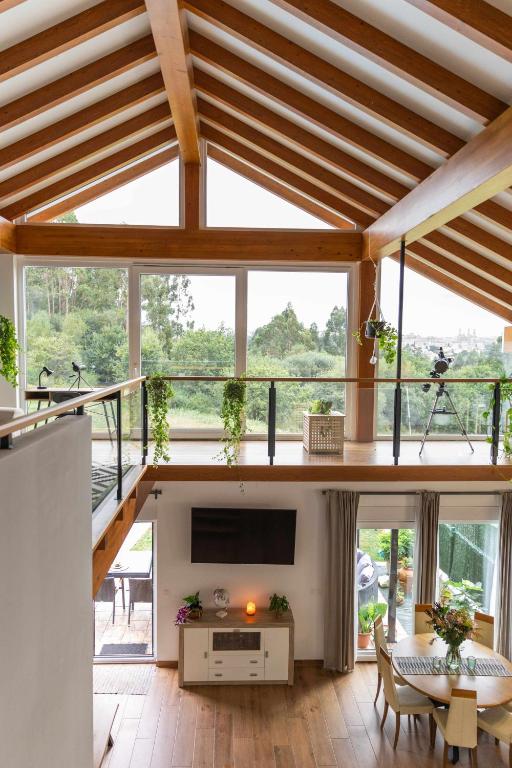
La Casa del Camino
Two hundred and fifty square metres with a private pool, garden and terrace, four bedrooms and five bathrooms, accommodating groups of up to ten. The washing machine and tumble dryer make longer stays easier. Parking is public and can’t be reserved, and a damage deposit is requested on arrival.
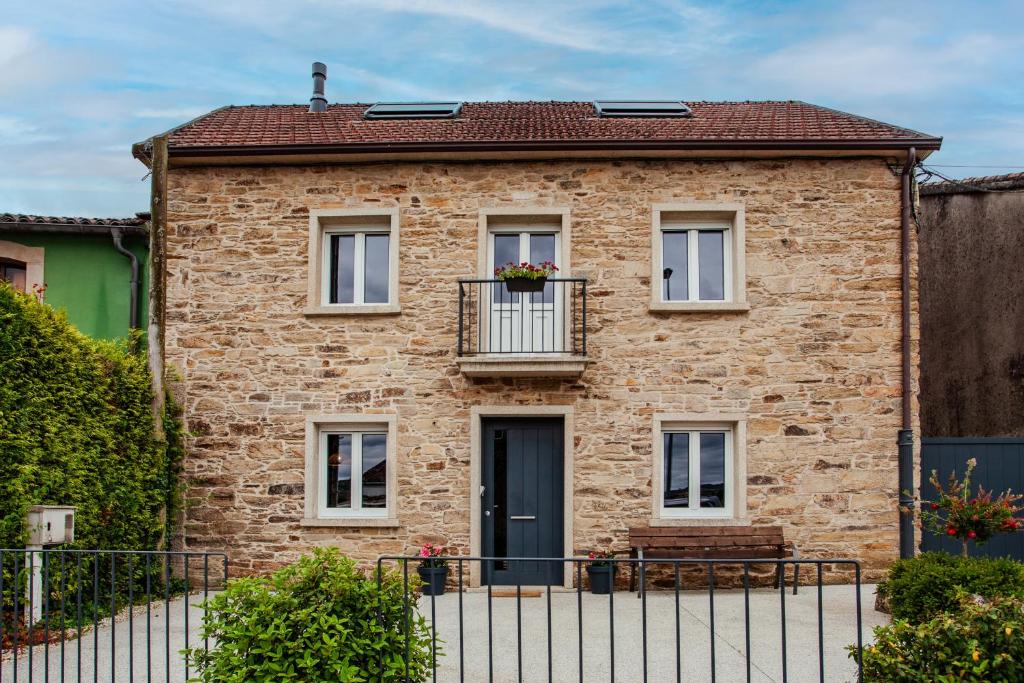
Casa do Cesteiro
A 280-square-metre villa with four bedrooms, a kitchen, terrace and garden, designed for families or groups of up to ten. If you arrive by car, private parking is free and doesn’t need to be reserved. Check-in ends at 21:00, and celebrations aren’t allowed.
Outside the centre: greenery, river and parking
If you’re travelling by car or looking for peace and quiet after a day of sightseeing, these three options are outside the old town and have free parking. Check the journey time to the centre before you reserve.
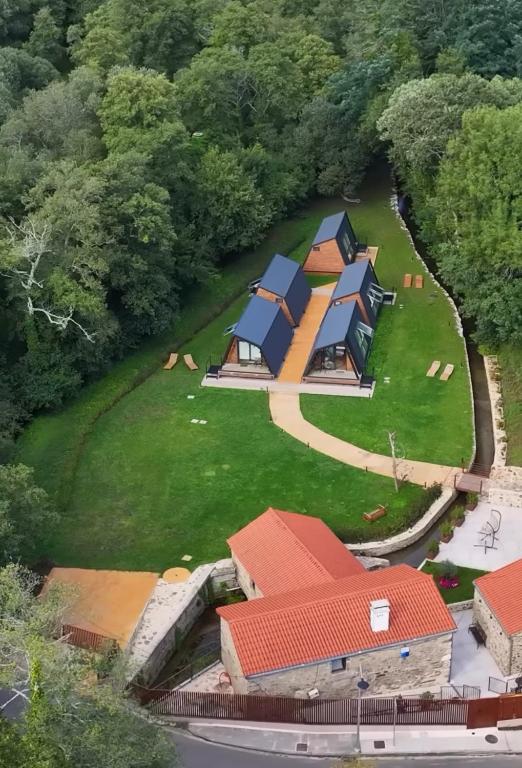
Luar do Sarela Rooms
Rooms of up to 40 square metres, some with a balcony and views of the river or mountains, as well as a garden, patio and terrace. Private parking is free, and the cathedral is about two and a half kilometres away. Rooms accommodate two people, and check-in closes at 20:00.
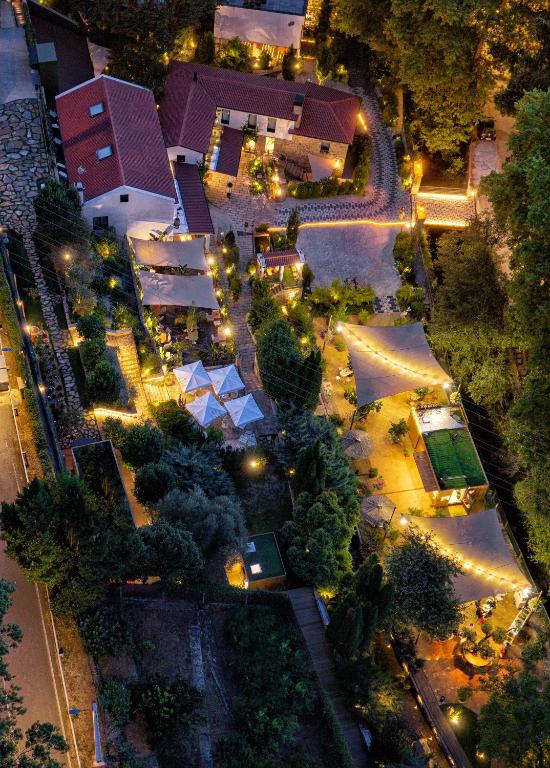
Hotel Sarela Natura
A four-star hotel with a garden and terrace, rooms overlooking the garden or river, and a suite with a whirlpool bath for three. If you’re travelling with your dog, you can request the superior room with a terrace, subject to availability. Parking is free; there are no rooms for four people.
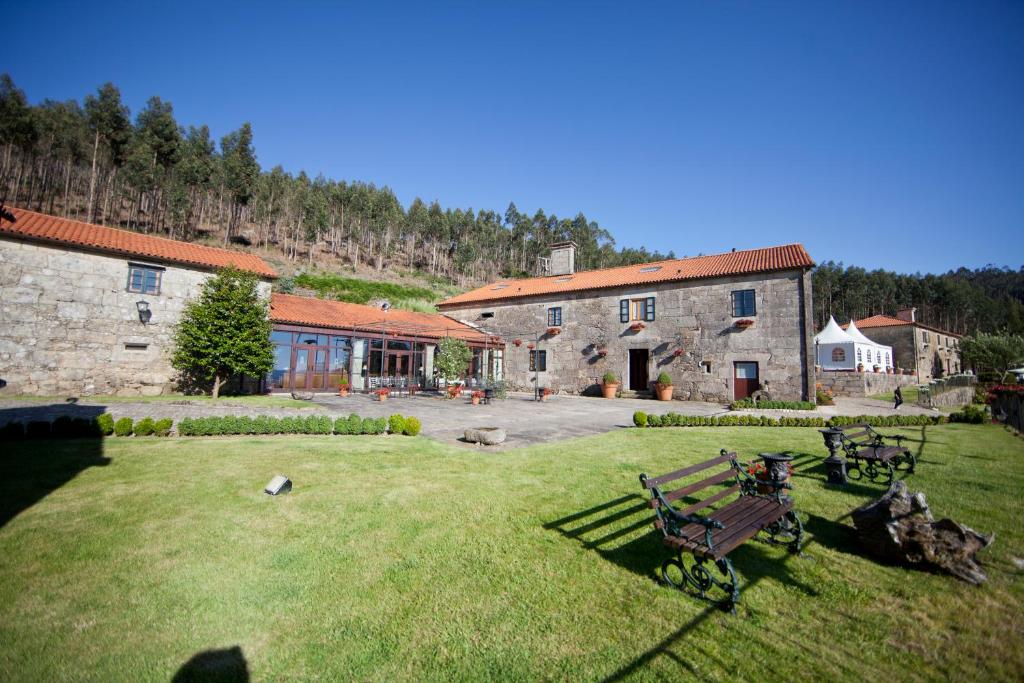
Casa Grande Do Bachao
A country hotel in an 18th-century Galician estate surrounded by trees, with a restaurant, bar and rooms that may have a fireplace, bathtub or views. Pets are welcome, and parking is free. It’s about ten kilometres from the old town, and wifi is only available in the communal areas: this is a place to truly switch off.
What to see in Santiago de Compostela
It all starts at the cathedral: the Baroque façade of the Obradoiro, Master Mateo’s Pórtico de la Gloria, the crypt with the Apostle’s tomb and, if you’re lucky, the swinging botafumeiro incense burner. A visit to the rooftops offers the city from above. Plaza del Obradoiro is also home to the Hostal de los Reyes Católicos and Pazo de Raxoi; Quintana and Praterías complete the circuit.
A few steps away, San Martiño Pinario church has housed the new Diocesan Museum since January 2026. A second phase, dedicated to the origins of the Jacobean phenomenon, is being prepared for the Holy Year. For food, head to the Mercado de Abastos and the taverns on Rúa do Franco. For a side-on view of the cathedral, take a walk along the Alameda; to relax, visit Bonaval Park, beside the Museo do Pobo Galego.
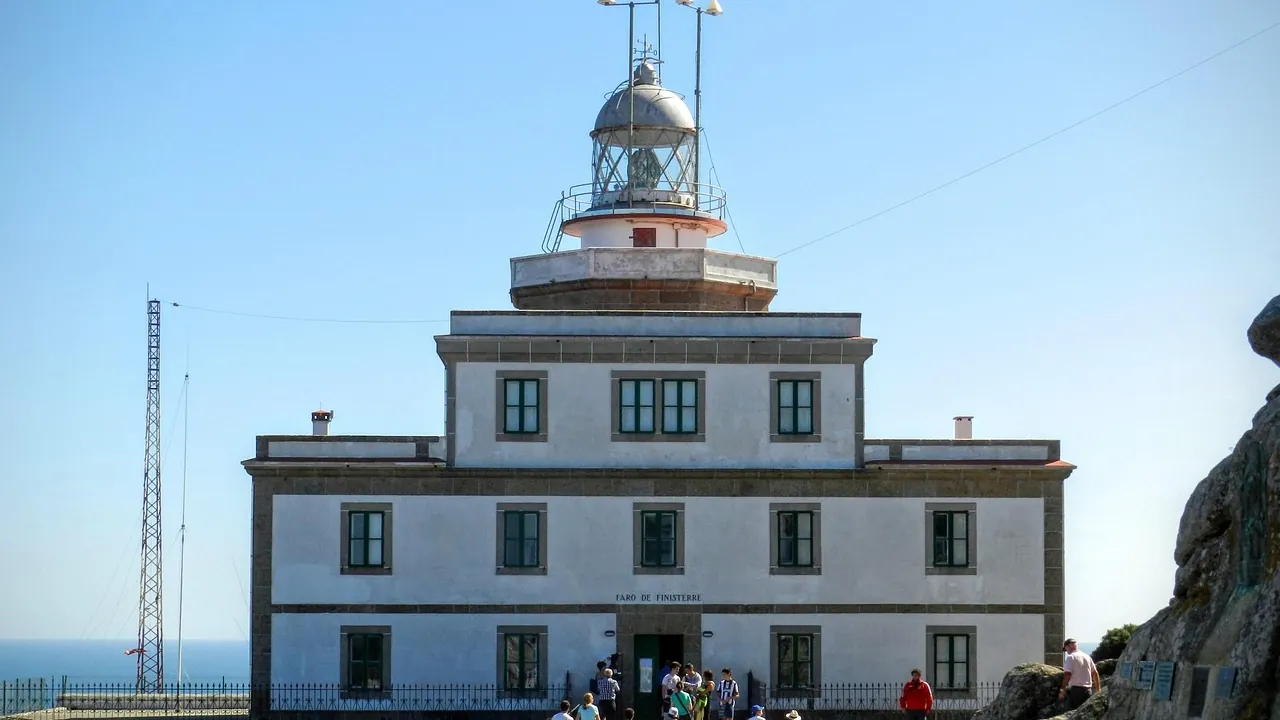
If you’re staying for a few days, the Cidade da Cultura, on Mount Gaiás, is accessible by city bus. By car, you can reach Padrón or the Ría de Arousa in under an hour, while Fisterra, where many pilgrims extend the Camino to the sea, is worth a full-day trip. Find more ideas on our page of places to stay in Galicia.
When to visit Santiago
Santiago is one of Spain’s rainiest cities, and its residents take it in their stride: wet stone is part of the scenery. Spring and early autumn bring mild temperatures and long days; July and August see the most pilgrims, and the centre fills up quickly.
The main festivities are those of the Apostle: on the night of 24 July, fireworks light up the Obradoiro façade, and on 25 July, Galicia Day, the whole city takes to the streets. In winter, the city returns to its everyday pace.
2027 is a Holy Year of St James, because 25 July falls on a Sunday: the cathedral’s Holy Door remains open all year, and the Xunta is preparing a programme of events for the Xacobeo. If your trip falls during this period, reserve several months in advance.
Getting there and getting around
Rosalía de Castro Airport, in Lavacolla, is just over ten kilometres from the centre, with buses and taxis into the city. By train, Santiago has a high-speed connection with Madrid, and the Atlantic Axis links it with A Coruña, Pontevedra and Vigo. The bus station is next to the train station, on the edge of the Ensanche, a short walk from the historic centre.
Once you’re here, the city is easy to explore on foot: much of the old town is pedestrianised, and a car is only useful for day trips. Since 1 October 2025, Santiago has charged a tourist tax per person per night, for a maximum of five nights per stay. The amount varies depending on the type of accommodation.
Santiago is at the heart of our guide to where to stay in Galicia. If you’re arriving via the French Way, also see where to stay in Arzúa, two stages from the finish; if you’re coming via the Portuguese Way, where to stay in Padrón, the last stop before the cathedral. And for a hot-springs getaway, where to stay in Ourense.
Frequently asked questions
These are the questions we hear most from people planning a few days in Santiago, whether they’re pilgrims or not.
What is the best area to stay in Santiago de Compostela?
The historic centre, the old town around the cathedral, is the best choice for a first visit: everything is within walking distance, from the Obradoiro to the Mercado de Abastos, and Rúa do Franco and Rúa do Vilar stay lively in the evening. If you arrive by train or bus, the southern edge of the old town and the Ensanche put you close to the stations. For groups or car trips, houses and hotels on the outskirts offer more space, a garden and free parking.
Can you drive to the old town?
It’s not a good idea. Much of the historic centre is pedestrianised and vehicle access is restricted, so places to stay in the old town rarely have a garage. The practical option is to leave your car in a public car park on the edge of the centre and get around on foot. If you’re planning day trips around Galicia, it’s worth choosing a place on the outskirts with free parking and travelling into the city by bus, taxi or by parking outside the historic streets.
How many days do you need to see Santiago?
Two days are enough for the essentials: the cathedral, the Pórtico de la Gloria and the rooftops, the surrounding squares, the Mercado de Abastos, the Alameda and Bonaval Park. With a third day, you can add the Cidade da Cultura and the museums, or take a trip to Padrón, the Ría de Arousa or Fisterra. If you arrive on foot at the end of the Camino, set aside at least one extra night to enjoy the city without your backpack.
What changes in 2027 because of the Holy Year?
The Holy Year of St James is celebrated when 25 July, the feast day of the Apostle, falls on a Sunday, and 2027 is one of those years. The cathedral’s Holy Door stays open all year, more pilgrims than usual arrive, and the Xunta is preparing a programme of events for the Xacobeo. In practice, places to stay in the centre fill up sooner, especially in summer and around 25 July, so it’s best to reserve several months in advance.
Do you have to pay a tourist tax in Santiago?
Yes. Since 1 October 2025, Santiago de Compostela has charged a tourist tax per person per night for people staying in the city. It applies for a maximum of five nights per stay, and the amount varies according to the type and category of accommodation, from hotels to tourist-use homes. The local ordinance provides exemptions in certain cases, so if you think one applies to you, ask your accommodation before you arrive.