Español
 English
 Français
 Deutsch
 Italiano
 Nederlands
 Português
 日本語
 中文
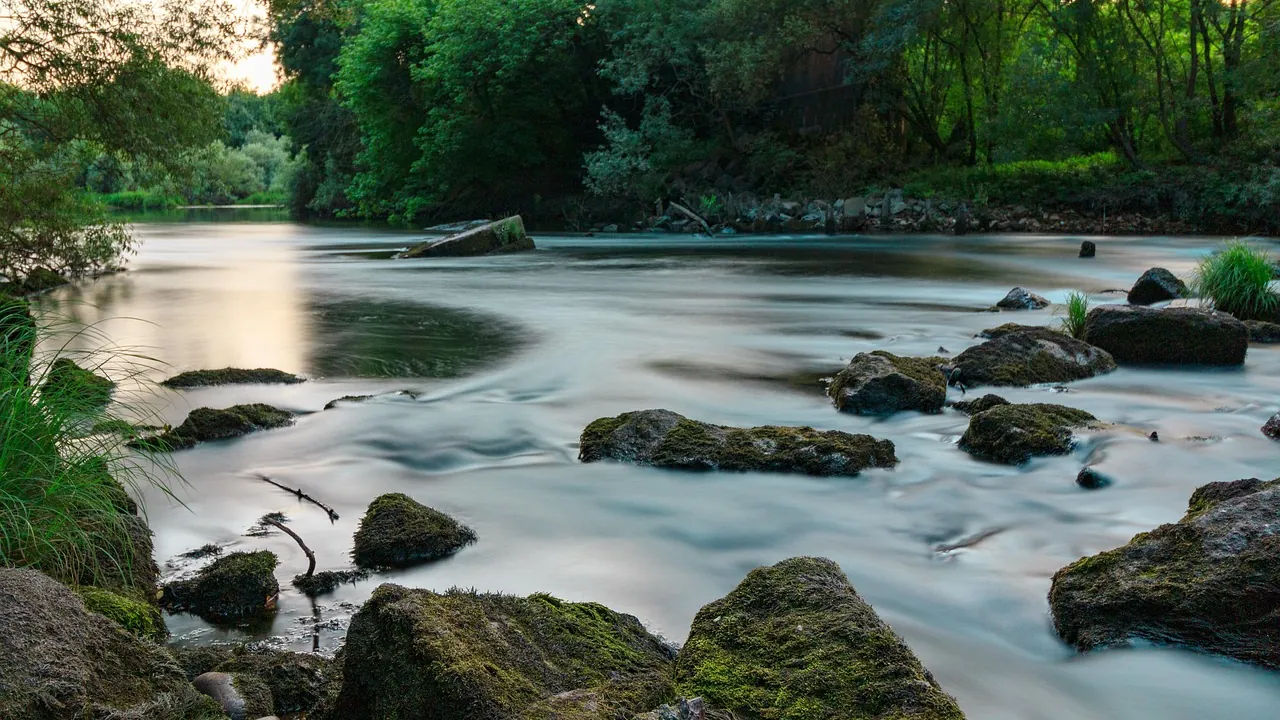
Padrón lies where the Sar meets the Ulla, and is a small town with a major place in Galician history. According to tradition, the boat carrying the apostle’s body was moored here, and the Pedrón, the Roman stone that gave the town its name, is kept beneath the church altar.
Rosalía de Castro died here, Camilo José Cela was born here, and the most famous pepper in Spain comes from its market gardens. We’ve brought together six homes that we hand-pick, all entire properties with kitchens and parking, for families and groups staying several nights.
How to choose an area
The municipality has a compact centre on the banks of the Sar, surrounded by rural parishes among market gardens and low hills:
- Centre and Espolón: Santiago Church, Macías Square and the riverside promenade, with bars, a Sunday market and the Camino right on the doorstep.
- Iria Flavia and A Matanza: north towards Santiago, with the collegiate church and Rosalía’s house. You can walk there, but it already feels like a village.
- Herbón and the Ulla valley: pepper-growing country, home to its Franciscan monastery. Complete peace and quiet, but a car is essential.
- Inland parishes: Extramundi, Cruces or Carcacía, with stone houses, estates and views of the hills.
If you’re walking the Camino or arriving by train, stay in the centre or in Iria Flavia. With a car and children, a house in one of the parishes gives you space and quiet nights. The Padrón page lists all the places we select, including guesthouses and hostels for a single night.
Where to stay in Padrón
Our selection includes entire homes, from a property for four to a villa with a pool for ten, all with fully equipped kitchens and free parking.
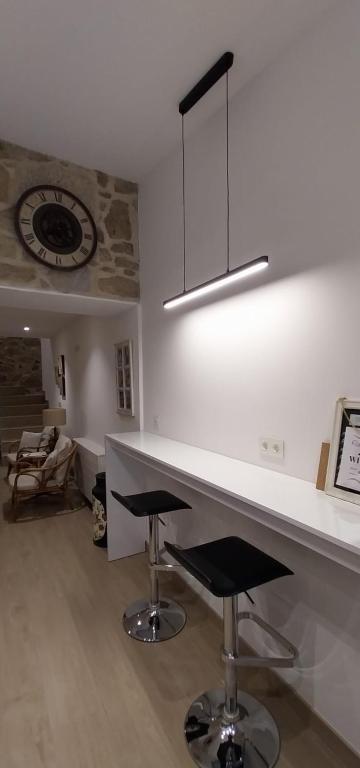
O Berce Padrón casa rural
A house for four with just one bedroom but two living rooms and two bathrooms, so no one gets in each other’s way in the morning. There’s a garden, a kitchen with a dishwasher and free parking very close by. The upper floors are reached by stairs, and it’s quiet from eleven onwards.
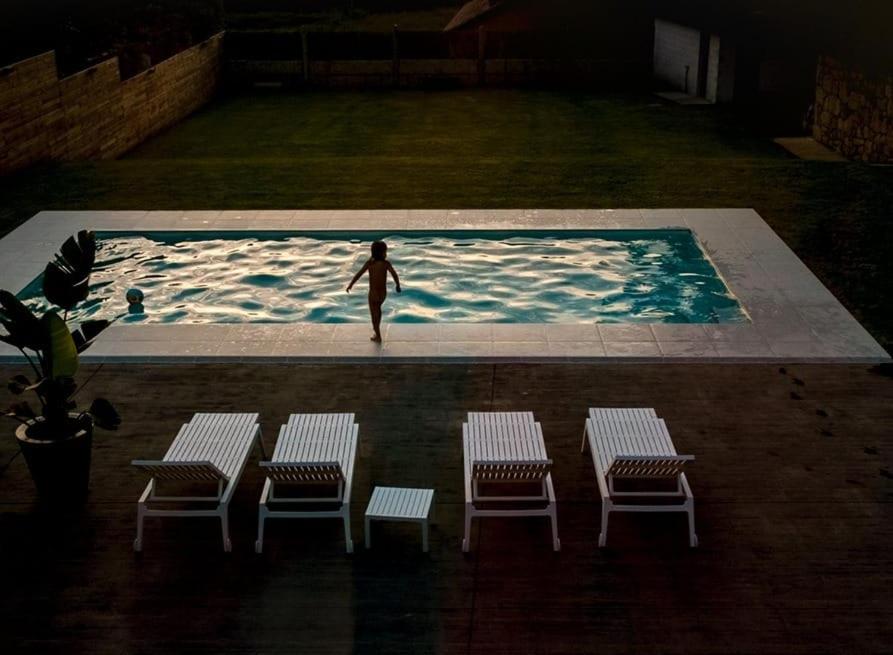
ACASADETEO
A detached house for seven, with three bedrooms, three bathrooms, a private pool and a garden with hill views: ideal for two families or a group of friends in summer. A €300 cash deposit is required on arrival.
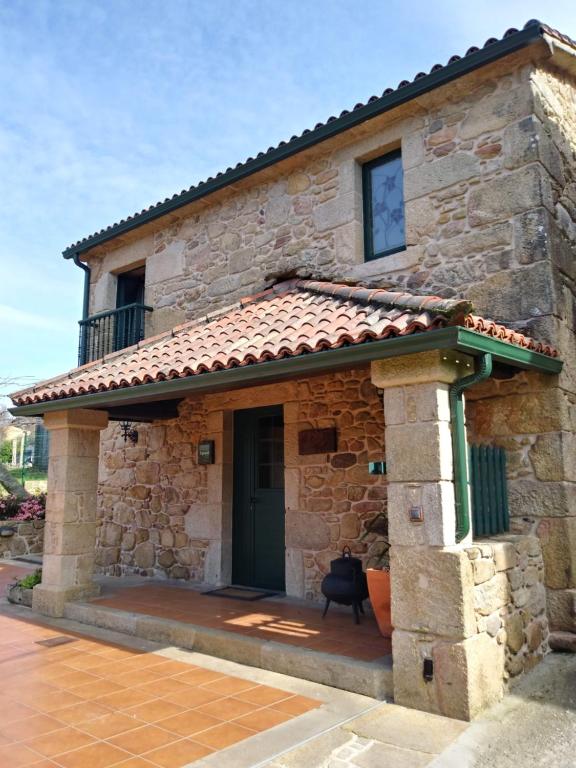
Casa Rural A Eira Vella
Two bedrooms for four, plus plenty of outdoor spots: a terrace, balcony, patio and garden, with views of the hills and town. The kitchen has everything you need to fry peppers from the market. Let them know your arrival time in advance.
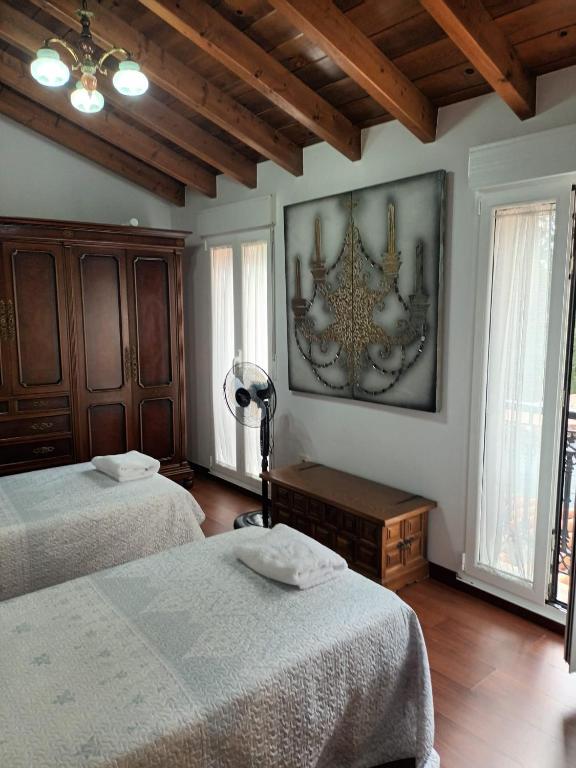
O Cobo Vacacional
A detached 120-square-metre house with a garden and barbecue, and the only place on this list that allows pets. It sleeps four, and the private parking doesn’t need to be reserved. Wi-Fi is available only in the communal areas, and check-in is from three to six in the afternoon.
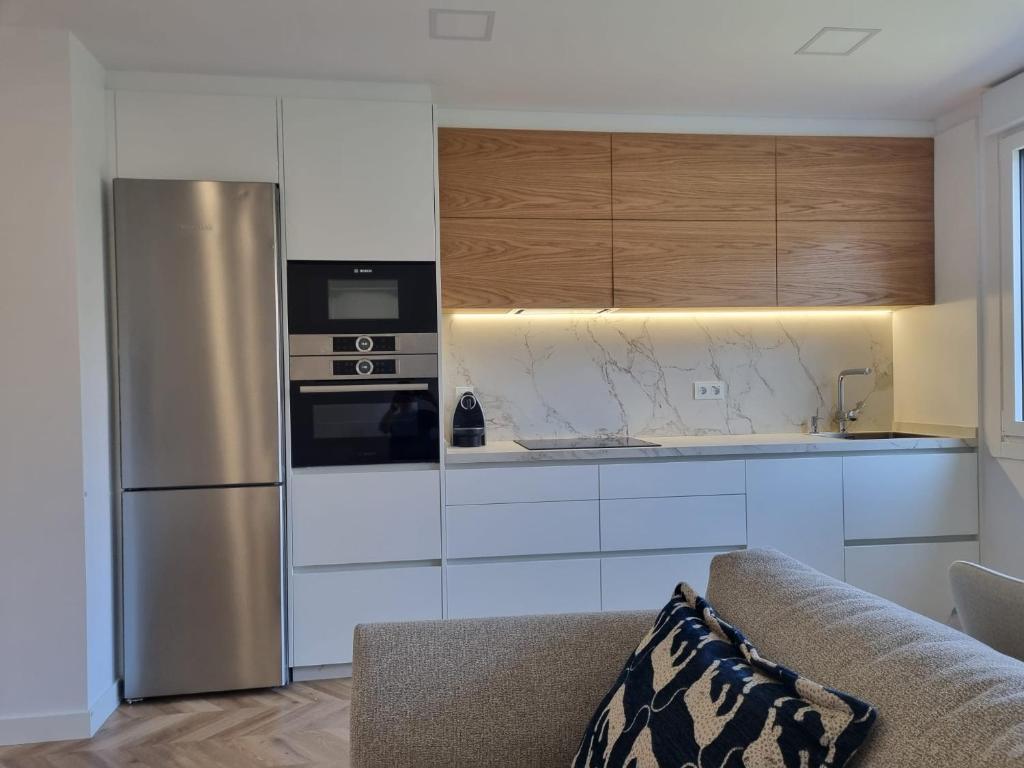
Cepeda 12
Three bedrooms for up to five people, with a living room and dining room for long dinners: a good choice for families who like to cook at home. Free parking is public, in the area, and check-in is not possible after nine at night.
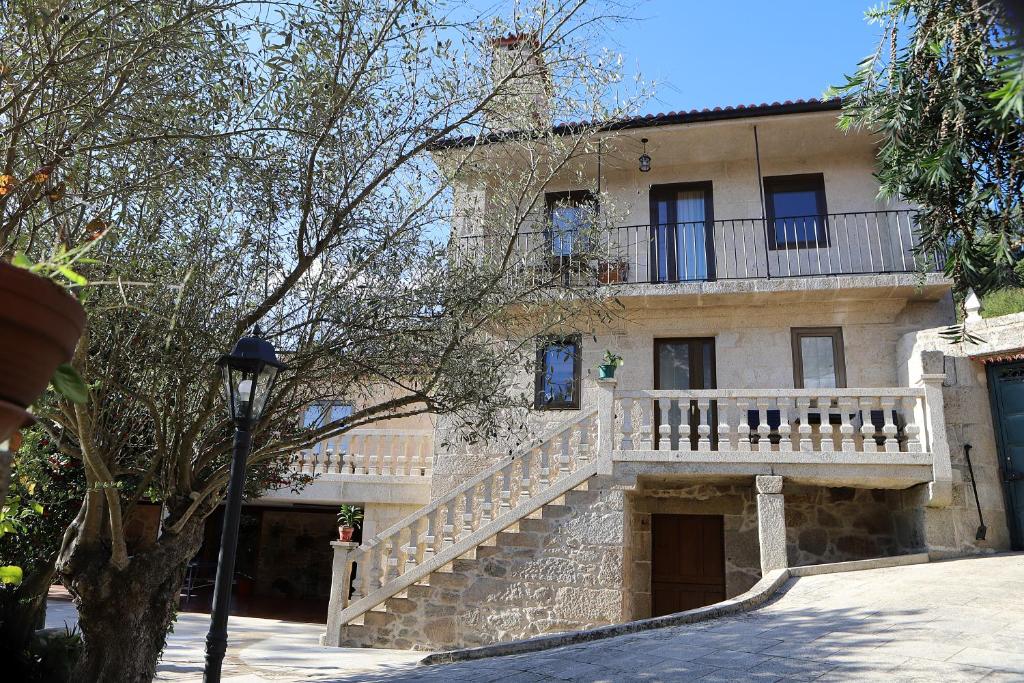
Villa Garabán
The largest option: four bedrooms, four bathrooms and space for ten, with a pool, garden, barbecue and a terrace with views, making it ideal for family get-togethers. Reserve the parking space in advance, arrive before eight in the evening and expect a refundable €300 deposit.
What to see in Padrón
Start at Santiago Church, where the Pedrón is displayed beneath the high altar. A few minutes away, stone steps lead up to Santiaguiño do Monte, a hermitage among huge rocks where, according to tradition, the apostle preached.
The Espolón promenade, lined with plane trees beside the river, is the town’s living room and hosts the market every Sunday. The Rosalía de Castro House-Museum, in A Matanza, preserves the house where the poet died in 1885; in 2026, the Ministry of Culture joined the board of her foundation, which is preparing to restore the adjoining building.
Nearby, the collegiate church of Iria Flavia recalls that this was a bishop’s seat before Santiago, and Cela is buried in the Adina cemetery. By car, you can easily reach Santiago de Compostela, the spa town of Caldas de Reis and the Arousa estuary.
When to visit Padrón
Every 25 July, the town makes a pilgrimage up to Santiaguiño do Monte, with a procession and a communal sardine feast. In early August, the Festa do Pemento de Herbón, recognised as a Festival of Tourist Interest in Galicia, fills the oak grove by the monastery with the smell of fried peppers. Spring and autumn are quieter and very green, but also rainy.
The Camino draws plenty of visitors: in 2025, more than a third of the pilgrims who reached Santiago travelled along the Portuguese routes, most of which pass through here. In 2027, the Holy Year of Xacobeo, there will be even more, so book well in advance.
How to get there and get around
Padrón is about 20 kilometres south of Santiago, beside the AP-9 and N-550. The nearest airport is Santiago-Rosalía de Castro, and there are buses to Santiago and a medium-distance train station, although not all trains stop there. The centre is easy to explore on foot; you’ll need a car to reach the parishes.
Padrón is part of our guide to where to stay in Galicia. If you’re continuing to the cathedral, read our guide to where to stay in Santiago de Compostela; if you’re coming along the French Way, see where to stay in Arzúa, and for thermal baths and a different side of Galicia, where to stay in Ourense.
Frequently asked questions
What people planning a few days in Padrón ask us most.
Is it better to stay in Padrón or Santiago de Compostela?
It depends on how you’re travelling. With a car, or if you’re travelling with family or a group, Padrón offers entire homes with gardens, kitchens and free parking, about 20 kilometres from the cathedral, and a much more peaceful setting. If you don’t have a car and want to go out in the historic centre, stay in Santiago. Many pilgrims on the Portuguese Way spend the night in Padrón and reach Santiago the following morning.
Which area of Padrón is best for pilgrims?
The centre, between Santiago Church and the Espolón, because the Portuguese Way passes through and you’ll find bars, shops and buses close at hand. Iria Flavia, on the way out towards Santiago, also works well and gets you a few minutes ahead on the final stage. The homes in this article are intended for stays of several nights; if you only need a bed for one night, the Padrón page lists selected guesthouses and hostels.
Do you need a car to stay in Padrón?
Not for the centre: you can explore on foot, and there are trains and buses to Santiago. For homes in the parishes, such as Herbón, Extramundi or Cruces, you do, as they’re spread among market gardens and hills and public transport is limited. A car also makes it easy to use Padrón as a base for Santiago, Caldas de Reis and the Arousa estuary.
When is the Padrón pepper festival?
The Festa do Pemento de Herbón is held every year in early August in the oak grove by the Herbón monastery, in one of Padrón’s parishes. It is recognised as a Festival of Tourist Interest in Galicia and centres on fried peppers sprinkled with coarse salt, with music beneath the oak trees. If you want to go, book ahead: it takes place in the height of summer.
What can you see in Padrón in one day?
In the morning, visit Santiago Church and the Pedrón, climb up to Santiaguiño do Monte and stroll along the Espolón, with a market if it’s Sunday. After eating peppers in the centre, visit the Rosalía de Castro House-Museum in A Matanza and the collegiate church of Iria Flavia, beside the Adina cemetery, where Camilo José Cela is buried.