Español
 English
 Français
 Deutsch
 Italiano
 Nederlands
 Português
 日本語
 中文
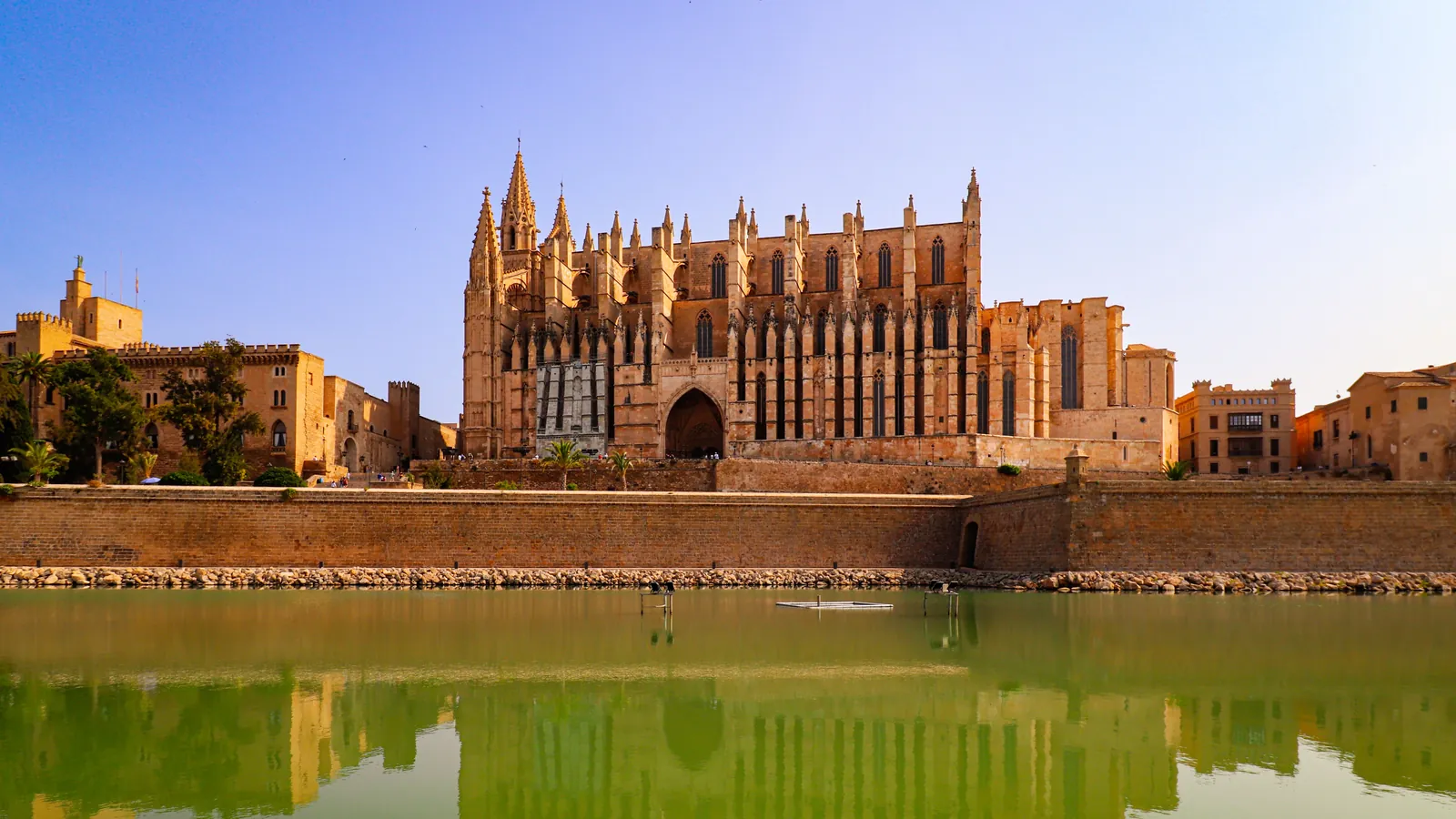
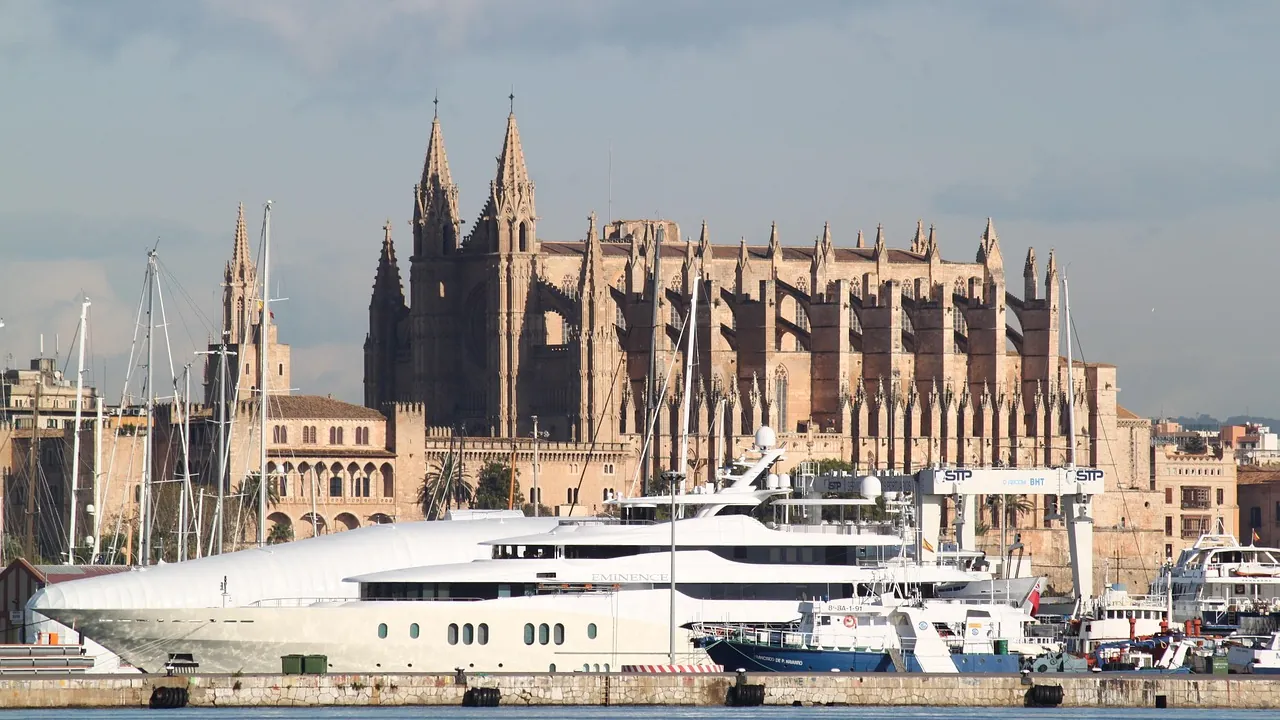
Palma is a capital city best experienced on foot, with the sea always in view. The Cathedral overlooks the bay, while behind it lie an old town of grand courtyards and narrow streets; a few minutes away, seafront promenades lead to the city’s beaches.
Choosing where to stay in Palma de Mallorca is mainly a matter of choosing a neighbourhood. In this guide, we explain what each area has to offer and suggest places to stay that we’ve chosen one by one, mostly in historic buildings in the centre, plus one by the beach that’s ideal for families.
One useful detail before you book: since 2026, the city council has been processing a ban on new tourist rental permits for all types of homes, so hotels and already-authorised homes are the safest option.
How to choose an area
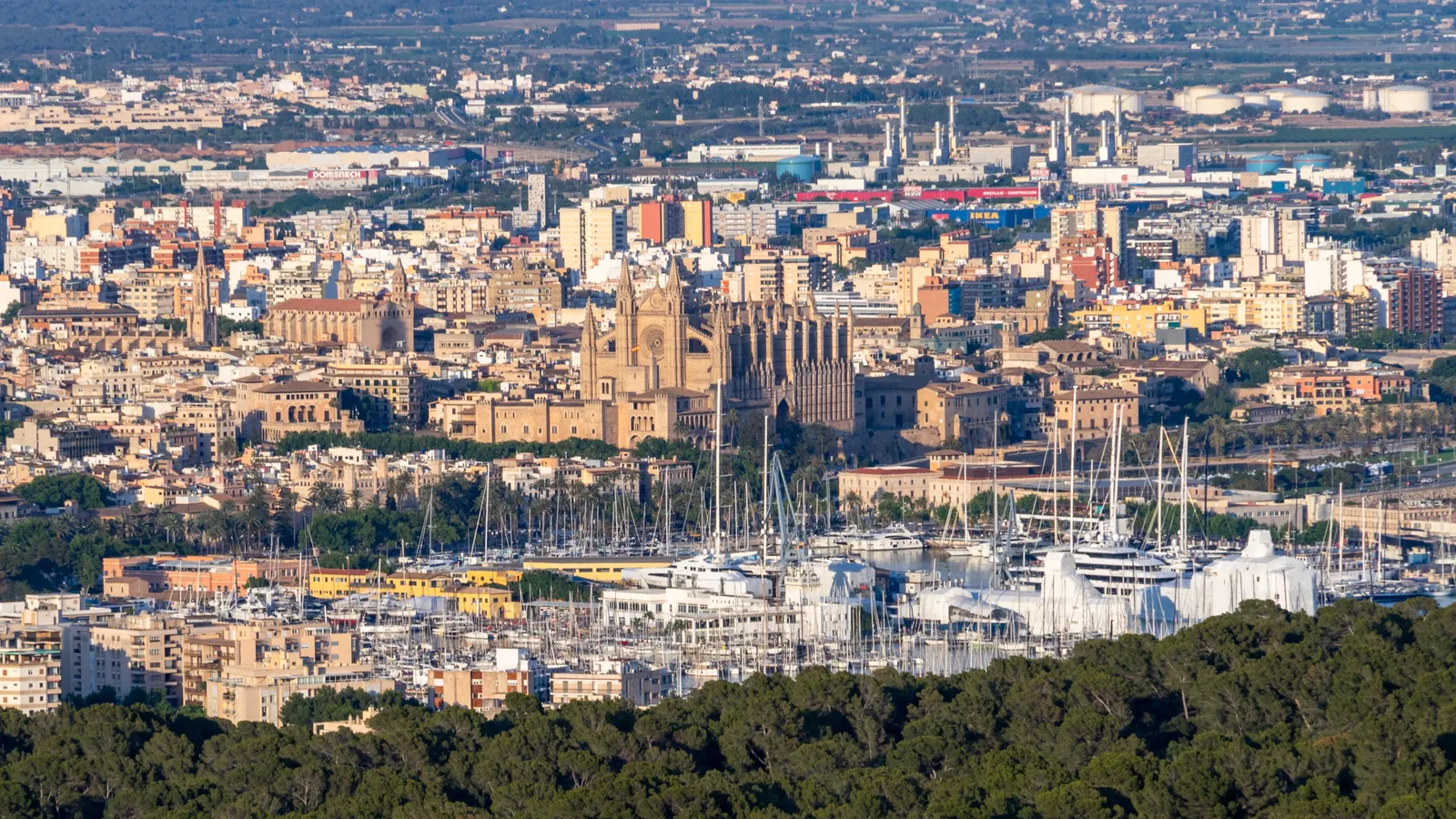
Palma stretches along the bay, with the historic centre in the middle and seafaring neighbourhoods on either side. Here’s what you need to know about each one:
- Old town: the Cathedral, Almudaina, Sa Calatrava neighbourhood, Plaza Mayor and Passeig des Born. It’s the most charming area and home to almost all the boutique hotels.
- Santa Catalina and Es Jonquet: a former fishing neighbourhood with a market, restaurants of all kinds and a lively atmosphere at night; Es Jonquet retains its old windmills above the port.
- Portixol and Es Molinar: to the east, with low-rise houses, a small port and a seafront promenade that’s perfect for walking or cycling.
- Ciutat Jardí: a residential neighbourhood with its own beach, close to the airport and quieter than the centre.
- Cala Major and Sant Agustí: to the west, with small coves and the Fundació Miró; you’ll rely more on the bus or a car.
If it’s your first time, stay in the old town: you can see everything on foot, although much of it has restricted car access. If you’re travelling with family and want the beach without taking the bus, look towards Ciutat Jardí. See all the places to stay in Palma de Mallorca.
By the Cathedral and in the old town
Palma’s oldest quarter, around the Cathedral, Almudaina and Arab Baths, is quiet at night and just a short walk from Parc de la Mar. Here are the places we’ve chosen in this area.
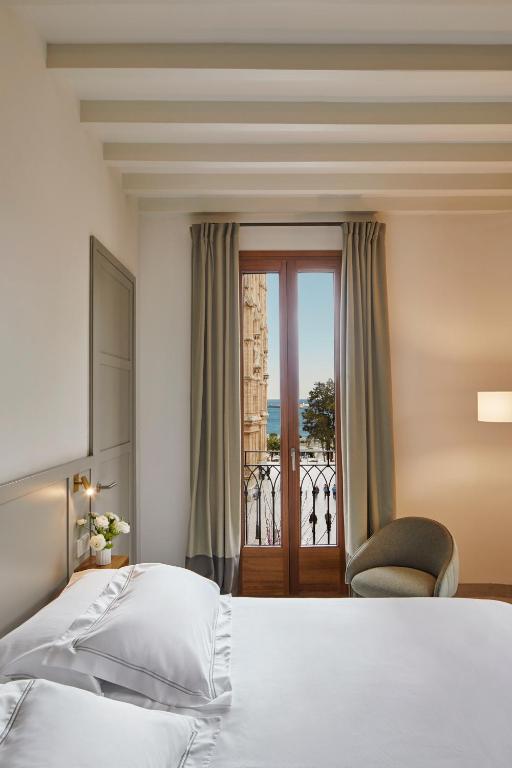
Vila Damunt
Few places are as close to the Cathedral. Accommodation is in suites, some with sea views; the two-bedroom suite, measuring 90 m² and with a fully equipped kitchen, is popular with families of four. There’s no private parking, and the suites for two don’t include a kitchen.
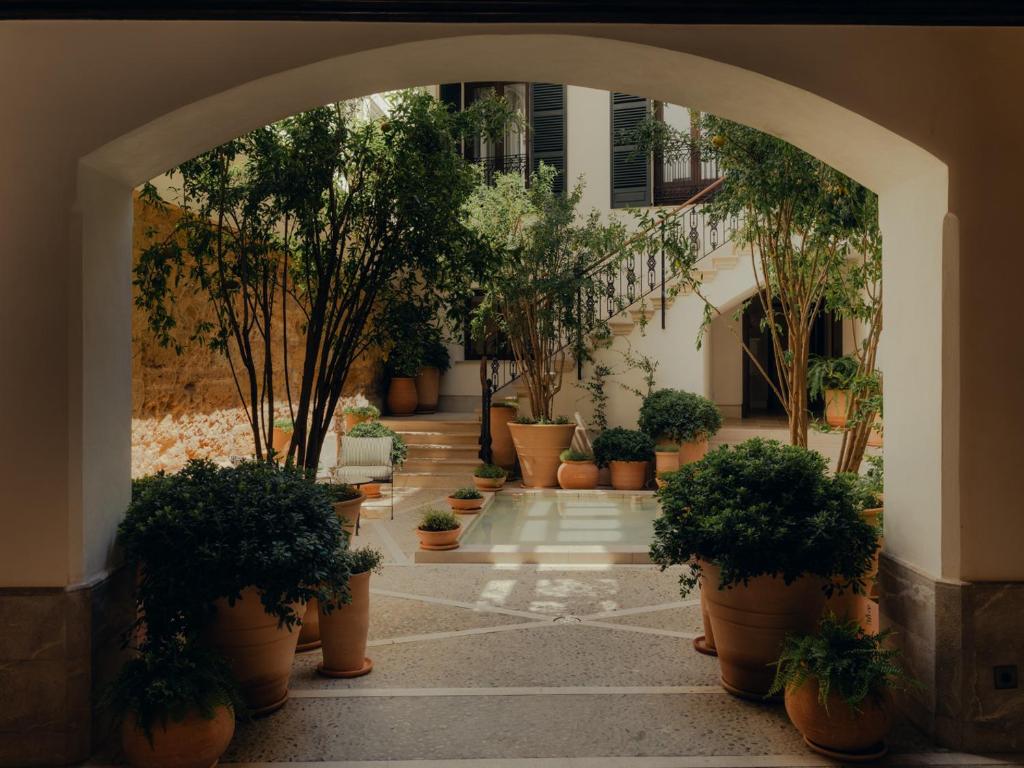
Portella Palma
A five-star hotel 40 m from the Arab Baths and 50 m from the Mallorca Museum, with a hammam and massages to help you unwind at the end of the day. Alongside rooms and suites, it has multi-room apartments for up to eight people and hires out bicycles. There’s no parking, and breakfast costs extra.
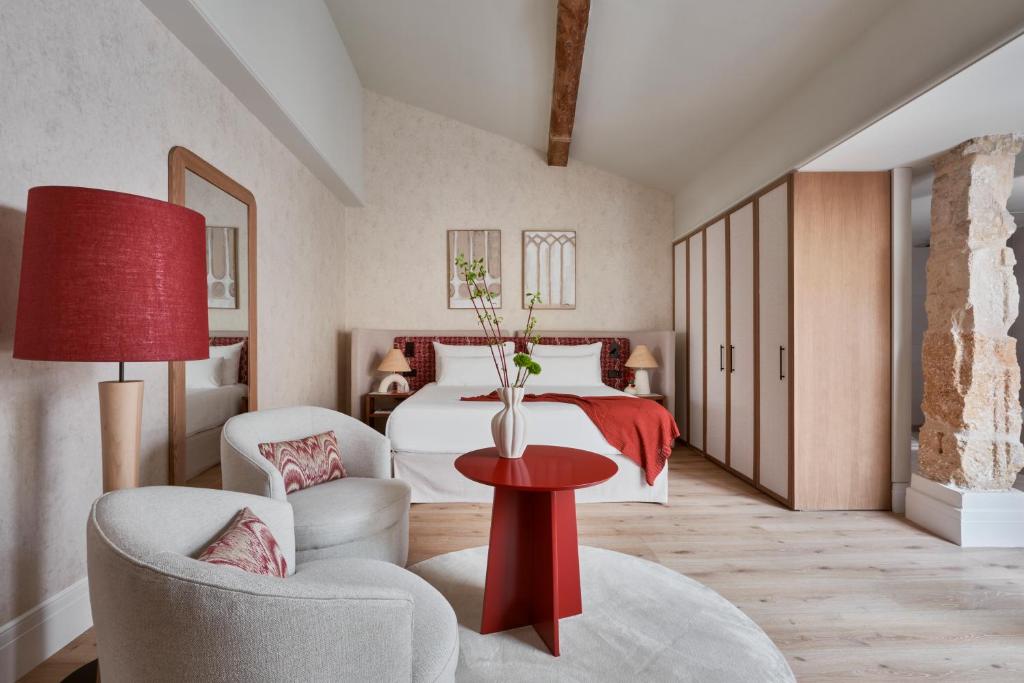
Boutique Hotel Posada Terra Santa
A 16th-century mansion converted into a hotel, with a spa, an indoor pool and an outdoor pool—an unusual find in the old town. Pets are welcome free of charge on request, and the suites have a separate seating area. Parking is nearby, paid and must be reserved.
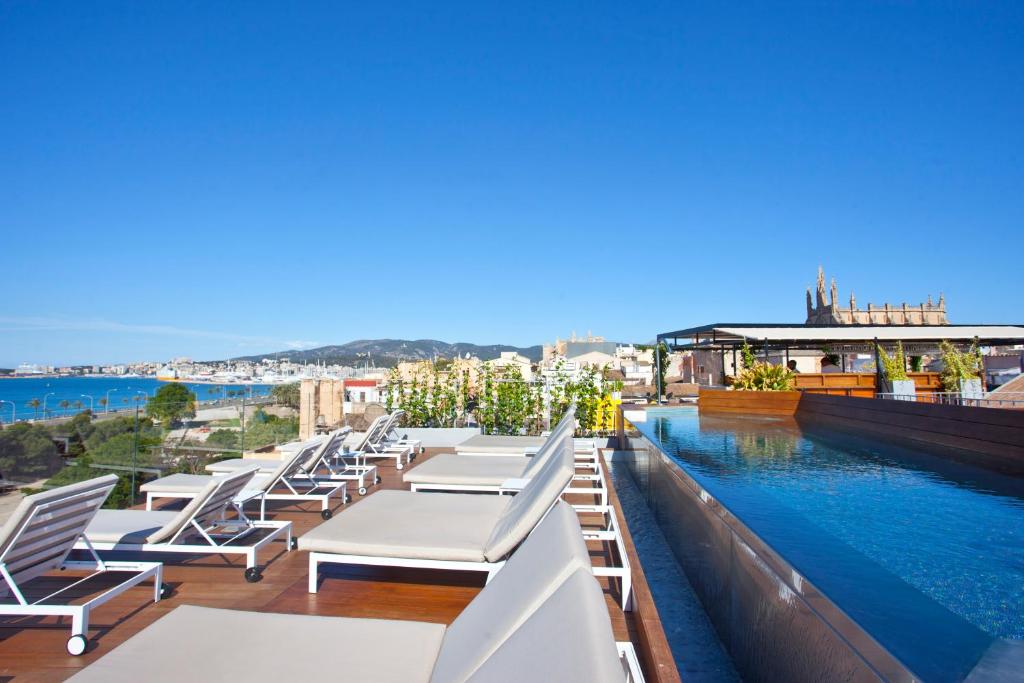
Es Princep - The Leading Hotels of the World
A five-star hotel beside Baluard del Príncep, on the seaward edge of the old town. It has a spa with a sauna and steam room, four restaurants and a bar, plus rooms with bay or city views. If you’re driving, book parking in advance.
Between the Born and Plaza Mayor
The area around the Born and Plaza Mayor is all shops, cafés and lively squares. The city is busier here, but everything is close at hand; these are the places we’ve chosen.
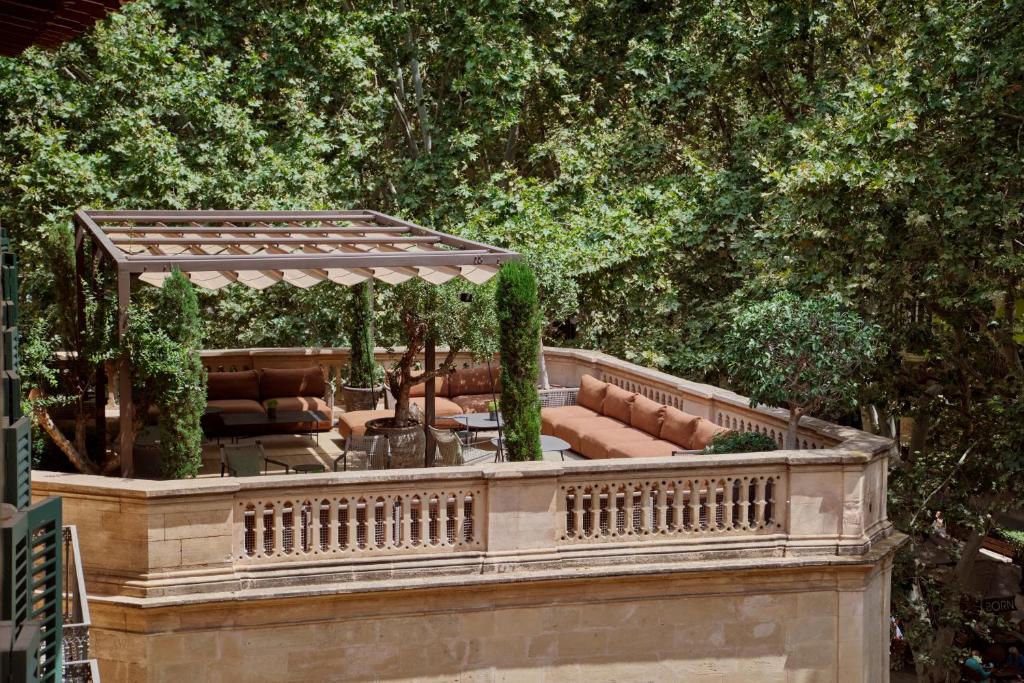
Can Alomar Hotel
Just 70 m from Passeig des Born, with a sun terrace and a small hydro-massage pool for hot afternoons. Its restaurant combines Japanese, Peruvian and Mediterranean cuisine, and the suites sleep up to three people with a sofa bed. The garage is paid and must be reserved, and breakfast isn’t included.
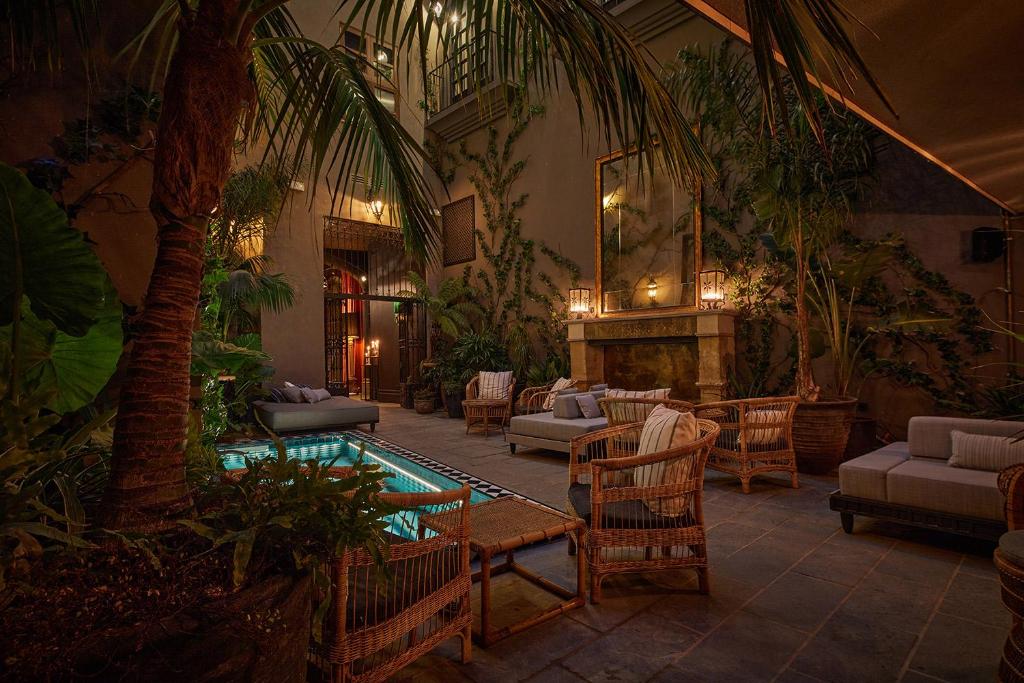
Palma Riad - Adults Only
Adults only, with spacious suites featuring a bathtub and views of the inner courtyards or the city. The Born is 190 m away and Plaza Mayor is 350 m away, making this a convenient base for a couples’ getaway. There’s no parking, and breakfast costs extra.
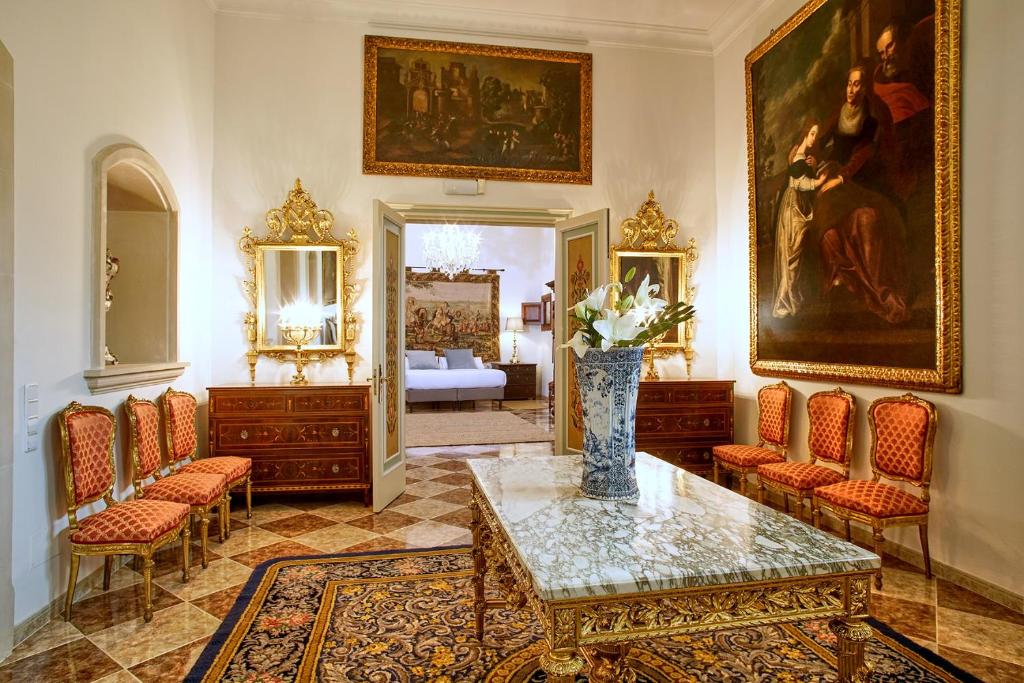
Casa Delmonte - Turismo de Interior
An adults-only hotel beside the church of La Missió, 200 m from Plaza Mayor, with a garden and terrace—a green retreat in the heart of the city. Rooms sleep two or three, so it isn’t suitable for groups. There’s no private parking either.
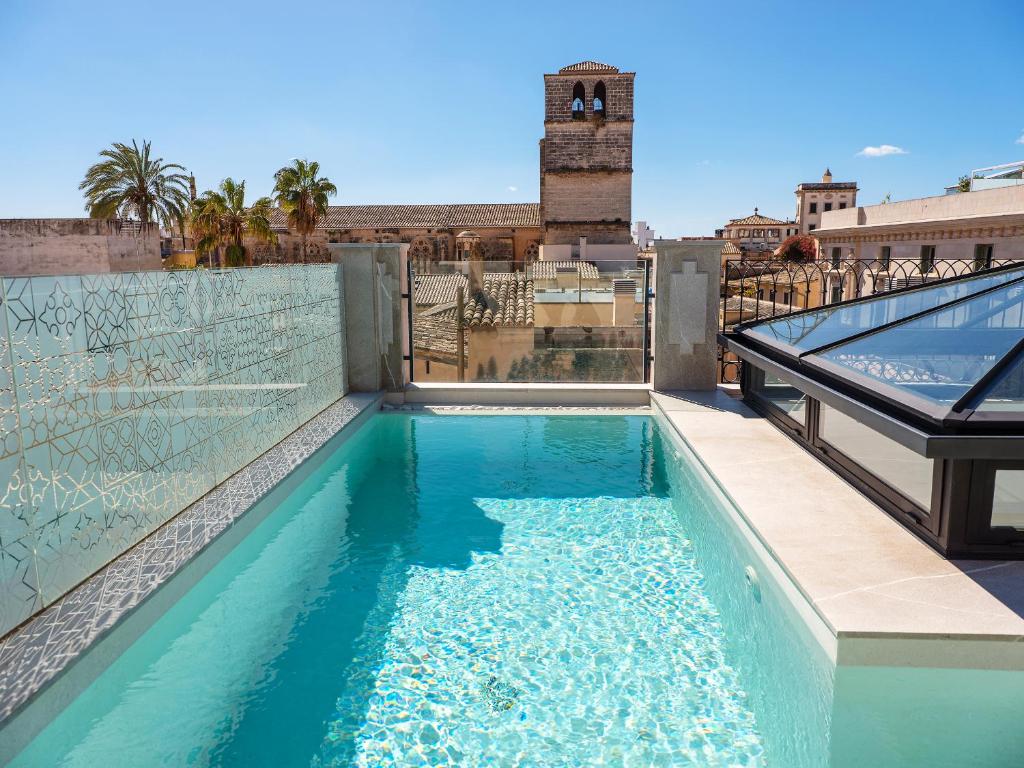
Hotel Gloria de Sant Jaume
A lovingly restored 19th-century building, with exposed beams and traditional patterned tile floors, 500 m from the Cathedral. It has an indoor pool, sauna and steam room, as well as a restaurant and bar. Massages and treatments cost extra, and parking is off-site.
By the sea, in Ciutat Jardí
If you’d rather wake up close to the sand and cook at home, the east of the city offers a different, more residential side of Palma. This is our pick for groups and families.
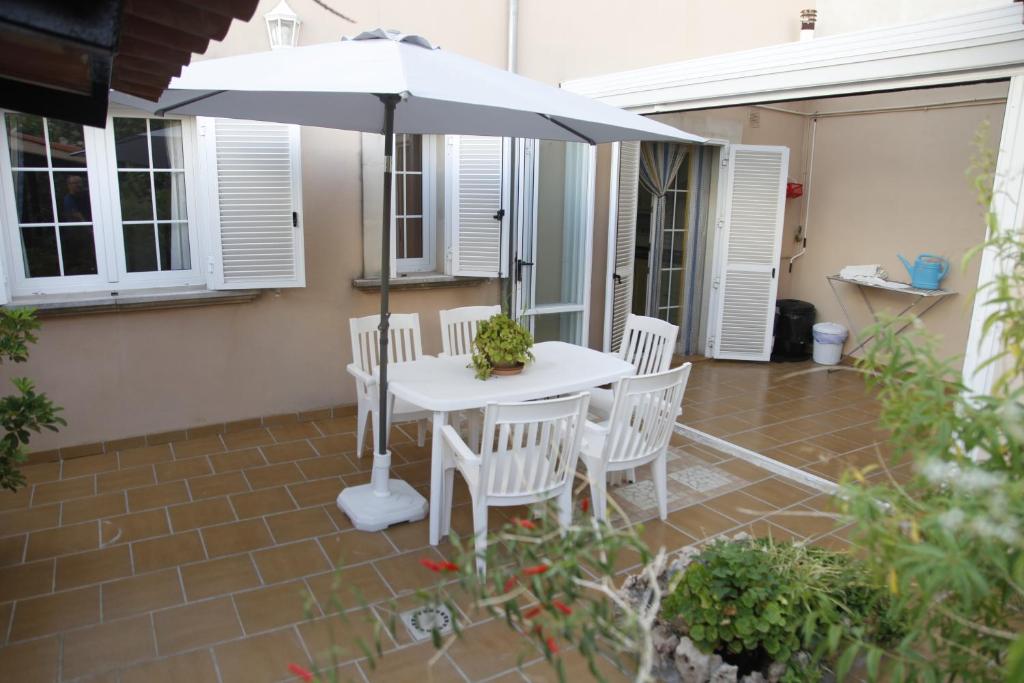
Hermanos Gallego ETV9492
A 200 m² house with four bedrooms for up to eight people, a garden, terrace, balcony and barbecue, 600 m from Ciutat Jardí beach. The kitchen is fully equipped, with an oven and dishwasher. Before booking, note that parking is public and can’t be reserved, free internet is available by cable only in the communal areas, and the person checking in must be at least 25 years old.
What to see in Palma
Start at the Cathedral of Mallorca, La Seu, with its enormous rose window and contributions by Gaudí and Miquel Barceló, then visit the Royal Palace of La Almudaina next door. From there, Sa Calatrava leads to the Arab Baths and the courtyards of the noble houses.
To the west, the circular Bellver Castle overlooks the bay from the woods; and in the Sant Pere bastion you’ll find Es Baluard, the contemporary art museum. Further on, in Cala Major, the Fundació Pilar i Joan Miró preserves the painter’s studios.
For the afternoon, head to the Santa Catalina Market and the windmills of Es Jonquet. For a swim, try the city beach of Can Pere Antoni beside Parc de la Mar, or walk along the seafront from Portixol towards Ciutat Jardí.
When to visit Palma
Spring and autumn are the best seasons for walking, with mild days and the sea still pleasant in October. Summer is hot and the centre gets crowded; from 2027, though, an agreement with cruise lines will bring the daily average number of cruise passengers down to 7,500 from June to September, while keeping the limit of three ships per day.
Winter is mild and when the city feels most local. On the night of 19 January, the eve of Sant Sebastià, Palma’s patron saint, the central squares fill with concerts and bonfires for grilling butifarró and longaniza sausages. In September, Nit de l'Art opens the galleries for one night.
Getting there and getting around
Son Sant Joan Airport is about 8 km from the centre. The EMT A1 bus connects it with the city and, since January 2026, you can pay for your ticket on board with a bank card; the old prepaid airport tickets are no longer valid.
By sea, the port receives ferries from mainland Spain and the other islands. Find all the options in our guide to getting to Mallorca.
You can explore the centre on foot, while city buses serve the neighbourhoods and beaches. Intercity buses, trains heading inland and the historic wooden Sóller Train, which crosses the Tramuntana mountains, all depart from Plaza de España. A note for winter: last season, the train stopped running from late November 2025 to February for maintenance, so check the dates. If you’d like to stay there, see our places to stay in Sóller.
Palma is just the beginning: our guide to where to stay in Mallorca covers the rest of the island, while our guide to where to stay in the Balearic Islands takes in the whole archipelago. For a long beach, read where to stay in Playa de Palma; for mountains and orange groves, see where to stay in Sóller.
Frequently asked questions
Answers to the questions we hear most from people planning a few days in Palma.
What’s the best area to stay in Palma de Mallorca?
For a first visit, choose the old town. From around the Cathedral, the Born or Plaza Mayor, you can walk to monuments, museums and restaurants, and you won’t need transport at night. Santa Catalina is a good alternative if you’re interested in food and a neighbourhood feel. If you’re travelling with children and the beach is a priority, Portixol and Ciutat Jardí put the sea within walking distance and are still well connected by bus.
Can you drive to hotels in the old town?
With some restrictions. Much of the historic centre has restricted vehicle access, and none of the hotels we recommend there offers free parking. Some have their own garage or a nearby one, for a fee and with advance booking; elsewhere, you’ll need to use a public car park. If you’re only getting around the city, leave the car behind and rent one for day trips.
How do you get from Palma Airport to the city centre?
The cheapest option is the EMT A1 bus, which connects Son Sant Joan Airport, about 8 km away, with the centre. Since January 2026, you can pay for your ticket with a bank card when you board, and the old prepaid airport tickets are no longer valid. If you arrive late or with a lot of luggage, taxis are available in the arrivals area.
Are there adults-only places to stay in Palma?
Yes, and they’re popular with couples, especially in the centre. Our selection includes two: Casa Delmonte, with a garden and terrace near Plaza Mayor, and Palma Riad, with spacious suites just steps from the Born. If you’re travelling with children, look for hotels with two-bedroom suites or apartments, or choose the garden house we recommend in Ciutat Jardí.
When is the best time to visit Palma?
Spring and autumn offer the best balance: pleasant weather for walking, open terraces and fewer people than in summer. Summer is hot and busy, although from 2027 the cruise passenger limit between June and September will be stricter. Winter is mild and quiet; the liveliest night is the eve of Sant Sebastià, on 19 January, with concerts and bonfires in the squares.
What day trips can you take from Palma?
Palma is a good base for exploring the island without changing accommodation. The Sóller Train leaves from Plaza de España and crosses the Tramuntana mountains to the orange-growing valley. Buses to many villages and beaches leave from the intermodal station, and by car you can quickly reach Valldemossa, Deià or the coves in the southwest. In winter, check the train timetable.