Español
 English
 Français
 Deutsch
 Italiano
 Nederlands
 Português
 日本語
 中文
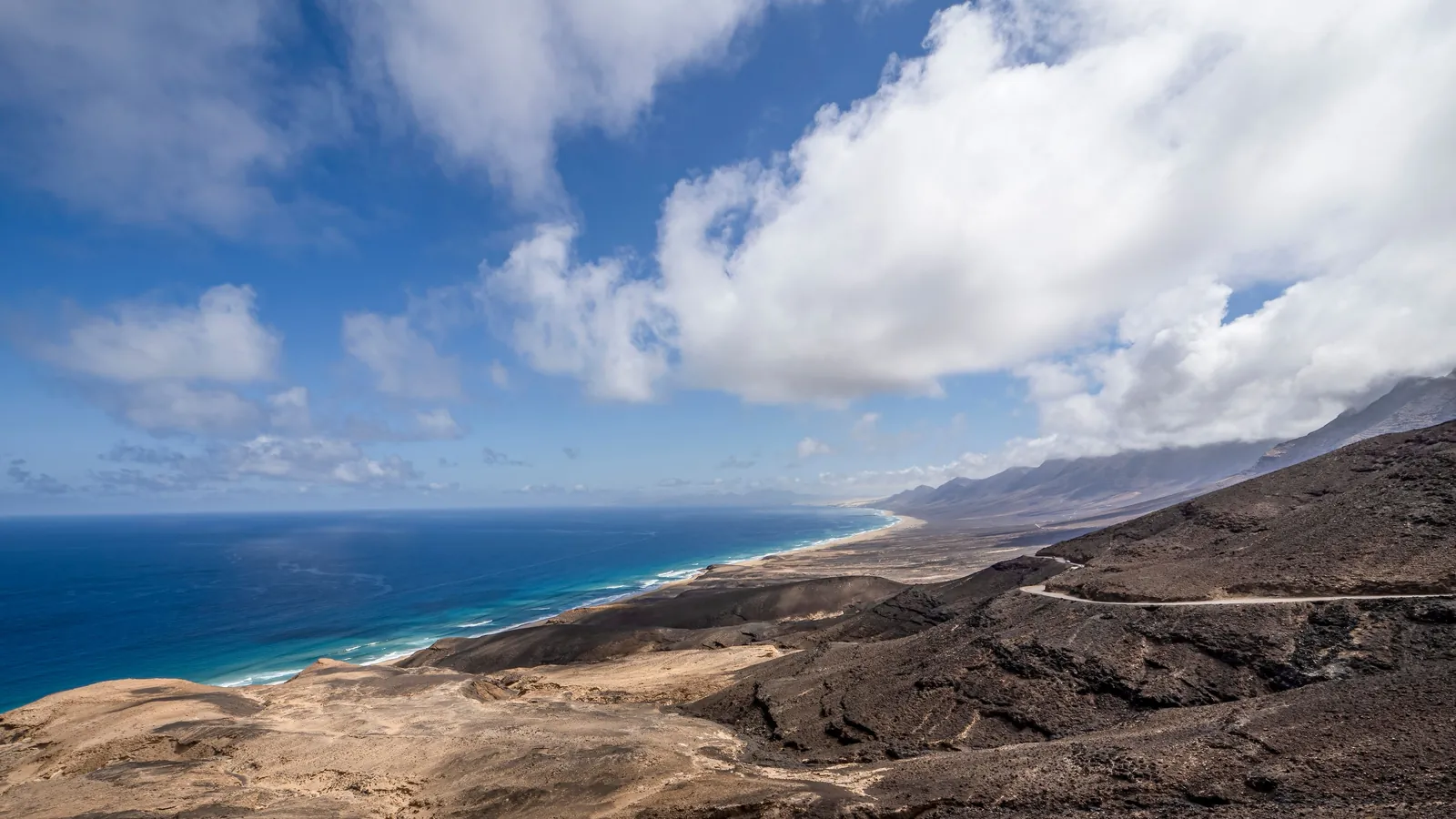
Fuerteventura is the Canary Island of beaches: around a hundred kilometres from north to south, sandy shores along almost every coastline, and an interior of weathered volcanoes and ochre plains. The whole island has been a Biosphere Reserve since 2009, and the trade winds, which blow almost every day, set the pace of a holiday here.
Deciding where to stay in Fuerteventura is, above all, a choice between north and south, and between a lively village and a house with a pool. Here’s what each area is like and the places we’ve hand-picked one by one, including their drawbacks. You can find the full selection of places to stay in Fuerteventura.
One thing to know before you start: houses are the mainstay here. More than half of our hand-picked stays on the island are villas and almost a third are holiday homes; small hotels are in the minority.
How to choose an area in Fuerteventura
Driving from the far north to the far south takes well over an hour and a half, so your choice of area has a big impact on your days. These are the main areas to stay:
- The north: Corralejo, Lajares, La Oliva and El Cotillo, with dunes, surfing and boats to Lobos and Lanzarote.
- The central east: Caleta de Fuste, near the airport, with a sheltered beach and golf courses, and Puerto del Rosario, the capital.
- The south: Costa Calma and Morro del Jable, on the Jandía Peninsula, with the longest beaches and the most turquoise water.
- The interior: Betancuria, Antigua and Villaverde, quiet villages with country houses and villas among farmland.
For a first visit, Corralejo is the most well-rounded base and the only place where you can spend several days getting around on foot. With young children, Caleta de Fuste means less driving; if vast beaches are your priority, the south is worth the longer journey from the airport. Lajares and La Oliva work well for those hiring a car and preferring a village to a tourist resort.
Where to stay in Corralejo
Corralejo, in the municipality of La Oliva, is the liveliest village in the north: a former fishing port with a main street full of bars and restaurants, and daily boats to Lobos and Playa Blanca, in Lanzarote. South of the town centre begins the Corralejo Natural Park Dunes, a sea of white sand stretching down to beaches with remarkably clear water.
It has the island’s widest choice of places to stay: urban beaches, surf and kite schools, and a lively nightlife that doesn’t go overboard. The downside is noise on the main street at weekends, so check the exact location.
We’ve picked two very different places here: one for light travellers and the other for families or groups looking for a house with a pool.
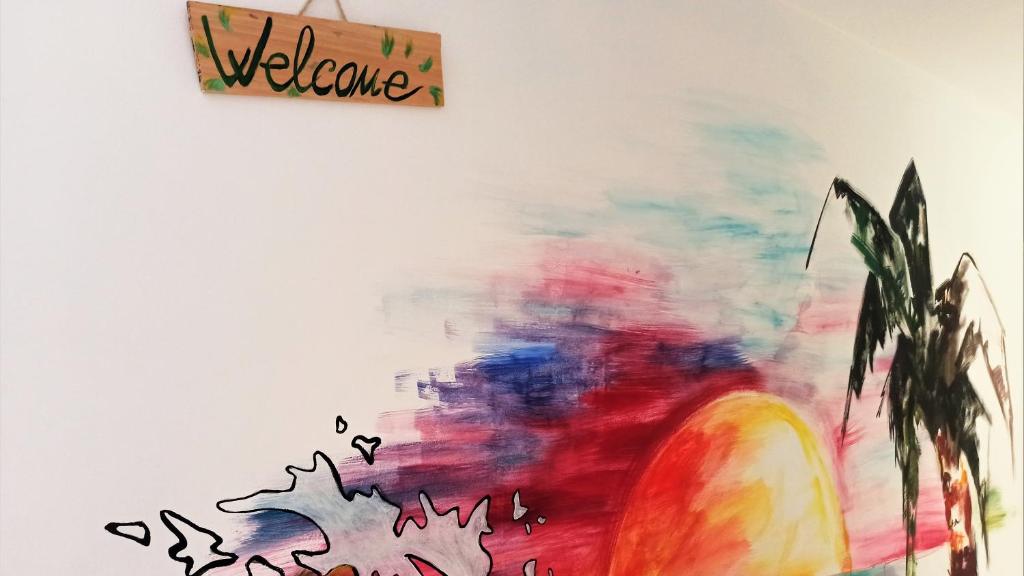
The Spot House
A simple, adults-only hostel for surfers and travellers who put location first: Charco de Bristol is around 250 metres away and Corralejo Beach is 300 metres away. There’s a shared kitchen, coffee makers in the rooms and bike hire. Bathrooms are always shared and parking is public.
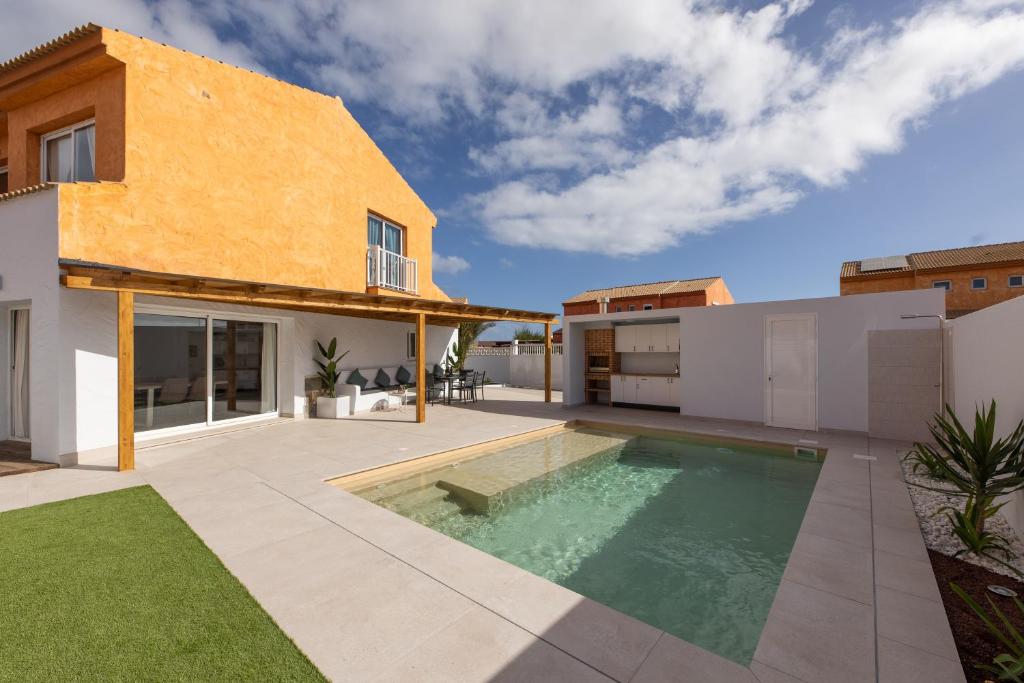
Casa Nahia
A 360 m² villa with three bedrooms, three bathrooms and space for six, a private pool, a terrace overlooking the garden and free private parking. Pets are allowed free of charge on request, which is unusual. Watch out for the extras: pool heating, mid-stay cleaning, and changes of sheets and towels cost extra.
Where to stay in Lajares
Lajares is a small village in the north of the island, halfway between Corralejo and El Cotillo. It has become a haven for surfers and anyone looking for a slower pace. There are cafés, surf shops, a chapel and low houses among volcanic stone walls, with Calderón Hondo volcano and its trails just a short walk away.
Staying here means quiet nights and beaches a 15-minute drive away: the waves of El Cotillo to the west or the dunes of Corralejo to the east. It’s not very practical without a car, and the choice of restaurants is limited, though carefully curated.
Our two picks in Lajares are both adults-only and have free private parking:
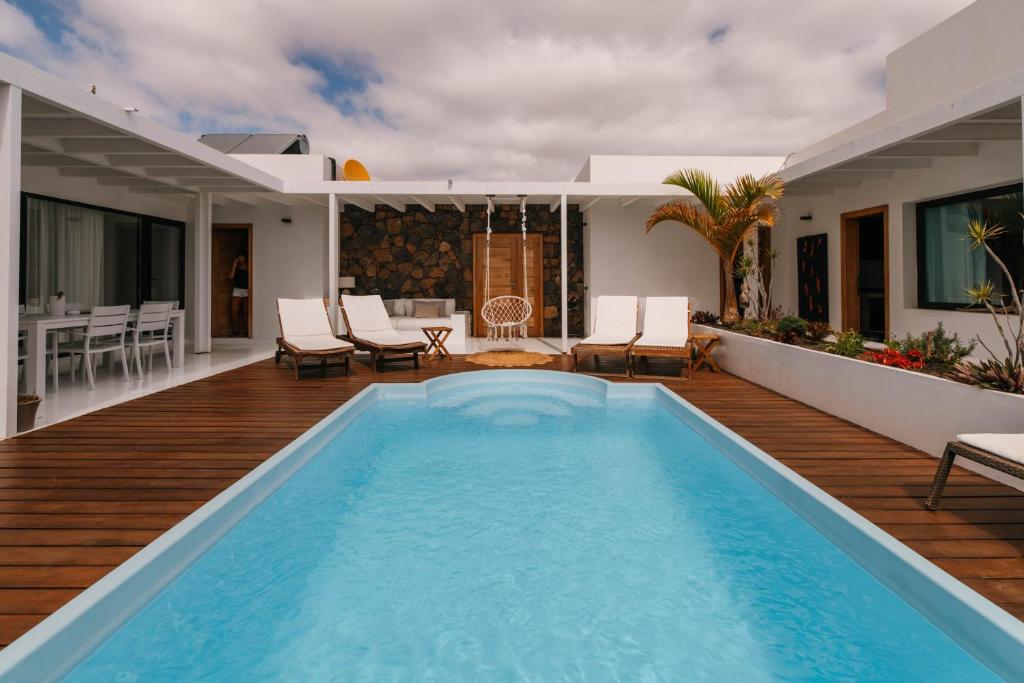
Villa Shepherd Lajares - LUXURY VILLA FUERTEVENTURA
Rooms with mountain or outdoor-pool views, gardens to lounge in and a 350 m² villa for groups of up to eight. A good base for walking or cycling around the area. You need to check in before 20:00, and parties and hen or stag dos are not allowed.
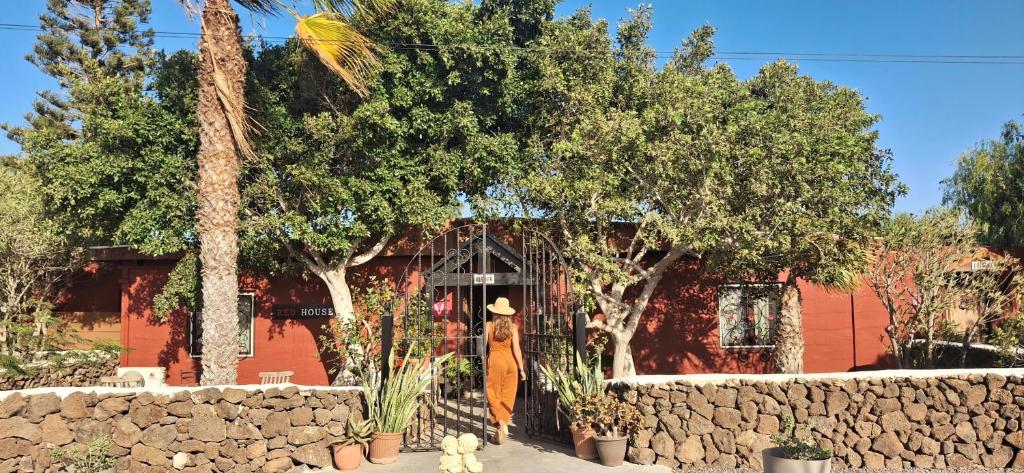
Villa Lajares Red House Fuerteventura
Two independent villas just steps from the Chapel of San Antonio de Padua: one with one bedroom and 64 m², ideal for couples, and another with three bedrooms and 95 m² for six adults. Both have a kitchen, terraces and a garden. Check-in is between 15:00 and 21:30; let them know your arrival time in advance.
Where to stay in La Oliva
La Oliva lends its name to the municipality that includes Corralejo, El Cotillo and Lajares, but the village itself is another world: whitewashed houses, the Church of Nuestra Señora de la Candelaria and the Casa de los Coroneles, an 18th-century mansion from which the island was governed militarily. A few kilometres away rises Tindaya Mountain, sacred to the ancient inhabitants of Fuerteventura.
It’s a quiet, central base in the north, around 20 minutes from Corralejo and El Cotillo. It suits families or couples who want a house with a garden and mountain views, away from the tourist crowds; the trade-off is that you need a car for everything.
These are the two houses we’ve picked in the village, both with free private parking:
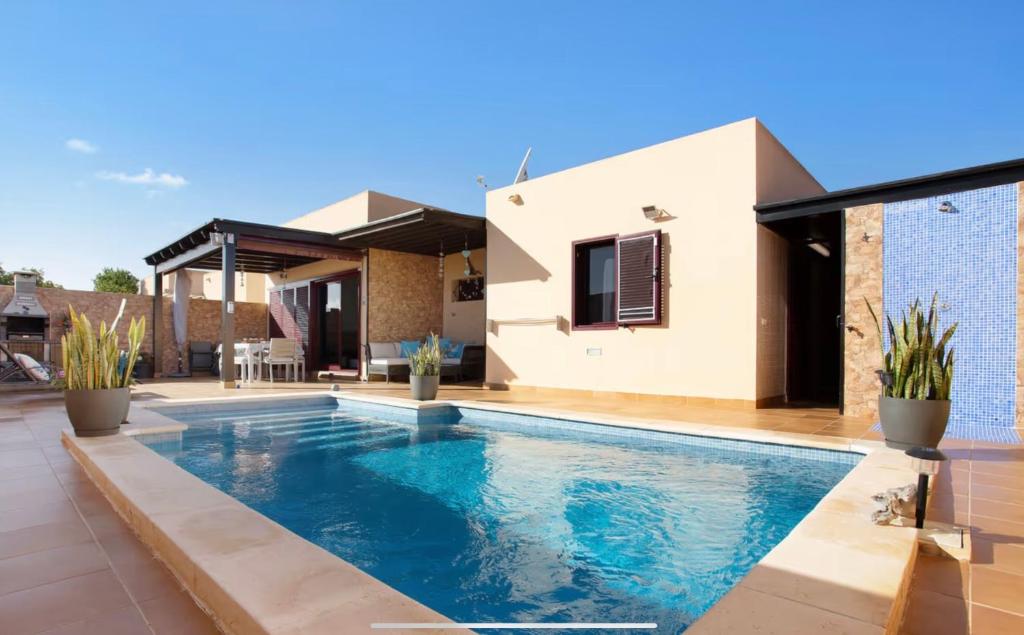
Villa Amistad
A 250 m² home all to yourself, with a private pool, garden and terrace, two bedrooms, two bathrooms and a high chair for little ones. The kitchen has an oven, hob and microwave. It’s a place to relax: parties aren’t allowed, and guests are asked to keep the noise down between 22:00 and 8:00.
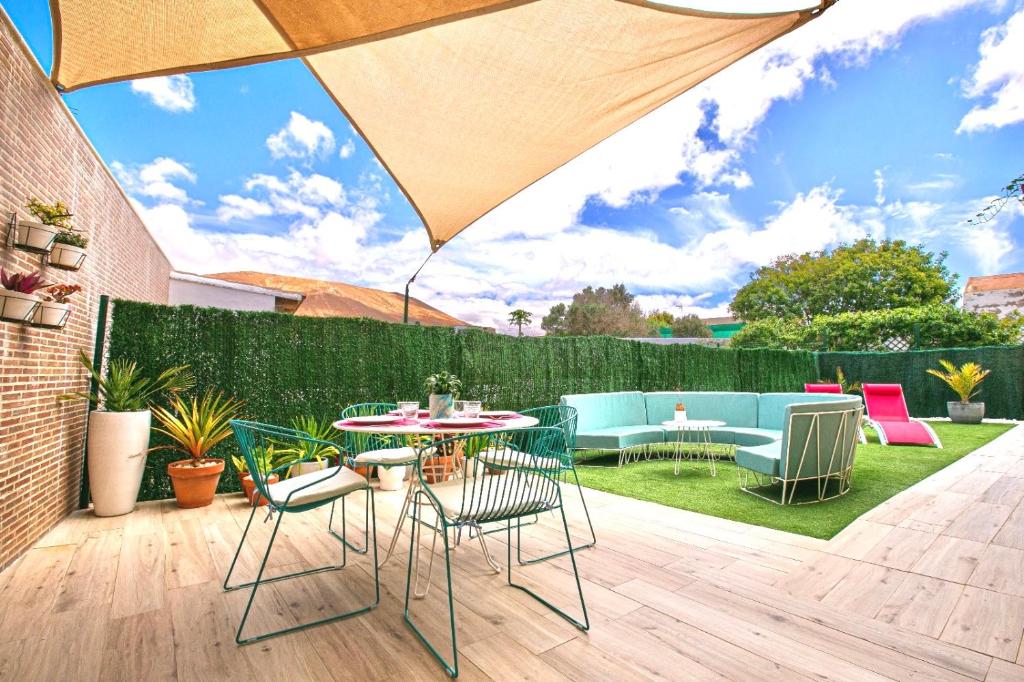
CASA MIMAR moderna y acogedora
A modern two-bedroom home with bunk beds and a high chair, for families who want to cook at home: there’s an oven and dishwasher. The terrace looks out to the mountains, there’s a garden, and the Wi-Fi reaches throughout the house. The minimum stay is four nights, and you need to arrive before 22:00.
Where to stay in Caleta de Fuste
Caleta de Fuste, in the municipality of Antigua, is a resort built around a bay of golden sand and very calm water, with a small marina. Beside the beach stands the Caleta de Fuste Castle, an 18th-century defensive tower, while the Salinas del Carmen saltworks and their museum are to the south.
Its main advantage is its proximity to the airport, around a ten-minute drive away, and a beach that’s perfect for young children. There’s a seafront promenade and two golf courses; what it lacks is village character, as almost everything is made up of resorts and housing developments.
In Caleta, we’ve picked a house within walking distance of the beach and a villa near the golf course:
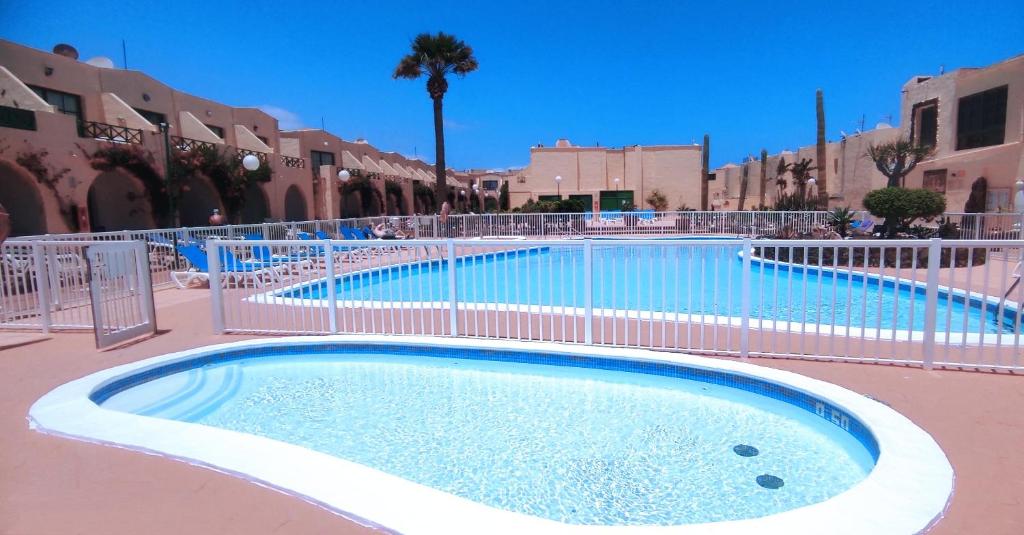
Castillo Mar 95
A house around a five-minute walk from Castillo Beach, with a fully equipped kitchen, a terrace overlooking the garden, a children’s pool and a play area. The Wi-Fi is fast and pets are allowed. The upper floors are only accessible by stairs, and guests are asked to respect quiet hours from 22:00 to 8:00.
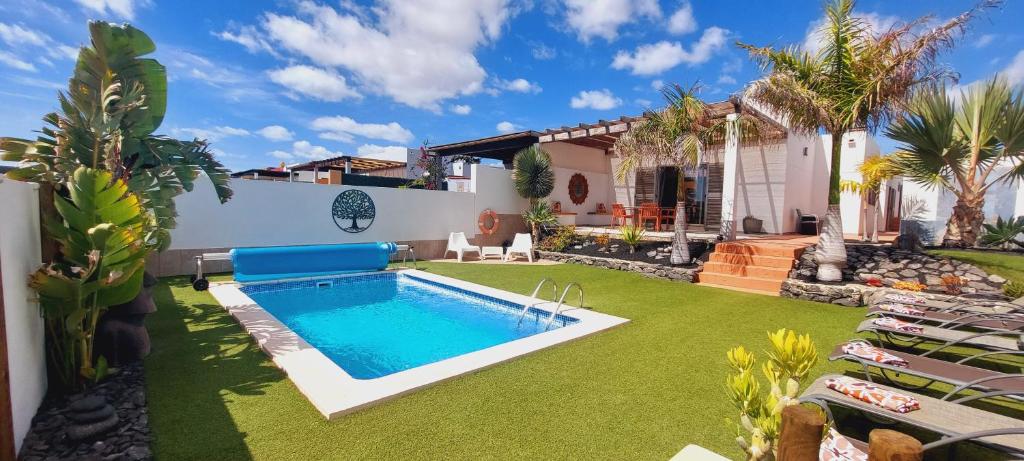
Villa Del Corazon Salinas Golf
Three bedrooms and two bathrooms for up to six people, a heated private pool, a garden and a terrace with sea views. Salinas de Antigua Golf Course is around 600 metres away, and private parking is free. One thing to note: Wi-Fi is only available in the communal areas, and the pool is only open in season.
Where to stay in Costa Calma
Costa Calma marks the entrance to the Jandía Peninsula: a strip of houses and hotels between a belt of planted trees and a turquoise sea. From here, you can explore the Sotavento beaches, kilometres of sand with a lagoon that appears and disappears with the tide, and a regular venue for international windsurfing and kitesurfing events.
It’s a quiet area without Corralejo’s nightlife, for anyone after long beaches, wind sports and walks along the shore. It’s just over an hour from the airport.
We’ve picked two homes for very different trips, from a couple’s getaway to a large group:
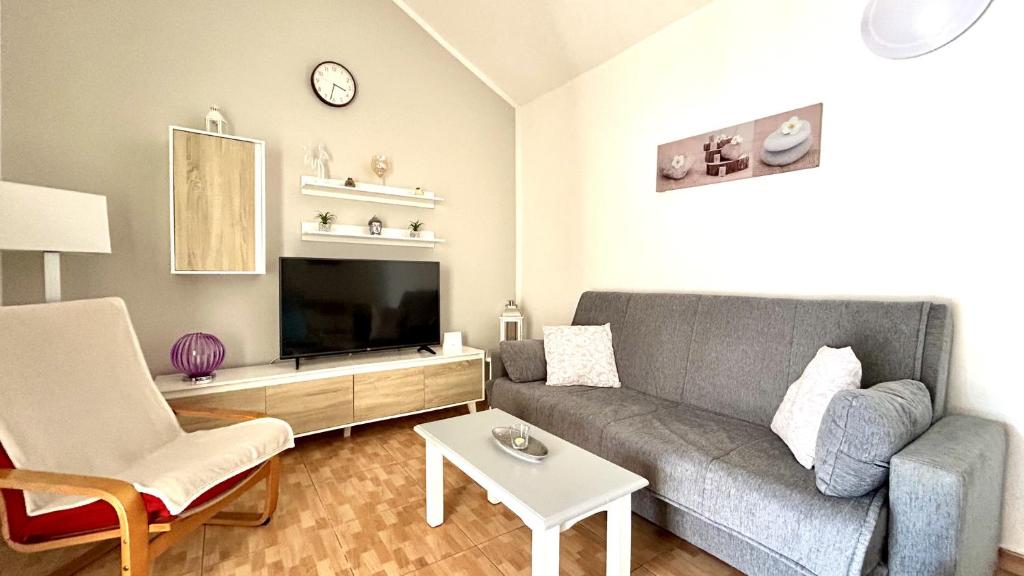
Rio Sol - Oasis de Privacidad
A small 45 m² home with a bedroom and sofa bed for up to three people, a patio and a terrace overlooking the garden. Costa Calma Beach is around 400 metres away, and the kitchen means you can make your own meals. There’s no parking, and guests are asked to let the owners know their arrival time in advance.
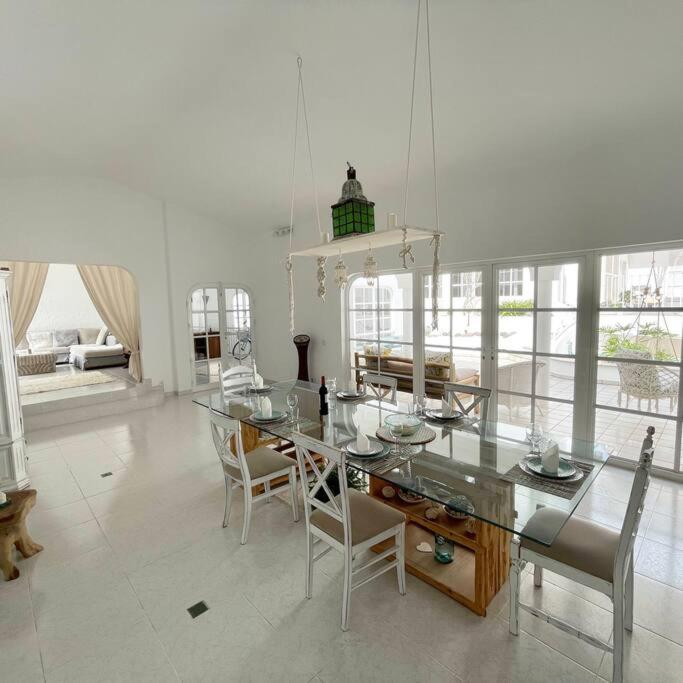
Große sonnendurchflutete Wohnung
A spacious 250 m² home with four bedrooms and room for eight, a patio, terrace and kitchen with a dishwasher and oven. Costa Calma Beach is around 800 metres away and Matas Blancas Beach is a kilometre away; pets are allowed. Parking is public and free, and guests are asked to keep the noise down from midnight to 8:00.
Where to stay in Morro del Jable
Morro Jable, as it’s known on the island, is Fuerteventura’s southernmost village and one of the few places in the south with a life of its own: a fishing port, an old quarter on the hillside and a promenade opening onto Matorral Beach, with its lighthouse and protected salt marsh. Ferries to Gran Canaria leave from the port.
It’s the best base for exploring the far end of Jandía, with Cofete and Punta de Jandía at the end of unpaved tracks. It’s also the area where a hotel with services makes more sense than a house; the trade-off is that the airport is more than 80 kilometres away.
That’s why we’ve picked an aparthotel and a hotel here, both close to the sand:
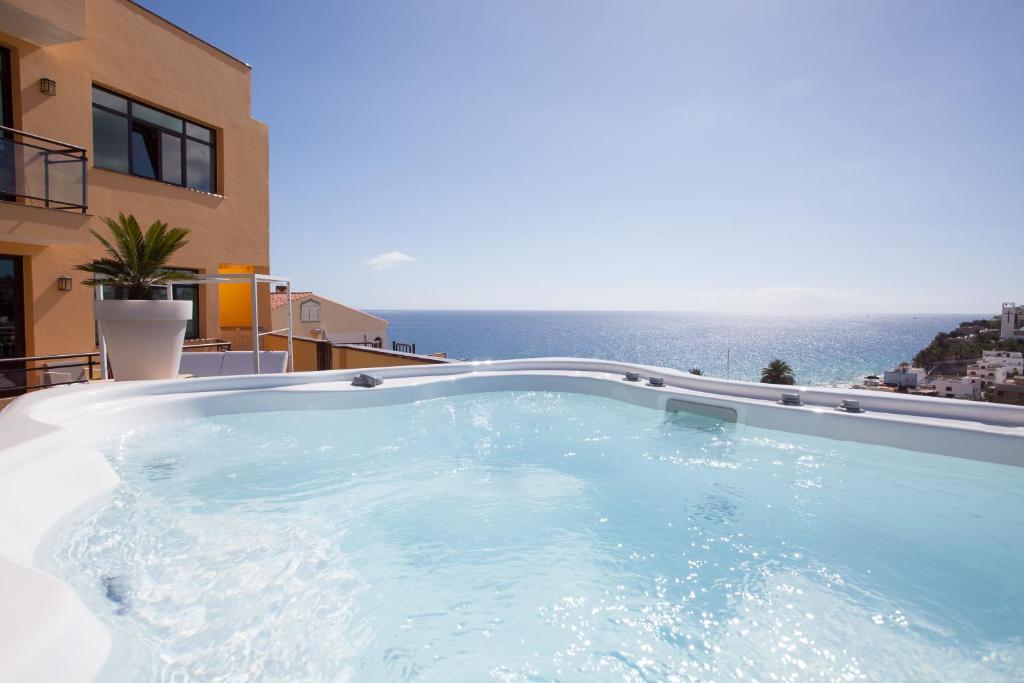
Villamar Hotel
A three-star aparthotel around 150 metres from the beach, with apartments that have a separate bedroom, sofa bed, kitchen and balcony, for up to three people. There’s a gym and a hot tub. The upper floors are only accessible by stairs, and the public parking has no reserved spaces.
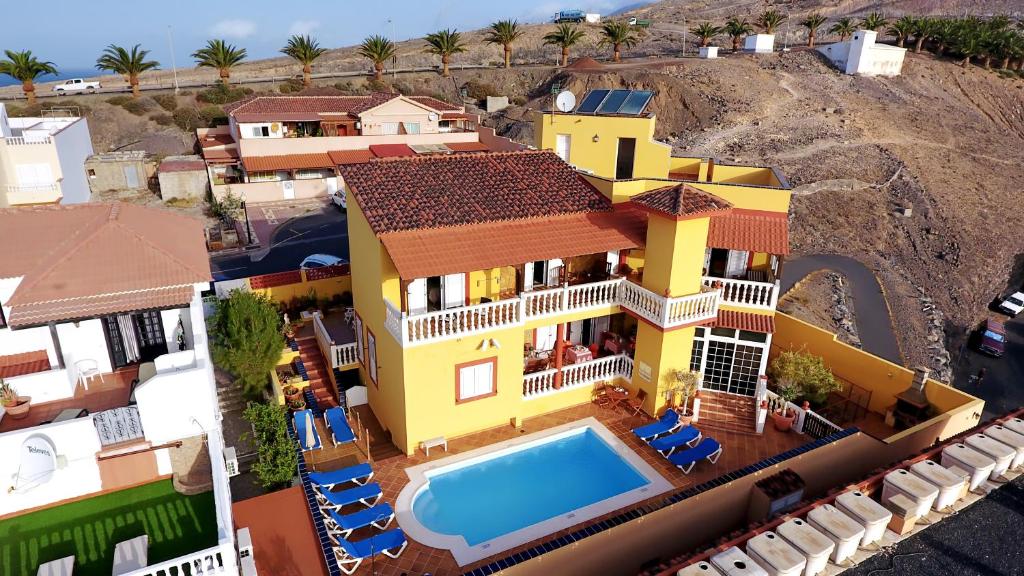
Hotel La Colina
A four-star hotel around 300 metres from the beach, with an outdoor pool, garden, hot tub and rooms with terraces and sea views. There’s a buffet breakfast, Wi-Fi throughout the hotel and free private parking. Rooms accommodate a maximum of four people, and the bus station is around 800 metres away.
Other areas of Fuerteventura
El Cotillo, on the west coast, is a fishing village with calm-water lagoons to the north, surf beaches to the south and some of the island’s best sunsets.
Villaverde, between Corralejo and La Oliva, and Antigua, in the centre of the island, have country houses and villas with pools among farmland. Puerto del Rosario, the capital, is practical for short stays or work trips, while Las Playitas, in the southeast, is a small, unhurried fishing village.
What to see in Fuerteventura
In the north, start with the Corralejo Dunes and the islet of Lobos, around 15 minutes by boat from Corralejo, with Montaña de la Caldera and La Concha Beach. Lobos is a natural park: you need to request permission in advance from the Island Council to go ashore, as visitor numbers are limited.
In the centre, Betancuria, the island’s first capital, founded in the early 15th century, retains its Church of Santa María in a valley among the mountains. Nearby on the coast, the Ajuy caves reveal some of the oldest rocks in the Canary Islands.
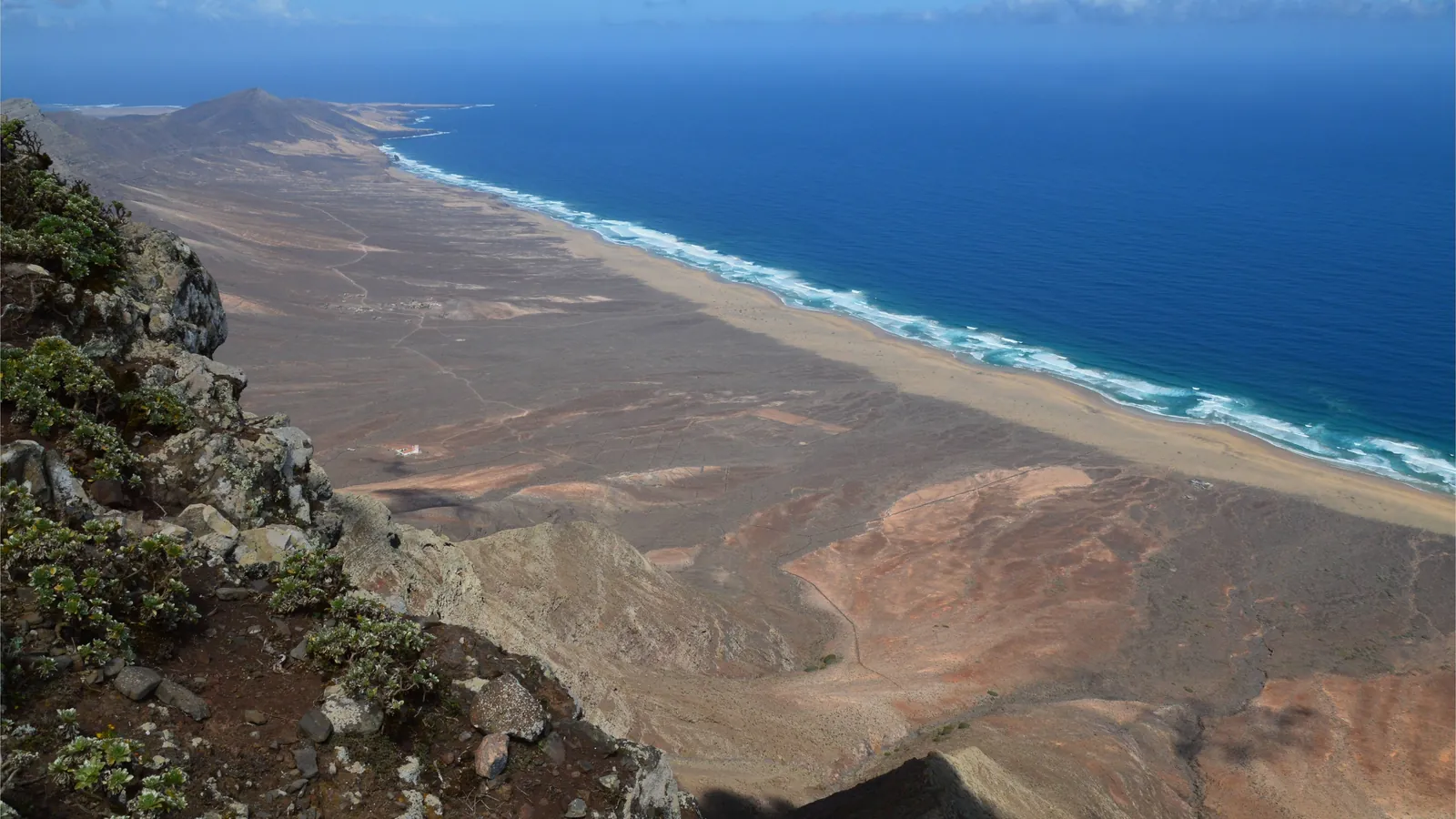
In the south, there’s Cofete, a wild beach with dangerous currents for swimming, reached by a track from Morro Jable, and the Sotavento lagoon. For local food, try Majorero cheese with its designation of origin, kid goat and papas arrugadas with mojo sauce.
When to visit Fuerteventura
Fuerteventura has good weather all year round: winter highs hover around 20-22 degrees, and the trade winds temper the summer heat. The key factor is the wind: it blows hardest between June and August, which is perfect for windsurfing and kitesurfing but less ideal for sunbathing on exposed beaches such as Sotavento.
Spring and autumn are the most balanced seasons, with the water still warm in October. In November, the International Kite Festival fills the beaches of the Corralejo dunes with colour for several days, while demand rises at Christmas and Easter, so book ahead.
Getting to and around Fuerteventura
The airport is in El Matorral, a few kilometres from Puerto del Rosario, and continues to grow: 6,886,935 passengers passed through in 2025, 6.8% more than the previous year and the biggest increase of any Canary Islands airport. There are direct flights from mainland Spain, Europe and the other islands.
By sea, Corralejo connects with Playa Blanca in Lanzarote on a short crossing, and Morro Jable with Gran Canaria. Find all the details in our guide to getting to Fuerteventura.
Once on the island, intercity buses, run by ALSA with the Island Council, connect the capital and airport with the main tourist areas, and 22 new vehicles were introduced in 2025. Even so, a car is the most convenient way to reach the wild beaches. Also in 2025, plans were approved for a motorway between the airport and Pozo Negro, with connections to Caleta de Fuste and a five-year construction period.
Fuerteventura is part of our guide to where to stay in the Canary Islands. If you’ve decided on an area, find out more about where to stay in Corralejo, where to stay in Caleta de Fuste, where to stay in Lajares or where to stay in La Oliva. And if you’re combining several islands, start with how to get to the Canary Islands.
Frequently asked questions
Answers to the questions people most often ask when planning a few days in Fuerteventura.
What is the best area to stay in Fuerteventura?
For a first visit, Corralejo is the most well-rounded option: urban beaches, restaurants, dunes nearby and daily boats to Lobos and Lanzarote. If you’re travelling with young children, Caleta de Fuste is around ten minutes from the airport and its bay has very calm water. If you’re looking for vast beaches and turquoise water, head south to Costa Calma or Morro Jable; if you prefer a village and quiet, try Lajares.
Is it better to stay in the north or south of Fuerteventura?
The north, with Corralejo, Lajares, El Cotillo and La Oliva, is livelier, has more restaurants and a surf culture, and is closer to the airport. The south, on the Jandía Peninsula, offers the longest, quietest beaches, such as Sotavento and Matorral, but is more than an hour’s drive away. If you’re staying for a week, you can split your stay and save yourself a lot of driving.
Do I need a car to get around Fuerteventura?
Almost always, yes. Intercity buses connect Puerto del Rosario and the airport with the main areas, such as Corralejo, Caleta de Fuste and Morro Jable, and work well for straightforward journeys. But beaches like Cofete and the wild stretches of Jandía can only be reached by road or track. If you’re staying in Lajares, La Oliva or an isolated villa, a hire car is essential; in Corralejo, on the other hand, you can spend several days getting around on foot.
When is the best time to visit Fuerteventura?
The island has good weather all year, with highs around 20-22 degrees in winter and summers tempered by the trade winds. Spring and autumn are the most balanced seasons, with fewer visitors. The wind blows hardest between June and August, making it ideal for windsurfing and kitesurfing. The International Kite Festival takes place on Corralejo’s beaches in November, and it’s best to book ahead for Christmas and Easter.
Where should I stay in Fuerteventura with children?
Caleta de Fuste is the most convenient area: the beach is sheltered in a calm-water bay, and the airport is very close. Corralejo also works well, with urban beaches and a water park on the outskirts. If you’re travelling with several families, a villa with a private pool in La Oliva or Corralejo gives you space and flexibility. Check the conditions beforehand, as several places in Lajares and a hostel in Corralejo are adults-only.
Can you visit Lobos Island from Corralejo?
Yes. Boats leave from Corralejo harbour and reach the islet in around 15 minutes. It’s a day trip, as there’s nowhere to stay on Lobos. It’s a natural park, and you need to request permission in advance from the Fuerteventura Island Council to go ashore, as visitor numbers are limited. Bring water and sun protection: there’s no shade on the trail around the islet.