Español
 English
 Français
 Deutsch
 Italiano
 Nederlands
 Português
 日本語
 中文
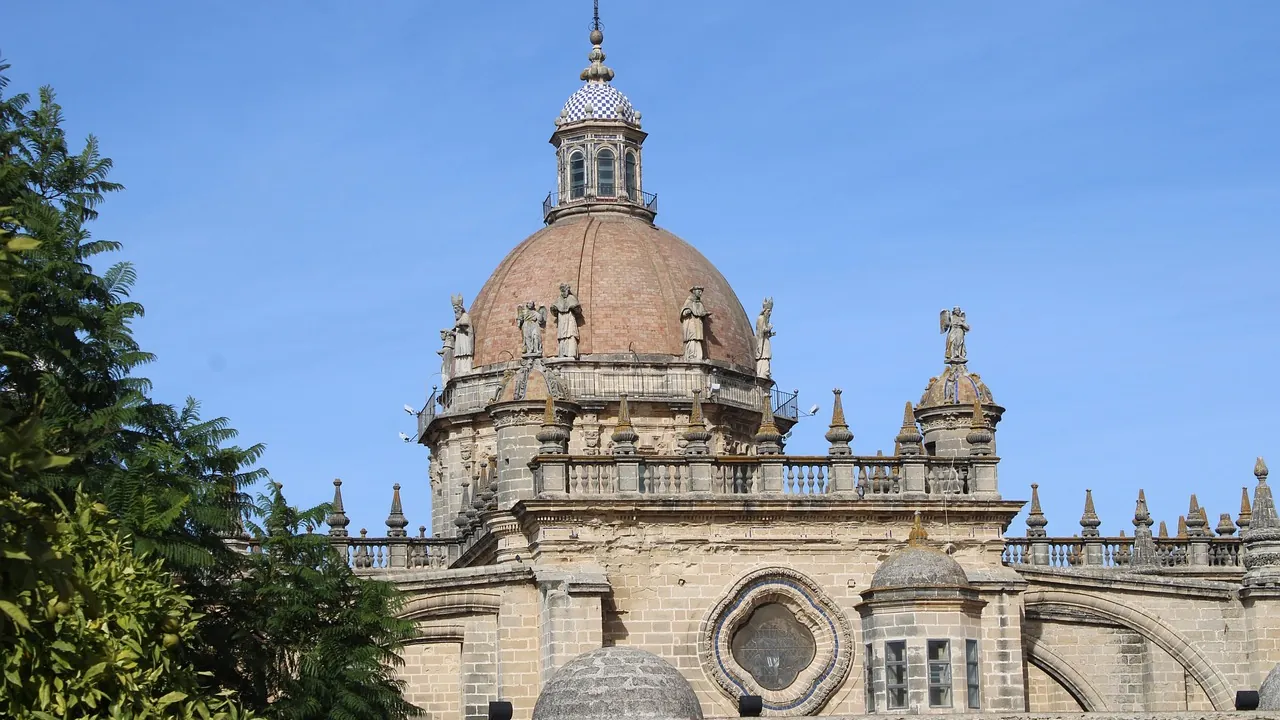
Jerez de la Frontera is the most populous city in the province of Cádiz and the capital of sherry. Life here revolves around three things: bodegas, horses and flamenco, which in the Santiago and San Miguel neighbourhoods is experienced in peñas and tabancos rather than on stage.
Choosing where to stay in Jerez de la Frontera comes down to how much you want to walk and whether you’re arriving by car. Here’s how the city is laid out, along with places to stay that we hand-pick.
How to choose an area
Jerez is flat and easy to explore on foot, but each part has its own pace:
- Cathedral and Alcázar: the monumental heart of the city, surrounded by bodegas. Ideal for a first visit without a car.
- Calle Larga, Plaza del Arenal and the food market: shops, terraces and tabancos. The liveliest stretch during the day.
- Santiago and San Miguel: the flamenco neighbourhoods, with peñas and narrow streets. Full of character, but with few hotels.
- Avenida Álvaro Domecq: the northern extension, near the Royal Andalusian School of Equestrian Art and the Feria grounds. More space.
- The countryside: country estates and rural houses among the vineyards. Only practical with a car.
The old town has narrow streets and few hotels with their own garages, so visitors generally leave their cars in a public car park. The train station is about a fifteen-minute walk from the centre.
Where to stay in Jerez de la Frontera: our picks
These six places range from a bed and breakfast beside the cathedral to a hotel with a pool in the countryside. See our places to stay in Jerez de la Frontera page for more options.
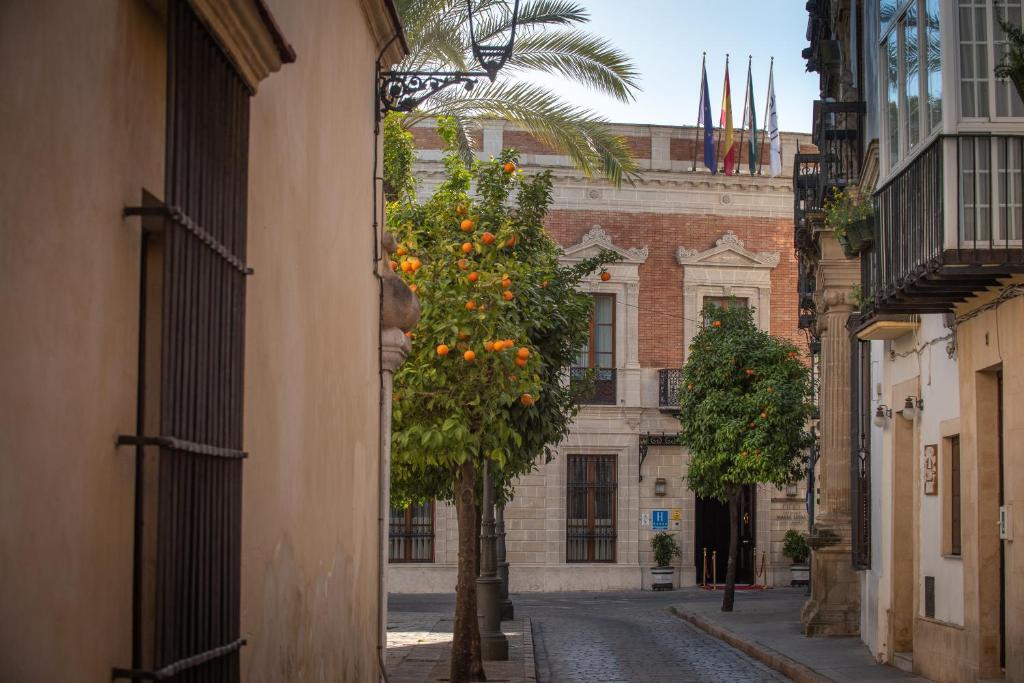
Hotel Casa Palacio María Luisa
A five-star hotel in a town house in the centre, with the Convent of Santo Domingo, the cathedral and the Alcázar all within walking distance. Its suites have a living room, separate bedroom and whirlpool bath. Breakfast is à la carte, and nearby parking is public, paid and must be booked.
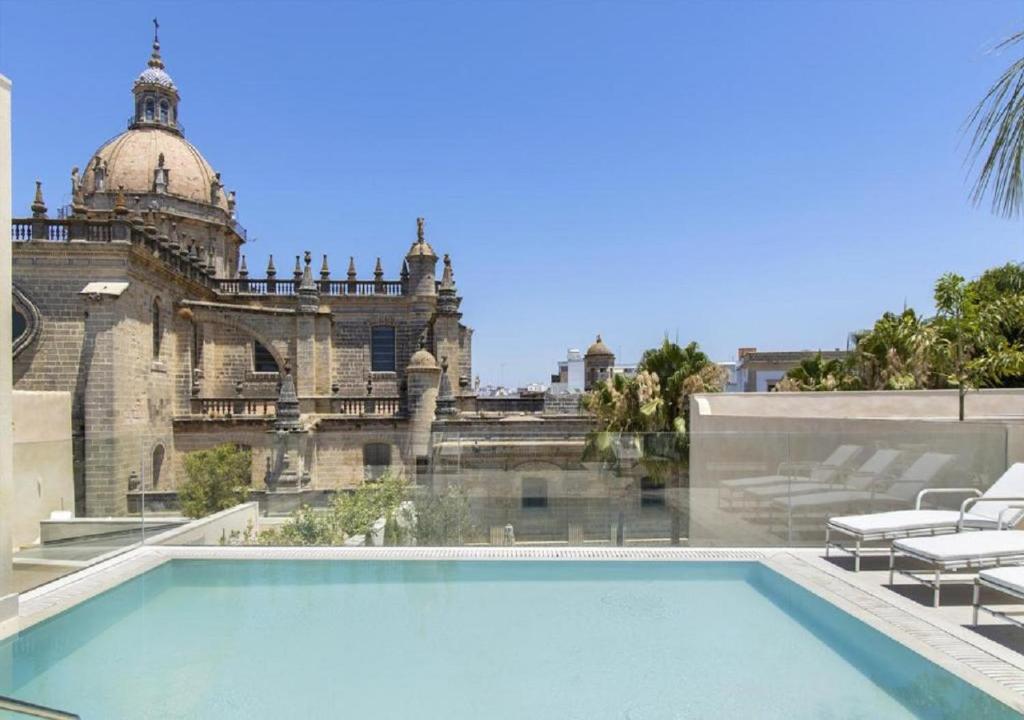
Hotel Bodega Tio Pepe
Connected to the bodega that gives it its name, the hotel is 40 metres from the cathedral and about 200 metres from the Alcázar. It has a restaurant, bar, gym and seasonal outdoor pool, and some suites overlook the city rooftops. There is no on-site parking, and breakfast costs extra.
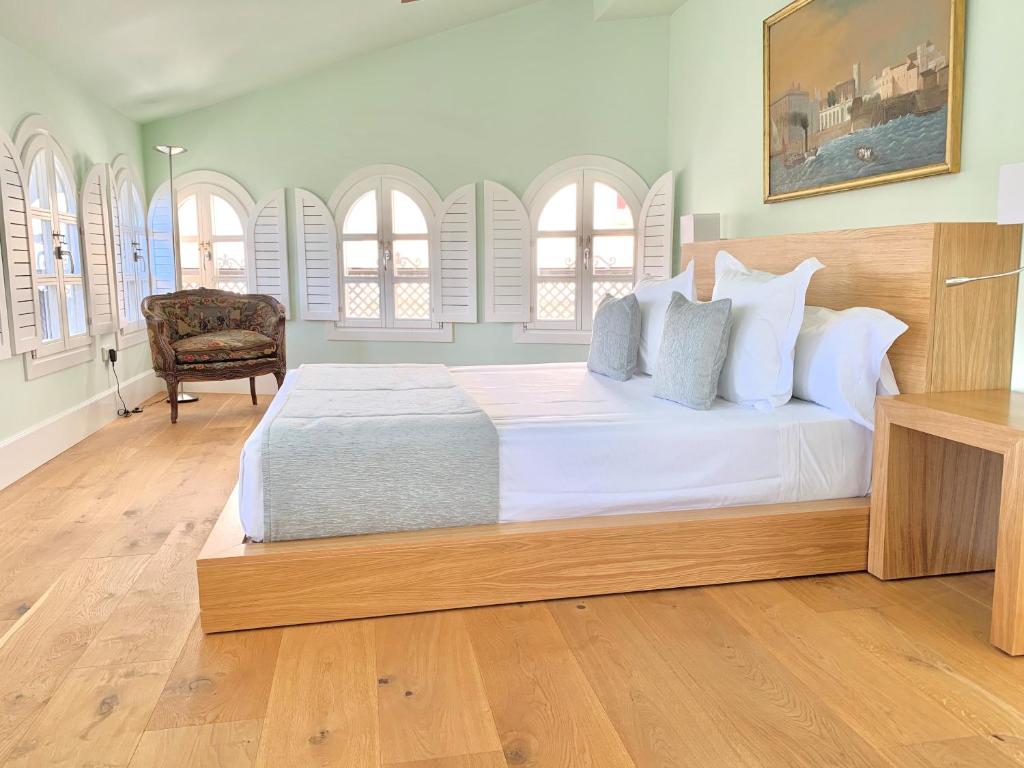
Hotel Boutique Palacio Corredera
150 metres from the food market, in the most commercial part of the centre. There are 45 m² suites with whirlpool baths, as well as others, such as the duplex or family suite, for four people; reception is open 24 hours a day. Adults only, with no parking.
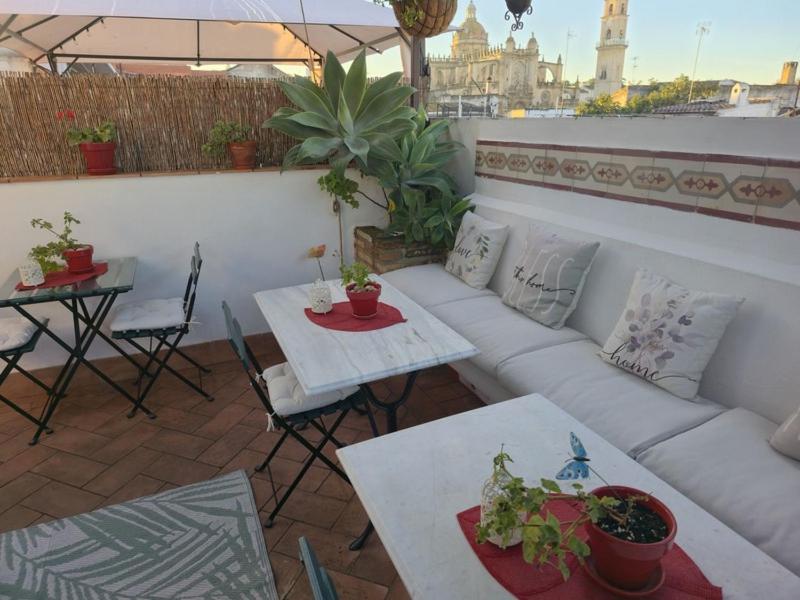
La Gitanilla Alojamiento & Encanto Jerez
Three minutes from the cathedral, with air-conditioned rooms and private bathrooms, plus an attic room with a terrace for those who want more space. Breakfast can be continental or buffet-style. The upper floors are only accessible by stairs, and nearby private parking is paid.
If you’d prefer gardens and a pool, these two options are outside the old town.
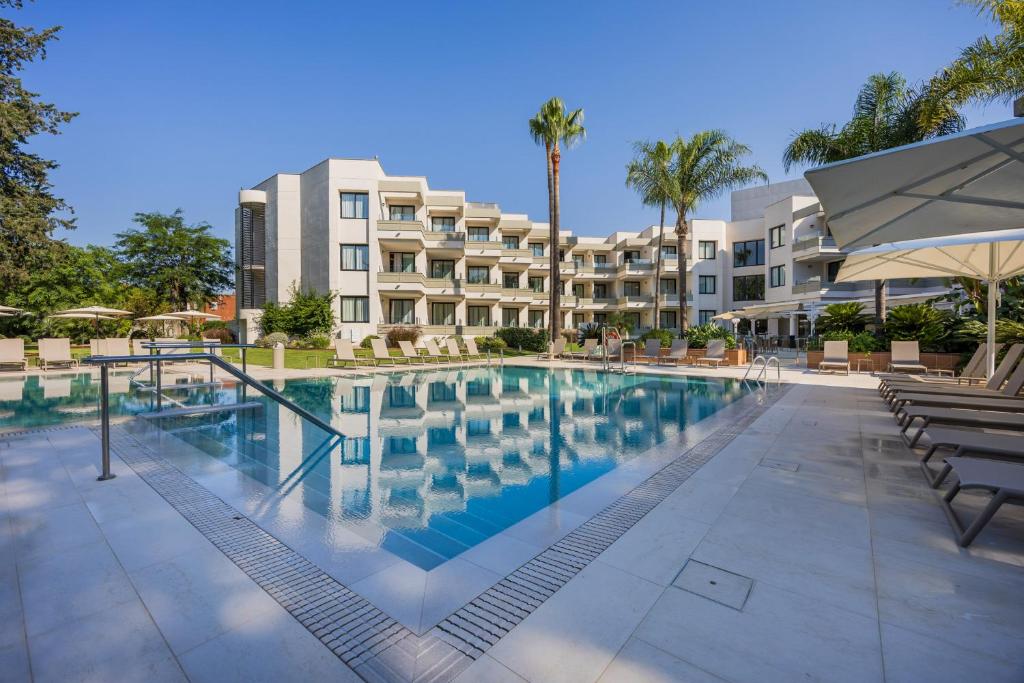
Hipotels Sherry Park
Along Avenida Álvaro Domecq, about a fifteen-minute walk from the historic centre. It has indoor and outdoor pools, a gym, sauna and a restaurant focusing on local wines and vermouths. Handy if you’re visiting for the Feria; public parking is charged by the hour and cannot be booked.
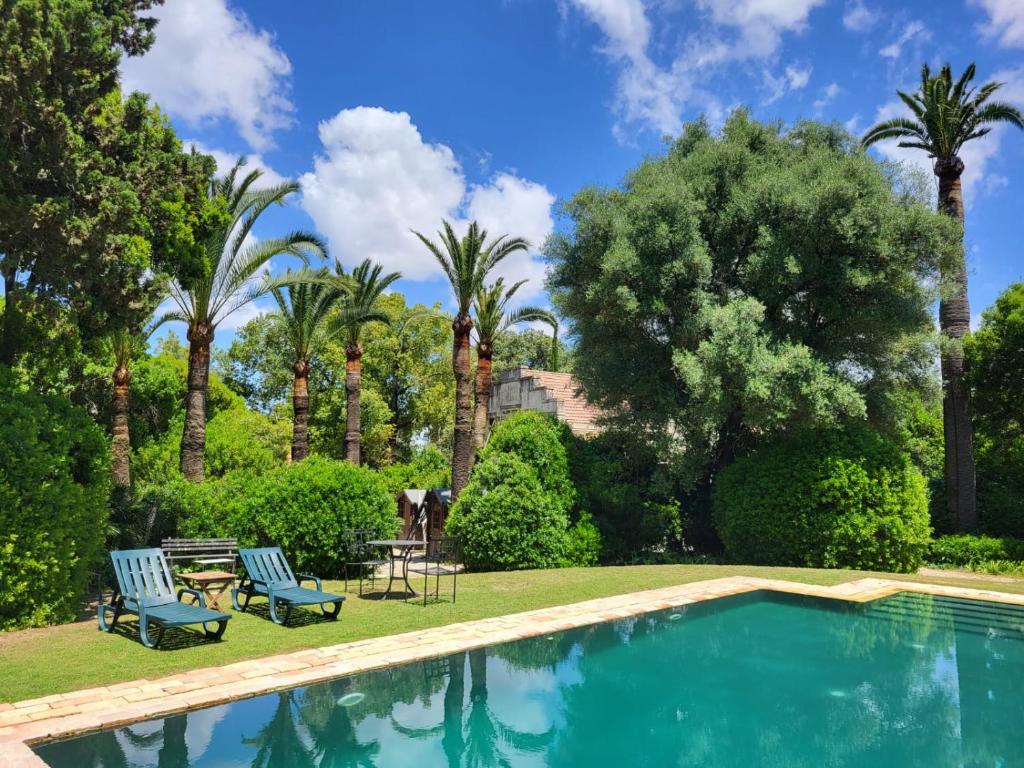
Casa Viña de Alcántara
On the road to Arcos, about eleven kilometres from the centre and close to the race circuit, with a garden, pool, solarium and free private parking. A good fit for those seeking peace and quiet, golf or horse-riding routes. A minimum two-night stay is required, and check-in ends at 20:00.
What to see in Jerez de la Frontera
The Almohad Alcázar, with its mosque, Arab baths and the camera obscura in the tower of the Villavicencio Palace, is the best place to start. The cathedral is just a few steps away, surrounded by bodegas that offer tours with tastings.
The Royal Andalusian School of Equestrian Art offers open training sessions, a carriage museum and, on selected days, the show “How the Andalusian Horses Dance”. In the afternoon, head up to Santiago and San Miguel, birthplace of figures such as Lola Flores, who has her own museum in the city.
Jerez makes a good base for the sherry triangle: El Puerto de Santa María is twenty minutes away, with Sanlúcar de Barrameda a little further on. Inland, Arcos de la Frontera is the gateway to the white villages route.
When to visit Jerez de la Frontera
Spring is the main season. The Jerez Festival holds its 31st edition from 19 February to 6 March 2027, with Teatro Villamarta as its main venue. Holy Week follows, and in May the Horse Fair takes place in González Hontoria Park.
The race circuit hosts the MotoGP Grand Prix each spring, renewed at least until 2031: book well in advance for those dates. Summers are very hot; September brings the grape harvest and December the zambombas in courtyards and squares.
Getting there and getting around
Jerez Airport, a few kilometres to the north, has its own railway stop: the C-1 Cercanías commuter line and Seville–Cádiz regional trains connect it with Jerez station and Cádiz. Direct trains from Madrid also stop at the station, and the AP-4 takes you to Seville in an hour.
The centre is easy to explore on foot, and local buses serve the outlying neighbourhoods; a car is best for the countryside and white villages. If you’re travelling on, see our places to stay in Andalusia.
To complete your route through the province, see where to stay in Cádiz, less than an hour away by train, then continue along the coast with where to stay in Conil de la Frontera and where to stay in Tarifa. For the bigger picture, see where to stay in Andalusia.
Frequently asked questions
Here are the questions we’re most often asked by people planning a few days in Jerez.
What is the best area to stay in Jerez de la Frontera?
For a first visit, choose the historic centre: from the cathedral and the Alcázar, you can walk to the bodegas, Calle Larga and the tabancos, while Santiago and San Miguel are also just a short stroll away. If you’re travelling with family or coming for the Feria, the area along Avenida Álvaro Domecq has more space and gardens. The countryside is only worthwhile if you have a car and want peace and quiet.
Is it easy to park in central Jerez?
Not really. The old town has narrow streets and almost no central hotels have their own garage, so you’ll generally need to use a public car park, sometimes with a reservation. Of the six places we recommend, only Casa Viña de Alcántara, on the road to Arcos, offers free private parking. If your trip is focused on the city, arriving by train and getting around on foot is most convenient.
How do you get to Jerez without a car?
The train is the simplest option. Jerez station receives direct trains from Madrid and is served by the C-1 Cercanías commuter line and the Seville–Cádiz regional service, which also stops at Jerez Airport. There are intercity buses from Cádiz and El Puerto de Santa María. Once there, you can explore the centre on foot, while local buses reach the more distant neighbourhoods.
When is the best time to visit Jerez de la Frontera?
Spring packs in the highlights: the Jerez flamenco festival, which runs from 19 February to 6 March in 2027, Holy Week, the Horse Fair in May and the MotoGP Grand Prix. These are also the busiest and most expensive dates, so book ahead. Autumn is mild and brings the grape harvest in September; in December, zambombas fill courtyards and squares. Summers are very hot.
How many days do you need to explore Jerez?
Two full days are enough to see the essentials: the Alcázar, the cathedral, one or two bodegas, the Royal Andalusian School of Equestrian Art and an evening of flamenco in Santiago or San Miguel. A third day gives you time for El Puerto de Santa María or Sanlúcar de Barrameda. If you want to add Cádiz and the white villages, allow four or five nights with Jerez as your base.