Español
 English
 Français
 Deutsch
 Italiano
 Nederlands
 Português
 日本語
 中文
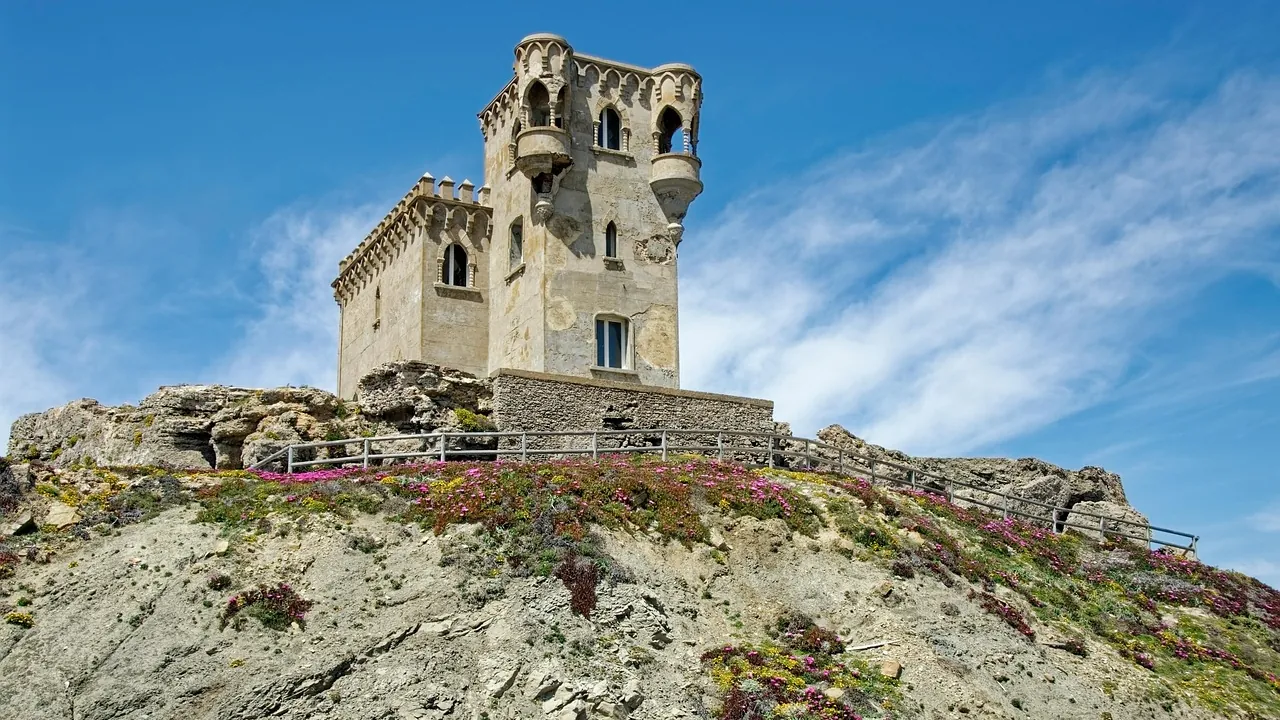
Tarifa is the southernmost point of mainland Europe: on clear days, you can see the Moroccan coast across the Strait with the naked eye. Its almost constant wind has made it one of Europe’s kitesurfing and windsurfing capitals.
So choosing where to stay in Tarifa depends on what brings you here: wandering the streets, spending the day on the sand or heading out on the water each morning. Here’s how the municipality is laid out, along with places to stay that we hand-pick one by one.
How to choose an area
The municipality stretches along the Atlantic coast, from the town to the inlet of Bolonia. These are the four main options:
- Old town: inside the walls, between Puerta de Jerez, San Mateo Church and the castle. Narrow streets, bars and restaurants; parking is almost impossible.
- Los Lances and the newer district: the newer part of town slopes down towards Los Lances beach, making it easier to get around by car and just a short walk from the centre.
- Valdevaqueros and Punta Paloma: hotels among pine trees and dunes beside the N-340, next to the windiest beaches. Without a car, you’ll be isolated.
- Bolonia: a village beside the Roman ruins of Baelo Claudia, about 20 kilometres away. Quiet, with few services.
In summer, the old town’s streets stay lively until late: if you’re looking for peace and quiet, ask for an interior-facing room or look towards Los Lances.
Where to stay in Tarifa: our picks
Five of these six places are in the old town or near Los Lances; the sixth looks out towards Valdevaqueros, for those travelling for the wind. Only two have their own parking. You’ll find the rest of the options on our places to stay in Tarifa page.
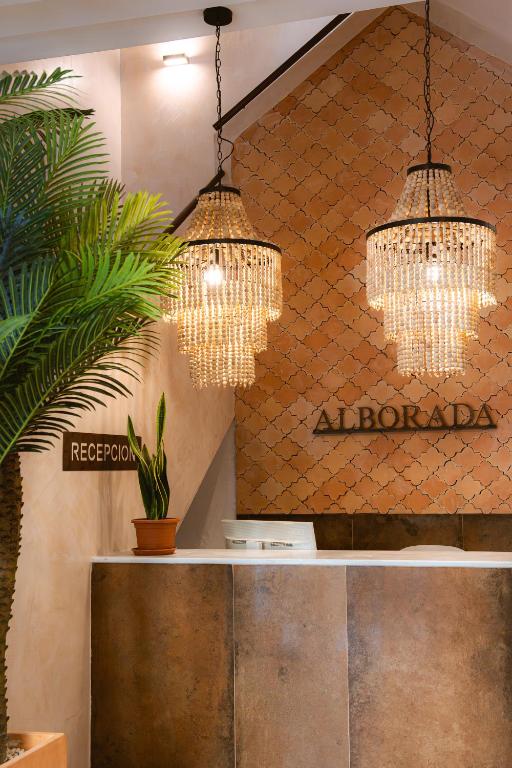
Apartamentos JR Alborada
Studios and apartments with kitchens and dishwashers, arranged around Andalusian-style courtyards, 350 metres from Los Lances beach. Some units sleep four, and there’s a lift and wheelchair access, making it a good choice for families. There’s no parking, and quiet hours start at 10 pm.
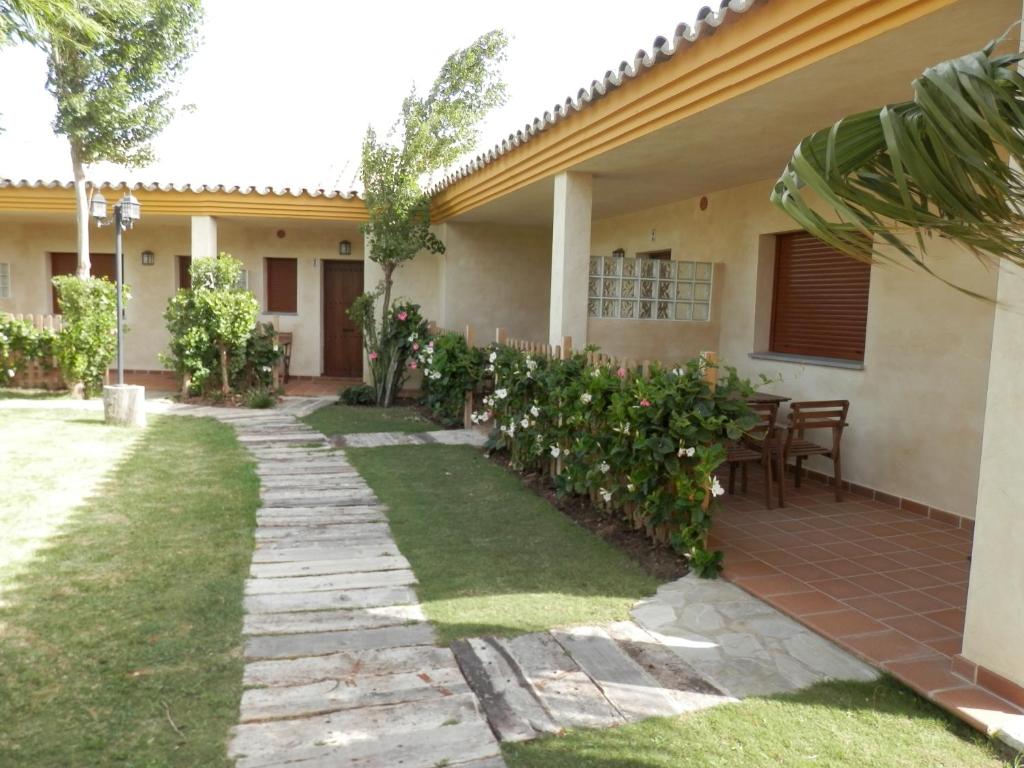
Alojamiento Mesón el Pozuelo
Fully equipped apartments with a garden, terrace, restaurant and bar, 600 metres from Los Lances. It’s one of the few places with free private parking, a real plus if you arrive by car. A minimum stay of two nights is required, and check-in starts at 3 pm.
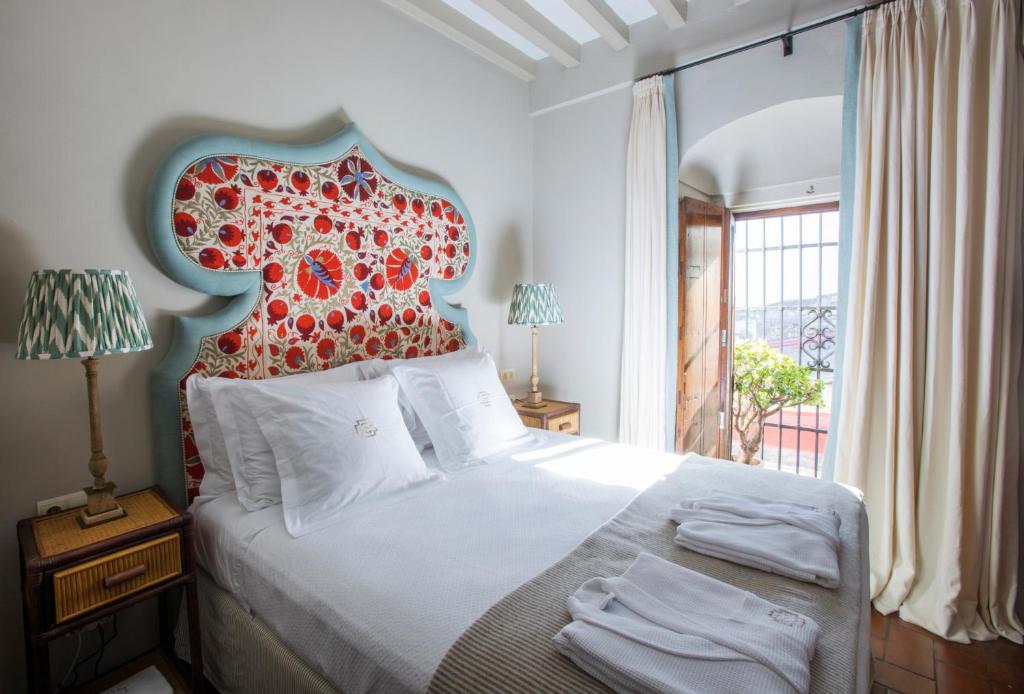
Posada La Sacristía Tarifa
A 17th-century house with original beams and stone arches, massages, a relaxation area and yoga classes to help you slow down. Rooms have a patio or balcony, but they’re small, at 10 and 15 m², and sleep two only. Pets are welcome; there’s no parking.
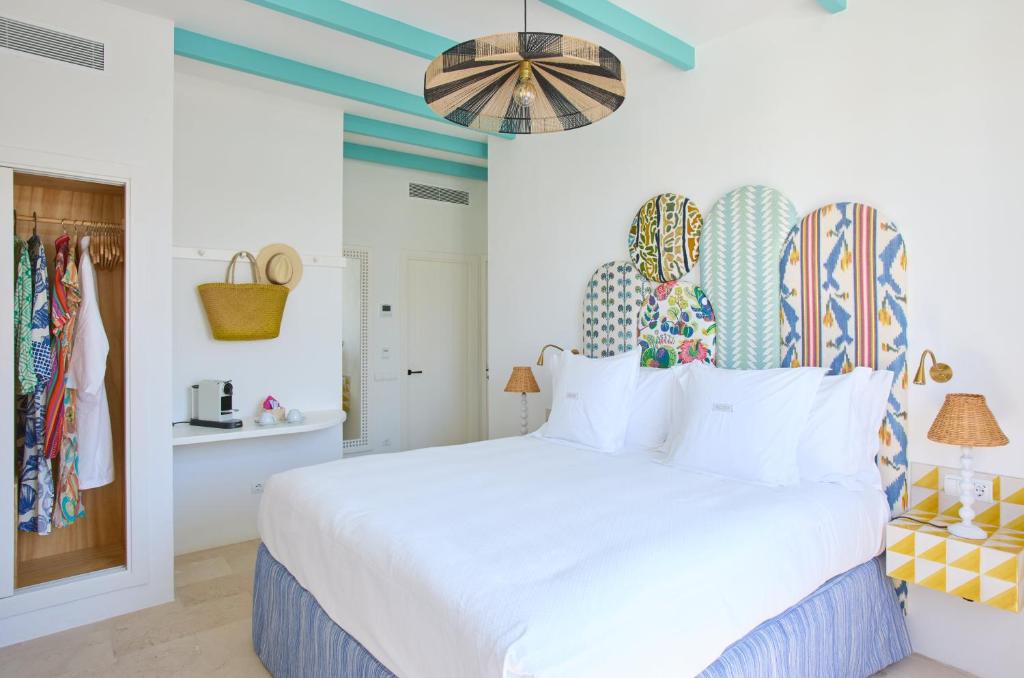
Hotel Misiana Tarifa
Modern rooms 20 metres from San Mateo Church, with a tapas bar and à la carte breakfast charged according to what you order. The 43 m² suite with a terrace is the one to book for a special getaway. Pets are welcome, but there’s no parking.
Silos19 Suites
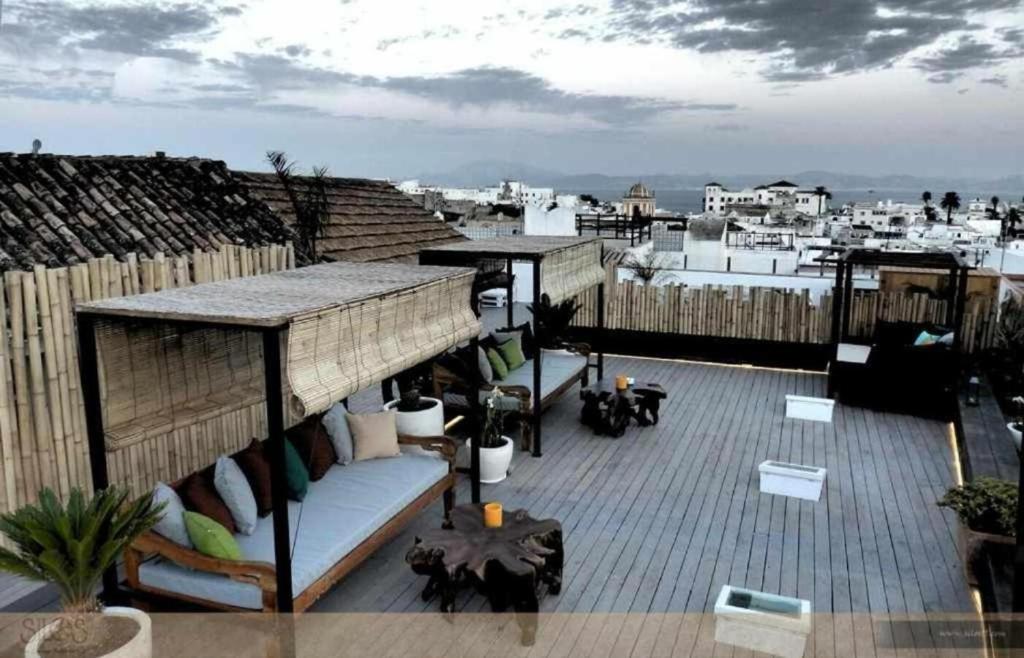
Suites ranging from 30 to 60 m² in an 18th-century building in the historic old town, some sleeping four, with a restaurant and rooftop terrace overlooking the Moroccan coast. Note: there’s no internet access, arrivals after 8 pm incur a surcharge, and there’s no parking.
100% Fun
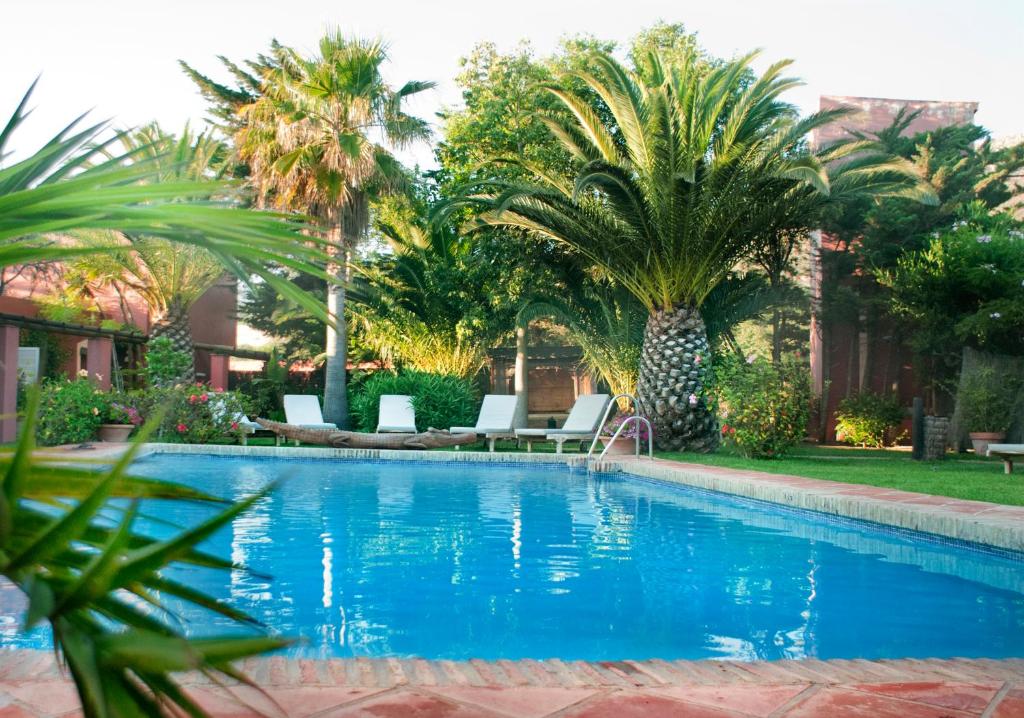
A hotel set among gardens, with an outdoor pool, 350 metres from Valdevaqueros beach, and kitesurfing lessons available at an extra cost. It has family rooms and free private parking, essential in this area. If you arrive after 9 pm, let them know in advance.
What to see in Tarifa
Start your walk at Puerta de Jerez, the historic entrance to the walled town, then continue past San Mateo Church to Guzmán el Bueno Castle, built during the Caliphate period beside the port. An isthmus connects the town to Isla de las Palomas, where the Mediterranean and Atlantic meet; access is restricted, so ask about visits at the tourist office.
In Bolonia, you’ll find the ruins of Baelo Claudia, a Roman city that made its living from fish salting, and the great dune that closes off the inlet. Its museum reopened in summer 2026 after a complete renovation and now displays finds from the last two decades, including the Doryphoros and the original statue of Junia Rufina.
Fast ferries leave the port for Tangier, and from spring to autumn, boats head out to spot dolphins and pilot whales in the Strait. If you’d like to visit more towns, Vejer de la Frontera and Zahara de los Atunes are less than an hour away by car.
When to visit Tarifa
June and September offer the best balance: warm water, wind for sailing and fewer people than in July and August. The levante can blow hard for several days in a row, keeping swimmers off the beaches, although experienced kiters are exactly who it draws; the poniente is gentler.
In spring and from late summer onwards, the Strait is one of Europe’s major migratory bird routes, with storks, kites and eagles crossing between the two continents. In early September, the fair of the Virgin of Light begins on the first Sunday of the month with a procession accompanying the patron saint from her shrine; book ahead for those dates.
Getting there and getting around
Tarifa has no airport or train station. The nearest airport is Gibraltar, just under an hour away by road, followed by Jerez, Málaga and Seville; the nearest train station is in Algeciras, about half an hour away. Regular buses run from Algeciras, Cádiz and Seville.
You can get around the old town on foot: leave your car in the car parks at the entrance to town. For Valdevaqueros or Bolonia, though, a car is almost essential. If your trip continues south, take a look at our places to stay in Andalusia.
If you’re heading up the Costa de la Luz, see where to stay in Conil de la Frontera, where to stay in Chiclana de la Frontera and where to stay in Cádiz. For the full trip, start with where to stay in Andalusia.
Frequently asked questions
Here’s what people planning a few days in Tarifa ask us most.
What’s the best area to stay in Tarifa?
For a first visit, choose the old town: Puerta de Jerez, the castle, restaurants and ferry port are all within walking distance, and Los Lances beach is about 500 metres away. Los Lances and the newer district are quieter and easier to get around by car. If you’re here to sail, Valdevaqueros and Punta Paloma put you right by the water; Bolonia suits those looking for peace and quiet.
Where should I stay in Tarifa for kitesurfing?
Valdevaqueros and Punta Paloma coast, beside the N-340, is home to the kitesurfing schools and windiest beaches, and there are hotels there with pools and free parking. The downside is the distance from the centre: without a car, you’ll depend on taxis. If you’d rather have dinner in the old town and drive a few minutes to the beach each morning, Los Lances is a good middle ground.
Can you park in the centre of Tarifa?
Inside the walls, it’s almost impossible: the streets are narrow and most accommodation in the old town has no private parking. The practical option is to leave your car in the car parks at the entrance to town or in the Los Lances area, then get around on foot. If you need a car for your trip, look for accommodation that includes a parking space.
Can you visit Morocco from Tarifa in a day?
Yes. Fast ferries leave Tarifa port, cross the Strait in around an hour and dock at Tangier Ville port, right in the city centre, so you can explore the medina and return for the night. You’ll need a valid passport. Staying in the old town is the most convenient option, as the port is just a few minutes’ walk away.
When is the best time to visit Tarifa?
June and September combine warm water, wind for sailing and fewer people than July and August. Thousands of migratory birds cross the Strait in spring and from late summer onwards. The fair of the Virgin of Light takes place in early September, bringing a lively atmosphere and high demand for accommodation. Bear in mind that the levante can blow hard on some days, keeping swimmers off the beaches.