Español
 English
 Français
 Deutsch
 Italiano
 Nederlands
 Português
 日本語
 中文
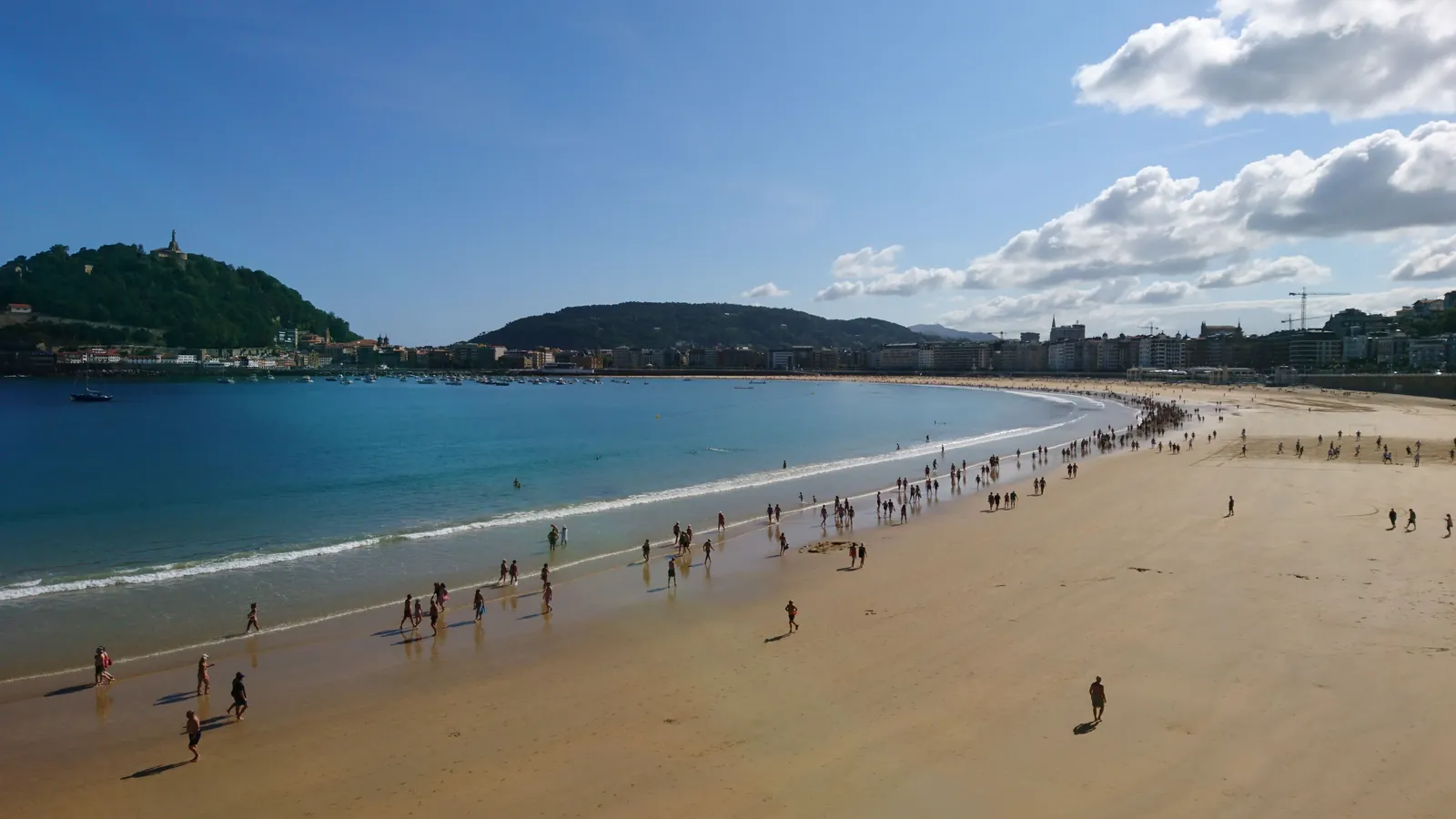
San Sebastián, Donostia in Basque, spreads around a shell-shaped bay sheltered by two hills, Urgull and Igueldo, with Santa Clara Island in between. It brings together three urban beaches, an old town full of pintxos bars and some of Europe’s most celebrated cuisine.
Deciding where to stay in San Sebastián is mostly about choosing which beach and pace of life you want nearby. In this guide, we explain how the neighbourhoods are laid out and suggest places to stay that we select one by one, from a hostel by the beach to a house with a garden.
How to choose an area
Almost everything is within a stroll of the bay, so atmosphere matters more than distance:
- Old Town: narrow streets at the foot of Urgull and the city’s highest concentration of pintxos bars. The liveliest area, including at night.
- Centre or Romantic Area: the 19th-century extension, with shops, the Good Shepherd Cathedral and La Concha two streets away.
- Gros: across the Urumea, next to Zurriola Beach and the Kursaal. A surf scene and neighbourhood pintxos bars.
- El Antiguo and Ondarreta: the western end of the bay, residential and peaceful.
- Outskirts and hills: Igueldo, Aiete and the southern hills, for those travelling by car who prefer views, a garden and parking.
Parking in the centre is difficult and almost always paid, and many hotels by the beach have no parking of their own or charge extra for it. If you won’t be using a car, stay near the bay.
Where to stay in San Sebastián: by the beaches
If you want to get around on foot, start here. These five places to stay are close to La Concha, Ondarreta or Zurriola, and each has its own style.
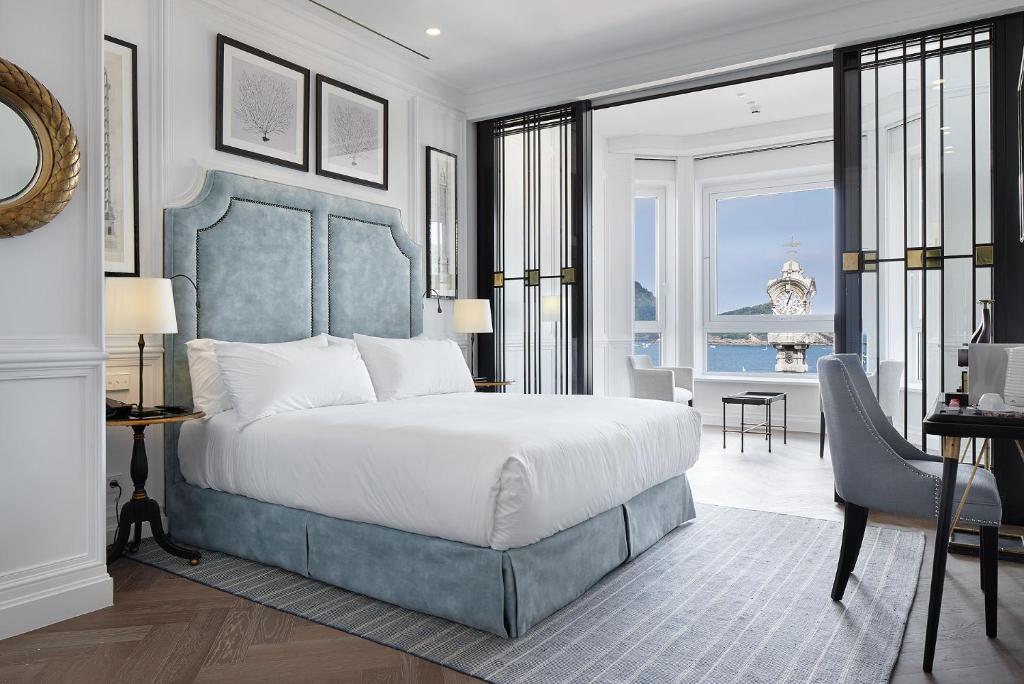
Hotel Villa Favorita - Adults Only
A four-star hotel designed for couples and adults only, about 360 m from the sand at La Concha. Some rooms face the sea and others have a terrace; reception, concierge and room service offer the feel of a classic hotel. Breakfast costs extra, and nearby parking costs €29 per day and must be reserved.
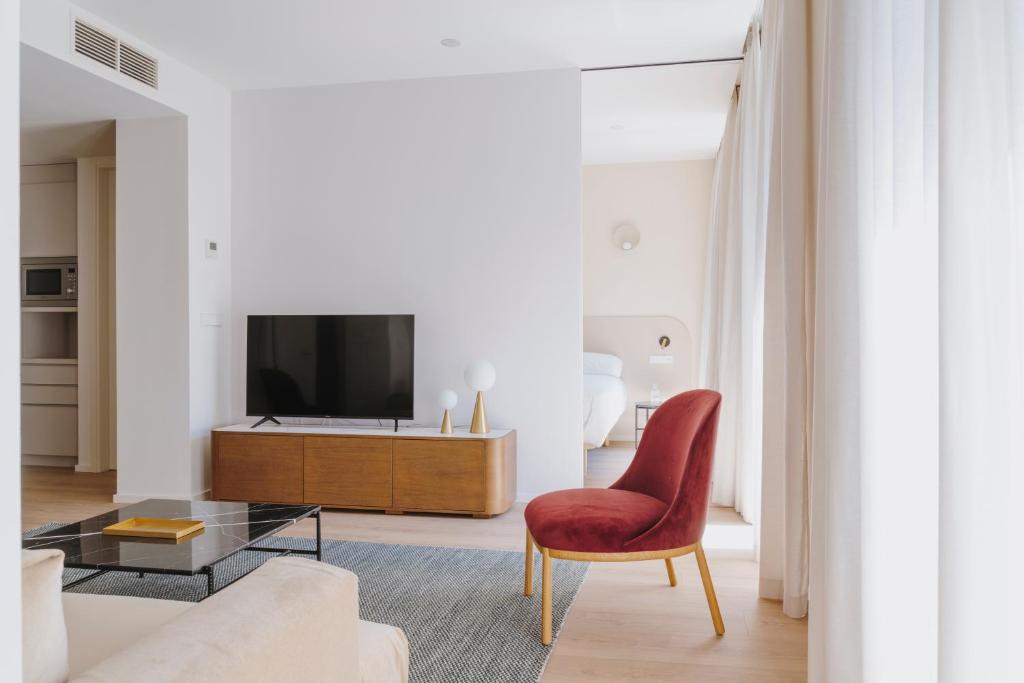
The Passage Apartments
Studios and apartments with fully equipped kitchens about 150 m from La Concha, including units with several bedrooms for families. There’s a lift and accessible bathrooms with grab bars. Reception closes at 18:30, there’s no parking, and stag or hen parties and other parties are not allowed.
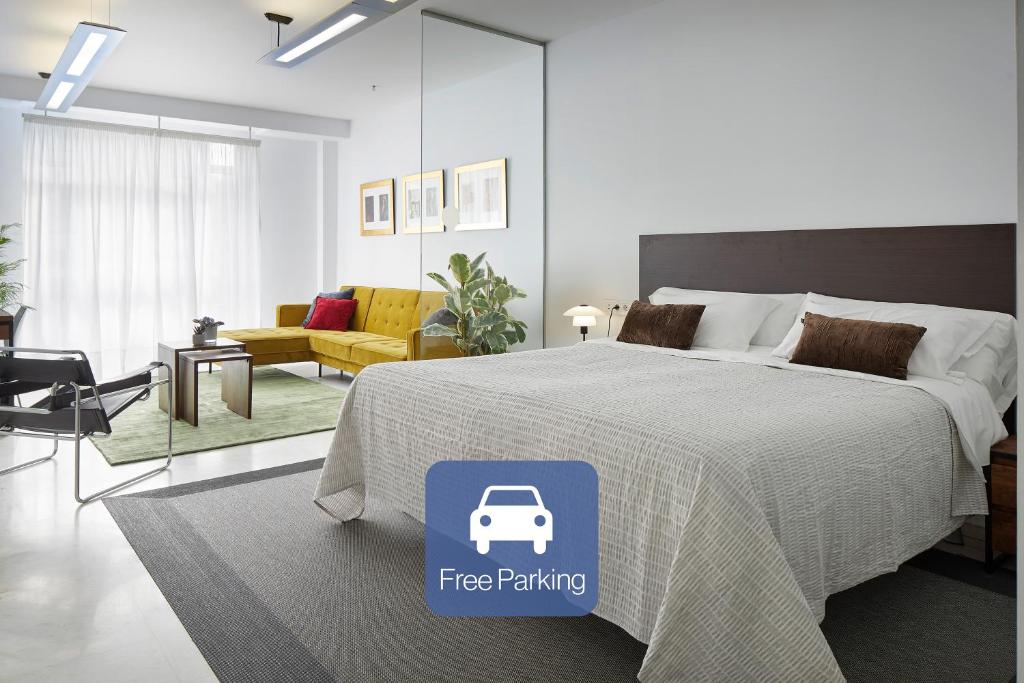
Satori Suites
A hostel with spacious rooms of up to 40 m² in the Ondarreta area: the beach is about 450 m away, with La Concha just beyond it. There are family rooms for three and free public parking nearby, which you need to book in advance. Check-in ends at 21:00, and guests are asked to keep noise down from 10 p.m. to 8 a.m.
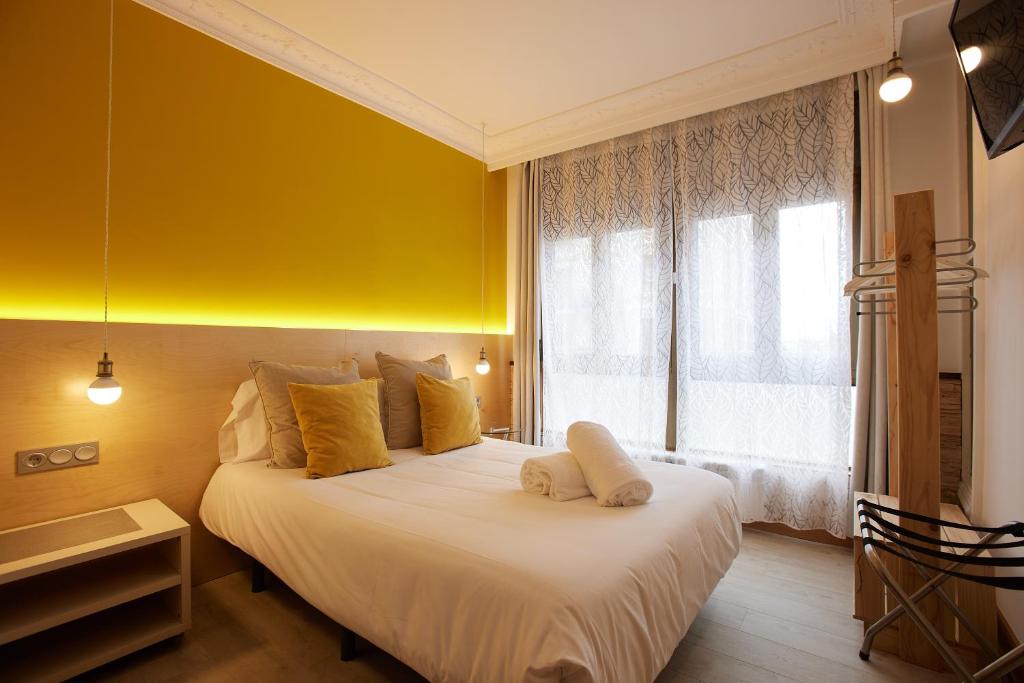
Pensión Aia
Right in Gros, about 50 m from Zurriola: step outside and you’re on the surfers’ beach. It has a shared lounge and a 20 m² family room for four, and you can choose between a shared or private bathroom depending on the room category. There’s no parking, and check-in closes at 8 p.m.
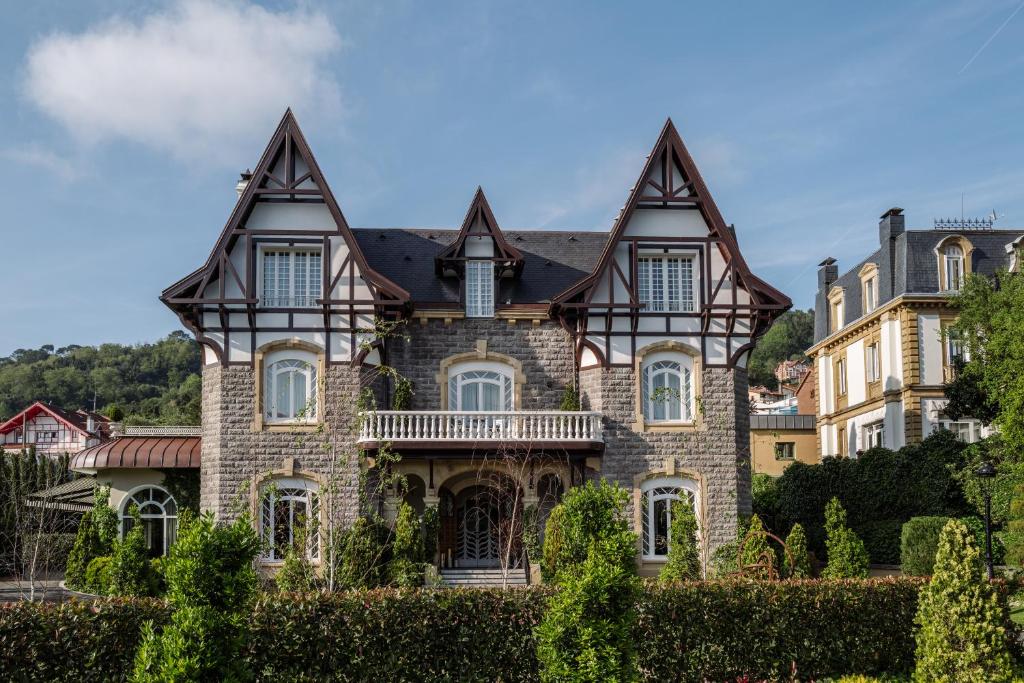
Hotel Villa Soro
Two classic buildings, one dating from 1898 and protected as historic heritage, with rooms featuring highly individual décor. It lends out bicycles for free, ideal for riding down to Zurriola, just over a kilometre away, and has a gym. Private parking costs €14 per day, and the family room accommodates a maximum of three people.
If you’re arriving by car: greenery and parking included
If you’re exploring Gipuzkoa by car, finding somewhere to leave it is a major consideration. These four places to stay offer free parking and a peaceful setting, with gardens or views of the sea and mountains.
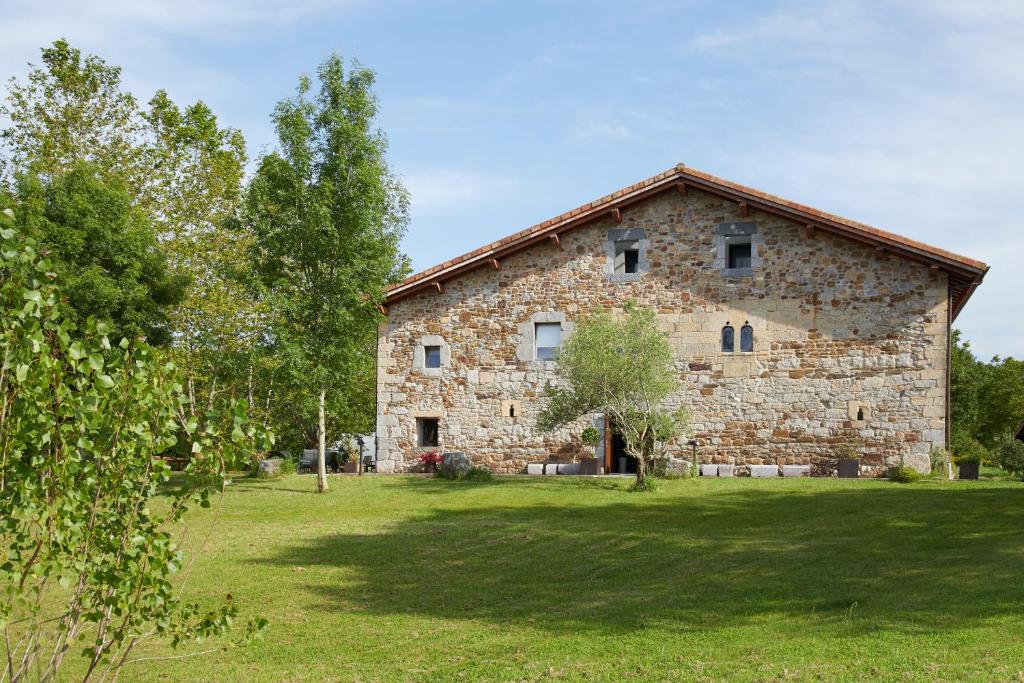
Heredad de Unanue
A hotel with a garden and terrace on the outskirts, less than a kilometre from the Chillida Leku museum, with Aiete Park on the way to the centre. Private parking is free and doesn’t need to be reserved. There’s a 29 m² family room and a superior double room accessible by wheelchair. Breakfast isn’t included, and it’s best to arrive before 21:30.
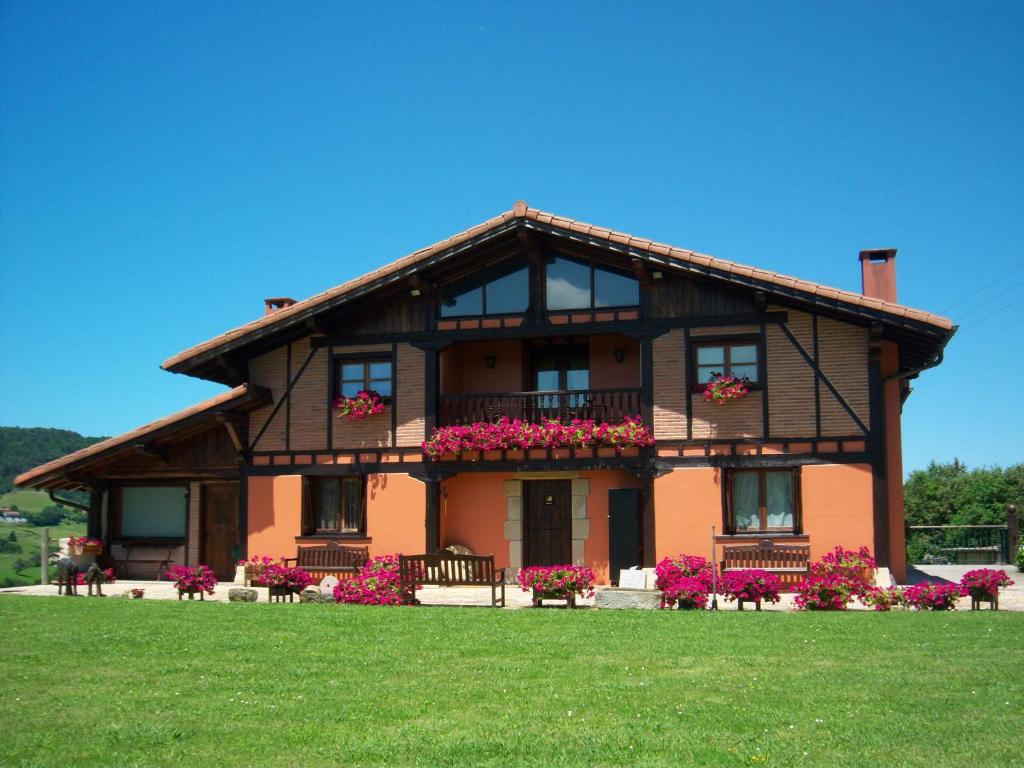
Kanpoeder - Adults Only
An adults-only bed and breakfast serving continental breakfast, with 16 or 17 m² double rooms overlooking the garden and mountains. Parking is free and doesn’t need to be reserved, which is unusual in the city. The upper floors are accessible only by stairs, and no room accommodates more than two people.
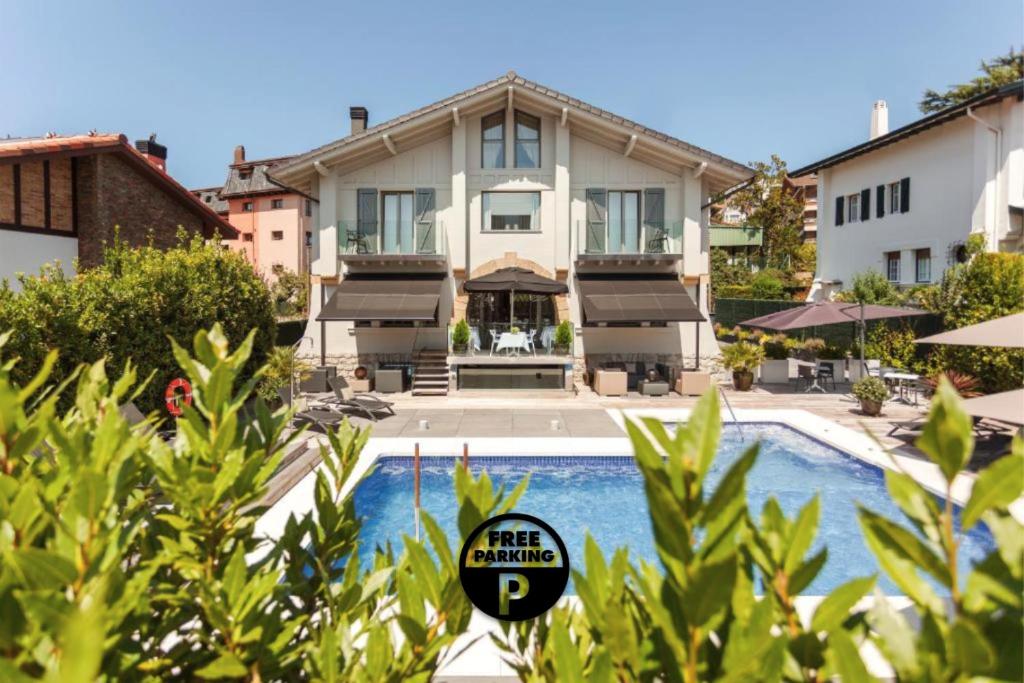
Villa Birdie Boutique - Adults Only
An adults-only boutique hostel with soundproofed rooms, many with views, and a continental breakfast made with local, organic produce. There’s free coffee and tea in the lobby at any time. Private parking is free but must be reserved, and caravans are not permitted.
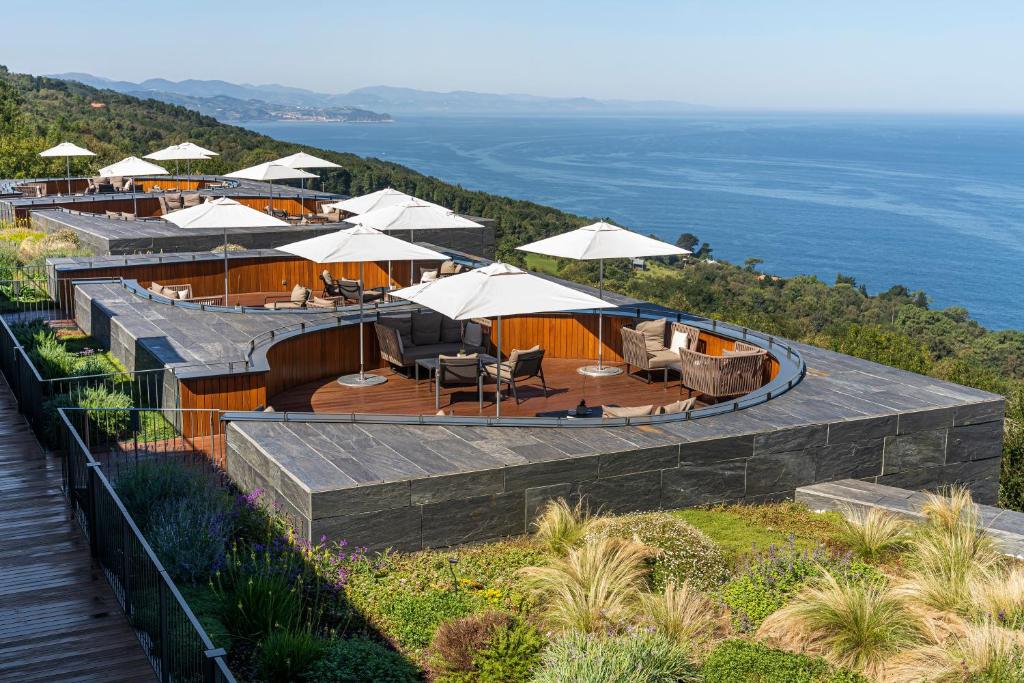
Akelarre - Relais & Châteaux
A five-star hotel perched above the Bay of Biscay on the slopes of Igueldo: every room faces the sea, and the 100 m² Ocean Suite has a private pool. The spa includes a hydrotherapy circuit, Turkish bath and sauna, and parking is free. It’s about 5 km from the centre, and staying here doesn’t guarantee a table at its famous restaurant, which must be booked separately.
For more options, you’ll find our full selection on our page of places to stay in San Sebastián.
What to see in San Sebastián
The La Concha promenade, with its white railings, follows the bay from the Town Hall to Ondarreta and is the best way to get your first feel for the city. At the far end, you’ll find Eduardo Chillida’s Peine del Viento sculpture and the century-old funicular up Mount Igueldo, with the bay’s most photographed view.
At the other end, Urgull can be climbed on foot from the Old Town to Mota Castle and the Sacred Heart monument. At its foot, Santa María del Coro and the San Telmo museum make for a full morning; in the afternoon, head for a round of pintxos on 31 de Agosto or Fermín Calbetón.
Across the Urumea, Rafael Moneo’s Kursaal marks the entrance to Gros, where Zurriola draws surfers for much of the year. For a different outing, Tabakalera, the former tobacco factory, hosts exhibitions and films, while Chillida Leku displays the artist’s sculptures among the meadows.
The city is also a great base for exploring the coast: Hondarribia, Getaria and Pasaia are nearby, and Saint-Jean-de-Luz makes a good day trip.
When to visit San Sebastián
The climate is Atlantic: mild, green and rainy throughout the year. June and September are usually the most rewarding months, with long days, warmer water and fewer people than in high summer.
The calendar has a big influence on when to book. Every 20 January, the Tamborrada fills the streets with drummers for 24 hours, and in late July the Jazzaldia festival stages concerts at the Kursaal, Trinidad Square and open-air venues. Semana Grande arrives in August, with its fireworks competition over the bay, and the first two Sundays in September bring the La Concha traineras regattas.
The most international event is the Film Festival, held every September: in 2027 it celebrates its 75th edition, so expect the city to be even busier. Book well in advance for those dates.
How to get there and get around
San Sebastián Airport, in Hondarribia, is about 22 km away and mainly operates flights to Madrid and Barcelona. For international connections, there’s Biarritz Airport, about 50 km away, and Bilbao Airport, about 100 km away, with direct buses to the city roughly every hour and a journey of around an hour.
Long-distance trains arrive at the North Station, next to the Urumea, and the Topo Euskotren service connects the city with Irun and Hendaye. An underground section beneath the centre is also nearing completion, with new stations at Bentaberri and Centro-La Concha; check whether it’s in service before you travel. Once here, the best way to get around is on foot or by bike along the bidegorris, or cycle lanes.
Also bear in mind that Euskadi is planning a tourist tax per person per night from 1 January 2027, with under-18s exempt. It’s collected by the accommodation itself, so ask whether it’s included in the price.
San Sebastián is one of the stops in our guide to where to stay in the Basque Country. If you’re continuing on to Bizkaia, also see where to stay in Bilbao, an hour away by motorway.
Frequently asked questions
Here are answers to the questions we’re most often asked by people planning a trip to Donostia.
What’s the best area to stay in San Sebastián?
It depends on how you like to travel. The Old Town and the Centre are the most convenient for a first visit, with everything within walking distance: La Concha, pintxos bars and Mount Urgull. Gros, next to Zurriola, has a younger, more laid-back feel, while Ondarreta is the quieter, more family-friendly option. If you’re travelling by car, the outskirts and hills offer free parking, a garden and views, but you’ll need to drive down to the centre.
Is it better to stay in the Old Town or Gros?
The Old Town is the heart of the city, with pintxos bars and La Concha two minutes away, but it’s also the noisiest area at night. Gros, across the Urumea, is a ten-minute walk away and has neighbourhood pintxos bars, Zurriola and a surf scene. If you’re a light sleeper or like to mingle with local life, Gros is usually the better choice.
Where should I stay in San Sebastián if I’m travelling by car?
Parking in the centre is difficult and almost always paid, and many places to stay by the beach have no parking of their own or charge extra for it. If you’re arriving by car, look at places on the outskirts or on the hillsides, where free private parking is common. From there, you can drive down to the centre in a few minutes, and the motorway is close by for exploring the coast.
How many days do you need to see San Sebastián?
With two full days, you can see the essentials: the La Concha promenade to Peine del Viento, the climbs up Igueldo and Urgull, the Old Town, Gros and a good round of pintxos. A third day gives you time to visit San Telmo or Chillida Leku, or take a trip to Hondarribia or Getaria. If you want to combine the city with the French Basque coast or Bilbao, allow four or five nights and choose somewhere well connected.
When is the best time to book accommodation in San Sebastián?
The city fills up in summer and during its major events: the Tamborrada on 20 January, Jazzaldia in late July, Semana Grande in August and, above all, the Film Festival in September, which celebrates its 75th edition in 2027. It’s wise to book several months ahead for these dates. From November to March there’s more availability and the city is quieter, though rainier.
How do you get to San Sebastián by plane?
San Sebastián Airport is in Hondarribia, about 22 km away, and mainly connects with Madrid and Barcelona; there’s a bus from the airport to the city that takes around half an hour. For international flights, the alternatives are Biarritz, about 50 km away across the border, and Bilbao, about 100 km away. Direct buses leave Bilbao Airport roughly every hour, and the journey takes around an hour.